
After Years at the CRA, Susan O’Brien Took a Leap and Started Her Own Tax-Consulting Firm
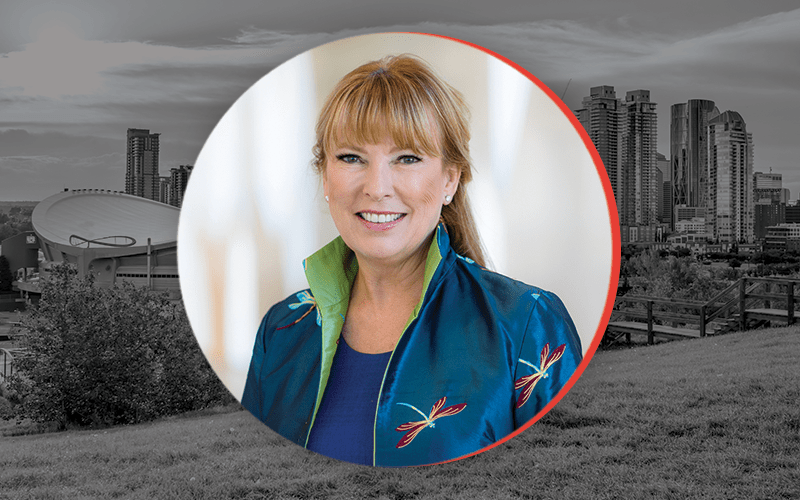
Episode
After years in the tax world working at both the Canada Revenue Agency and in the private sector, Susan O’Brien took...
Key takeaways
- Entrepreneurship requires extreme resilience and perseverance, especially in the early years when you face constant rejection and financial uncertainty while building your business from scratch.
- As an entrepreneur, you essentially have two full-time jobs: working in your business to deliver services and working on your business to handle operations, marketing, finances, and growth.
- Failure is an inevitable and necessary part of the entrepreneurial journey, and the key is to embrace vulnerability, learn from mistakes, and keep trying new approaches without taking setbacks personally.
- Traditional work-life balance doesn't exist for entrepreneurs, but when you're passionate about your work, it energizes rather than drains you, allowing you to bring full presence and energy to your personal relationships.
- During economic downturns and job losses, people have an opportunity to pause and reflect on what they truly want from life, potentially channeling their passion into creating their own business rather than seeking another job.
Transcript
Full transcript page · Interactive episode
============================================================
TRANSCRIPTION WITH SPEAKERS
============================================================

[00:00] SPEAKER_00: Welcome to Canada's podcast, the number one podcast for entrepreneurs by
[00:06] SPEAKER_00: entrepreneurs. Hello and welcome to Calgary's podcast on Canada's podcast
[00:12] SPEAKER_00: network joining me today is Susan O'Brien founder of Net Worth Thinking in
[00:18] SPEAKER_00: Calgary. Thanks for joining us today Susan. Thank you very much Mario. It's a
[00:21] SPEAKER_02: pleasure to be on the show with you today. Tell me a little bit about net worth
[00:26] SPEAKER_00: thinking and what it is and what you do. I'm still blind you asked because of
[00:32] SPEAKER_02: course I'm in financial services industry and most people think of it as just
[00:37] SPEAKER_02: buying this stock, picking that stock, what's hot today? You know what do I need to
[00:43] SPEAKER_02: buy sell, tell me? And net worth thinking is the complete opposite of that. Net
[00:48] SPEAKER_02: worth thinking really starts to listen and understand people and look at their
[00:53] SPEAKER_02: entire net worth to see what's really important to them what their goals are,
[00:58] SPEAKER_02: what do you want to accomplish with them? What is money to them? So it's a very
[01:02] SPEAKER_02: holistic integrated approach to really people's goals in life, their financial
[01:07] SPEAKER_00: goals in life and how they can achieve them. I can use a step back in time I
[01:13] SPEAKER_00: guess and tell me a little bit about yourself prior to founding net worth
[01:19] SPEAKER_02: thinking. Absolutely. So for the last 25 years I've really been helping people
[01:24] SPEAKER_02: reach their goals in this holistic integrated manner by really listening to
[01:29] SPEAKER_02: them. And what I found was that in the financial services industry as a whole
[01:34] SPEAKER_02: most people were not being well served. They didn't know where to turn, they
[01:39] SPEAKER_02: didn't know who to turn to and financial advisors as a group very entrepreneurial
[01:44] SPEAKER_02: but because they're entrepreneurial every advisor does something different. And so
[01:50] SPEAKER_02: I found that people were just they were just satisfied with the status quo.
[01:55] SPEAKER_02: They want to change and so I wrote this book to really, I called a new way forward for
[02:00] SPEAKER_02: wealth management net worth thinking and wrote the book to really tell people
[02:04] SPEAKER_02: there is a better way forward in financial services and there's a better way forward
[02:09] SPEAKER_02: for you to reach your goals. And before that I was in the tax world and so I
[02:14] SPEAKER_02: did taxes before that. But there was nothing personal about tax. I don't know
[02:19] SPEAKER_02: about you in the CRA but they're not my best try. I don't want to see anything
[02:23] SPEAKER_02: against them but doing tax work very intellectually stimulating but there's
[02:30] SPEAKER_02: nothing really human about it. And there's nothing where I can really be
[02:35] SPEAKER_02: part of people's journey to financial independence. And so I was yearning for
[02:41] SPEAKER_02: something more and that's why I got into the financial services world yearning for
[02:45] SPEAKER_02: better financial services. That's why I wrote the book. So when did you start
[02:52] SPEAKER_00: giving me some timeline here? When did you start? First of all the book itself,
[02:57] SPEAKER_00: when did that come out and when the net worth thinking come into existence?
[03:02] SPEAKER_02: That's a great question because if you ever talked to anybody who writes a book,
[03:06] SPEAKER_02: I think they write it five times before they actually write the book.
[03:10] SPEAKER_02: True. Yeah. So I've probably been working on what's important to people? What do they want to know?
[03:17] SPEAKER_02: How do I write a book? How do I get a message across? But it really started coalescing in 2018.
[03:23] SPEAKER_02: So in 2018, I couldn't procrastinate anymore. I couldn't keep starting without finishing. I had
[03:33] SPEAKER_02: a brief outline of what my experiences had taught me. What the people I work with
[03:38] SPEAKER_02: have taught me, what they need in life. And started to just write it all down. And just my thoughts
[03:46] SPEAKER_02: of how things can be better. I really want people to have a better experience with their
[03:51] SPEAKER_02: financial services and advisors in general, all advisors, whether it's accountants, lawyers,
[03:57] SPEAKER_02: financial advisors, to really listen to them and to really partner with them and help them achieve
[04:03] SPEAKER_00: their goals. So when you look at the times that we're in obviously since last March, we've been
[04:10] SPEAKER_00: in very difficult times because of the COVID pandemic. Financially, especially, obviously there's
[04:18] SPEAKER_00: a lot of mental and emotional issues going on as well. But financially, a lot of people have
[04:23] SPEAKER_00: been in hard, a lot of people out of jobs, a lot of people probably wondering how they retire.
[04:33] SPEAKER_00: What have you been experiencing because of COVID on that front?
[04:39] SPEAKER_02: I think that you're absolutely right, Mario. I think there's a lot of fear and fear comes from
[04:44] SPEAKER_02: uncertainty. Uncertainty, these are uncertain times. We don't know what's going to happen.
[04:50] SPEAKER_02: We've seen such tragedies in our elder care system and in our care homes that for the first time
[05:00] SPEAKER_02: in 25 years, people are really thinking about, not only do I have enough money to retire,
[05:05] SPEAKER_02: but what happens when I get over it? And who's going to take care of me and how are they going to
[05:10] SPEAKER_02: take care of me? And do I have enough money? So the conversations have really pivoted to people's
[05:17] SPEAKER_02: health and people aging. Big concern right now.
[05:23] SPEAKER_00: When you look at a lot of the commercials that we've seen over the years on retirement,
[05:29] SPEAKER_00: right? Paying a nice picture, but that's going to look like. But also throw a, I don't want to
[05:37] SPEAKER_00: throw a dollar now and sell it, but sometimes they say, a million dollars to retire.
[05:45] SPEAKER_00: What do you think of that? When you deal with people, I think the vast majority of people
[05:52] SPEAKER_00: are not worth, it may not be in that million dollar range.
[05:57] SPEAKER_02: Absolutely. Most Canadians do not have a financial plan. Their financial plan might be,
[06:02] SPEAKER_02: my children will take care of me. It is a financial plan, but not a very good one.
[06:08] SPEAKER_02: So you're right. Everyone is an individual. And of course, the amount of money you need to retire
[06:13] SPEAKER_02: depends completely on your lifestyle today. But people are more concerned than ever. And again,
[06:19] SPEAKER_02: I think it comes back to that uncertainty. But we use in retirement, and even that word is a loaded
[06:24] SPEAKER_02: word. Like what is retirement? Today, so retirement used to be, I retired, I got a pension,
[06:31] SPEAKER_02: and I was pretty much gone in the next year or two. Retirement, I think, is a whole new concept
[06:35] SPEAKER_02: these days, where people are really envisioning when they're still in their 50s, 60s, 70s,
[06:42] SPEAKER_02: and even beyond that, like how am I engaged in the world? What am I giving back? What do I want to do?
[06:48] SPEAKER_02: And sometimes it's partly financially driven, but often it's more altruistically driven,
[06:54] SPEAKER_02: or they want to be, and maybe these are the people that I love to work with, but they're just
[07:00] SPEAKER_02: thinking about the world around them and how they can stay engaged. And so I would say that they're
[07:05] SPEAKER_02: never retired, although they may be living off their wealth. Exactly. But when you, as an
[07:12] SPEAKER_00: entrepreneur, obviously starting this up and starting up a business, what do you, I guess,
[07:20] SPEAKER_00: where the key challenges in going out on your own and doing this? Oh, that's... I started,
[07:31] SPEAKER_02: when I started, I remember, well, there's no paycheck. I mean, you leave a paying job,
[07:36] SPEAKER_02: and there's no paycheck. So there was always too much money at the end of the money.
[07:43] SPEAKER_02: And there was a mortgage, and I had a one-year-old, five-year-old, eight-year-old, and 11-year-old
[07:49] SPEAKER_02: to support. And I remember I had no revenue, I had no clients, and I had no business plan,
[07:57] SPEAKER_02: and the idea of networking hadn't even entered my break. I was just trying to survive.
[08:02] SPEAKER_02: And I remember the first time I called someone up to talk about what I did in financial services,
[08:08] SPEAKER_02: and how I did it. My legs were just shaking, and I thought, how am I going to make a business
[08:13] SPEAKER_02: out of this one? I can barely stand up. But I persevered, and I think being an entrepreneur,
[08:21] SPEAKER_02: it's really about perseverance. And every time you said, no, and every time you're knocked down,
[08:28] SPEAKER_02: it's very difficult not to take that personally, but to just say, you know, I'm going to do this.
[08:35] SPEAKER_02: This is a passion of mine. I really want to do this. And somehow survived, but it wasn't without
[08:41] SPEAKER_02: a lot of grit perseverance and a nice bank loan. So thank you very much to the bank for
[08:47] SPEAKER_02: loaning the money that I could still eat and feed the kids here. Five years. I was five years.
[08:52] SPEAKER_02: Oh, wow. Five years of really slucking it out, I guess you could say. So being an entrepreneur
[08:58] SPEAKER_02: is wonderful when you know that your business is thriving. It is almost terrifying in those early
[09:09] SPEAKER_00: stages. Yeah. In those stages that you were setting things up, Susan, what pieces of advice
[09:17] SPEAKER_00: did you receive that kind of resonated with you and stuck with you on being an entrepreneur?
[09:24] SPEAKER_02: The pieces of advice that stuck to me to me to mouse for about a resilience, like never giving up.
[09:30] SPEAKER_02: If I had so many nose in a day, I remember what my mentor is saying, just count it as another
[09:36] SPEAKER_02: no. And you know, after so many nose, you'll get a yes, so track that and just be really excited. Yeah,
[09:42] SPEAKER_02: that's 10 nose and after 10 nose, I pretty much get a yes. So it's a mind game. It's really a
[09:48] SPEAKER_02: mind game. Another one is that Susan, it's a part-time job. You choose any 12 hours a day you want to
[09:56] SPEAKER_00: work. Yeah, that's true, right? And then I realize that, right? I think a lot of people, even if
[10:03] SPEAKER_00: people go into being an entrepreneur and on their own, they don't realize that there's so much
[10:10] SPEAKER_00: involved in the sense that, you know, even for myself, I think over the years, I recognize quite
[10:17] SPEAKER_00: frankly initially that I had two jobs, right? The job of what I do, but then there was the business
[10:23] SPEAKER_00: side of things, right? Is that you've got to take care of the business, you know, going out,
[10:29] SPEAKER_00: finding clients that they can care of your your books and invoicing, marketing and all that stuff.
[10:36] SPEAKER_02: Is that the place to look? Yeah, absolutely. I feel like I'm gumby. You know, I'm just
[10:40] SPEAKER_02: pulling all these different directions all the time, right? You're pulled to work in your business.
[10:45] SPEAKER_02: So getting better, skill wise and process wise and operations, but then you have to work on your
[10:52] SPEAKER_02: business. Yeah. And that's the whole, you know, the financial part behind it or the advertising
[10:57] SPEAKER_02: or the marketing or being out in the community. So definitely, yeah, I think all entrepreneurs
[11:03] SPEAKER_02: or gumbies and they're just being pulled and pushed and prodded, which is in a way delightful,
[11:10] SPEAKER_02: if you're the kind of person who just always loves learning and growing. Yeah.
[11:17] SPEAKER_02: You're always as an entrepreneur being stretched in different directions. So you're always
[11:22] SPEAKER_02: learning something new, you're always growing and you have to be willing to fall flat on your face.
[11:27] SPEAKER_02: Yeah. And learn from that, right? And learn from it. Just like brush yourself off and get
[11:34] SPEAKER_00: up and try it again. And I think a lot of the famous athletes would always say, you know, that,
[11:41] SPEAKER_00: you know, you see the success that they had, like whether it's on the in the hockey rink or on
[11:47] SPEAKER_00: on the basketball court, but they don't see all the failures that led up to that success, right?
[11:52] SPEAKER_02: Every entrepreneur and I and I'm including myself for sure in this, I have failed in so many
[12:00] SPEAKER_02: different ways. And I think the key is, is once I get over, I mean, it's a, for me, it's, it's,
[12:06] SPEAKER_02: if I fail, I'm a bit of a perfectionist. So if I fail, I kind of like, what, you know, what was
[12:11] SPEAKER_02: I doing or thinking or how could I have done that or why did I make that mistake? But there's no
[12:21] SPEAKER_02: there's no, you can't get from here to there without falling or failing or being vulnerable or
[12:30] SPEAKER_02: putting yourself up there. So yes, being an entrepreneur, resilience, embracing yourself,
[12:39] SPEAKER_02: even when you're not perfect, even when you fail, trying again, trying new things. I've also,
[12:44] SPEAKER_02: when we talk about failures, I've tried new approaches, I've tried new processes before I did the
[12:51] SPEAKER_02: networks thinking process. So it's not always failure. Sometimes it's trying new things and they
[12:56] SPEAKER_02: just don't work, but you've got to keep trying. Yeah. Because we've always got to keep growing and
[13:01] SPEAKER_00: adapting and getting to what is meaningful for people. So I'm just curious from the, the people you
[13:08] SPEAKER_00: deal with and also maybe just people you just talk to in general. This particular time, you know,
[13:15] SPEAKER_00: you can look at it in two different ways, right, of being an entrepreneur. Like it could spur a lot
[13:23] SPEAKER_00: of people to become entrepreneurs, right? Because they're out of jobs and they're like, say in Calgary,
[13:30] SPEAKER_00: their oil company has just laid them off. You know, they don't want to go work for another company.
[13:36] SPEAKER_00: So they start to be an entrepreneur. That's one aspect of it. The other aspect though is,
[13:41] SPEAKER_00: is as you mentioned, the fear, right? The fear of, oh jeez, I don't want to start a new business
[13:48] SPEAKER_00: in this kind of environment. So what are you getting in terms of talking to different people on
[13:57] SPEAKER_02: becoming and being an entrepreneur these days? Well, I think you bring up two very good points there.
[14:04] SPEAKER_02: Number one is that when we ever go through a downturn in the economy, which we certainly seeing
[14:10] SPEAKER_02: with the number of people being laid off, whether it's in the energy industry or in hospitality
[14:15] SPEAKER_02: industry, you know, restaurants closing, that does where people want to think, well, I still need to
[14:23] SPEAKER_02: make money. But more than making money, what, what do I really want out of life? And where do I really
[14:30] SPEAKER_02: want to go? And maybe I can have a business doing just that. So I think that as devastating as it is
[14:39] SPEAKER_02: to lose a job. And I, I sympathize with everyone because it's never their choice. So something that's
[14:45] SPEAKER_02: out of our controls, very difficult. You know, I, I feel compassionate toward those people who have
[14:51] SPEAKER_02: lost their jobs. But I also want to say to sometimes the flip side of the coin is it gives people
[14:57] SPEAKER_02: pause. If they can possibly have some time to pause to really think about what the next phase of
[15:03] SPEAKER_02: their life might look like and what kind of business they could really put their passion. And I
[15:08] SPEAKER_02: think an entrepreneur, you, it's not a, it's a vocation, it's a passion, it's a life and what they
[15:14] SPEAKER_02: can do. The other part is fear. And you talked about fear and sometimes big if I knew how tough it
[15:22] SPEAKER_02: was going to be when I ever do it again. And I would say, yes, I would do it again. I don't want to
[15:26] SPEAKER_02: do it again, but I would do it again because the rewards are so great if you can, if you can
[15:32] SPEAKER_02: overcome fear. And the way that I can only ever chat with entrepreneurs and I'm part of women's
[15:39] SPEAKER_02: president organization, which is peer-to-peer mentoring. So we're mentoring each other really through
[15:44] SPEAKER_02: our fears in a way. And is to have as much knowledge as you can possibly going in so that you can
[15:52] SPEAKER_02: overcome your fears. For me, it was fear of not being, you know, not having enough money to eat
[15:59] SPEAKER_02: or pay the mortgage. So it was lucky enough to overcome that by having a bank loan to bank
[16:04] SPEAKER_02: loan me for, for a period of time. So your biggest fears, yes, you've got to, you've got to address
[16:11] SPEAKER_02: them head on and you've got to figure out, do I have a workable solution so that I can decrease my
[16:18] SPEAKER_02: level of fear? But you can't, being an entrepreneur, you cannot rationalize or research everything away.
[16:25] SPEAKER_02: That's probably a good thing. You can't eliminate it all. You have to take care of your leave.
[16:29] SPEAKER_00: Yeah, as you know, like, you know, being an entrepreneur, there's, you're right, you know, it's like
[16:35] SPEAKER_00: 12 hours a day, it's actually even more, right? And so how do you balance that for yourself personally,
[16:45] SPEAKER_00: you know, taking all that time, running a business, but you have also a life to lead, right? So
[16:51] SPEAKER_00: how do you work that kind of work like balance into what you do?
[16:57] SPEAKER_02: So Mary, I've spoken at some women's conferences and I don't know if men have as many questions
[17:04] SPEAKER_02: about work life balance, but as a woman, I get a lot of questions about work life balance and I
[17:08] SPEAKER_02: basically say there isn't such a thing. If you think of work life balance as my job is,
[17:14] SPEAKER_02: so my business is part time and then I get to do this and I get to do that and I get, you know,
[17:19] SPEAKER_02: if being an entrepreneur consumes you, I think, and that's why you need a passion for it. So
[17:26] SPEAKER_02: even if I am not working in the business as we talked about, you know, even if I'm not here today
[17:32] SPEAKER_02: or dealing directly with clients, my mind's always working on the business. How do I get better?
[17:39] SPEAKER_02: What do I need to do? What do I need to change? What kind of things do I need to learn? So
[17:44] SPEAKER_02: you need a passion for what you're doing. Now, what that does though, although I don't have the
[17:50] SPEAKER_02: 50-50 traditional work life balance or whatever people presume that is, because I love what I do
[17:57] SPEAKER_02: so much, it really energizes me and my other relationships. So when I do see my children and I do
[18:04] SPEAKER_02: see them, they're very important to me and my family and my spouse, my mother and my relationships,
[18:10] SPEAKER_02: I bring a certain kind of energy there. I am totally present, I'm totally there, totally happy
[18:16] SPEAKER_02: with what I'm doing. So my short answer is no work life balance, but work life balance that
[18:22] SPEAKER_02: that works for me and that I love. I can't imagine anything else. Like I cannot imagine retirement
[18:28] SPEAKER_02: in the traditional sense of the word. Me neither. Why would I leave something I'd love to do what?
[18:35] SPEAKER_02: Like I volunteer a lot now, but I don't want to volunteer anymore. I don't want to clean my own house
[18:41] SPEAKER_02: or cut my own grass. I like to travel, but I'm traveling it up. So why don't I give up something I
[18:47] SPEAKER_02: love to do something that I maybe don't love as much? So maybe that'll change Mario in the future,
[18:53] SPEAKER_00: but right now. So I feel. Okay, super. Well, thanks for joining us today, Susan. That was great.
[18:59] SPEAKER_02: So pleasure being on your show, Mario, to all your listeners. I think about them all and I wish
[19:06] SPEAKER_00: them all the best on their own journey. Okay, great. That was Susan O'Brien, who is founder of NetWorth
[19:13] SPEAKER_00: Thinking in Calgary. I'm your host Mario Tonoguzzi on Calgary's podcast on Canada's podcast
[19:19] SPEAKER_00: network. Thank for joining us today.