
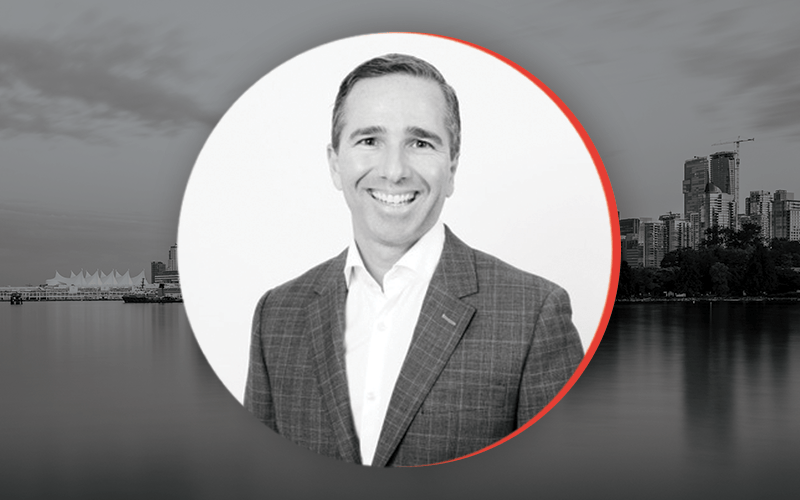
Mike Desjardins is CEO of ViRTUS, Which Focuses on Leadership Development and Strategic Planning
Episode
Mike Desjardins (pronounced day-jhar-dain) is an entrepreneur, husband, dad, Crossfitter, skier, yoggie, and long-time meditator. His business, ViRTUS (pronounced ver-tuss), has been...
Key takeaways
- Building strong relationships is critical in Vancouver's business ecosystem, as the city operates on trust and connections that can take five years to develop but will carry you far once established.
- Focus on finding and befriending connectors in your community who know many people at a deep level, help them first without expecting anything in return, and they will naturally want to help you grow your business.
- Structure your consulting or service business around value rather than billable hours to create true partnerships with clients where you're incentivized to achieve their goals efficiently rather than drag out the work.
- Disconnecting from technology during vacation and taking 13 weeks off per year is not only possible but essential, as long as you build a strong team you trust to handle everything in your absence.
- Entrepreneurs need to understand that friends and family will often not believe in their vision and will suggest quitting when things get tough, so surround yourself with a small group who truly believes in you and keep going despite the doubters.
Transcript
Full transcript page · Interactive episode
============================================================
TRANSCRIPTION WITH SPEAKERS
============================================================

[00:00] SPEAKER_02: Welcome to Canada's podcast, the number one podcast for entrepreneurs by entrepreneurs.
[00:09] SPEAKER_02: Hello, this is Robert Spiral coming to today with Vancouver's podcast, a member of the Canada's
[00:14] SPEAKER_02: podcast network where we talk to the entrepreneurs who are making it happen here, Vancouver,
[00:19] SPEAKER_02: British Columbia. Mike Desjardins is an entrepreneur, husband, dad, cross-fitter, skier,
[00:26] SPEAKER_02: yogi, and long-time meditator. His business, Virtus, has been on an 18-year journey focused
[00:33] SPEAKER_02: on making a difference in the lives of others through leadership, development, and strategic
[00:39] SPEAKER_02: planning. His clients are $100 million plus, medium to large enterprise organizations spread
[00:47] SPEAKER_02: across Canada. Virtus was proud to become certified as a B-Corp this past week. Well, Mike,
[00:55] SPEAKER_02: welcome to the show. Thanks for taking the time today to be here for all our listeners.
[01:00] SPEAKER_02: I appreciate your time, Robert. Great. Okay. I want you to tell us a little bit more about yourself
[01:06] SPEAKER_04: and give us the details on your current business. Sure. I think I mean the intro covered a lot of it.
[01:15] SPEAKER_04: You know, I live in Vancouver. I've had this business for 18 years now. Since 2002, I've been a member
[01:23] SPEAKER_04: of the entrepreneurs organization, and I've been in the same forum group for the past coming on 15
[01:29] SPEAKER_04: years with the same group of CEOs, and we meet monthly. So that's a big part of my life. The
[01:37] SPEAKER_04: business itself, Virtus, we do leadership development for, as you mentioned, $100 million
[01:43] SPEAKER_04: in larger clients. Most of our clients are actually quite a bit larger than that, but that's kind of
[01:53] SPEAKER_04: what comes from leadership development, and 10% of it comes from strategic planning.
[01:58] SPEAKER_04: All the leadership development is customized, so I don't have anything to sell anybody. It's
[02:02] SPEAKER_04: to be very much start with a needs analysis, and from there, we try to determine what the best
[02:07] SPEAKER_04: approach would be to develop the leaders all the way from CEOs and executives, directors,
[02:14] SPEAKER_04: managers, team leads, all the way through to high potential in an organization.
[02:19] SPEAKER_02: Okay, let's go back to 18 years ago. Did you need for financing to start your company,
[02:24] SPEAKER_02: and how do you currently make money in your business now?
[02:28] SPEAKER_04: It's a great question. Well, the financing actually came from the workforce that started the company,
[02:34] SPEAKER_04: and we each put in $25,000. This was in October of 2000. That was our C capital. That, and then not
[02:44] SPEAKER_04: paying ourselves for a year and a half. That also helped with cash flow.
[02:50] SPEAKER_04: And wrapping up lines of credit and all that kind of stuff. So that was really where the business
[02:55] SPEAKER_04: started. And then from there, I bought out my business partners a number of years ago, a couple
[03:02] SPEAKER_04: of them back in 2003 and the last one in 2008, and paid off all that bank that a long time ago.
[03:10] SPEAKER_04: And yeah, so since then, it's just been self-financed as a business all the way through to today.
[03:17] SPEAKER_04: And I'm sure it was a good question that you asked about your business.
[03:19] SPEAKER_02: I'm sure you made money.
[03:21] SPEAKER_04: Yeah, it's a great question. So we work with large organizations who are looking to develop
[03:27] SPEAKER_04: their leaders across their business. And they usually have in mind some type of outcome,
[03:32] SPEAKER_04: or we'll help them figure out what that outcome looks like. And they will build up a plan,
[03:38] SPEAKER_04: and in some cases that plan might take five or six years to actually roll out and
[03:44] SPEAKER_04: completely across the whole organization. Of course, new people are joining the organization,
[03:49] SPEAKER_04: people are retiring, people are quitting, people are getting fired. So there's always turnover
[03:52] SPEAKER_04: in leadership ranks. And we're constantly looking at how we think about developing the leaders
[03:59] SPEAKER_04: in the organization. So those organizations pay us to be in there, developing the leaders.
[04:05] SPEAKER_02: Okay, what is the long-term vision? And what will your company look like in the future? Do you
[04:10] SPEAKER_02: see the company expanding into other areas and where beyond Vancouver, BC, or even Canada?
[04:16] SPEAKER_04: It's a great question. I've always seen Vertis as an ongoing experiment. So from the very beginning,
[04:23] SPEAKER_04: I didn't come at this from a consulting perspective. I came at it from being a business executive.
[04:29] SPEAKER_04: And I looked at this business and thought, well, I don't know how to do consulting. So I'm going
[04:33] SPEAKER_04: to look at how everybody else does it. And then I'm going to chart my own path and figure out
[04:39] SPEAKER_04: what I think is the right way to do it. And it really got focused less on the approach that's
[04:44] SPEAKER_04: traditional in our marketplace, which is build a whole bunch of hours and then charge people
[04:49] SPEAKER_04: per hour. So you have been incentive to take a lot longer to do the work because you're getting
[04:54] SPEAKER_04: paid by the hour. I looked at that and said that doesn't seem right to me. I don't think that's
[05:00] SPEAKER_04: in the best interest of our clients. It doesn't really look like a partnership. So I found an
[05:04] SPEAKER_04: approach which was all about value, which said, instead, let's find out what this is going to cost
[05:09] SPEAKER_04: to do. Peg a number for the whole year for the client, set that number in stone, and then go about
[05:16] SPEAKER_04: achieving the goals they want to achieve and making sure they're getting the value that they want.
[05:21] SPEAKER_04: And if things have to change throughout the engagement, we realized that it's harder than we thought,
[05:26] SPEAKER_04: there's more work that needs to be involved. There's no change in the price of the client.
[05:31] SPEAKER_04: So that means it's really a true partnership in terms of the approach. In terms of this ongoing
[05:36] SPEAKER_04: experiment and where it's going for the future, I've got to really talented and incredibly smart
[05:41] SPEAKER_04: a group of people that run this business for me day to day. And we meet every year, we go away for
[05:48] SPEAKER_04: a week. We've been to Scott's Dale a couple of years. We've done Phoenix. We've done
[05:55] SPEAKER_04: Palm Springs, Mexico two years. This year we've rented this amazing house on Vancouver Island on
[06:02] SPEAKER_04: the water. And we basically spent a week together to decide where we want to go over the next year.
[06:07] SPEAKER_04: And then what that looks like for Veris over the next three to five years. Our focus right now
[06:11] SPEAKER_04: is on ensuring that we are developing the very best strategies for helping leaders change their
[06:19] SPEAKER_04: behaviors. Because at the end of the day, that's what it's all about. If we can help somebody change
[06:24] SPEAKER_04: the behaviors that aren't working for them to behaviors that are more productive for them,
[06:30] SPEAKER_04: they're going to be a different person. And if we get a chance to do that with all the leaders in
[06:34] SPEAKER_04: the organization, changing all the behaviors of all the leaders, that's a cultural revolution
[06:38] SPEAKER_04: for that organization. So our focus, as you mentioned earlier, around wanting to make a difference
[06:44] SPEAKER_04: in the lives of others is to continue to do that and to continue to expand. Right now, we work
[06:48] SPEAKER_04: across Canada. And we're in the process of working on some alliances and partnerships, which will
[06:54] SPEAKER_04: help to expand that reach into the United States. And also we're looking at different lines of work
[07:00] SPEAKER_04: that are adjacent to the work that we do. In particular, work helping to do very large-scale conflict
[07:07] SPEAKER_04: resolution and helping organizations that are in a stuck point where they just can't get
[07:12] SPEAKER_04: their belief of how the world works is actually holding them back from breaking out
[07:17] SPEAKER_04: ahead of their industry and helping them rethink how they think about the work that they do
[07:22] SPEAKER_04: day to day. So that's kind of the things that are exciting to me. We're looking at virtual reality
[07:26] SPEAKER_04: right now. We've always had a passion for technology, but only in that it's something that will help
[07:33] SPEAKER_04: leaders grow faster or help us do the work that we're doing more efficiently. We're not
[07:38] SPEAKER_02: really big fans on technology for technology today. Okay, well we've learned a little bit about you
[07:44] SPEAKER_02: and your company, but we want to talk about doing business in Vancouver now.
[07:48] SPEAKER_02: Sure. What are the biggest benefits for you and being an entrepreneur here in Vancouver,
[07:53] SPEAKER_02: BC? I want you to give us some of the good points about starting a company here, but I also want
[07:58] SPEAKER_02: you to give us some of the tough things or challenges for listeners so they can keep an eye
[08:02] SPEAKER_04: out of them. Well, it's interesting because it is a double. The benefit and the
[08:08] SPEAKER_04: the detriment are actually the same. And I learned this early on. So when we started this,
[08:14] SPEAKER_04: I was in a position where I had been traveling with the previous company that I'd worked for.
[08:19] SPEAKER_04: They put me through my business degree and I had been traveling all over North America for
[08:25] SPEAKER_04: this group of companies. And I burnt out in San Diego in La Jolla at 27 years old on a business
[08:32] SPEAKER_04: trip. And I realized that my life was unmanageable and I needed to come up with a new plan and
[08:36] SPEAKER_04: that led to doing this, to doing burnus. And when I popped into this, all of a sudden I realized,
[08:43] SPEAKER_04: oh wait, I've been so busy building somebody else's business for them for the last 10 years that
[08:49] SPEAKER_04: I forgot to keep track of all my contacts and connections in Vancouver. And so all of a sudden
[08:56] SPEAKER_04: I'm doing this startup. And I realized that I'm in the business of really a relationship in
[09:01] SPEAKER_04: trust. And I've not done a great job of keeping track of all the people I went to high school with,
[09:06] SPEAKER_04: all the people I went to business school with. So I kind of had to reestablish the relationships.
[09:11] SPEAKER_04: And Vancouver is definitely a relationship city. And you know, and that's one of the joys of
[09:19] SPEAKER_04: working here actually is that when you build up great relationships in this city, it can carry you
[09:25] SPEAKER_04: across. I mean, there's the whole thing of Kevin Bacon, six degrees of freedom of connection,
[09:30] SPEAKER_04: here, I think it's two or three max. So it is pretty easy to know somebody who knows the person
[09:37] SPEAKER_04: you want to meet. And so it really is about the strength of the relationships that you develop.
[09:42] SPEAKER_04: The challenge, of course, is if you're new to Vancouver and I've had a competitor that moved here
[09:47] SPEAKER_04: from Calgary. And he, you know, he reached out when he was going to move his firm here. And
[09:52] SPEAKER_04: and so he's coming to the market and he's going to be competing with us. He wanted to say hi and
[09:56] SPEAKER_04: so we went out for lunch and and a year later, he took me out for lunch again and he said,
[10:04] SPEAKER_04: yeah, I think we're going to pull out of Vancouver. And I'm like, oh my god, it looked like what
[10:07] SPEAKER_04: happened. And he said, I'm tired of hearing about Curtis and I'm tired of hearing about your name.
[10:13] SPEAKER_04: We've realized that this is a city based on relationships and you have them. And I sent him,
[10:20] SPEAKER_04: well, yeah, I mean, it is, but you just have to put your time in to build the relationships.
[10:24] SPEAKER_04: I said, well, how long did that take you? And I said, oh, probably the first five years of the
[10:27] SPEAKER_04: business where we was a real struggle to grow this business without having a really solid relationship
[10:33] SPEAKER_04: based around town. And he said, I'm not willing to invest that time. I'm like, okay, let's totally
[10:37] SPEAKER_04: fare. But that's that my experience is what it's going to take. So after a year of being here,
[10:42] SPEAKER_02: he decided to focus his business back in Alberta. Okay, we do some of our best workouts side of the
[10:49] SPEAKER_02: office. Is there a place in the lower mainline close to where you live or work, where you like to go
[10:53] SPEAKER_02: recharge or get inspired with ideas or just think about your business? And does it change with
[10:58] SPEAKER_04: the season considering all the rain we get here? I love the rain actually. So I think I mean,
[11:06] SPEAKER_04: normally from that perspective, I mean, rain in Vancouver is, you know, it's kind of the,
[11:11] SPEAKER_04: it just is what it is. We live in a rainforest. People when they travel here, they say, oh my god,
[11:15] SPEAKER_04: it's so clean. It's so green. It's like, yeah, because there rains all the time. That's why it's
[11:20] SPEAKER_04: so clean and green. So, but for me, when I see that it's raining in Vancouver, I know that it's
[11:25] SPEAKER_04: snowing in Whistler. And we have another home in Whistler. And we spend a tremendous amount of time
[11:31] SPEAKER_04: there where they're, you know, the whole Christmas break, where they're spring break, every weekend
[11:35] SPEAKER_04: during this season. And halfway between Vancouver and Whistler, there's a little city called,
[11:41] SPEAKER_04: a little town called Squamish. And when we're on the road, Friday afternoon, we pick up our
[11:47] SPEAKER_04: daughter and we're driving to Whistler. And by the time we hit Squamish, my brain is kind of
[11:51] SPEAKER_04: disconnected from Vancouver. And I get into this mode where I feel like I'm on vacation every single
[11:57] SPEAKER_04: weekend that we're up there. And it turns out that I have a ton of clients that ski and are at
[12:03] SPEAKER_04: Whistler and they're every weekend. And so I get a chance to connect with them, but it's just a
[12:07] SPEAKER_04: different vibe. Like I ran into them in the city in Vancouver. I might say hi to them at a coffee
[12:12] SPEAKER_04: shop, but I'm not going to spend seven hours skiing like the way I would in Whistler, seven hours
[12:17] SPEAKER_04: skiing with them and hanging out and going for dinner. And it just feels different. And so I find
[12:22] SPEAKER_04: that the really Whistler and airplanes, I don't know why airplanes, but airplanes have always been
[12:29] SPEAKER_04: those and Whistler have been the two places where I feel like I get my most creative energy,
[12:36] SPEAKER_04: my best white space, the places where the ideas really start to coalesce. Meditation has always
[12:44] SPEAKER_04: helped me with that for the last 10 years. But for some reason, set and setting seems to help even
[12:52] SPEAKER_02: more. Okay, we have a lot of international listeners. So this next question I want you to speak to
[12:57] SPEAKER_02: them is you're going to start all over again and you just moved here to Vancouver BC, but this time
[13:03] SPEAKER_02: you don't know anyone knowing what you know now. What would you do? How would you go about starting
[13:08] SPEAKER_04: all over again as an entrepreneur? Well, this took me a long time to figure out, but it was actually
[13:14] SPEAKER_04: thanks to Malcolm Gladwell. I read his book, the tipping point, and in it he talked about three
[13:21] SPEAKER_04: different types of people that are important to connect with when you're trying to grow a business.
[13:26] SPEAKER_04: One was called a salesperson, one was called a mail-in, and the other was called a connector.
[13:30] SPEAKER_04: And what I read about these connectors, it turns out that these are people that know a lot of people,
[13:35] SPEAKER_04: but they don't know a lot of people at a shallow level. They know a lot of people at a deep level.
[13:40] SPEAKER_04: People trust them. They're well connected in the city, and there's they're a bit hard to find,
[13:48] SPEAKER_04: but if you start asking around and you ask, like, who's a really well-connected person, which is
[13:53] SPEAKER_04: what I did? All of a sudden, I realized in my age category, there was probably about 10 or 15 people
[13:58] SPEAKER_04: that were really well connected. So I reached out to them and I introduced myself, or I got friends
[14:03] SPEAKER_04: to introduce me, got to know them. They're wonderful people, right? Of course, because everybody likes
[14:08] SPEAKER_04: them, they're well connected. And so I got to know them, really easy to become friends with them,
[14:13] SPEAKER_04: because they're such lovely people. And all of a sudden, I said to them, you know, what can I do to
[14:19] SPEAKER_04: help you? I'm still trying to grow this business, but who are the types of clients you're looking for?
[14:24] SPEAKER_04: And so I made it a point of trying to figure out how I could help these connectors before I ask for
[14:28] SPEAKER_04: anything from them. And what I learned really quickly is that if you do things for connectors,
[14:35] SPEAKER_04: you don't have to ask for anything in return. They just want to help, because that's how they're wired.
[14:40] SPEAKER_04: And so for me, it was my goal of trying to become better connected was to was satisfied through
[14:47] SPEAKER_04: meeting and becoming friends with all these connectors. And then as a result, I became one too.
[14:53] SPEAKER_04: And one day, I realized that, wow, there was there was a good 10 or 11 people that I was meeting
[14:58] SPEAKER_04: for coffee or lunch with every single month to talk about business and to make introductions for
[15:04] SPEAKER_04: them, open doors. They were doing the same for me. And it dawned on me. They didn't know each other
[15:09] SPEAKER_04: at all. They didn't even met. And so I reached out to all of them and I said, hey, you guys don't know
[15:15] SPEAKER_04: each other, but I meet with all of you once a month. Would you be open to getting together once a
[15:21] SPEAKER_04: month as a group? And every single person said yes. And so that was the start of in 2009 of
[15:27] SPEAKER_04: something that I regretfully called the Happy Dance Club. Regretfully because I think it's a little
[15:32] SPEAKER_04: silly now. But so I started the Happy Dance Club and I invited these 11 CEOs to come together
[15:40] SPEAKER_04: and basically meet and help each other grow each other's businesses. And I thought of it as an
[15:46] SPEAKER_04: experiment. Like I'll do this for six months. And you know, if it works great and if it doesn't
[15:51] SPEAKER_04: know harm no foul, I'll have introduced some amazing people, which I have a deep amount of respect
[15:55] SPEAKER_04: for and that'll be it. Well, fast forward 10 years. And there's been change over in some of the
[16:02] SPEAKER_04: members of the group, but that group has still been meeting every month for the past 10 years.
[16:07] SPEAKER_04: And all of our businesses grown substantially. A number of our key clients have come from
[16:14] SPEAKER_04: introductions from members of that group. And I'm just so happy to call every single person in that
[16:21] SPEAKER_02: group a close friend. What does the first hour look like for you when you get up the morning?
[16:26] SPEAKER_02: And do you have a specific routine or a ritual that helps you get me able to be able to start your day?
[16:31] SPEAKER_04: I do. I do. It's a great question. I wake up at 6.30 and my alarm goes off. Two days and
[16:38] SPEAKER_04: Thursdays. I'm across 5th. Mondays and Fridays. I go to the gym and our building and I run and I
[16:45] SPEAKER_04: do core exercises. And Wednesdays I stretch. So Saturdays and Sundays I ski. So that's kind of my
[16:51] SPEAKER_04: that's my weekend and nutshell. How I start my day. Once I've done my exercise when I'm in Vancouver.
[16:57] SPEAKER_04: The first thing I do when I hit my desk is I open my journal and I do some morning pages. It's
[17:05] SPEAKER_04: kind of a combination of the freedom journal, the five-minute journal, Tim Ferris' morning ritual.
[17:12] SPEAKER_04: I've kind of built my own sort of journaling practice that I do every morning. And it takes about
[17:18] SPEAKER_04: five, seven minutes for me to kind of dump my thoughts out. So that's how it starts. If I haven't
[17:24] SPEAKER_04: got a stack of the meetings then I'll usually meditate right after I've done the journaling.
[17:29] SPEAKER_04: And if I don't have time to meditate in the morning and I'll choose to do it either later in the day
[17:34] SPEAKER_04: or before I go to bed at night. But that's my morning routine. Do you think entrepreneurs have to be
[17:40] SPEAKER_02: weird or unique in a positive way or are wired differently? My wife, I wish my wife can answer
[17:47] SPEAKER_04: this question for you. When we first met, which was coming on, it was 11 years ago,
[17:56] SPEAKER_04: she said to me, I've met a lot of the people that you know. Some of them they're weird. They're wired
[18:03] SPEAKER_04: differently. Some of them are socially awkward. But somehow they're crazy successful.
[18:10] SPEAKER_04: And I said to her, you know what? I'm like, they're very good at one thing. And they've more than
[18:15] SPEAKER_04: doubled down on that one thing. And even if other areas of their life maybe don't function in a way
[18:21] SPEAKER_04: that they would like them to, they have this incredible skill set that is something that they
[18:27] SPEAKER_04: have worked really hard at. And they have an incredible amount of persistence and resilience that
[18:33] SPEAKER_04: goes along with that. And they don't take no for an answer ever. So I think that, yeah, that
[18:39] SPEAKER_04: entrepreneurs are wired differently. I would never stop anyone from going down the path of
[18:46] SPEAKER_04: entrepreneurship because I think that it's a way of, you know, testing your belief in yourself
[18:53] SPEAKER_04: because fundamentally entrepreneurship tests our belief, my belief in myself on an ongoing
[19:00] SPEAKER_04: basis because if I don't have the confidence, the persistence and the resilience to either
[19:05] SPEAKER_04: chart the path or figure out how to get out of a challenge or decide what we're going to do next,
[19:12] SPEAKER_04: nobody else is going to. That's my job. That's my role. And it has been that way from the very beginning.
[19:17] SPEAKER_02: What books are you reading now and why are even audiobooks? And can you recommend any books for
[19:23] SPEAKER_04: listeners who are also as buying entrepreneurs? So I think the book that I, what I'm reading right
[19:31] SPEAKER_04: now, so I'm reading Cracking the CrossFit Open, the CrossFit Open, Seraph on February 21, I'm still
[19:37] SPEAKER_04: deciding if I want to do it again this year, but I'm reading that book. I'm reading a book called
[19:41] SPEAKER_04: the Coaching Habit, which is by Michael Bungate's Stangate. I'm reading another book by somebody
[19:48] SPEAKER_04: on my team, somebody who works on my team, Tana Hemensley, and her book is called The Waken Your
[19:54] SPEAKER_04: Authentic Leadership. And I'm listening to an audiobook right now by Yubal, I think his last
[20:02] SPEAKER_04: image is Javar Harari. Yubal Harari called the 21st century. And it's kind of a eclectic
[20:11] SPEAKER_04: mix of books. I think if I was starting all over again, oh, you know what, I'm trying to remember
[20:18] SPEAKER_04: the name of it. The gentleman who was the head of Apple marketing around the Macintosh, not Scully,
[20:26] SPEAKER_04: but before him, there's a gentleman who was the head of marketing at Apple. And he's got an amazing
[20:34] SPEAKER_04: startup book. You know what I'll do? I'll find it and maybe we can throw it in the show.
[20:37] SPEAKER_02: Okay, sure. That's good. Any online or offline tools you use on a daily basis?
[20:43] SPEAKER_04: Online or offline tools that I use on a daily basis. I mean, the one that I just love is the
[20:51] SPEAKER_04: Muse 2 brain sensing headset for meditation. So I bought the original Muse about a year ago,
[20:58] SPEAKER_04: and I loved it. And then when Muse introduced the Muse 2 more recently that measures
[21:04] SPEAKER_04: your pulse as well, and your breathing, I bought that one. And I really like it. I mean,
[21:10] SPEAKER_04: as I mentioned, a long time meditator, I've used the headspace app before that I used the meditation
[21:16] SPEAKER_04: podcast. But since I've got the Muse, I've found that what it's done is it's really helped me to
[21:22] SPEAKER_04: train my brain to be able to focus more. I've got undiagnosed, but my wife has diagnosed
[21:29] SPEAKER_04: ADHD. And I think that's a relatively common thing in entrepreneurs. And calming down that
[21:37] SPEAKER_04: monkey mind is something that I've found incredibly helpful in staying present, both with my family,
[21:43] SPEAKER_04: with my clients, with the people I work with, with my friends. And the Muse brain sensing
[21:50] SPEAKER_04: headset has helped tremendously. I don't leave the house without Apple AirPods
[21:57] SPEAKER_04: in my ears, because I'm constantly listening to blogs or sorry podcasts. As I'm walking around
[22:07] SPEAKER_04: Vancouver or I'm listening to an audio book. So those pretty much go everywhere with me.
[22:13] SPEAKER_04: I've just been working on my 2019 goals. And a little bit slow this year, I've been kind of
[22:17] SPEAKER_04: struggling. Everything's going amazingly well right now. And I'm struggling to think about what
[22:21] SPEAKER_04: really matters to me. And so I'm re-re-re-re-looking at my all-time favorite book, which is by Greg McCallan
[22:29] SPEAKER_04: called Essentialism. And it really is whole principle is about if you that we say a lukewarm yes
[22:36] SPEAKER_04: to things in life that we really should say no to. And so our choices really need to be either
[22:40] SPEAKER_04: hell yes or no. And I'm rethinking about 2019 in the context of that. So there's a tool that I use
[22:48] SPEAKER_04: a website called LifeTick.com. And what LifeTick does is it's basically a goal tracker. I've used it
[22:54] SPEAKER_04: for about seven years now. And I thought of Australia. It's a really simple tool. It's like 20 bucks a
[23:00] SPEAKER_04: year. And it really helps me to keep track of my personal goals and my business and family goals.
[23:07] SPEAKER_04: It's a great habit tracker as well. And there's a habit tracking in peace to it in terms of how it
[23:12] SPEAKER_04: sets up. So that's something I would visit every week, but the air pods and the mues are something I
[23:18] SPEAKER_01: use every day. If you weren't doing what do you do now? What would you like to do for a profession?
[23:26] SPEAKER_03: That's a really good question. I actually don't know. I love what I do.
[23:33] SPEAKER_03: I got into just like beyond passionate about what I do. I
[23:41] SPEAKER_03: can't think of professional. Yeah, I honestly.
[23:43] SPEAKER_04: Professional, professional, professional. I know I skiing is one of those snow because you know
[23:48] SPEAKER_04: sometimes you take your hobby and you turn it into a profession that joy goes the way. And skiing
[23:52] SPEAKER_04: is something that's really social for me. And so I do it because I love it. Crossfit, you know,
[23:57] SPEAKER_04: crossfit. You can take it to the regionals. You can make it a sport. And I don't do it for that. I
[24:02] SPEAKER_04: feel healthy. I've got a six and a half year old daughter. I'm 46 years old. I want to be, you know,
[24:09] SPEAKER_04: rock climbing with her and going healthy skiing and doing any sort of running a marathon as she
[24:15] SPEAKER_04: wants to run. I want to do that stuff with her as long as she wants to hang out and do stuff with
[24:20] SPEAKER_04: me like that. I want to be physically fit for her. So yeah, I don't really, there's nothing else
[24:27] SPEAKER_04: that I would rather be doing. If there was anything that would be in the technology space, I
[24:32] SPEAKER_04: love technology. I follow a ton of technology blogs. I buy every cool little gadget that comes out.
[24:40] SPEAKER_04: You know, I bought it, I bought a Tesla recently just because I just couldn't fathom getting
[24:46] SPEAKER_04: anything other than a Tesla just because of the technology that it's in it. I'm like, it's
[24:50] SPEAKER_04: like driving the future and I just had to have it. So yeah, I think I'd do something probably in
[24:56] SPEAKER_02: the technology space. But what? I don't know, no idea. What kind of a job would you not like to do
[25:01] SPEAKER_04: couldn't do it? Anything that had a lot of detail to it, it is not my strong suit. I have very smart
[25:08] SPEAKER_04: talented people around me that have a high level of detail acuity and I'm grateful for them.
[25:14] SPEAKER_04: I, anything that would involve a ton of detail would just not be the right thing for me.
[25:19] SPEAKER_02: In business, what is your favorite word, quote or sentence that you like to use?
[25:26] SPEAKER_03: Oh wow, that's a tough one. I have a lot. Can you give me one?
[25:30] Speaker UNKNOWN: Can you give me one?
[25:31] SPEAKER_04: Quote. Yeah, well, it's from, there's one that I used that one of the facilitators of
[25:39] SPEAKER_04: Vertis is famous for saying and I just love it. It's about change. And he said,
[25:45] SPEAKER_04: you know, people don't mind change. They just don't want to be changed.
[25:50] SPEAKER_04: And that's Jeffrey Kerni who said that very smart man. And I just love that because it's true,
[25:56] SPEAKER_04: right? We don't mind when we're the author's authors of change. But in an organization,
[26:01] SPEAKER_04: if we're not the author of the change, sometimes we can feel like the victim of the change.
[26:05] SPEAKER_04: And that doesn't feel great.
[26:08] SPEAKER_03: Which your least favorite word or sentence you do not like to hear?
[26:16] SPEAKER_03: Well, that's impossible. Or I can't. Or that's our policy.
[26:26] SPEAKER_03: Three things on like just watch me.
[26:29] SPEAKER_04: If you had actually throwing out the challenge, you might be wondering what you say
[26:33] SPEAKER_04: because all three of those things are ridiculous. So just watch me.
[26:36] SPEAKER_02: Okay, if you had to pick one or two words to describe yourself, what would it be and why?
[26:44] SPEAKER_04: Curious, energetic, uh, intuitive. I always think about how my wife's brain would describe me. She
[26:51] SPEAKER_04: would probably say, uh, she always says that I have two modes on and off. Like, are they going
[26:58] SPEAKER_04: a hundred miles an hour or at a dead stop? So I'd say probably energetic is there?
[27:05] SPEAKER_03: Um, far to ask my close friends, I think probably say thoughtful.
[27:09] SPEAKER_03: What keeps you up at night if it's anything?
[27:13] SPEAKER_04: I love the strategic side of the work that I do. And I'm super curious about the future
[27:24] SPEAKER_04: of leadership development, the future of learning for adults and how machine learning
[27:29] SPEAKER_04: and artificial intelligence is going to shift the way that the world works, but also the way that we
[27:35] SPEAKER_03: view how we interface with the world. And I think what keeps me up is trying to stay ahead of
[27:43] SPEAKER_04: all of that. Not in the mean staying ahead of that is probably not the right way of describing it,
[27:47] SPEAKER_04: but staying abreast, I guess, of what's happening out there in the world. Not just in our space,
[27:52] SPEAKER_04: but I've got this deep curiosity for how the whole world works. Every industry, every space,
[27:58] SPEAKER_04: everything, I'm deeply curious to know all of the work. I'm constantly researching things. I'm
[28:03] SPEAKER_04: going down these rabbit holes. And I think that's what keeps me up is knowing, is am I doing the right
[28:09] SPEAKER_04: things? Am I guiding the company in the right direction? Am I doing the right research? Am I talking
[28:13] SPEAKER_04: to the right people to get a full sum appreciation of where the world is going and how that affects the
[28:19] SPEAKER_02: work we do and the way we partner with their client? Okay, I want you to give us the top three things
[28:25] SPEAKER_02: on your inspired lifeless. This could be whether you want to travel more, TEDx talk, write books,
[28:30] SPEAKER_04: philanthropy, anything like that? Yeah, so real estate. So one of my things I've always been
[28:38] SPEAKER_04: interested in is as a side little project to vertus is to start investing in income producing
[28:46] SPEAKER_04: real estate. So that's important to me. Outside of that, I used to have, you know, I wanted to write
[28:56] SPEAKER_04: a book at one point. I wanted to do a podcast at one point. And then I started getting written
[29:04] SPEAKER_04: about in books. And I started getting asked like this podcast, for instance, to be interviewed.
[29:09] SPEAKER_04: And I thought, oh, that's a lot less work. If you're the person being interviewed or if you're
[29:14] SPEAKER_04: the person that the book that is being quoted or a story about me has gone into a book. And
[29:20] SPEAKER_04: I actually like that more now that I see it. I enjoy that. So my joy is coming from continuing
[29:28] SPEAKER_04: to build this business. I have a lot of amazing people that I work with. And I love the fact that
[29:32] SPEAKER_04: the bigger that we get, the more opportunity it provides for them, for their career growth,
[29:38] SPEAKER_04: for them financially. I love that. You know, I love that we get to work with an eclectic
[29:46] SPEAKER_04: group of clients and industries. And as we get larger, we work with larger and larger clients. And so
[29:53] SPEAKER_04: because everything we do is custom, you know, nobody brings me to easy problems.
[29:58] SPEAKER_04: Right? If it was easy, they could do it themselves. We get the tough stuff. And I love that. Because
[30:02] SPEAKER_04: everything is new all the time. And each organization has its own idiosyncrasies. And I
[30:09] SPEAKER_04: have to figure out what is the right thing for them. And I love that. I love the fact that I get
[30:13] SPEAKER_04: to do this. And this is my job. I just feel so lucky that I landed on a career where my personal
[30:20] SPEAKER_04: purpose of making a difference in the lives of others is exactly the purpose of my business.
[30:24] SPEAKER_04: Like I feel so lucky that I get to do that. Do you have any advice that you may have received
[30:30] SPEAKER_02: that you can pass on to entrepreneur servers? Come here.
[30:36] SPEAKER_04: Any advice that I do. And I'm just going to say that the book I was referencing before is by
[30:41] SPEAKER_04: Guy Kawasaki. And it's called the part of the start. And I wish I would have read that before
[30:47] SPEAKER_04: I started my business because I cried through some of those chapters thinking about the mistakes
[30:53] SPEAKER_04: that I can make that Guy Kawasaki seemed to know the answers to you upfront. So I wish I would have
[30:58] SPEAKER_04: read that book first. And advice for entrepreneurs starting a business. Your friends and family
[31:07] SPEAKER_04: are not going to get it. Some of them will. Some of them won't well pass the point of their
[31:14] SPEAKER_03: comfort zone for your adventure. They would give up. And you keep going. That's probably the
[31:23] SPEAKER_04: thing that surprised me the most was that when it wasn't working or I was still trying to figure
[31:28] SPEAKER_04: it out. And that people close to me would say, maybe you should do something different. Maybe
[31:34] SPEAKER_04: you should go back and get another job and shut the business down. And I'm like, no, I'm close.
[31:39] SPEAKER_04: I just, I gotta keep going. If I keep going, I know I can figure it out. And I look back at it.
[31:45] SPEAKER_04: And I think if I listened, I wouldn't have what I have today. And what I have today is amazing.
[31:51] SPEAKER_04: And so I think that if you're starting a business, you need a small group of people who believe in
[31:58] SPEAKER_04: you. And a whole bunch of people are not going to believe in your vision and not believe in your
[32:02] SPEAKER_04: dream. And it's because it scares them to consider doing it. They don't think that it's possible.
[32:08] SPEAKER_04: And that's cool. They can stay where they are. But you go and do what you want to do.
[32:13] SPEAKER_02: Okay, Mike. Are you ready to have some fun? Yeah, absolutely. I'm already having fun.
[32:18] SPEAKER_02: Okay. We're going to have a little bit more fun. As you know, entrepreneurs are always connected.
[32:24] SPEAKER_02: We're always online. We're very busy people. But we're going to cheek you away from all that.
[32:30] SPEAKER_02: There's a small tropical island just off the feet. It only has one foam booth there. There is no
[32:35] SPEAKER_02: internet. This place does exist. We're going to drop you out there and you won't have those
[32:40] SPEAKER_02: computer or a smartphone or tablet. You can use the foam booth located there on the island to
[32:45] SPEAKER_02: call the boat. We'll come pick you up. How long would you last before you made that call? And what
[32:51] SPEAKER_04: would you do while you were there? I mean, I would last about 20 seconds. I would pick up the phone
[32:58] SPEAKER_04: and I would call and the boat. And I would tell them, my wife and daughter need to get on a plane.
[33:05] SPEAKER_04: This island is amazing. Get them on the boat and bring them here. And we'll stay here for a month.
[33:12] SPEAKER_04: And the three of us will figure it out. And then in a month, come back and get us.
[33:17] SPEAKER_00: So your daughter can handle no internet. Your wife can no internet. You know internet.
[33:22] SPEAKER_04: Without issue. I honestly, you know, I feel like there's this addiction to, I mean, I know there's
[33:30] SPEAKER_04: an addiction to the technology. And my wife and I talk about the time having a young daughter
[33:34] SPEAKER_04: is in grade one. And we bought her an iPad when she was two years old. And we said, you know,
[33:39] SPEAKER_04: we wanted to learn how to use this device. But we also want to learn how to respect it and
[33:44] SPEAKER_04: understand that that it can be too much of a good thing. And by not restricting it, she has really
[33:50] SPEAKER_04: healthy boundaries around that. She puts it away. And she's like, I'd rather color it, I'd rather play
[33:54] SPEAKER_04: with my dolls. Instead of craving it, which I see sometimes kids are craving it. And I mean,
[33:58] SPEAKER_04: that just be that might just be her personality. And I'm not suggesting that this is for everyone.
[34:03] SPEAKER_04: But for Lily, she has really developed a really healthy way around technology. And so, you know,
[34:12] SPEAKER_04: I think we would do fine. Like we have so much fun. The three of us, when we go to Hawaii, we have
[34:18] SPEAKER_04: an annual 10 day trip that we do in the fall. And my phone goes in the safe and so does Sabrina's.
[34:25] SPEAKER_04: And we just head out for the day and we don't check them. We don't post. No, we'll eventually,
[34:31] SPEAKER_04: every couple of days, we'll go and post it. But I put it out of office on whenever I go on vacation,
[34:36] SPEAKER_04: and that's 13 weeks a year. And I don't check my email. I just, it'll deal with that when I get
[34:43] SPEAKER_04: back. My phone's turned off and it goes to a voicemail and it says, if you need something, here's
[34:48] SPEAKER_04: all the people you can talk to. I don't know, Robert, if you received my out of office over the
[34:51] SPEAKER_04: holidays, I'll forget it. But yeah, there's explicit instructions. Here's all the, I got this from
[34:55] SPEAKER_04: Tim Ferris. You know, he said like, oh, just leave instructions about who to talk to. And so,
[35:01] SPEAKER_04: I put all of that out there. And then my clients have been incredibly respectful.
[35:05] SPEAKER_04: They're busy people as well. And they respect vacation. They want to have a real vacation too.
[35:10] SPEAKER_04: And so I just shut it down. So be on an island with no technology for a month. I mean, I've,
[35:15] SPEAKER_04: again, I've incredibly smart group of people run my company. They can handle anything.
[35:21] SPEAKER_04: The biggest challenges that we've had as a business, they just soared right through it. So,
[35:27] SPEAKER_04: and then on a personal perspective, also my friends in a month, be fine.
[35:31] SPEAKER_02: Okay, great. We're going to wrap things up here. How can our listeners get whole of you?
[35:35] SPEAKER_02: Is there anything you'd like to add before you leave us today?
[35:39] SPEAKER_04: I really appreciate you making time to have a chat. It's been quite a journey. I thought it was
[35:45] SPEAKER_04: going to be one of these straight line type things. And it hasn't been. It's been all over the map.
[35:51] SPEAKER_04: The highs and the lows and the, you know, the decisions to make along the way. And I wouldn't
[35:57] SPEAKER_04: trade it for anything. It's created a really amazing life for myself and for my family.
[36:03] SPEAKER_04: Again, I feel really lucky and really blessed that I have what I have today. And I get to work with
[36:10] SPEAKER_04: these amazing people that I get to work with. Yeah, that's, I think that's the only thing I wanted to
[36:15] SPEAKER_04: add. And then how to reach me. Our website is verdesync.com. Be as a Victor, I as an Indigo,
[36:23] SPEAKER_04: Romeo, Tango, Uniform Sierra, Indigo, November Charlie.com. And there's lots about us on there.
[36:30] SPEAKER_04: And yeah, if there's anyone out there in the world and you're struggling with how you're going to
[36:35] SPEAKER_04: try to develop your leaders and you're growing your business and you realize you actually can't
[36:39] SPEAKER_04: achieve your strategy unless you're able to develop your leaders faster. Give us a call. If we
[36:44] SPEAKER_04: can help, we'll certainly help. And if it's not us that can help, we usually know who the right
[36:48] SPEAKER_02: people to talk to are. Great. Okay. Well, thanks for coming on the show. I've learned a lot about
[36:53] SPEAKER_02: you and I'm sure listeners have as well. Thanks for your time. Have a great day. We'll see you next time.