
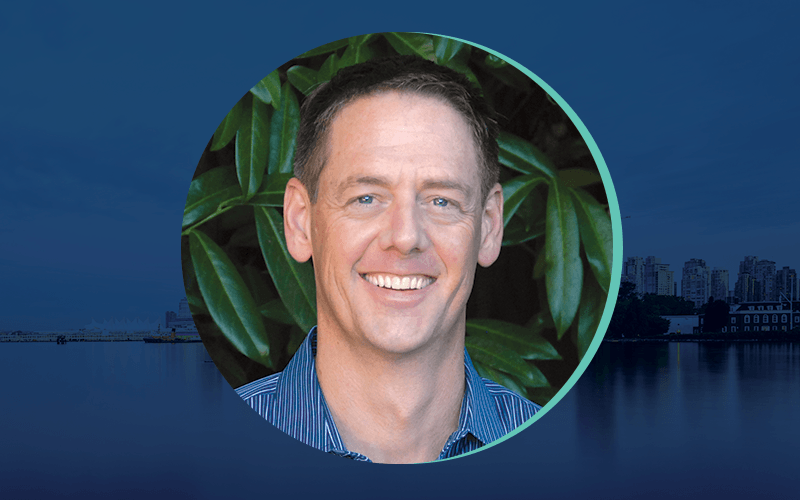
Michael Buhr
Episode
Michael Buhr is the President and CEO of Filld, the last mile mobile fueling company that delivers fuel to vehicles so...
Key takeaways
- Venture capital is not a business model—you must build a real business that generates revenue by selling goods or services that provide genuine value to customers.
- Network relentlessly when starting out, attend events with 10 to 1000 people, talk about your ideas, listen to others, and immerse yourself in understanding market trends and opportunities.
- Don't spend time solving problems you don't have yet—focus on immediate opportunities and challenges, take the first actionable step, and avoid analysis paralysis by just getting started.
- Allocate time to step away from email and daily operations to think strategically, go for walks to process challenges, and prioritize ruthlessly since startups have limited resources.
- The people around you and how you treat and empower them are what will carry you through the toughest times—build a team that can work together to solve problems collaboratively.
Transcript
Full transcript page · Interactive episode
============================================================
TRANSCRIPTION WITH SPEAKERS
============================================================

[00:00] SPEAKER_00: It's VanCoovers Podcast on the Canada's Podcast Network.
[00:28] SPEAKER_00: Cambridge House International brings you the extraordinary future conference
[00:32] SPEAKER_00: that covers today's disruptive headlines in science, technology and culture.
[00:38] SPEAKER_00: So investors can position themselves accordingly. Here's your chance to join over 2500 attendees
[00:44] SPEAKER_00: and engage investors September 22nd and 23rd at the Vancouver Convention Center West
[00:50] SPEAKER_00: for the X Future Conference and meet 100 plus leading public and private technology companies and startups.
[00:58] SPEAKER_00: Purchase tickets online and save 30% now through September 21st at Cambridge House.com.
[01:13] SPEAKER_00: Hello, this is Robert Smile coming to today with a Vancouver's Podcast, a member of the Canada's Podcast Network,
[01:19] SPEAKER_00: where we talk to the entrepreneurs who are making it happen here in Vancouver, British Columbia.
[01:24] SPEAKER_00: Michael Beer is the president and CEO of Field, the last mile mobile fueling company that delivers fuel to vehicles.
[01:33] SPEAKER_00: So drivers and fleets never have to stop for gas again.
[01:37] SPEAKER_00: Previously, he was the president and co-CEO Observe and has business and product experience in Apple, Adobe and Palm.
[01:46] SPEAKER_00: Michael holds a degree in engineering from Queens University in Kingston, Canada.
[01:51] SPEAKER_00: Well, Michael, welcome to the show. Thanks for taking the time today to be here for all our listeners.
[01:57] SPEAKER_01: Robert, it's wonderful to be here and I'm pleased to have the discussion.
[02:02] SPEAKER_00: Fantastic. Okay. Well, thanks for coming here and let's test a little bit more about yourself,
[02:08] SPEAKER_00: where you're from and give us the details on your current business.
[02:11] SPEAKER_01: Sure. So, you know, the great background is I am a Canadian.
[02:18] SPEAKER_01: I grew up in actually Ottawa and a little bit of parts of Toronto.
[02:23] SPEAKER_01: As you mentioned in the intro, I went to Queens and got an engineering degree.
[02:29] SPEAKER_01: And one of the things that I think is just incredible about Canada is I think they teach you about how to think about
[02:40] SPEAKER_01: much more than just yourself and think in a bigger picture.
[02:44] SPEAKER_01: And so I went to California. I had a great opportunity offered to me by Apple to be a product manager and I kind of jumped at the chance.
[02:52] SPEAKER_01: And it was a very unique way for me to start out really my career, my working career.
[02:59] SPEAKER_01: And it really through a sequence of just both being at the right place at the right time, working hard,
[03:06] SPEAKER_01: really enabled me to get to where I am now, which is running a pretty incredible unique business that is literally about building the last mile of retail fueling infrastructure for really the next century.
[03:22] SPEAKER_01: You know, a bunch of really interesting words in reality.
[03:26] SPEAKER_01: It's about instead of cars or vehicles going to the gas station, that we're bringing the gas to them and we're doing it away for businesses and for consumers.
[03:35] SPEAKER_01: And a much more cost efficient, much more highly effective actually safer and one that's flexible for scaling as the industry progresses and as our vehicle usage progressage.
[03:51] SPEAKER_01: Because when we look at things at a simple level for us, which is yes, it's gas today, but we're easily going to be moving into electric vehicle charging or if there are propane vehicles or if there are other sort of alternative energy vehicles.
[04:08] SPEAKER_01: We're that infrastructure that's going to enable those vehicles to really grow and meet the needs of consumers because for us, it's really about that.
[04:19] SPEAKER_01: And there's a number of different macroeconomic trends that are really helping our business.
[04:24] SPEAKER_01: And it's been a pretty unique time to be able to do this. And as you mentioned, which is we are actually very shortly going to be launching our consumer business in Vancouver.
[04:35] SPEAKER_01: But we've been in the Vancouver market now for a year with our fleet business and just having incredibly positive feedback from the customers that we serve.
[04:47] SPEAKER_00: Now, do you use an app? Is it is how is it kind of like Uber where you use an app to find out and call these guys? How do we connect to the truck to come fuel or car? How does that look like? What is that?
[05:00] SPEAKER_01: Sure. On the back end, we run a pretty complex platform. And that platform allows us to create unique customer experiences depending on who the customer is.
[05:16] SPEAKER_01: So we've got auto OEMs tying the vehicle directly to our back end. We've got fleets in connected cars tying to our back end. And then we also have the consumer tying into our platform.
[05:30] SPEAKER_01: And the consumer really has a very simple way of joining, which is for the Vancouver market. It literally is just going to fill dot CA giving us a bit.
[05:42] SPEAKER_01: You're basically your email address and your location and the rest is just handled through text messaging, which is we're basically going to text you when we're in your neighborhood.
[05:56] SPEAKER_01: And you're going to you're going to be able to get filled no matter how many cars are in your driveway will fill all of those vehicles for a very inexpensive service fee.
[06:08] SPEAKER_00: Plus whatever the price of gas is around where your vehicles are. Okay, simple that way. Okay, now did you need financing to start this company? And how do you currently make money in your business now?
[06:21] SPEAKER_01: Sure. So yes, right. We need financing. Right. So I'll and we do have financing. We have great investors and more recently, you know, great Canadian investor.
[06:31] SPEAKER_01: But really our business is in that way two things, right? So one is the vastness side and the other is is how we actually drive revenue.
[06:40] SPEAKER_01: So let me just go quick on the drive revenue, which is we really get it in three ways. One is we do make a small amount of margin on the gas itself.
[06:51] SPEAKER_01: You know, we're buying at large whole scale volume, wholesale volume. And then we're selling it at retail prices, but very similar prices that you would pay at the gas station.
[07:01] SPEAKER_01: Then we also charge a service fee. And we're very clear about those fees. You can see them before you sign up or before you order. And that fee can be really anywhere from $3 to $8.
[07:14] SPEAKER_01: But it will typically average out about about four to five dollars. And that's really to get any of those cars that you have filled either overnight or during the daytime.
[07:26] SPEAKER_01: And then the third way, and this is more of a longer term way, I would say, is through what we call out on products.
[07:33] SPEAKER_01: And on products are, while you're at my car, could you do the following things? Could you wipe my windshields? Could you change my wipers out? Could you check my tires?
[07:43] SPEAKER_01: And that's something that we sort of pilot today, but we're not quite executing against. And the reason is, is that, you know, as a startup, and then I'll talk about the financing, as a startup, you have to be really smart about resources.
[08:00] SPEAKER_01: Everybody, you know, as you build the company has great ideas, things that, oh my God, if we only had the people and the time, et cetera, to do it, we would do that.
[08:09] SPEAKER_01: But you don't. So you have to have like what I call maniacal prioritization of what you work on. And because you only have a certain amount of funding to get stuff done.
[08:17] SPEAKER_01: So for us, our prioritization is around being the best and safest fueling platform to your vehicle. And doing it in a way that's extremely convenient to you, cost effective to you, and safe.
[08:34] SPEAKER_01: And we generate revenue from that, and we also generate growth profit for the company from that. And that is a great and rapidly skimming business for us.
[08:46] SPEAKER_01: On the finance side, though, to get it going, we needed to raise money. And we most recently just announced that we raised 5 million, actually we raised 15 million in our series B.
[08:59] SPEAKER_01: And 5 million came from Parkland. Parkland fuels is a large Canadian refiner and marketer of fuel.
[09:09] SPEAKER_01: They own the brand's Ultramar, Pioneer, Chevron, and you know, they do that across Canada in their rapidly expanding across North America with some recent acquisitions of North American and Caribbean companies as well.
[09:26] SPEAKER_00: So super excited to have them as a partner. Awesome. Okay. What is the long term vision and what will your company look like in the future? Do you see the company expanding into other areas and where beyond Vancouver, BC or even Canada?
[09:41] SPEAKER_01: So I think we see three different areas of expansion for us, and they're just incredible opportunities. One is expansion on the metro side, which is, you know, we're in five cities today for in the US, one in Vancouver, Canada.
[10:02] SPEAKER_01: With Parkland, we will be adding many more Canadian cities as we roll out across Canada. We'll be doing the same in the rest of the US as well.
[10:14] SPEAKER_01: But we do it in a very thoughtful way. We're very conservative on how we roll out because we want to make sure that we do it right.
[10:23] SPEAKER_01: And we're very safety compliant, regulatory compliant, and how we do that because we know this is fuel and we're very smart about being safe and it being cost effective.
[10:35] SPEAKER_01: So we do that carefully. Metro expansion is one. The other really is product expansion, like what I just briefly mentioned, which is, hey, while we're at the vehicle, there's more things that we could add to us, how to service that vehicle.
[10:52] SPEAKER_01: That's much more long term again because we want to be incredibly good at our core competency and that's fueling vehicles.
[11:00] SPEAKER_01: And the third expansion area is really about the fuel source itself, which is the platform that we've built is what I like to call energy agnostic or fuel agnostic, which is, today it's about fueling gas to vehicles that are gas powered.
[11:16] SPEAKER_01: But as EV vehicles get more adoption, they expand more into broader and broader metros. We can be there too.
[11:27] SPEAKER_01: And support that in terms of we're also offering ED charging, mobile charging. We could come to your house, we could go to your work, we could go to your workout club, and we could charge your vehicle then.
[11:38] SPEAKER_01: And that just keeps getting added to in terms of, well, there's also hydrogen. If that was, you know, something that started to become become market demand or other alternative sources, the key part for us is really to be able to fuel a vehicle regardless of energy type and regardless of location and do it in a safe and convenient way.
[12:05] SPEAKER_01: And that's just a massive market opportunity that's being driven by incredibly large macro economic forces. It's a great opportunity.
[12:16] SPEAKER_00: Okay, great. Well, we've learned about filled and we've learned a lot about your background, but we're going to talk about doing business in Vancouver, what that looks like for you.
[12:24] SPEAKER_00: What are the biggest benefits for you and being an entrepreneur here in Vancouver, BC? I want you to give some of the good points about starting a company here.
[12:33] SPEAKER_00: I also want you to give us some of the tough things or the challenges for our listeners so they can keep it out for them.
[12:40] SPEAKER_01: Yeah, it's great, right? The trials and tribulations of entrepreneurship or really just a series of very, very high highs and very low lows at times.
[12:52] SPEAKER_01: And we encounter that in various markets as we try to grow. Amazing thing about the Vancouver market is one is it's a little more technology forward as a Canadian company.
[13:08] SPEAKER_01: And you know, sorry, as a Canadian city, the second is from a demographic perspective for what we offer.
[13:18] SPEAKER_01: If it's into the right demographic of both psychographics of what the type of people are and then demographics in terms of who they are and actual and in actuality.
[13:27] SPEAKER_01: There's a third key thing that's been incredible driving force behind us, which is just the deterioration of gas stations in the city.
[13:38] SPEAKER_01: There's one gas station left. Well, I don't need to tell you guys, but there's one gas station list left in the city of Vancouver.
[13:47] SPEAKER_01: And so for businesses and for consumers, that's a significant pain point. And that trend in Vancouver is not just a Vancouver trend.
[13:57] SPEAKER_01: It is actually a national and North American and international trend. It's just playing out in Vancouver faster than anywhere else.
[14:06] SPEAKER_01: And that's an incredible part of our opportunity in Vancouver.
[14:13] SPEAKER_01: The other thing for us is Canadians and Vancouver specific employees and customers, which is we are building a business in Vancouver.
[14:26] SPEAKER_01: We are hiring staff locally and we plan to make Vancouver just an incredible metro for us and strong part of our business.
[14:37] SPEAKER_01: That's hiring market managers, local drivers. It's creating both a strong tech workforce in Vancouver, but also creating a very strong blue collar workforce.
[14:49] SPEAKER_01: Strong benefits, all of the above. Good pay. Because that's really, really important to us.
[14:55] SPEAKER_01: And the thing about that I love about Canada and yes, I'm completely biased in my opinion is I've learned that Canadians are incredibly smart.
[15:09] SPEAKER_01: They have incredibly high EQ, right? The emotional quotient, which is really, really important to your building companies.
[15:16] SPEAKER_01: They are builders at heart, which is they really love to build things. And culture is important to them.
[15:24] SPEAKER_01: And all of those pieces are very important to me as I look to how I want to scale my business and how I want to scale my company in Vancouver.
[15:34] SPEAKER_01: And we just see that opportunity being a great place to get kind of sparks started in Vancouver.
[15:42] SPEAKER_00: Okay, now what are some challenges? What are the things that you witnessed since you've started to hear that could be considered a challenge or an issue?
[15:52] SPEAKER_00: Something that kind of stands out in your mind that would be a tough thing to get over?
[16:00] SPEAKER_01: Yeah, I think that from an entrepreneur perspective, I think the challenge that's one of the challenges, I can think of a couple that I'll go through.
[16:13] SPEAKER_01: But one of the challenges is definitely access to capital, right? Financing.
[16:18] SPEAKER_01: We are in a unique, what I consider a unique position where a Canadian company like Parkland invested in an entrepreneurial platform.
[16:29] SPEAKER_01: That is something that we find incredibly lucky in one sense to be able to do that, I think it's very fortuitous that we met at the right place right time.
[16:40] SPEAKER_01: And I see that continuing to grow in Canada. I see those types of investments continuing to grow from other companies as well.
[16:49] SPEAKER_01: But that in and of itself, I think is a challenge is access to capital in a cost effective way so that you can build your business without being burdened with a significant amount of debt as you try to grow.
[17:03] SPEAKER_01: Right? Because that any of your burdened with debt, then it's very difficult for you to actually hire and send didn't give equity to really great employees who either are local in your market like Vancouver or somewhere else across Canada.
[17:19] SPEAKER_01: So that's one of the bigger ones. The second is just the nature of being risk takers.
[17:27] SPEAKER_01: You know, I've always found again in myself, which is I'm a builder. It's why I'm helping build field. I love it so much and I find that to trade in many Canadians and in many folks in Vancouver who are friends and colleagues.
[17:44] SPEAKER_01: But we're not necessarily risk takers. And I think you see that as well. And so getting through the challenges of I want to build something, but I'm not really eager to take the risk to try to build it is kind of a catch 22 that you need to push through.
[18:03] SPEAKER_01: And what I've seen more in Vancouver and again, this goes more real positive is Vancouver, the Vancouver rights for lack of a better word actually are more innovative, focused.
[18:16] SPEAKER_01: And so the interest in taking risks is a lot higher.
[18:21] SPEAKER_00: Okay. Now we do some of our best work outside the office. Is there a place in the lower mainland close to where you live or work?
[18:28] SPEAKER_00: Do you like to go recharge or get inspired with ideas or just think about your business? And does it change with the season considering all the rain we get here?
[18:39] SPEAKER_01: So, you know what, I'm a big walker. And, you know, I do my one on ones typically walking around no matter where I am. I could be walking around the block where we are.
[18:54] SPEAKER_01: You know, office for Vancouver doesn't really matter what location I'm at, but it's about walking. And what I find is just the getting out of the office.
[19:07] SPEAKER_01: And I mean like forcing yourself to do it. Many of us just get stuck, huddled down, you know, really grinding it out day to day in the office and actually stepping outside.
[19:18] SPEAKER_01: Good does a couple of things. It reminds you that there's much more to your life than just this company and the surroundings that you're walking through help to remind you of that.
[19:30] SPEAKER_01: You know, the fresh air, your heart rate going up a little bit, the blood pumping, all of that also just helps to stimulate other ideas. And for me, particularly it helps me work through tough, tough situations.
[19:44] SPEAKER_01: And, um, where while I'm walking, I can go, oh my god, I've got, you know, 32 things I need to get done by the end of the day and by the end of my walk, I've gone, you know what, there's only these two things that in reality I need to do.
[19:57] SPEAKER_00: Right. Okay. Now, we have a lot of international listeners. So, this next question I want you to speak to them.
[20:04] SPEAKER_00: If you were to start all over again and you just moved here to Vancouver, BC, but this time you don't know anyone knowing what you know now, what would you do and how would you go about starting all over again as an entrepreneur?
[20:19] SPEAKER_01: I do two things. One is I would network network like crazy. There are, nowadays there are many different networking events connected to events, innovator events, anywhere that's from, you know, 10 people up to a thousand people.
[20:41] SPEAKER_01: And, you know, you eat is very important to get in there and start talking about what it is that you're interested in. What do you think the opportunities are?
[20:56] SPEAKER_01: Get other people's feedback. Listen to what they're doing and how they think of things. What are the macro trends in Vancouver, the thircing, where the Canadian trends, where the international trends, but from a Vancouver viewpoint.
[21:11] SPEAKER_01: And really immersing yourself in that. And it is amazing how that's actually hard to do. And for me, it was a skill that, well, I believe I'm a very personable person.
[21:28] SPEAKER_01: Actually, forcing myself to get out in network was a challenge earlier on in my career. And I think that's something that's just so critical.
[21:38] SPEAKER_01: It just opens you to a ton of different people. You make connections pretty quickly. And the next thing you know, you're invited somewhere to look at something or somebody said, hey, can you come and help me with my product or business or whatever.
[21:53] SPEAKER_01: Or you're meeting somebody that you're like, hey, why don't you come and help work on my idea, my product.
[22:02] SPEAKER_01: And that's kind of a key thing that I, if I was, you know, doing it all over again and jumping, you know, jumpstarting a van, I would do that.
[22:11] SPEAKER_01: The second one is just get going. And we can all get into analysis paralysis and, you know, try to, and this is something again that I've, I've learned throughout my career is you can think too much.
[22:29] SPEAKER_01: And you'll get to a place where you're thinking about things that aren't even a problem yet.
[22:34] SPEAKER_01: And, you know, someone somewhere in my career said, don't worry about trying to solve problems. You don't have yet.
[22:42] SPEAKER_01: And so what you're really trying to focus on is what are the opportunities or problems that immediately are today? And what could I do about them? And how do I move forward? And what's the first thing I could do?
[22:54] SPEAKER_01: You know, could I send out an email about it? Could I ask five friends about it? Could I run some test ads about it? And it doesn't take a lot of capital. It just takes a lot of grip to just get going.
[23:09] SPEAKER_01: Okay. For me, those are kind of the two things.
[23:11] SPEAKER_00: Right. Okay. Let's talk about your routine that helps you get motivated. What does the first hour look like for you when you get up in the morning? Do you have a specific routine or a ritual that helps you get motivated start your day?
[23:23] SPEAKER_01: I do. And again, something that I've learned probably in the last, you know, decade, maybe a little bit more longer than that.
[23:30] SPEAKER_01: And I'm an early morning riser. You know, I get up typically around 5.45 a.m. You know, I will get my cup of coffee, typically a pizza coffee in my house.
[23:46] SPEAKER_01: And I will purposely not open the email. I will purposely not open my laptop. And I really just open the back door and go walk outside, even if it's cold, put on a jacket.
[23:58] SPEAKER_01: And just sort of breathe in the brush air in sort of feel that either warmth or the sort of bite of the cold morning.
[24:07] SPEAKER_01: And what that does to me is it just again helps me be balanced, helps me be centered because for all of us, the in a nation of email or messaging or whatever it is is incredible.
[24:18] SPEAKER_01: And you could spend your entire life just trying to dig through email. And what you need to be able to do is send to yourself and go, OK, while I'm having that coffee, while I'm having, you know, breathing in the fresh air from outside, what are the three things that were really exciting for me from the day before?
[24:40] SPEAKER_01: And think about those. What are the three things that, you know, that I think are challenges from the day before? And how do I solve those? And then what are the three things that I need to do today to really get through?
[24:56] SPEAKER_00: OK, do you think entrepreneurs have to be weird or unique in a positive way or are wired differently?
[25:05] SPEAKER_01: No, I think they are. I think entrepreneurs are wired differently. And I do think they think differently. It's kind of what is really unique about entrepreneurs.
[25:17] SPEAKER_01: And they see things in the world or in the market that other people just don't see. You know, our founder, Scott Hempey, he saw this opportunity.
[25:30] SPEAKER_01: And you know, it really was. It was he and his wife driving down the road to LA and they were late. They were running behind and they didn't have gas in the car. And his wife literally turned into him and said, why can't we get refueled while driving on I five from, you know, from a vehicle driving beside us? And we don't have to stop.
[25:55] SPEAKER_01: What that really then led to was, hey, well, actually, why wouldn't we just get fueled before we left or, you know, before we went on the trip from Dan to Whistler, why wouldn't I just get the car filled up overnight?
[26:07] SPEAKER_01: And the great thing about entrepreneurs and while they're, why they're different is they'll actually take that, they'll ruminate on it, they'll talk with people about it.
[26:17] SPEAKER_01: And then someone along the lines, they're going to go, let's do it. And that's the big, that to me is the big inflection point of being an entrepreneur, not being an entrepreneur is taking the step to actually just go do it.
[26:32] SPEAKER_01: And more people should do that. It's an incredible feeling to do it. And it's also just a incredible thing to be really trying to explore something new.
[26:44] SPEAKER_01: Even if it doesn't work out, just by doing it, you have created a new window of your own self that allows you to view things differently because you've got a different perspective on it.
[26:57] SPEAKER_00: Okay. What books are you reading now and why are even audio books and can you recommend any books for our listeners who are also aspiring entrepreneurs?
[27:07] SPEAKER_01: Yeah, I think there are, there's a couple of books that I think are great.
[27:13] SPEAKER_01: One's that I've recently finished and one's that I probably read and then I've re-read in the last five years.
[27:21] SPEAKER_01: So one of them for me and one of my most favorite books is The Hard Thing About Hard Things by Ben Horowitz.
[27:27] SPEAKER_01: And you know, Ben is the founder of Vendryson Horowitz. He was in the early days of Netscape.
[27:36] SPEAKER_01: And The Hard Thing About Hard Things is really about what a real life sort of masters of business looks like, but where it's all done, where nothing's perfect.
[27:51] SPEAKER_01: And so it's a real life MBA book where, okay, you talk about in business school, you know, how do you go after a market, how do you execute, how do you raise money, how do you view a customer.
[28:07] SPEAKER_01: But in reality, you don't get time to think about those things. Your realities are more like, I've got two weeks of cash left in the bank to pay employees.
[28:17] SPEAKER_01: What trade-offs am I going to make so that I don't have to lay everybody off at the end of the month.
[28:24] SPEAKER_01: And this big deal that I'm about to close, I need to close it by tomorrow in order to get that done.
[28:30] SPEAKER_01: And it just gives you both a super scary view, but then an extremely exciting view of the startup life.
[28:40] SPEAKER_01: And I found that I recommend that to everybody I talk to who wants to start a company.
[28:47] SPEAKER_01: The other one for me is the Everything Store. It's Brad Stone's book about really Jeff Bezos and how he started Amazon.
[28:54] SPEAKER_01: And that's just a unique look into an incredibly, you know, one of, you know, if not the most successful entrepreneurs in my lifetime.
[29:08] SPEAKER_01: And how he thinks. And there's somebody who thinks differently and who thinks about things in a way and at a scale that I'm not sure if you weren't already at that scale, how you could think that way.
[29:21] SPEAKER_01: He, when he was starting Amazon, thought about Amazon the way it is today in that scale and that size.
[29:28] SPEAKER_01: And how, you know, how brush is a young entrepreneur to be thinking that way.
[29:33] SPEAKER_01: But at the same time, that's why he's an incredibly successful entrepreneur.
[29:39] SPEAKER_01: The last one, you got to read the Steve Jobs book by Walter Isaacson.
[29:44] SPEAKER_01: It's just a great insight into another incredible, unique, gifted genius in a market that is completely different than anyone else.
[29:54] SPEAKER_00: Okay, what online or offline tools do you use on a daily basis?
[30:02] SPEAKER_01: So I'm a big kind of aggregator just in terms of news and really the way I do it is probably in three channels for me.
[30:13] SPEAKER_01: One is really just the Apple News reader that's both on my iPhone and then on my MacBook.
[30:23] SPEAKER_01: And I really use that to track more general broad, you know, broad things that are going on in the world, right?
[30:32] SPEAKER_01: Or local and the Vancouver market or local McCain market for that.
[30:36] SPEAKER_01: The second for me is sort of what I would say one degree or actually more than one degree.
[30:43] SPEAKER_01: Many degrees more specific, which is Twitter.
[30:46] SPEAKER_01: So I use Twitter a lot to really have unique insights by social media content producers who I think are interesting.
[30:59] SPEAKER_01: Or news outlets that, you know, tweet out or are very interesting, different approaches on how they think about the market or how they think about companies.
[31:12] SPEAKER_01: And then the last one for me is LinkedIn.
[31:16] SPEAKER_01: The linked one in one is interesting because it's really about a network of people that you know but in a very tight business context.
[31:25] SPEAKER_01: And not only is it, you know, a modern day version of business card swapping, but it's much, much more than that because there is great content and insights that people share.
[31:38] SPEAKER_01: And this is again why, you know, if you're starting out new network like crazy because then start getting, you know, kept it on LinkedIn, you're going to start seeing things that are associated with that particular person.
[31:51] SPEAKER_01: And that particular person's contacts from a business perspective hugely valuable.
[31:58] SPEAKER_00: If you weren't doing what you do now, what would you like to do for a profession?
[32:04] SPEAKER_01: I'd love to be a teacher.
[32:07] SPEAKER_01: You know, it's one of those, you know, if I had all the money that I could be comfortable with my family, I would love to go be a teacher.
[32:19] SPEAKER_01: And I think that there is a ton of opportunity for us to better educate our youth.
[32:29] SPEAKER_01: I think that there is nothing like real world experience as part of that education.
[32:37] SPEAKER_01: And I think the way many educational institutions have, you know, really adopted, you know, programs where you're doing internships, real world business internships, while you're part of being educated.
[32:54] SPEAKER_01: I would like to get involved with that and help share some of my learnings in a probably a more constructed and formulated way to help others just think about things in a different way.
[33:07] SPEAKER_00: What kind of job would you not like to do? Couldn't do it.
[33:13] SPEAKER_01: I could not be, you know, somebody who's in a think tank, like a thought leader type of job.
[33:21] SPEAKER_01: You know, I have, I'm a doer. I'm a builder. I'm a doer. I've got to, you know, think about strategy.
[33:28] SPEAKER_01: Think about the people I need to get the strategy done and execute like crazy.
[33:32] SPEAKER_01: And I love doing that. And so if there's an environment that I'm in, where it's about, you know, long term thinking all day long, I go crazy.
[33:45] SPEAKER_01: And so I try to ensure that it's still important to me.
[33:50] SPEAKER_01: So, you know, one of the skills I learned throughout my career is, you know, every, roughly every Friday, I allocate one to two hours on my calendar blocked off to think strategically.
[34:01] SPEAKER_01: Not to get buried and mired in the details, but to think strategically because I know I need to do that for just a clear view of where we're going.
[34:10] SPEAKER_01: But I couldn't do that as a full-time job.
[34:13] SPEAKER_00: In business, what is your favorite word, quote, or sentence that you like to use?
[34:20] SPEAKER_01: There's two of them. One, I have, one I've used for a while and it was sort of an experience out of a startup.
[34:27] SPEAKER_01: My own startup that it did close to 20 years ago, which is that venture money or financing is not a business model, which is really about you actually have to understand and build a business for this to work.
[34:45] SPEAKER_01: You need to make money and you need to sell a good or service that's worth something and get return value for it.
[34:54] SPEAKER_01: And so, you know, people get excited about, you know, raising money.
[34:59] SPEAKER_01: That's not really what the exciting part is. The exciting part is who are the people that you brought on board that can help you really go execute and turn it into a real business.
[35:08] SPEAKER_01: The next one is one that's sort of been brought up more recently as you sort of go through the different ups and downs of startup life, which is an early startup is a series of near-death experiences, right?
[35:27] SPEAKER_01: Which is every time you survive one, you're better for it and you're that much closer to being a success.
[35:37] SPEAKER_01: And that is because, you know, one of the things that as you build a company I've learned that is extremely important are the people that you have around you.
[35:49] SPEAKER_01: And it's the people and how you treat them and how you empower them. Those are the things that will last through when things get challenging that help you get through super tough times and onto the next thing.
[36:04] SPEAKER_01: It's not who is the smartest person in the world or in the room I should say. It is about people who are smart, who can work together as a team to solve a problem and work through it.
[36:15] SPEAKER_01: Because then you have the opportunity to do it again another day and take all those learnings you just went through and apply it to growing the company.
[36:23] SPEAKER_00: What is your least favorite word of sentence you do not like to hear?
[36:29] SPEAKER_01: Oh, wow. There's probably a whole bunch of idioms that, you know, people say, I probably, it's the things like, oh, this is a win-win.
[36:40] SPEAKER_01: Things that are, you know, more like platitudes or they really aren't saying much at all in those bothers me.
[36:50] SPEAKER_01: Because what I find is when things like that are being said, sort of the person is probably not really listening to the conversation or they're quite frankly not really interested in what you have to say.
[37:04] SPEAKER_00: Okay, if you had to pick one or two words to describe yourself, what would it be and why?
[37:11] SPEAKER_01: I would say first word is passionate. One of the things for me is when I get involved with, you know, a company or get involved with people, it's typically because I am passionate about what is going on.
[37:32] SPEAKER_01: I'm right passionate about the market, passionate about the product, passionate about the team, the people, etc.
[37:36] SPEAKER_01: And so that for me is strong on the passion side.
[37:40] SPEAKER_01: The second one for me would be kind of an executor.
[37:47] SPEAKER_01: Really my sort of skill that I've learned over the years is to go from the passion to the strategy to the execution.
[37:54] SPEAKER_01: Because at the end of the day, you have to get stuff done to move forward to again, apply the learnings of today into tomorrow.
[38:03] SPEAKER_01: And that's all about execution.
[38:05] SPEAKER_00: What keeps you up at night if anything?
[38:09] SPEAKER_01: You know, it's a great question. I think that it really is, it's about, you know, really replaying the days of events in my mind.
[38:21] SPEAKER_01: And you know, this is something that, you know, I continue to work on myself as a leader is, how do I let the things of the day go?
[38:35] SPEAKER_01: Because, you know, in re...
[38:43] SPEAKER_01: Robert, you're still there. I'm all done.
[38:44] SPEAKER_00: Yeah, good.
[38:45] SPEAKER_00: No, no, no.
[38:46] SPEAKER_01: No, no, no.
[38:46] SPEAKER_01: So, again, what I think is the piece there for me is it's trying to let go of all the things of the day so that I can sort of let everything go.
[38:58] SPEAKER_01: And the walking outside piece in the morning, the walking around during the daytime, those are the things that are helpful so that I can sleep at night.
[39:08] SPEAKER_00: Okay, I want you to give us the top three things on your inspired lifeless. This can be whether or not you want to travel more, you want to write a book, TEDx Talk, philanthropy, anything like that?
[39:19] SPEAKER_01: I think that, you know, one big one for me is travel. You know, more recently, as my kids have grown up, my wife and I have the opportunity to travel much more.
[39:28] SPEAKER_01: We were just in Copenhagen over in Europe about a month ago. And I am always...
[39:35] SPEAKER_01: It's one of the things that you get as a Canadian, as a perspective about the world is much bigger than just Canada.
[39:42] SPEAKER_01: And that is something that I feel blessed with, and that is something I want to do more of.
[39:46] SPEAKER_01: I want to travel more. I want to go explore new countries. I want to learn new things.
[39:51] SPEAKER_01: Because I try to approach every day as a learning experience.
[39:54] SPEAKER_01: The second one really is sort of what you ask me, which is, what would I love to be doing? And that is the teaching part.
[40:02] SPEAKER_01: You know, I would love to be able to travel and be able to teach in some way, shape, or form.
[40:09] SPEAKER_00: Okay, do you have any advice that you may have received that you can pass on to entrepreneur Swarovic Columbia?
[40:16] SPEAKER_01: I think the key one is just go do it.
[40:23] SPEAKER_01: You spend, people spend too much time thinking, you know, should I, should I not? Well, what about this? What about that?
[40:31] SPEAKER_01: Just go do it. And that's the biggest hurdle you have to get through is just take the next step.
[40:40] SPEAKER_01: And you're, it's amazing how once you do that, the next step after that gets a little bit easier and a little bit easier.
[40:46] SPEAKER_01: And the next thing you know, you're building a company or building a service or building a product or, you know, building a great service network.
[40:56] SPEAKER_01: But take the step, just do it.
[40:59] SPEAKER_00: Okay, Michael, are you ready to have some fun?
[41:02] SPEAKER_00: Yes.
[41:04] SPEAKER_00: Okay, there's a small tropical island, just off Fiji, it only has one phone booth there. There is no internet. This place does exist.
[41:12] SPEAKER_00: We're going to drop you off there. You won't have a computer or a smartphone or tablet. You can use the phone booth located there to call a boat.
[41:19] SPEAKER_00: We'll come pick you up.
[41:21] SPEAKER_00: How long would you last before you made that call? And what would you do while you were there?
[41:27] SPEAKER_01: It would be three months.
[41:30] SPEAKER_01: This is like a very quick answer, but it's kind of funny because I know the way I work.
[41:36] SPEAKER_01: And the way I work is I would spend the first 30 days just trying to let everything go.
[41:42] SPEAKER_01: Like just trying to, I wouldn't go anywhere near the phone. I wouldn't care. I would swim.
[41:48] SPEAKER_01: I'd walk around the island, but I would be spending that time trying to just let everything go.
[41:58] SPEAKER_01: Then the next 30 days after that, I would start thinking about, what else could I be doing?
[42:07] SPEAKER_01: I might make, you know, if it was possible to not make phone calls that were just to come pick me up, but to go explore things I might call people to think about ideas.
[42:18] SPEAKER_01: I could do that probably for 30 days.
[42:20] SPEAKER_01: But last 30 days, I would be antsy and anxious about, I'm wasting time, I need to go do something.
[42:29] SPEAKER_01: I'd be calling every day for the boat to come pick me up.
[42:33] SPEAKER_00: Okay, and we come each right away, so you'd be at about two months or after the two-and-a-half months.
[42:39] SPEAKER_00: Okay, we're going to wrap things up. How can our listeners get whole of you?
[42:43] SPEAKER_00: And is there anything you'd like to add before you leave us today?
[42:48] SPEAKER_01: Sure, so one, what I'd love to add is to say thank you for spending the time.
[42:53] SPEAKER_01: I love the conversation and I'm very appreciative of being asked to do it.
[42:59] SPEAKER_01: First, you know, the one thing I would leave everyone with is, you know, being an entrepreneur and doing something that's unique isn't as hard as people think.
[43:11] SPEAKER_01: I don't consider myself a visionary, I don't consider myself quite frankly at times, I don't consider myself an entrepreneur.
[43:19] SPEAKER_01: But I do consider myself as somebody that is very eager to learn new things and take the next step.
[43:28] SPEAKER_01: And while I'm doing that, I am hopefully bringing other people along with me and I'm learning from others.
[43:34] SPEAKER_01: And in some way, shape or form, I'm hopeful that I'm contributing back to society in a positive way.
[43:42] SPEAKER_00: Okay, well Michael, thank you for coming on the show. I've learned a lot about you and I'm sure listeners have as well.
[43:48] SPEAKER_01: Robert, a pleasure, thank you.
[43:50] SPEAKER_00: Okay, we'll see you next time.
[43:56] SPEAKER_00: Hey there, thanks for taking the time today to listen to Vancouver's podcast on the Canada's podcast network.
[44:02] SPEAKER_00: We hope you enjoyed this show today. Make sure you sign up for our new letters and write a review for us on iTunes.
[44:08] SPEAKER_00: And then connect with us on Twitter, Facebook, Instagram and LinkedIn at Canada's podcast.
[44:13] SPEAKER_00: You can also check out what other entrepreneurs are doing across the country. See you next time.