
Mark C. Smith
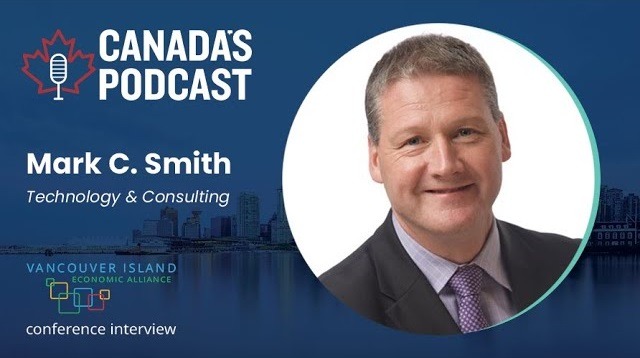
Episode
Mark C. Smith is the President and CEO of Query Technologies Corp., Query CX, a boutique customer experience consultancy and Query...
Key takeaways
- Customer experience is about the entire journey before, during, and after interaction with your business, not just the moment of service.
- Companies should focus on consistent delivery and improving internal processes before investing in technology solutions.
- The single biggest pain point for most customers is often in unexpected areas like billing departments, not the core product or service.
- Building a scalable business requires shifting from organic growth mindset to intentionally planning for scale from the beginning.
- Regional economic success comes from open collaboration and transparent conversations between businesses, municipalities, and organizations working together on common challenges.
Transcript
Full transcript page · Interactive episode
============================================================
TRANSCRIPTION WITH SPEAKERS
============================================================

[00:00] SPEAKER_00: It's Vancouver's podcast on the Canada's podcast network.
[00:04] SPEAKER_00: Hi, this is Angela Barnard coming to you from Canada's podcast at the Vancouver Island
[00:08] SPEAKER_00: Economic Summit.
[00:10] SPEAKER_00: I'm super excited to have Mark Smith here from Query Technologies Corporation.
[00:15] SPEAKER_00: So let's get straight into it.
[00:17] SPEAKER_00: Mark tell me a little bit about your entrepreneurial journey.
[00:20] SPEAKER_01: It's a long one and it didn't start out as an entrepreneurial path.
[00:25] SPEAKER_01: I actually started out in the music industry.
[00:29] SPEAKER_01: Oh, and I quickly, it was probably my best business lessons in life.
[00:34] SPEAKER_01: Came out of that industry.
[00:35] SPEAKER_01: Wow.
[00:35] SPEAKER_01: Unbeknownst to me, but I was on a path to basically earn a lot of money by the time.
[00:40] SPEAKER_01: I was 30 and of course life changed.
[00:44] SPEAKER_01: I ended up in another business because I thought that could get me there working for somebody
[00:47] SPEAKER_01: and about a year into that in a discussion with the owner of that company at the time.
[00:53] SPEAKER_01: After about 20 minutes, I realized that I had talked myself out of a job and found my first
[00:58] SPEAKER_01: investor into my first company.
[01:01] SPEAKER_01: So that worked out okay.
[01:03] SPEAKER_01: I was in that business for about three years.
[01:04] SPEAKER_01: Well, part of the details, it was where the office product sector and it was because I'm
[01:11] SPEAKER_01: dating myself because I'm old.
[01:12] SPEAKER_01: It was in Vancouver and I just done a deal for private label products for my products.
[01:18] SPEAKER_01: And I was standing in Costco and Lake City in Burnaby, which was the first Costco in
[01:22] SPEAKER_01: Western Canada.
[01:23] SPEAKER_01: And I'm looking up on the shelf and they're selling copy paper for better than the wholesale
[01:27] SPEAKER_01: deal I had cut.
[01:29] SPEAKER_01: So it was just before the big box revolution and I went, I don't think this is going to end
[01:33] SPEAKER_01: well.
[01:34] SPEAKER_01: So I sold my business, had an opportunity to come to Vancouver Island on August 1st,
[01:39] SPEAKER_01: 1995.
[01:40] SPEAKER_01: I'm still here.
[01:41] SPEAKER_01: Wasn't sure I was doing some consulting at the time, looked around my wheelhouse as really
[01:46] SPEAKER_01: business development, met a whole bunch of people in an emerging technology space in Victoria,
[01:51] SPEAKER_01: put together a business consultancy, helping tech products really get to market.
[01:56] SPEAKER_01: And I was there paying from software and a consulting, did that for 10 years, ended
[02:00] SPEAKER_01: up back in the private sector, another long story for about 10 years.
[02:04] SPEAKER_01: A few years back, it's like, no, this is all great.
[02:07] SPEAKER_01: I was digging the paycheck, but it's like this was not me.
[02:09] SPEAKER_01: So I wanted to go back out, which is exactly what I did.
[02:12] SPEAKER_01: So we fired up query technologies corp about four years ago.
[02:16] SPEAKER_01: The vision was because I lived that dream of building software and raising the money and
[02:20] SPEAKER_01: crossing your fingers and hoping you make it up.
[02:22] SPEAKER_01: I wanted to get that investment back.
[02:24] SPEAKER_01: Technology's changed, agile build, you could do things collaboratively with customers,
[02:29] SPEAKER_01: a whole bunch of different circumstance.
[02:31] SPEAKER_01: So the vision was that we would identify opportunities, but we would partner up with joint venture
[02:35] SPEAKER_01: with companies.
[02:36] SPEAKER_01: So we'd own and control some of the intellectual property, but we were taking all of the risk.
[02:42] SPEAKER_01: Like any other business, it always takes longer to get to that market and along the way.
[02:47] SPEAKER_01: And because I'm lucky enough to have a pretty extensive network on Vancouver Island, lots
[02:51] SPEAKER_01: of folks that I know started me asking, hey, are you still doing consulting?
[02:54] SPEAKER_01: And it's like, no, but I'm a startup business and cash flow always is okay.
[02:59] SPEAKER_01: So we went down that path, but as opposed to going out in the traditional world of consulting
[03:05] SPEAKER_01: and define that anyway to see fit, we led with customer experience.
[03:09] SPEAKER_01: So I've really built, really, up North American network, part of this thing called the CX
[03:14] SPEAKER_01: accelerated mash field, which is a whole group of thought leaders in the customer experience
[03:18] SPEAKER_01: space.
[03:19] SPEAKER_01: And as a result of that, all of the products and tools that we're building, we're designing
[03:24] SPEAKER_01: to support those efforts.
[03:25] SPEAKER_01: And at the end of the day, customer experience is really an emerging piece specifically
[03:30] SPEAKER_01: in Canada.
[03:32] SPEAKER_01: Companies don't necessarily have it on their agenda.
[03:35] SPEAKER_01: They don't necessarily have the resource to hire achieve customer officers.
[03:38] SPEAKER_01: So we can kind of fit the bill in Canada.
[03:40] SPEAKER_01: And then we come along and our job is as opposed to consult, is to coach and train in a perfect
[03:45] SPEAKER_01: world and leave some of our tools behind the drive value.
[03:48] SPEAKER_01: So that's the background.
[03:50] SPEAKER_00: So let's talk about an applied application.
[03:53] SPEAKER_00: Can you talk about, are you allowed to talk about one of the companies that you're working
[03:56] SPEAKER_00: with?
[03:56] SPEAKER_00: Absolutely.
[03:56] SPEAKER_00: And you have some idea to what it is that you're producing?
[03:59] SPEAKER_00: Yeah.
[03:59] SPEAKER_01: So we're involved with a company out of San Francisco, Drisha May I.
[04:04] SPEAKER_01: Drisha is San Script for Vision.
[04:07] SPEAKER_01: That's where the name of that company.
[04:08] SPEAKER_01: And I would like to know that background because I asked that.
[04:10] SPEAKER_01: I had no idea what that meant.
[04:12] SPEAKER_01: And my partners, folks we're working with in San Francisco would say that we're in
[04:16] SPEAKER_01: the machine learning space.
[04:17] SPEAKER_01: AI, you can wrap whatever you want to do around that.
[04:21] SPEAKER_01: The genesis of the idea was really taken from facial recognition software.
[04:26] SPEAKER_01: We've taken it one step further.
[04:28] SPEAKER_01: We're in the product identification space.
[04:31] SPEAKER_01: So imagine you have a top and you can just hold up that.
[04:34] SPEAKER_01: We can take a picture and we can automatically tell you what that product number is.
[04:39] SPEAKER_01: It erases two.
[04:41] Speaker UNKNOWN:
[04:41] SPEAKER_01: As imagine if it was a top, hypothetically.
[04:43] SPEAKER_01: And I'm saying that because we have a large enterprise brand that I can't talk about as
[04:49] SPEAKER_01: a customer.
[04:50] SPEAKER_01: But they're monumental.
[04:52] SPEAKER_01: But now so we can take a picture, tell you what the product is.
[04:56] SPEAKER_01: If you were the plumber, you could also give you the parts list because you might know
[05:00] SPEAKER_01: that I need to fix this but I might need the cartridge.
[05:02] SPEAKER_01: And when you're running the home depot.
[05:03] SPEAKER_01: So the product identification space, where the classic startup that had a clear path on
[05:09] SPEAKER_01: it, we were going to chase a healthcare market because our co-founder came out of the healthcare
[05:13] SPEAKER_01: vertical.
[05:14] SPEAKER_01: We saw this whole big opportunity.
[05:16] SPEAKER_01: Somebody knew somebody who knew somebody.
[05:18] SPEAKER_01: They were in the plumbing industry.
[05:19] SPEAKER_01: They went, hey, we believe you could solve this problem and to tie it all back to the
[05:24] SPEAKER_01: customer experience space.
[05:26] SPEAKER_01: At the end of the day, this particular company, big company, has lots of metrics, knows
[05:32] SPEAKER_01: all of their costing.
[05:34] SPEAKER_01: When you call in, they're call center and they now go, hey, by the way, because they know
[05:38] SPEAKER_01: they spent seven to ten minutes trying to figure out what we're talking about.
[05:41] SPEAKER_01: Now they just go, hey, do you have a smart phone?
[05:44] SPEAKER_01: And you go, yep.
[05:45] SPEAKER_01: And you can now shoot the mini-image.
[05:47] SPEAKER_01: And on average, we took three minutes, almost three minutes off a phone call.
[05:51] SPEAKER_01: So our business case is actually, we're not a cost.
[05:55] SPEAKER_01: We're time saving, better customer experience, so all of that.
[05:57] SPEAKER_01: So there's the call for thread.
[05:59] SPEAKER_01: We can tie all that back.
[06:00] SPEAKER_01: So we actually don't go and talk about technology.
[06:02] SPEAKER_01: It's about, hey, we're trying to improve the lives of your customers.
[06:05] SPEAKER_01: How do you make it easier to do business with you?
[06:07] SPEAKER_00: So you talk about, you have a client that we can't talk about, but who's big corporate?
[06:11] SPEAKER_01: Yep, correct.
[06:12] SPEAKER_00: How can that translate into, say, small business, medium-sized business, you know,
[06:18] SPEAKER_00: the product specifically?
[06:19] SPEAKER_00: No, you're the customer experience.
[06:21] SPEAKER_00: Do I have saving technology that you're building?
[06:25] SPEAKER_00: How can it be relevant to you?
[06:27] SPEAKER_00: Well, I think, Sample, I would play out.
[06:29] SPEAKER_01: Well, I think it applies to all business.
[06:32] SPEAKER_01: Because when I say customer experience, and I start talking to folks, and the technology
[06:36] SPEAKER_01: standpoint is they're thinking, oh, it's my point of sale system or it's, you know,
[06:39] SPEAKER_01: some inventory management system.
[06:42] SPEAKER_01: First and foremost, customer experience is much higher level than customer service.
[06:46] SPEAKER_01: So it's about people thinking about your brand, even before they get to your store or
[06:50] SPEAKER_01: form your business, and it's the after.
[06:52] SPEAKER_01: So I've done this, and if there's required, or hey, I had this great experience, I'm
[06:56] SPEAKER_01: going to go tell my friends.
[06:58] SPEAKER_01: We often get into organizations, and they think the problems here.
[07:02] SPEAKER_01: But then all of a sudden, it's like, well, if we could fix this.
[07:05] SPEAKER_01: And interestingly enough, we spend a lot of time fixing billing departments and helping
[07:11] Speaker UNKNOWN:
[07:11] SPEAKER_01: Sure.
[07:11] SPEAKER_01: Because there, when you actually start to talk to people in their organization, but they're
[07:16] SPEAKER_01: customers.
[07:17] SPEAKER_01: Nine times out of ten, they're single biggest pain point, but the company is think about
[07:21] SPEAKER_01: cell phone companies.
[07:23] SPEAKER_01: I can't figure out my bill.
[07:25] SPEAKER_01: I spent, we've all spent hours with providers who shall remain unnamed.
[07:28] SPEAKER_01: And it's like, when I get the supervisor on the phone and you can't explain your bill
[07:33] SPEAKER_01: to me, don't you think that's the one you're going to be doing?
[07:34] SPEAKER_01: That's a problem for your customers.
[07:36] SPEAKER_01: Right.
[07:36] SPEAKER_01: Yeah.
[07:37] SPEAKER_00: Right.
[07:38] SPEAKER_01: So I think it's everywhere.
[07:40] SPEAKER_00: What I love about kind of your approach in business for a career is that you're coming
[07:44] SPEAKER_00: from the customer experience lens, right?
[07:46] SPEAKER_00: Which is, if you could translate it to every business to comfort about, okay, so internally,
[07:51] SPEAKER_00: functionally, technically, we have these issues to run the business.
[07:55] SPEAKER_00: But we're trying to wow the customer right at the end of the day.
[07:58] SPEAKER_00: That's the, if we have a great customer experience, you don't have to worry about competing,
[08:03] SPEAKER_00: right?
[08:04] SPEAKER_00: You don't have to worry about value.
[08:05] SPEAKER_00: The value proposition is in the experience for you.
[08:08] SPEAKER_00: So I love that.
[08:09] SPEAKER_00: I love that.
[08:09] SPEAKER_01: I am going to, and I'm going to challenge you on your call, because you're bang on, but
[08:14] SPEAKER_01: it's interesting that you utilize that terminology while the customer.
[08:18] SPEAKER_01: And I say to our clients all the time, you know, if I go into Starbucks this morning, and
[08:24] SPEAKER_01: they know my name because they happen to, when I go to all the time, and I walk in, and
[08:28] SPEAKER_01: I have that great experience because that breeze that knows me and all of that, that's
[08:33] SPEAKER_01: fantastic.
[08:34] SPEAKER_01: What studies show big business, little business, what companies, customers really want, maybe
[08:39] SPEAKER_01: the coffee is a bad example, is for companies to be consistent all the time.
[08:43] SPEAKER_01: Yes.
[08:44] SPEAKER_00: Yes.
[08:45] SPEAKER_01: And where we hang in, when you start taking process behind that, it's as simple as I can talk
[08:50] SPEAKER_01: to somebody and they go, why would the Starbucks today?
[08:53] SPEAKER_01: And I always get a pint of these drugs.
[08:54] SPEAKER_01: Always start a great coffee.
[08:56] SPEAKER_01: But they were out today.
[08:57] SPEAKER_01: So of that particular brand or that blend.
[09:01] SPEAKER_01: So it's like, so is that the breeze is fault.
[09:04] SPEAKER_01: And when you then look organizationally, it's like, well, actually, their systems are
[09:07] SPEAKER_01: automated to order.
[09:08] SPEAKER_01: So maybe they're out at the warehouse.
[09:10] SPEAKER_01: Maybe the guy forgot to place the order.
[09:12] SPEAKER_01: So you can go all the way through the company.
[09:14] SPEAKER_01: So in the experience piece, all of the touch points before you get there.
[09:20] SPEAKER_01: And after, that makes up the whole experience.
[09:22] SPEAKER_01: Because when you study, there's this amazing study over there, for us to research did.
[09:27] SPEAKER_01: And every year, they take 500 of the top companies that are leaders in their verticals and sectors.
[09:33] SPEAKER_01: And they talk to the CEOs and they go, how's everything going?
[09:36] SPEAKER_01: Oh, it's fantastic.
[09:37] SPEAKER_01: How are your customers that is factional?
[09:38] SPEAKER_01: Oh, it's fantastic.
[09:39] SPEAKER_01: And every year, it's like, they guesstimate 85% to 90% of their customers are ecstatic.
[09:45] SPEAKER_01: And then they take 1,000 of those companies, talk customers and basically ask them the
[09:52] SPEAKER_01: same question.
[09:53] SPEAKER_00: And?
[09:53] SPEAKER_01: And on average, it's like less than 10%.
[09:56] SPEAKER_01: And there is, it's only this portal for us to have.
[09:59] SPEAKER_00: And the perception is totally good.
[10:02] SPEAKER_00: So great.
[10:02] SPEAKER_01: And I just want to end.
[10:04] SPEAKER_01: But to jump in on our approach, and it's interesting, as a tech company, and we are, we actually,
[10:10] SPEAKER_01: the technology is at the end.
[10:11] SPEAKER_01: We go in and our value proposition is we're going to look at your people, your processes.
[10:17] SPEAKER_01: And if you can't show us how the process is going to work, don't try and automate it.
[10:20] SPEAKER_01: The technology is always at the end.
[10:22] SPEAKER_01: And the people piece, if you don't have the leadership, your organization is right,
[10:27] SPEAKER_01: because when we show up and somebody says, oh my god, they're going to, they're going
[10:30] SPEAKER_01: to fix the billing department.
[10:32] SPEAKER_01: The whole accounting team goes, three people are going.
[10:35] SPEAKER_01: No, no, no, no.
[10:35] SPEAKER_01: What my job is is we're going to fix the billing department, but I'm going to give you
[10:39] SPEAKER_01: four hours back this week that you can be more productive.
[10:43] Speaker UNKNOWN:
[10:43] SPEAKER_01: So it's that, that piece.
[10:45] SPEAKER_00: Increasing productivity.
[10:46] SPEAKER_00: 100%.
[10:46] SPEAKER_00: Bang on.
[10:47] SPEAKER_00: So you're four years in, right?
[10:49] SPEAKER_00: Yeah.
[10:49] SPEAKER_00: Tell me a little bit about your team size, how you work.
[10:52] SPEAKER_00: Where you work?
[10:53] SPEAKER_01: Well, we started out as we're up to three or four consultants, contractors.
[10:59] SPEAKER_01: We do very specific projects and we have some fantastic customers that if you were to
[11:05] SPEAKER_01: told me two years ago, we'd have a customer because they're big companies.
[11:09] SPEAKER_01: Right.
[11:10] SPEAKER_01: Which by the way, for the most part, are already doing a great job, but recognize we
[11:15] SPEAKER_01: can do better as opposed to trying to get the ones that we think need to help, but aren't
[11:19] SPEAKER_01: quite ready.
[11:20] SPEAKER_01: And yeah, we're here.
[11:21] SPEAKER_01: Oh, you know, in six or twelve months.
[11:22] SPEAKER_01: Where's that tipping point?
[11:23] SPEAKER_00: Is it companies want to do better?
[11:25] SPEAKER_00: And where is that tipping point for that company that goes?
[11:29] SPEAKER_00: I know what I don't know what I don't know.
[11:31] SPEAKER_00: I don't know.
[11:32] SPEAKER_01: I know the answer to that.
[11:33] SPEAKER_01: I'd have a lot more cash.
[11:35] SPEAKER_01: But I think honestly, like on a serious note, when you talk to these, and I'm getting bolder
[11:40] SPEAKER_01: in my journey with customers because I'll talk with CEOs, leadership teams, and then you'll
[11:45] SPEAKER_01: ask some of those questions.
[11:46] SPEAKER_01: And I always hear, you know what, Mark, we love all those things because you talk about
[11:49] SPEAKER_01: profitability, customer churn, employee engagement, all, we get hit all the boxes.
[11:55] SPEAKER_01: We love what you're saying.
[11:56] SPEAKER_01: And in six to twelve months, we'll be ready.
[11:59] SPEAKER_01: Because they're in the middle of this big bribe.
[12:00] SPEAKER_01: We all live that dream.
[12:02] SPEAKER_01: I'm now bold and I go, I don't think you're ever going to be ready.
[12:05] SPEAKER_01: And sometimes I really offend people.
[12:07] SPEAKER_01: It's like, well, you don't understand.
[12:09] SPEAKER_01: It's like, no, I get it.
[12:11] SPEAKER_01: The challenge is that these companies will often do this.
[12:14] SPEAKER_01: The graph goes like this.
[12:15] SPEAKER_01: And all of a sudden, we're there.
[12:16] SPEAKER_01: And it's not like they're not making money.
[12:17] SPEAKER_01: They're doing all that.
[12:19] SPEAKER_01: But what if there's such a focus on, and myself included, did you come from that sales?
[12:24] SPEAKER_01: We got to keep driving revenue.
[12:25] SPEAKER_01: We got to keep growing the company.
[12:27] SPEAKER_01: What people don't realize is like, what if you can improve efficiencies and add one or
[12:32] SPEAKER_01: two percent on the bottom line, then watch what happens.
[12:35] SPEAKER_01: Right.
[12:35] SPEAKER_01: All these other formulas kick in.
[12:38] SPEAKER_00: So it's a bit of growth by not just projectory, but by cost cutting.
[12:43] SPEAKER_01: Correct.
[12:43] SPEAKER_00: Right.
[12:44] SPEAKER_00: And time saving.
[12:45] Speaker UNKNOWN:
[12:45] SPEAKER_01: So back, because I didn't say I avoided.
[12:48] SPEAKER_01: I skirted your question.
[12:49] SPEAKER_01: On team size, we started out with really some marketing people and some subject matter
[12:54] SPEAKER_01: experts.
[12:55] SPEAKER_01: The problem is when I engage in a customer and it's a very specific thing.
[12:58] SPEAKER_01: I need a very specific sales set.
[13:01] SPEAKER_01: Most of those people that are really good in that space, I can't afford to have full
[13:05] SPEAKER_01: time.
[13:05] SPEAKER_01: And they don't want to work for me full time.
[13:07] SPEAKER_01: So we went from this vision of building this out to really, I have on our website,
[13:13] SPEAKER_01: QueryCX.
[13:14] SPEAKER_01: You will see we've built what we call Query Collaborators.
[13:17] SPEAKER_01: So I have from the top of the one, there's an organization called the Customer Experience
[13:22] SPEAKER_01: Professionals Association.
[13:23] SPEAKER_01: It's the who's who in that industry, the incoming chair of the board, she's on our advisory.
[13:29] SPEAKER_01: So we've got people that have, they come from the big world.
[13:32] SPEAKER_01: We draw on their expertise to help drive our business.
[13:36] SPEAKER_01: But then we have local practitioners that we can burn in as and when and that affords
[13:41] SPEAKER_01: it's the opportunity to focus on the product road maps on the team.
[13:46] SPEAKER_01: And I started up with an office, had all that stuff in Victoria.
[13:48] SPEAKER_01: And now I'm back working out of home.
[13:50] SPEAKER_01: And part of the reason I had the office was, wasn't even about building the team in the
[13:53] SPEAKER_01: capacity.
[13:54] SPEAKER_01: We had the beautiful border when we had all of that.
[13:56] SPEAKER_01: And it's like, oh, nobody's over here.
[13:57] SPEAKER_01: Right.
[13:58] SPEAKER_01: And I love my personal because of how my life runs.
[14:02] SPEAKER_01: I like to kind of have the office to go to because I always think about it.
[14:06] SPEAKER_01: Get out of home.
[14:06] Speaker UNKNOWN: Get out of home.
[14:07] Speaker UNKNOWN: Get out of home.
[14:07] SPEAKER_00: Get out of home.
[14:09] SPEAKER_01: Get out of home.
[14:09] SPEAKER_01: I know we were sitting on my couch one night.
[14:11] SPEAKER_01: I was kind of making this decision because of course it's finance, financial, it's cost.
[14:15] SPEAKER_01: I'm doing I can travel more.
[14:16] SPEAKER_01: I'll save all that cash.
[14:17] SPEAKER_01: And he just laughed.
[14:18] SPEAKER_01: And because he knows me personally.
[14:20] SPEAKER_01: And he looked, my guess was sitting in the corner and he goes, so what you're telling me
[14:23] SPEAKER_01: is if you didn't have an office, you would stop thinking about your business all the
[14:29] SPEAKER_01: time.
[14:29] SPEAKER_01: It's like you never shut it off.
[14:30] SPEAKER_01: That's right.
[14:31] SPEAKER_01: Okay.
[14:31] SPEAKER_01: Valid point.
[14:32] SPEAKER_01: So that said, we're as much as a virtual company, but we have folks in San Francisco.
[14:39] SPEAKER_01: Totally.
[14:39] SPEAKER_01: Yeah, we're working with the Center for Innovation Excellence and Move By to develop some
[14:43] SPEAKER_01: machine learning people because you can't, they're not coming out of university fast enough.
[14:49] SPEAKER_01: There's not enough programs created around that and the Stanford's and those schools that
[14:53] SPEAKER_01: have those programs.
[14:54] SPEAKER_01: We don't have the budgets of the Apple computers and the Ubers who are hiring those guys like
[14:59] SPEAKER_01: year one.
[15:00] SPEAKER_01: It's just like you're not even getting a shot at those students just like they're gone.
[15:04] SPEAKER_01: So it's about how do we, so we, even though we're not there on the funding and the revenue
[15:09] SPEAKER_01: side, we have that classic challenge of how are you going to build up the capacity.
[15:15] SPEAKER_01: And we have problems with our product identification tool for example that we didn't know two years
[15:20] SPEAKER_01: ago going into it because all of a sudden we're dealing with manufacturers that have, there's
[15:24] SPEAKER_01: a client we're talking to right now, they have 300,000 parts.
[15:29] SPEAKER_01: So not to belabor the point and get off on a technical slant but the logistics and for
[15:35] SPEAKER_01: those people watching that we'll understand the technical piece of our software is you
[15:39] SPEAKER_01: basically have to take some pictures of it, organize it into a database and get it to
[15:44] SPEAKER_01: serve up somewhere.
[15:45] SPEAKER_01: So right now that's a fairly manual process.
[15:47] SPEAKER_01: We're starting to digital scan but when somebody goes with 300,000 parts, let's assume
[15:52] SPEAKER_01: you can do an image in 10 minutes.
[15:55] SPEAKER_01: Now I'm not a Harvard MBA but 300,000 times 10 minutes.
[16:00] SPEAKER_01: I don't think we can onboard a lot of clients.
[16:02] SPEAKER_01: So we've kind of backed off and now we're trying to think of production line with parts
[16:06] SPEAKER_01: going by getting scanned and all that.
[16:08] SPEAKER_01: So we can call that problem.
[16:11] SPEAKER_01: That's the next, so we're setting that up as a net new company on Vancouver Island.
[16:15] SPEAKER_01: What a great story because all the R&D we can work with some higher education institutions
[16:21] SPEAKER_01: here that have the digital scanning equipment that are kind of calling, hey,
[16:26] SPEAKER_00: Edward, you're in your room and stopping news.
[16:28] SPEAKER_00: We're a real life business case.
[16:30] SPEAKER_00: Like we have a problem we need to solve today.
[16:32] Speaker UNKNOWN:
[16:33] Speaker UNKNOWN:
[16:33] SPEAKER_00: So you talked about your in Victoria.
[16:35] SPEAKER_01: Yes.
[16:36] SPEAKER_00: Okay.
[16:37] SPEAKER_00: Let's talk about Victoria.
[16:38] SPEAKER_00: British Columbia, giving you just a sound bite of what makes Victoria absolutely distinctive.
[16:44] SPEAKER_01: It's beautiful.
[16:46] SPEAKER_01: So that's a bonus.
[16:48] SPEAKER_01: The business climate, so I've been there now 24 years, shocking.
[16:53] SPEAKER_01: And I would add to that that I still spent a lot of time in the lower mainland.
[16:58] SPEAKER_01: Okay.
[16:59] SPEAKER_01: And the majority of the business that we're chasing currently is in the US because that's where it showed up.
[17:05] SPEAKER_01: So I'm there a bit.
[17:07] SPEAKER_01: But if you can make, there seems to be a very open network in kind of the techs or transparent
[17:15] SPEAKER_01: information sharing, there's a lot of really smart people on Vancouver Island in general.
[17:21] SPEAKER_01: Lots of people that have done well, maybe they've cashed out, accident or whatever,
[17:24] SPEAKER_01: and then they get to Victoria.
[17:26] SPEAKER_01: They're my age, mid 50s, they've got their dough, and then they're bored.
[17:30] SPEAKER_01: So then you can find these people whether they're on your advise or your bill.
[17:33] SPEAKER_01: So how do we get them here, Mark?
[17:35] SPEAKER_01: There's lots that are here.
[17:36] SPEAKER_00: Okay.
[17:37] SPEAKER_01: That's what you know what I've been, the kind of tied it to the vi-a conversation here.
[17:41] SPEAKER_01: Like this, there is the talent.
[17:43] SPEAKER_01: I think there's a lot of talent here, right?
[17:45] SPEAKER_01: And I think, you know, what I just identified about in the machine learning space to have those people,
[17:51] SPEAKER_01: because when you hear this and some of the things we've listened to the last couple days,
[17:54] SPEAKER_01: when they say things like, you know, in the next 10 years half of these jobs aren't going to exist,
[17:59] SPEAKER_01: I get that.
[18:01] SPEAKER_01: But the ones that are going to exist, we have to line up the talent pool and the educational system
[18:07] SPEAKER_01: to actually be turning that out.
[18:08] SPEAKER_01: We can all talk about big data, it's like, you know, what is it?
[18:11] SPEAKER_01: And my standing joke in what I'm doing, because I'm not a technologist.
[18:14] SPEAKER_01: I probably know more than the average guy, but I say it all the time.
[18:17] SPEAKER_01: Like I can spell AI.
[18:19] SPEAKER_01: I can spell IoT, but what is that actually mean, right?
[18:22] SPEAKER_01: Because that's a, you know, I mean, that's a segue into the internet of things space.
[18:26] SPEAKER_01: But that's a, in fact, where we play, we're actually in the industrial internet of things,
[18:31] SPEAKER_01: which is-
[18:32] SPEAKER_00: What does that mean?
[18:33] SPEAKER_00: What's the difference between an IoT and industrial?
[18:35] SPEAKER_01: I mean, the example I guess I would lay out is that from an IoT standpoint,
[18:40] SPEAKER_01: to use the analogy of put a sensor on something, a piece of equipment,
[18:43] SPEAKER_01: you kind of, you know, maybe attract that, maybe a company's tracking a tool on a job site
[18:48] SPEAKER_01: so they don't lose it.
[18:49] SPEAKER_01: That's kind of a one-to-one relationship.
[18:51] SPEAKER_01: And that's-
[18:51] SPEAKER_01: I would put that, that's an internet of things application.
[18:55] SPEAKER_01: Industrial internet of things, so some of the things we're looking at is like building management
[19:00] SPEAKER_01: of like a, so a whole tower gets built.
[19:03] SPEAKER_01: Office tower, picture that downtown Vancouver, day one, they kind of go,
[19:06] SPEAKER_01: here's the keys, you know, that one, the building.
[19:09] SPEAKER_01: And the old days, it'd be like, here's all these binders in your manuals,
[19:13] SPEAKER_01: now we just kind of hand over file that says, here's your parts list,
[19:16] SPEAKER_01: it ties to your asset management, it's a whole holistic approach
[19:20] SPEAKER_01: into the property in real estate space.
[19:22] SPEAKER_00: So now you're segueing into my interest, which is property technology, right?
[19:25] SPEAKER_00: Exactly, correct.
[19:26] SPEAKER_01: And which I get, I think, and interesting enough,
[19:29] SPEAKER_01: so we're talking to some big construction companies
[19:31] SPEAKER_01: who are now hiring like VPs of innovation.
[19:34] SPEAKER_00: Right.
[19:35] SPEAKER_01: And that's what they're supposed to answer again, I apologize, I've been doing this.
[19:39] SPEAKER_01: But the industrial internet of things is, I would then go,
[19:42] SPEAKER_01: let's look at a factory and encompassing all of those pieces in.
[19:48] SPEAKER_01: And how do you look at your whole enterprise holistically?
[19:51] SPEAKER_01: And some of that is, hey, if we can bring in all the sensors
[19:54] SPEAKER_01: and do all these things, there's a company that's at this thing
[19:56] SPEAKER_01: that does that for trains.
[19:58] SPEAKER_01: It's a Vancouver Island company, you know,
[20:00] SPEAKER_01: the train comes into the things they're analyzing all the parts on the train,
[20:03] SPEAKER_01: it's proactive maintenance.
[20:04] SPEAKER_00: Right.
[20:05] SPEAKER_01: So it's just a larger scale.
[20:07] SPEAKER_00: Right.
[20:08] SPEAKER_00: Perfect.
[20:08] SPEAKER_00: Well, I have a question about, we're here at the Vancouver Island Economic Summit.
[20:12] SPEAKER_01: You volunteer on the board?
[20:14] SPEAKER_01: I do.
[20:15] SPEAKER_00: Okay, how long have you been doing that?
[20:16] SPEAKER_01: This is year four.
[20:19] SPEAKER_01: I'm sharing the board this year.
[20:20] SPEAKER_01: Call it.
[20:20] SPEAKER_01: Nice, thank you.
[20:22] SPEAKER_00: Appreciate that, because I know it's a hell of a lot of work to pull 600 collaborators
[20:26] SPEAKER_00: into a space and get some work done.
[20:29] SPEAKER_00: What's your big goal with being involved at the Vancouver Island Economic Alliance level?
[20:35] SPEAKER_01: What's...
[20:35] SPEAKER_01: I think I'm going to be bold.
[20:38] SPEAKER_01: Yeah.
[20:38] SPEAKER_01: And speak on behalf of, I believe, the business folks that are formulate the committees and
[20:45] SPEAKER_01: we're the guys sitting around, guys have been gals that are sitting around those tables,
[20:49] SPEAKER_01: is that we believe, with some of the work we're doing at ViHIA, is Vancouver Island's
[20:55] SPEAKER_01: beautiful place to live.
[20:57] SPEAKER_01: There's lots of companies, lots of things that have been here.
[20:59] SPEAKER_01: And the analogy I would make is, and I hate to say mum and pop, because that sounds small.
[21:03] SPEAKER_01: And there's lots of very successful businesses that we don't know about, because they're exporting
[21:07] SPEAKER_01: and they're doing all that.
[21:08] SPEAKER_01: What we're saying is, you and I can start a company next week and we are moving right
[21:14] SPEAKER_01: along and we encounter in organic growth.
[21:17] SPEAKER_01: So we kind of go along and the company just clicks.
[21:21] SPEAKER_01: We're now in a global economy.
[21:22] SPEAKER_01: And everybody always goes over here, tech company, after think global from the onset.
[21:25] SPEAKER_01: True.
[21:26] SPEAKER_01: We're in a global economy, period.
[21:29] Speaker UNKNOWN: No.
[21:29] SPEAKER_01: I'm the saddened which shop, I'm counting the local people.
[21:31] SPEAKER_01: But on the larger scale, so the thought process is, let's move from organic to scale.
[21:38] SPEAKER_01: And that's a mindset.
[21:40] SPEAKER_01: And you've planning your company that way and then growing into it and doing all of those
[21:45] SPEAKER_01: things.
[21:45] SPEAKER_01: And that's taking all the great people.
[21:47] SPEAKER_01: We may not have the infrastructure, the talent pool, but we can figure all that out and
[21:51] SPEAKER_01: start it here.
[21:52] SPEAKER_01: And there's lots of cases that we can do that.
[21:54] SPEAKER_01: And we are doing that.
[21:55] SPEAKER_00: So, if I was to put that in a tweet, are you suggesting that we're looking at a whole
[22:06] SPEAKER_00: entire region, taking this whole entire region and kind of running it like a company?
[22:12] SPEAKER_01: Well, that sounds a little out of the box, isn't it?
[22:14] SPEAKER_01: But yeah, absolutely.
[22:15] SPEAKER_00: Right?
[22:16] SPEAKER_00: I mean, you're looking at all of these pieces, right?
[22:19] SPEAKER_00: And all the dynamics of the talent, the communities and the governments and the thing
[22:22] SPEAKER_00: and saying, hey, we can, like, with the island great campaign, which is totally another
[22:26] SPEAKER_00: topic.
[22:27] SPEAKER_00: But, you know, we've increased sales 16% to see the best case of all of these people collaborating.
[22:33] SPEAKER_01: Correct.
[22:34] SPEAKER_01: 100%.
[22:35] SPEAKER_01: Awesome.
[22:35] SPEAKER_01: And that, you know what, there's the magic word you just delivered.
[22:38] SPEAKER_01: It's the collaboration piece.
[22:39] Speaker UNKNOWN:
[22:40] SPEAKER_01: And I've heard it.
[22:41] SPEAKER_01: And maybe I'm, you know, biased to the value organization because I've involved.
[22:45] SPEAKER_01: But there's people here from Victoria, because I think I'm working in Victoria Market, putting
[22:51] SPEAKER_01: my value out here.
[22:51] SPEAKER_01: And so we've got some more folks out from there this year.
[22:55] SPEAKER_01: And I get people in here.
[22:56] SPEAKER_01: It's like what they're amazed at is the conversations that take place, right?
[23:00] SPEAKER_01: They're open, they're transparent.
[23:02] SPEAKER_01: And it's like we can actually get things done.
[23:05] SPEAKER_00: So we've got a global audience right now, majority are Canadian.
[23:08] SPEAKER_00: And we definitely have some American listeners, ironically Brazil.
[23:12] SPEAKER_00: We have a lot of Brazilian listeners.
[23:14] Speaker UNKNOWN:
[23:14] SPEAKER_00: You know, what's the one thing that Viya can offer to say, boom, as an open invitation
[23:19] SPEAKER_00: to say we're open for business?
[23:21] SPEAKER_00: What's the one message that you'd love to keep into that whole audience?
[23:25] SPEAKER_01: And I think you might have just summarized it.
[23:26] SPEAKER_01: We're open for business.
[23:27] SPEAKER_01: Vancouver Island is open for business, right?
[23:30] SPEAKER_01: Come to us with I.D.S.
[23:32] SPEAKER_01: That's what we're saying.
[23:33] SPEAKER_01: When if you take the summit, the mandate of the summit, we have all these sessions.
[23:37] SPEAKER_01: It's to start conversations because out of the conversations, we will start thinking
[23:42] SPEAKER_01: at the board level of so what sessions do we want to have next year?
[23:46] SPEAKER_01: Not because we think that's a great idea.
[23:48] SPEAKER_01: It's because we have this 27 thing.
[23:49] SPEAKER_01: The foreign trade zone that we were successful in getting that really designated
[23:53] SPEAKER_01: that last year, that started out as a group of guys.
[23:57] SPEAKER_01: I was on that committee three years ago that were folks in the advance manufacturing space.
[24:02] SPEAKER_01: They were all kind of looking at all these things eventually.
[24:03] SPEAKER_01: They went, hey, you know, we all have this one.
[24:06] SPEAKER_01: It's called a pain point.
[24:07] SPEAKER_00: Commentate pain point, yeah.
[24:08] SPEAKER_01: What if we did this?
[24:09] SPEAKER_01: So we figured it out.
[24:12] SPEAKER_01: We took, I wouldn't say took the federal government task.
[24:14] SPEAKER_01: We challenged because we were the only non-government organization to get this designation and we
[24:21] SPEAKER_01: got the whole island.
[24:23] SPEAKER_01: So in Ottawa, they're going, well, Victoria can apply.
[24:27] SPEAKER_01: The nine will apply and we're like, nope.
[24:29] SPEAKER_00: We want to do it collectively.
[24:30] SPEAKER_01: We had to get a letter of support from every city and every municipality on Vancouver Island
[24:37] SPEAKER_01: to submit that.
[24:38] SPEAKER_01: That's collaboration.
[24:40] SPEAKER_00: Awesome.