
Joel Sherlock is Co-Founder of Vitalis Extraction, a Global Manufacturing Giant in Extraction
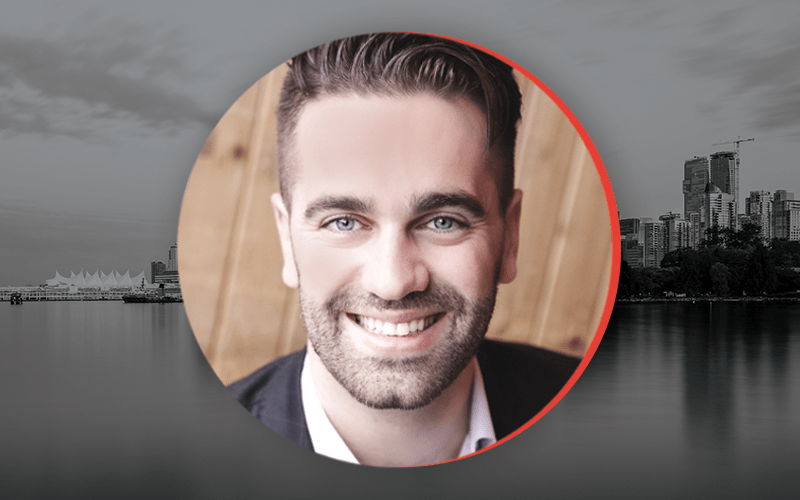
Episode
A serial entrepreneur and business leader, Joel Sherlock is a born connector who has been building great teams and delivering the...
Key takeaways
- Building a successful business in emerging markets requires combining diverse expertise—merging legacy industry knowledge with new pharmaceutical-level documentation and consistency standards creates the strongest foundation for success.
- When scaling rapidly in new industries, being comfortable asking for help and actively seeking mentors who know more than you is essential for navigating unfamiliar territory and avoiding costly mistakes.
- Canada's first-mover advantage in cannabis legalization has positioned Canadian companies to lead globally, but maintaining this leadership requires learning from mistakes and not being apologetic while helping other markets avoid repeating them.
- Access to traditional banking and financing remains a significant roadblock in emerging markets like cannabis, forcing entrepreneurs to seek private investors and more expensive debt options than established industries would face.
- In fast-moving emerging markets where consumer preferences evolve rapidly, building infrastructure with wide operating parameters is critical because you cannot predict how trends and demands will shift even within a year.
Transcript
Full transcript page · Interactive episode
============================================================
TRANSCRIPTION WITH SPEAKERS
============================================================

[00:00] SPEAKER_01: Welcome to Canada's podcast, the number one podcast for entrepreneurs by
[00:06] SPEAKER_01: entrepreneurs. Hi, this is Angela Faye from Canada's podcast, welcome to November
[00:12] SPEAKER_01: and to Joel Sherlock from Vitalis Extraction. We're super excited to have Joel
[00:17] SPEAKER_01: with us today. He is a serial entrepreneur and investor focused on finance,
[00:23] SPEAKER_01: real estate, tech and emerging markets. So we're going to touch on a little bit
[00:27] SPEAKER_01: of all that. Joel, welcome to Canada's podcast. Hey, thanks so much for having me.
[00:32] SPEAKER_01: Well, before I actually get into your entrepreneur, just tell me what that is behind you.
[00:37] SPEAKER_00: Just give me a little bit of a deal. So one of the companies I started
[00:41] SPEAKER_00: is a manufacturing business called Vitalis and we make a botanical extractor. So
[00:47] SPEAKER_00: I'm sure we'll touch on this, but with some of the changes in normal business,
[00:51] SPEAKER_00: you know, we usually do a lot of trade shows and so one of the trade shows, which was the
[00:55] SPEAKER_00: biggest one of the year, is usually in Las Vegas. That of course is not happening. So it's online.
[01:01] SPEAKER_00: So our staff, you know, this is one of the extraction platforms we manufacture and we have a
[01:07] SPEAKER_00: bit of a like a video hub, if you will. So I stole it for this podcast because it's a cool background.
[01:12] SPEAKER_01: Okay, awesome. And that is just no small botanical extraction machine back there. Let me tell you
[01:18] SPEAKER_00: yeah, it isn't. It is not maybe before it's over. I'll run over and stand next to it because
[01:22] SPEAKER_01: if the scale is lost here, yeah. Perfect. Okay, so it's bigger than bigger than you.
[01:28] SPEAKER_00: Yeah, and that's, you know, we do make, we make industrial scale equipment. So there's big and then
[01:33] SPEAKER_01: there's bigger than that one as well. Well, and I'm going, I am going to touch on that a little bit.
[01:37] SPEAKER_01: That's tell me a little bit about your entrepreneurial journey. You know what? Yeah, I can't really say
[01:42] SPEAKER_00: still right? Yeah, Vitalis was my my 16th startup when when we started. I mean, a lot of, I started
[01:51] SPEAKER_00: in, you know, background and finance, you know, was going to be a stockbroker and was doing my Canadian
[01:57] SPEAKER_00: securities and, you know, first year of college moved out, bought a house with a friend and,
[02:03] SPEAKER_00: you know, we couldn't afford much. So, you know, we bought this tiny little apartment and did
[02:08] SPEAKER_00: some rentals to it. And then he met a girl and I had the sell it and that was kind of how I was
[02:14] SPEAKER_00: forced into my first fix and flip. So got pretty active in the real estate side, which was great.
[02:20] SPEAKER_00: Put a private equity funds together to buy up some of that cheap Arizona real estate during one
[02:26] SPEAKER_00: of those downturns. Started to reinvest a lot of that into commercial property in Canada.
[02:34] SPEAKER_00: And then, you know, stumbled in really into the legal cannabis market when I became the tenants
[02:39] SPEAKER_00: to one of the early, early licensed growers in the health Canada framework. And then, you know,
[02:45] SPEAKER_00: invested in a fertilizer business and a lighting company and then started financing some of these
[02:51] SPEAKER_00: machines back there. And then we really went out to standardize to one platform and couldn't get
[02:56] SPEAKER_00: the customization we were looking for. So had a good friend who was an engineer and still is.
[03:03] SPEAKER_00: But, you know, said, hey, could you build me a couple of these and, you know, the rest, the rest
[03:07] SPEAKER_01: of this history, as they say. Can you give me an idea of just your timeline? Joel, when was that,
[03:12] SPEAKER_00: when was the start of my tell us? I mean, he and I started talking about it seven years ago.
[03:18] SPEAKER_00: We really started moving on the company six years ago, Vatel Uses, you know, incorporation data,
[03:24] SPEAKER_00: I believe is probably five and a half years old now. But we are the largest manufacturer
[03:29] SPEAKER_00: in the world for this type of equipment for the cannabis and hemp space. Now, it works in a lot
[03:34] SPEAKER_00: of other industries, but that's really where where we dominated. So, you know, we've got offices
[03:39] SPEAKER_00: on poor continents and, you know, service staff because selling, selling equipment like that is
[03:44] SPEAKER_00: one piece of the puzzle and then servicing it as another. When we were talking, I was looking at your
[03:48] SPEAKER_01: website, I was the image of your whole team, right, is there and super dominant. I just, can you give
[03:55] SPEAKER_01: me some insight on how you get from in five and a half years to having, you know, over a hundred
[04:02] SPEAKER_01: staff, is that right? Is that, do I get the number right? Yeah, we were up to like one, one 20 of the
[04:08] SPEAKER_01: so you're you have that many staff in actual manufacturing in BC here and you have four offices
[04:15] SPEAKER_01: in four continents in five and a half years. Just give me some insight on that scale. I mean,
[04:22] SPEAKER_00: that's pretty graphic growth, really. Well, you know, was it was it without many lessons and,
[04:28] SPEAKER_00: and you know, I think ultimately, you know, I have two partners in the business and we are
[04:32] SPEAKER_00: three very distinct specialties, right? And, you know, James is the engineer and really the
[04:38] SPEAKER_00: brains behind all of our designs. Before COVID, I was a lot of travel business development, you know,
[04:46] SPEAKER_00: exploring new markets and kind of paving away as to when we were coming in. And then, you know,
[04:52] SPEAKER_00: our third partner was more on the operational side. So that really helped. You know, I think the
[04:58] SPEAKER_00: the diverse experience that we brought forward also really helped. For me, you know, I am I love being
[05:05] SPEAKER_00: the the stupidest person at the table. It means we've got a good table together. So, you know, my
[05:10] SPEAKER_00: business mentor, relationships and well, you know, I like I'm I'm very, very comfortable asking for
[05:19] SPEAKER_00: help and listening and really, you know, there was a lot when we were scaling this business that
[05:24] SPEAKER_00: we didn't know. I mean, frankly, they're there still is. I mean, as we expand into food and
[05:28] SPEAKER_00: and flavorings and pharma and other industries, you know, there's there's still lots to learn and
[05:34] SPEAKER_00: and I guess I'm just I'm a forever student and kind of addicted to that process. Awesome. When
[05:40] SPEAKER_01: there's a benefit in a three-legged stool, you know, with your operations, your engineering and
[05:44] SPEAKER_01: your biz depth, I think that's a magic formula for sure. What continents are you on? Just out of curiosity.
[05:51] SPEAKER_00: So, I mean, manufacturing for us is all in British Columbia. So, that's actually where I'm sitting
[05:56] SPEAKER_00: right now. I'm in in one of our locations here. So, in in Kelona is where we make all of this
[06:01] SPEAKER_00: equipment and and that's been phenomenal. You know, it's a for those who haven't been. I mean,
[06:06] SPEAKER_00: it's a great four-season, you know, it's one country which I love. We've got the lake in the
[06:11] SPEAKER_00: summertime. You've got great skiing and snowboarding in the wintertime. So, it kind of touches all
[06:15] SPEAKER_00: boxes. It's been a great tool for us recruiting people. You know, there's a lot of people who want
[06:23] SPEAKER_00: to come and live here, especially if you're a top engineer in the oil and gas sector, then you
[06:28] SPEAKER_00: are usually northern Alberta. So, the idea of being able to get from northern Alberta into Kelona
[06:33] SPEAKER_00: worked very well for us. So, that, you know, that that was great. You know, we have offices east and
[06:39] SPEAKER_00: west coast in the U.S. We have an office in Latin America and Columbia. You know, and then our
[06:44] SPEAKER_00: main hub for Europe is in Rotterdam. Okay. Our equipment's big goes usually across on boats. We've
[06:51] SPEAKER_00: flown a couple, but you know, if you need it there quickly, you can put it in airplane. But most of
[06:56] SPEAKER_00: our stuff goes goes into our warehouse in Rotterdam in the Netherlands. And then, you know, we have a
[07:02] SPEAKER_00: center in Australia as well, which looks after Oz and New Zealand. Oh, wow. Is there anything
[07:09] SPEAKER_01: that is common between those countries in the in the cannabis sector?
[07:15] SPEAKER_00: Yeah, I mean, you know, the lessons, the process of sort of those evolving markets, right?
[07:20] SPEAKER_00: Traditionally, the, you know, patients take a little while to get going, you know, extraction
[07:26] SPEAKER_00: facilities traditionally take a lot more time to build than you'd expect. And, you know,
[07:33] SPEAKER_00: ultimately in the cannabis space, a lot of the professionals are coming from like Pharma or some
[07:39] SPEAKER_00: other industry. So there's a lot of, there's a learning process. It's a very, very steep learning curve
[07:43] SPEAKER_00: anytime you're kind of creating a market. The other consistent is change, right? I mean, that's
[07:48] SPEAKER_00: kind of the only guarantee is, especially when you look at the cannabis or hemp markets and how
[07:53] SPEAKER_00: quickly they've moved, right? The only guarantee is that they won't be the same in a year from now or
[07:59] SPEAKER_00: as we joke it moves in dog years, seven years from now. Right. Let's talk a little bit about
[08:04] SPEAKER_01: cannabis position in botanical market. What, what, how would you define it? It's been a great
[08:12] SPEAKER_00: moment for Canadians, right? I mean, we've really led this on a global scale. There's a lot of
[08:17] SPEAKER_00: people watching us. We have made a ton of mistakes, but we were first, right? And it's certainly paved
[08:24] SPEAKER_00: away. This is, you know, be it public markets and companies like Canopy or Aurora or Africa.
[08:32] SPEAKER_00: They've made their mistakes as well, but, you know, we're leading it from a public market banking
[08:37] SPEAKER_00: side. We're leading it from a kind of industry side. I mean, the dominant players are all Canadian
[08:43] SPEAKER_00: companies right now. If they can get their feet under them and really execute well, then I think
[08:49] SPEAKER_00: it's it's our market to continue to dominate. And, and from a market of this size and with the
[08:54] SPEAKER_00: potential that's here, it's a great moment to be Canadian. I mean, I'm very proud that way, but,
[09:00] SPEAKER_00: you know, it's been a lot of fun being able to build this from BC. Well, and it's interesting for
[09:07] SPEAKER_01: me because I had a co-working space and had some events hosted some events, which was really
[09:13] SPEAKER_01: just creating a safe place for people to talk, but just prior to legalization. And so I knew to
[09:19] SPEAKER_01: the awareness of the sector, but just how professional it is and how, you know, how big it is.
[09:27] SPEAKER_01: Yeah.
[09:27] SPEAKER_01: It, you know, much bigger than I ever anticipated. And it's more public now that we are legalized
[09:31] SPEAKER_01: here in Canada. The big question that was difficult to answer a couple of years ago, and I'm curious
[09:39] SPEAKER_01: what your perspective is, is the culture of uptake, if you like, or the perceived culture in botanicals
[09:47] SPEAKER_01: and natural medicines and things like that. What, where, where do you think we sit now?
[09:51] SPEAKER_00: So, again, you know, Canada's led and, and now I think, you know, what's been very, very interesting
[09:58] SPEAKER_00: is as Canada and the Canadian LPs have been looking to go elsewhere, right? And moving into Europe,
[10:05] SPEAKER_00: where it's a purely pharma market, you know, they've had to bring in EUGMP experts. So like more
[10:10] SPEAKER_00: pharmaceutical experience and expertise, companies like Nova Nordic in Denmark or experts from,
[10:17] SPEAKER_00: you know, the Johnson and Johnson's, the, you know, the large GSK's like big pharma companies.
[10:23] SPEAKER_00: So the level of documentation and sophistication to make sure that you have an output that doesn't
[10:29] SPEAKER_00: change when you get into medicinal markets, that's essential. So that's been really interesting,
[10:36] SPEAKER_00: but one of the fascinating parts, because a lot of those pharma people coming over have not dealt
[10:41] SPEAKER_00: with cannabis before. So there's kind of this, the teams that have done it very successfully have
[10:47] SPEAKER_00: merged those two expertise is together, right? The people who may have come out of, you know,
[10:53] SPEAKER_00: California's a recreational market, and a lot of people say, oh, we're so different than that,
[11:00] SPEAKER_00: but what's been learned there and how they're separating off terpenes or how they're getting
[11:05] SPEAKER_00: broad spectrum or how they're removing THCs out of CBD so that it could be shipped across borders?
[11:11] SPEAKER_00: There's so many lessons to be learned, and when those teams can really, really work well together,
[11:16] SPEAKER_01: I think that's, that makes a successful business. So do you think we've kind of overcome
[11:23] SPEAKER_01: collectively the negative perception? No. So what are the roadblocks that we have to get over?
[11:30] SPEAKER_00: Not even close. The conversation in Canada is totally different than it has been. I mean,
[11:35] SPEAKER_00: if I think back to when we made our first investment, I mean, you know, I became the tenant to that
[11:40] SPEAKER_00: cannabis company, I mean, calling Royal Bank and saying, these guys have a legal
[11:46] SPEAKER_00: marijuana cultivation operation. Like, are you going to call my mortgage if I take them in?
[11:50] SPEAKER_00: And, you know, that that was unheard of at the time. And ultimately, you know, in full transparency,
[11:57] SPEAKER_00: I did usher them out of my office after they said, hey, we have a license and I laughed and said,
[12:02] SPEAKER_00: yeah, sure. But, you know, looked into it and, and, you know, invited them back and, you know,
[12:10] SPEAKER_00: admitted that I was wrong. But, you know, it was, it's, it's, it's evolved very quickly,
[12:15] SPEAKER_00: but we're still not there yet. I mean, we've, we've opened the doors for natural medicines. I
[12:23] SPEAKER_00: think, you know, anecdotally, the, the patients are driving and the results that some patients have
[12:29] SPEAKER_00: seen getting off opioids or managing pain in a different way or whatever it may be,
[12:35] SPEAKER_00: your vase syndrome and seizures and CBD, right? There's been some undeniable benefits,
[12:40] SPEAKER_00: which is getting some of the physicians to open their minds a little bit to, to this type of
[12:45] SPEAKER_00: medicine, which has been great. And I think that's, that's going to continue. I mean, we're starting
[12:50] SPEAKER_00: to see it now in the psychedelics industry, you know, clinical trials with psilocybin or clinical
[12:54] SPEAKER_00: trials with MDMA. So there's still lots of work to be done. And we are still, you know, in the,
[13:00] SPEAKER_00: in the first or second inning of, of really what, what can be done globally here. And I think,
[13:06] SPEAKER_00: as soon as we get out of Canada and you go to, you know, Europe or United Kingdom or somewhere,
[13:12] SPEAKER_00: they're still, you know, it's very early there. So how, from your perspective,
[13:18] SPEAKER_01: one of the dangers of being in an emerging market is, and I think it, I'm kind of bouncing back
[13:25] SPEAKER_01: your own words is coming out too hard too fast or, or hard and fast and being able to maintain
[13:30] SPEAKER_01: that momentum. What are your insights, Joel, on helping keep Canada at the forefront? How do we
[13:39] SPEAKER_00: maintain our position as a leader in this emerging market? I mean, I think we need to not be too
[13:45] SPEAKER_00: apologetic like we made some mistakes and, and, but at least the Canadian federal legalization
[13:50] SPEAKER_00: framework is together. It's not perfect, but it's together. If you look at the lack of
[13:56] SPEAKER_00: federally legal cannabis in the US makes, you know, you have like the, the 50 countries of cannabis
[14:02] SPEAKER_00: essentially, right? Like Oregon operates completely different from Washington, completely different
[14:07] SPEAKER_00: from California. You know, our banking side and taking companies, public, some have done exceptionally
[14:13] SPEAKER_00: well and really moved the industry forward and some have sort of spiked and maybe there were some
[14:18] SPEAKER_00: bad actors involved. But again, I think we need to take the lessons and learn and, and move on
[14:25] SPEAKER_00: as we go into other markets. But ultimately learning from those mistakes and not repeating them
[14:31] SPEAKER_00: is very important. But also being being thoughtful about like it took some time for our physicians
[14:38] SPEAKER_00: to get on side the the patients, you know, some of the groups who may be against it. I mean,
[14:44] SPEAKER_00: that's going to happen again as you roll out into any new market, right? The UK and the NHS,
[14:49] SPEAKER_00: you saw a very similar back and forth. I mean, Italy and, and what they've just done with CBD,
[14:54] SPEAKER_00: it's, it's still very much in flux. I mean, they're, they're essentially going through what we went
[14:58] SPEAKER_00: through three or four years ago, depending on who you ask. Right. And what if, if we could kind
[15:05] SPEAKER_01: of wave a magic wand and have a, an ecosystem, if you like, in Canada, what are some of the gaps
[15:13] SPEAKER_00: that are missing that you'd love to see filled? It's a great question. Some of the gaps, I mean,
[15:18] SPEAKER_00: again, I think I'd love to see it when it when it comes to cannabis. I'd love to see those,
[15:23] SPEAKER_00: those groups work very well together, right? You know, the people who have that legacy cannabis
[15:28] SPEAKER_00: knowledge and then the, you know, the farm of the documentation, the consistency, right? To kind
[15:33] SPEAKER_00: of keep elevating that level of outputs, right? I mean, anytime you look at a medicinal product or
[15:39] SPEAKER_00: recreational product with recalls, you know, that's, that, that doesn't do much for trust, right?
[15:46] SPEAKER_00: Even the regulators, you know, learning and talking to each other, right? Learn from what,
[15:51] SPEAKER_00: when, when other countries are putting their regulations together, you know, learn from what
[15:55] SPEAKER_00: did Canada do well? What did Canada do? Do poorly? And hopefully we can sort of pave the way.
[16:02] SPEAKER_01: Let's just add the layer of the current economic climate into the conversation.
[16:07] SPEAKER_01: Not so much the last 10 months, because, you know, the worst investment we all made was a 2020
[16:14] SPEAKER_01: plan or this year. Let's talk about like the next sort of, you know, 12, 24, however many years
[16:21] SPEAKER_01: that little recovery will take for you guys. Where would you like to see some momentum happen
[16:28] SPEAKER_00: from your perspective? I guess, you know, if we talk about some of our assets like, like Fatalis,
[16:33] SPEAKER_00: for instance, right? I mean, we, we have had to adapt and adjust. We can ship equipment, but,
[16:39] SPEAKER_00: you know, shipping technicians to go and train and install, you know, from Canada to globally,
[16:45] SPEAKER_00: wherever we, we service. I mean, that's become far more problematic. You send somebody for one
[16:50] SPEAKER_00: week and then they have to, they have to quarantine for two on the way home. So, you know, we've
[16:56] SPEAKER_00: been training different teams. We've been doing a lot more things virtually. I think some of that's
[17:00] SPEAKER_00: been fantastic, right? I mean, a lot of the travel that I did in the last couple of years, maybe
[17:04] SPEAKER_00: I didn't need to, right? So it's been an eye-opener that way. You know, to go from 250 days to zero,
[17:10] SPEAKER_00: I definitely miss some of it, but I don't know if I need to go back to the crazy pace that I was,
[17:15] SPEAKER_00: for sure. So, you know, there's been some learnings there. We've actually had the time to reinvest
[17:22] SPEAKER_00: in a lot of R&D, which has been fantastic. There were sort of projects and innovations that we
[17:28] SPEAKER_00: really wanted to move forward on the pre and post-processing. So, you know, like we see the
[17:34] SPEAKER_00: bottlenecks and, you know, we really want to be able to help our clients streamline their processes.
[17:41] SPEAKER_00: You know, so we've been able to invest a lot of time and effort and resources into
[17:45] SPEAKER_00: innovating some technology after the extraction step. So that's been fantastic.
[17:51] SPEAKER_01: Okay, I'm going to ask a little bit about your ideal client. Can you describe them?
[17:57] SPEAKER_01: Is it a grower or a producer or who... Sorry, I mean, our clients here are definitely on the
[18:05] SPEAKER_00: processing side. So they'd be, you know, some are growing and processing. They'd be vertically
[18:09] SPEAKER_00: integrated. Others are just buying biomass, processing it, and then, you know, selling a final product.
[18:16] SPEAKER_00: You know, I guess going back to your wave of magic wand question, one of our ideal clients is
[18:21] SPEAKER_00: really truly somebody who understands the business they're getting into or, or, you know,
[18:27] SPEAKER_00: understands what they don't know, right? So that we can properly educate them through it, because
[18:33] SPEAKER_00: deciding on a piece of capital equipment like that, you know, you really need to know how much
[18:37] SPEAKER_00: are you going to be putting in and what kind of products are you going to be looking to make
[18:42] SPEAKER_00: in your lab, right? Both now and in the future. Where's the tipping point for... And I'll describe
[18:50] SPEAKER_01: it as a client or a buyer to be a grow to be vertically integrated. Where's the, where's that cost
[18:57] SPEAKER_01: point, right? Where maybe you should consider being both. So interestingly, some states require it,
[19:05] SPEAKER_00: right? Like Florida, for instance, you have to be vertically integrated all the way through.
[19:10] SPEAKER_00: But if we remove ourselves from cannabis for a second, right? A lot of groups would become
[19:16] SPEAKER_00: vertically integrated once they've mastered one step. If you look at, you know, McDonald's growing
[19:21] SPEAKER_00: their potatoes and, you know, all the way down to owning the beef farms, there's pros and cons to it,
[19:28] SPEAKER_00: right? And they may not have started like that, but they've sort of gained buying power or bought
[19:34] SPEAKER_00: businesses because it made sense, right? So ultimately, if you try and tackle everything,
[19:40] SPEAKER_00: you're increasing your risk. And if you have experts in growing and an understanding of what it's
[19:46] SPEAKER_00: going to take, you have experts in extraction and an understanding of what it's going to take.
[19:51] SPEAKER_00: And you're a consumer products goods expert and you know what that's going to take. You know,
[19:56] SPEAKER_00: then maybe it's a good idea. If you have to for just the way the, the laws in your state or
[20:05] SPEAKER_00: country province, wherever you are, then, you know, you may be forced into it, but ultimately,
[20:10] SPEAKER_00: it's probably best to start one master it and then look at the others.
[20:15] SPEAKER_01: Is there any, and forgive me if I'm asking a question if you have client privilege, but
[20:21] SPEAKER_01: are there any examples that you can think of where they mastered the growing, even if it's
[20:26] SPEAKER_01: collective, mastered the growing, mastered the extraction and mastered that consumer good reveal?
[20:31] SPEAKER_01: Yeah, boom, this is a great example.
[20:34] SPEAKER_00: Yeah, I mean, we're still so early in these markets that, you know, if you look at like when
[20:38] SPEAKER_00: Alan Gertner used to say this all the time, you know, when you look at the coffee market,
[20:43] SPEAKER_00: when it came out like good coffee with strong coffee. And I think we're at that phase right now.
[20:48] SPEAKER_00: We, so there are some people who love, you know, these niche products are like, you know,
[20:53] SPEAKER_00: ice water hash or, or, you know, in the cannabis industry, there's all these sort of subsets of
[20:58] SPEAKER_00: dabs and pre-rolls and vape cartridges that so many of us have heard about, but there's so many
[21:04] SPEAKER_00: different levels of quality within there. There are some people who are shopping on price. There are
[21:09] SPEAKER_00: some people who are, you know, shopping on purely just chirping profile or so it's still so very.
[21:17] SPEAKER_00: And I think that's important to think about when like the consumer hasn't finished evolving,
[21:23] SPEAKER_00: right? Those trends are still very, very fast to move. So when you're putting your infrastructure
[21:28] SPEAKER_00: together, you really have to be thoughtful about how wide are the operating parameters of my lab
[21:33] SPEAKER_00: because the consumer preferences are varying at such a wild rate. Do you have any young people in
[21:42] SPEAKER_01: your life that you influence kids or nieces or nephews or anything like that? I, you know what? I
[21:48] SPEAKER_00: still have a lot of family in Winnipeg. I'm from Winnipeg originally moved great place to be from.
[21:53] SPEAKER_00: So still have lots of nieces, nephews there. And, you know, at lots of kids running around on
[21:59] SPEAKER_01: the ventilation front here, none of, none of my own. The reason for my question and so I'm going to
[22:04] SPEAKER_01: just kind of dig in from a personal perspective is I am a new consumer, right? As far as doubled
[22:11] SPEAKER_01: a couple of years ago and I started these events and a girlfriend said to me, and she can't host
[22:15] SPEAKER_01: an event if you've never tested. So I walked into dispensary for the first time a couple of years ago
[22:21] SPEAKER_01: and went, okay, so I'm in the age where I grew up and cannabis was illegal, right? So it's
[22:29] SPEAKER_01: never, never entered my mindset as a viable consumer experience. Now, you know, my kids and my
[22:37] SPEAKER_01: friends kids are growing up where cannabis is legal, you know, there's probably going to be a
[22:43] SPEAKER_01: store on one corner that says liquor store and then there's going to be a store on this corner that
[22:47] SPEAKER_01: says cannabis store. And so this next generation is growing up with a totally different mindset.
[22:53] SPEAKER_01: So how do you imagine this consumer evolving in a good way for that next generation? Like, really,
[23:03] SPEAKER_01: we're kind of dreaming the next generation of consumers. Yeah, you know what I mean, there's some
[23:08] SPEAKER_00: there's some retailers because I think a lot of that education is going to happen at the retailer
[23:12] SPEAKER_00: level, right? I mean, you know, cannabis was sort of taboo and you know, at one point alcohol
[23:18] SPEAKER_00: was as well, right? So imagine if all of a sudden these liquor stores open up that had all this
[23:22] SPEAKER_00: choice and you just walked into it, it's kind of hard for people to imagine, right? But
[23:28] SPEAKER_00: you need somebody to talk you through what's the difference between this grape and that grape when
[23:32] SPEAKER_00: I'm looking at the swine, what's the difference between bourbon and vodka. But when you go to cannabis,
[23:38] SPEAKER_00: there's so many other nuances because a lot of people may be using it to treat an ailment or
[23:44] SPEAKER_00: anxiety or wherever whatever your use may be. But the retailers can't necessarily, well,
[23:49] SPEAKER_00: they in Canada, they can't make any of those claims, which is reasonable. But, you know, part of
[23:56] SPEAKER_00: that experience is going to be retailer led, right? Is the store well organized? Is there the right
[24:01] SPEAKER_00: staff behind the counter to answer those questions? And you know, if you look at someone like Mimi Lam of
[24:07] SPEAKER_00: Suprat, they have a brilliant way of, you know, different baskets mean different things. You know,
[24:12] SPEAKER_00: you pick up this color. It means I'm just here to get my stuff by and leave.
[24:16] SPEAKER_00: I pick up this color and it's like, hey, I could use some help. This is new.
[24:21] SPEAKER_01: Super simple way of just kind of saying this is how much help I need with,
[24:27] SPEAKER_01: especially as a new emerging market. Okay, this is totally interesting. I just want to ask
[24:31] SPEAKER_01: one question in relation to, you know, that's a big piece of equipment. So is there
[24:37] SPEAKER_01: financing available? How does somebody decide to be a lab?
[24:41] SPEAKER_00: You go back to your question of what weaving the magic wand, right? I mean, traditionally,
[24:46] SPEAKER_00: if you're building a brewery or if you're, you know, buying a tractor to plant carrots or,
[24:52] SPEAKER_00: you know, traditionally farming or corn or anything, you usually have finance support.
[24:58] SPEAKER_00: Still, even though we have federal legalization in Canada, a lot of the banks are still kind of
[25:04] SPEAKER_00: at arm's length here. So, you know, usually in capital expenses like a piece of equipment or,
[25:11] SPEAKER_00: you know, bakery ovens or a brewer's equipment or a wineries equipment, you can get financing.
[25:19] SPEAKER_00: It's just starting now, but it's still usually at higher rates. It's usually private investors.
[25:25] SPEAKER_00: So we do have some financing support, but it wouldn't be like, like getting a mortgage at
[25:30] SPEAKER_00: these great rates that exist now or buying a car at 0%. That's not quite here yet,
[25:35] SPEAKER_00: because the big banks aren't supporting the companies who are buying with leverage at reasonable
[25:40] SPEAKER_01: rates. So we're at, it's a catch 22, right? We're an emerging market. We want to stay ahead,
[25:46] SPEAKER_01: but access to capital is probably a bit of a challenge or a roadblock right now. Big time,
[25:52] SPEAKER_01: especially now. But so tell me, you know, talk about integrated ecosystem here. Yet,
[25:58] SPEAKER_00: you have a finance company? Well, so we, yeah, I mean, you know, much like when we started a lot
[26:04] SPEAKER_00: of our ventures, it's kind of been out of demand, right? So there were a lot of banks who wanted to
[26:09] SPEAKER_00: get into the space, but didn't understand cannabis, right? I mean, you know, as Michigan comes online,
[26:14] SPEAKER_00: somebody says, oh, I'll lend to you, but I need three years of audited financials. Well,
[26:19] SPEAKER_00: the program hasn't been around for three years, so that's an impossibility. So you really can't
[26:23] SPEAKER_00: support this entrepreneur. You know, there is a lot of startups. It is an emerging market. You
[26:27] SPEAKER_00: kind of have to understand the risk and, and you know, the lenders, traditionally borrowers,
[26:33] SPEAKER_00: we're looking at equity or debt. And so it's still expensive debt, but oftentimes, if you know what
[26:38] SPEAKER_00: you're doing, that's that can be cheaper than equity, but still early days. People can connect with
[26:44] SPEAKER_01: you, Joel, not just for for extraction equipment, but for financing in the sector. So financing,
[26:50] SPEAKER_00: again, you know, really, I was one of the founders, but there's a really, really great team there. Leo
[26:57] SPEAKER_00: or CEO of spectrum leasing, Susan, our controller and Rebecca, who's we're all on that team, but
[27:03] SPEAKER_01: I can absolutely put you in touch. Perfect. Now, you already touched a little bit on Kaloana, but
[27:08] SPEAKER_01: let's talk a little bit about Western Canada being hub, you know, in a reason for doing business here
[27:16] SPEAKER_01: in British Columbia, maybe in the sector, just generally what's happening in the lower mainland
[27:21] SPEAKER_00: and in Kaloana. You know what? I mean, Kaloana's had had a lot. I mean, there's once you get involved in
[27:26] SPEAKER_00: the community here, there's some really innovative manufacturing businesses here, which, you know,
[27:30] SPEAKER_00: to be honest, before I was in the space, I didn't know them all, right? I mean, Kaloana flight craft
[27:35] SPEAKER_00: was one that lots of people talked about, but there's a lot of smaller, really, really impressive
[27:40] SPEAKER_00: ones as well. So that's been fantastic. The technology space in Kaloana has been booming. And,
[27:46] SPEAKER_00: you know, the city's been doing a lot of initiatives on its own marketing. So it's been really nice
[27:52] SPEAKER_00: for talent acquisition, even from the East Coast. There's a lot of people who want to get out this way.
[27:57] SPEAKER_01: So is the big move to out west? To me, that just reinforces the connection between, you know,
[28:05] SPEAKER_01: the need for a community to position itself, not just with, you know, activities that they can do,
[28:11] SPEAKER_01: but, you know, the business culture and the business climate in order for the local companies to
[28:16] SPEAKER_01: track talent and expand. If you could, if you could brand Kaloana in a global market for
[28:24] SPEAKER_01: person, for a total self-serving purposes, what would you brand it?
[28:28] SPEAKER_00: You know what? I mean, honestly, it's so funny where maybe we wouldn't, right? For total self-serving
[28:33] SPEAKER_00: purposes, right? I mean, if Kaloana had a million people in it, it might not have the same charm.
[28:38] SPEAKER_00: Right. You know, I mean, the vineyards, the lake, you know, the the the world class skiing all close,
[28:44] SPEAKER_00: you know, I couldn't tell you which one of those three, you'd almost have to like make a hybrid
[28:49] SPEAKER_00: of all of them. But I think once people understood what's here, you know, it's nice that it's kind of a
[28:55] SPEAKER_01: a small, great community. Well, and I think, you know, we have to build on the fact that we are
[29:03] SPEAKER_01: globally renowned for BC, but, right? As far as anywhere in travel in the world, even as a
[29:11] SPEAKER_01: non or a new consumer, the reputation precedes us with the true. A lot of local expertise, is this it?
[29:19] SPEAKER_01: Exactly. Joel, any final comments for our listeners here?
[29:25] SPEAKER_00: Yeah, you know what? You can find us on Vitaleset.com. That's Vitales Extraction Technology.
[29:31] SPEAKER_00: And then you can find me on most of those social channels and reach out if you've got any questions.
[29:34] SPEAKER_01: Love the chat. Well, and I'll add to that Joel has another initiative that you've got your own
[29:39] SPEAKER_01: podcast. Just give me a quick quick snops of the Extraction and Siders.
[29:45] SPEAKER_00: Yeah, again, one of those sort of innovation pieces, right? I mean, you know, as we were saying,
[29:51] SPEAKER_00: we used to do a lot of trade shows and we love the concept of family dinner where we'd have clients and
[29:58] SPEAKER_00: people knew to the industry and get them together. And usually there was good food and good wine and
[30:02] SPEAKER_00: good conversation. So can't do that right now. So we started the podcast, which as we're doing our best
[30:08] SPEAKER_00: to just continue those conversations, learn from the lessons that some of our Mark's experience clients,
[30:15] SPEAKER_00: mistakes they've made, how to avoid that best practices and some of the surprises along the way.
[30:21] SPEAKER_00: So we don't take it too seriously. It's usually a pretty casual conversation with great people.
[30:25] SPEAKER_01: It is an oil, totally mimicked that. The great conversations with great people, I think is what
[30:30] SPEAKER_01: your podcast is all about. So if you're in the business and want to have a little inside scoop on
[30:34] SPEAKER_01: Extraction and where it's going at, check out Joel's, or Vitalis's, is it Vitalis that's actually hosting it?
[30:41] SPEAKER_01: Yeah, Vitalis. Awesome. Joel, thank you so much. We learned a lot about Kallona and about
[30:45] SPEAKER_01: the equipment that you're producing and that and proud to of course have Vitalis here is one of the
[30:52] SPEAKER_01: world's biggest manufacturers of botanic literature.
[30:55] SPEAKER_00: Thanks for having me.