
Guiellermo Salazar’s frustration with a garage door results in on-demand customer service for major utility companies
Episode
Guillermo Salazar is a Co-Founder of ICwhatUC, an industry-leading augmented reality virtual work platform that helps the mobile workforce...
Key takeaways
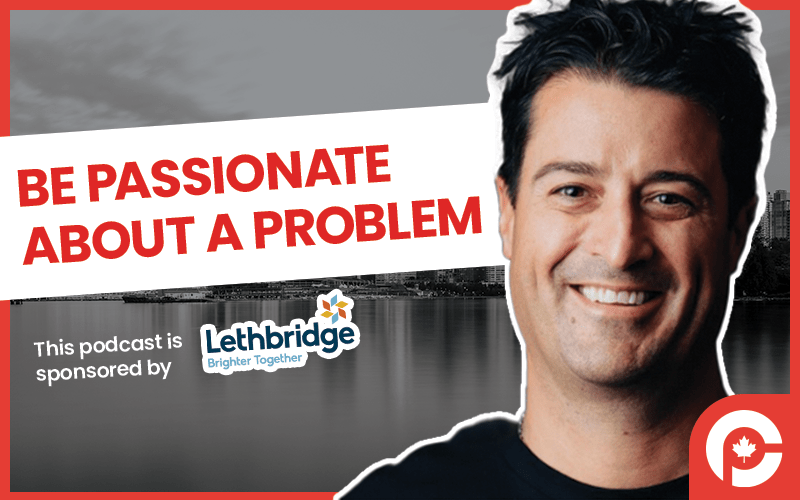
- Be passionate about solving an urgent problem rather than just following your passion, as this will help drive your entrepreneurial success and make sales cycles easier.
- The entrepreneurial community operates with a mindset of abundance where people genuinely help each other without expecting anything in return, so don't hesitate to ask for support and be ready to give back.
- Getting your first customer is crucial and requires making yourself vulnerable by putting your product or service out there for sale, which is often a skill not developed in traditional corporate environments.
- Focus on understanding your customers' motivations and what makes them successful, then empower them with data and content they can share to become advocates for your business.
- Establish a personal morning routine that includes fitness and daily planning to maintain mental clarity about priorities, even when your day gets taken over by emergencies and unexpected tasks.
Transcript
Full transcript page · Interactive episode
============================================================
TRANSCRIPTION WITH SPEAKERS
============================================================

[00:01] SPEAKER_01: Come to Lethbridge and join an innovative community for entrepreneurs.
[00:06] SPEAKER_01: With more than a quarter of the 100,000 population under the age of 34, Lethbridge brims with
[00:12] SPEAKER_01: energy.
[00:13] SPEAKER_01: We'll help you to kickstart, innovate, and grow.
[00:17] SPEAKER_01: Lethbridge Southern Alberta's help for innovation and technology.
[00:21] SPEAKER_01: It's the bright choice for business builders.
[00:24] SPEAKER_01: Go to chooselethbridge.ca slash entrepreneur and we'll help you move and grow in Lethbridge.
[00:32] SPEAKER_01: Welcome to Canada's podcast.
[00:38] SPEAKER_01: Hi, it's Bonnie, it's LG with Canada's podcast.
[00:41] SPEAKER_01: And today we're talking with Calgary-based entrepreneur, Guillermo Salazar, who is the co-founder
[00:47] SPEAKER_01: and CEO of ICYWATUC, a technology company that offers customer service self-support using
[00:55] SPEAKER_01: augmented video.
[00:56] SPEAKER_01: So we're going to dig into that in a little bit, but first of all, Guillermo, welcome to
[01:01] SPEAKER_01: the show.
[01:02] SPEAKER_00: Thank you, Bonnie.
[01:03] SPEAKER_00: I really appreciate you setting this up.
[01:04] SPEAKER_01: Yeah.
[01:05] SPEAKER_01: Well, you have a really interesting story to share about your company, but before we
[01:10] SPEAKER_01: get into that, let's take a bit of a step back and can you tell our listeners a little
[01:15] SPEAKER_01: bit about your entrepreneurial journey and your history as to what's taking you to where
[01:20] SPEAKER_01: you are today?
[01:22] SPEAKER_00: Certainly, not a problem.
[01:23] SPEAKER_00: I mean, I started, I was in my professional career for 20, 22 years, came out of university
[01:29] SPEAKER_00: and started with a big core firm and worked with them for a number of years and then it
[01:33] SPEAKER_00: was on my own for a bit.
[01:34] SPEAKER_00: So like many people in the Alberta region, I was an independent contractor for a number
[01:38] SPEAKER_00: of years.
[01:39] SPEAKER_00: And worked on many different companies along the way.
[01:42] SPEAKER_00: And there was a point in my journey where I realized that I've been working with the
[01:50] SPEAKER_00: group people that I really enjoyed working with.
[01:53] SPEAKER_00: And we had complimentary skill sets and complimentary offers to the marketplace.
[01:58] SPEAKER_00: And there was at the time, there was a bit of a gap in the marketplace in terms of the
[02:03] SPEAKER_00: ability for our collective or the market to buy services that were local and skilled and
[02:10] SPEAKER_00: coordinated, right?
[02:11] SPEAKER_00: And organized and versus just the big firms.
[02:15] SPEAKER_00: And so the big thing that we offered relative to the staffing organizations that are out there,
[02:20] SPEAKER_00: there's a good marketplace and market for them, as we operated kind of like an intermediate
[02:26] SPEAKER_00: offering where we were organized, coordinated and we were all using the same methodologies
[02:31] SPEAKER_00: and the same principles and same approaches.
[02:33] SPEAKER_00: So the market was really receptive to that and we were ultimately acquired by Deloitte
[02:38] SPEAKER_00: in 2013.
[02:39] SPEAKER_00: And we're from Deloitte for three and a half years, a little over that.
[02:43] SPEAKER_00: And then went back to the entrepreneurial space again after being with Deloitte.
[02:47] SPEAKER_01: Okay.
[02:48] SPEAKER_01: Well, I think your journey is really interesting and timely because currently, certainly in
[02:56] SPEAKER_01: Calgary and I think across Canada, we're seeing people needing to reinvent themselves or
[03:00] SPEAKER_01: making that transition from more of a traditional corporate role into perhaps owning their own
[03:06] SPEAKER_01: business or partnering with somebody and founding a business.
[03:09] SPEAKER_01: So can you tell us a little bit about what that transition was like for you when you made
[03:14] SPEAKER_01: the change?
[03:16] SPEAKER_00: Yeah, for sure.
[03:17] SPEAKER_00: I think it's important for people to understand or to get either heads around, you know,
[03:22] SPEAKER_00: you hear a lot about follow your passion, right?
[03:24] SPEAKER_00: And I think that that's maybe a bit misleading.
[03:27] SPEAKER_00: I think it should be stated as be passionate about a problem, right?
[03:30] SPEAKER_00: It's probably a better way of putting it in terms of converting that into off-pronoyism.
[03:34] SPEAKER_00: Certainly, if you're passionate about cross-country skiing and you cross-country ski every day,
[03:37] SPEAKER_00: you should go do that.
[03:38] SPEAKER_00: But if you're trying to find a problem to solve as well as cross-country skiing, then, you
[03:42] SPEAKER_00: know, understand what that looks like and be passionate about that problem.
[03:45] SPEAKER_00: And so my journey in terms of both the consulting piece, I have also considered products company
[03:53] SPEAKER_00: called Ravenhockey.
[03:54] SPEAKER_00: And then addition to that starting up ICO-TUC is really finding a passion for a problem.
[03:59] SPEAKER_00: So with Quattro, we found that it was about the inefficiency and the market place for
[04:03] SPEAKER_00: delivering enterprise technology projects.
[04:08] SPEAKER_00: For Ravenhockey, it was the inability to find a stick in the marketplace for players
[04:12] SPEAKER_00: under 13 years old.
[04:14] SPEAKER_00: And then for ICO-TUC, it really was a challenge, a frustration with customer service and how
[04:20] SPEAKER_00: we consumed it and then how it's deployed and delivered.
[04:23] SPEAKER_00: And at each point, different types of technology was used to be able to achieve that efficiency
[04:29] SPEAKER_00: in an efficient market.
[04:31] SPEAKER_00: Some of it really old technology, I think the consulting space is really about just being
[04:35] SPEAKER_00: coordinated.
[04:37] SPEAKER_00: In the Raven space, it was commercial physical technology, material-based technology and
[04:44] SPEAKER_00: design and then also go to market.
[04:46] SPEAKER_00: And then ICO-TUC, it's really about edge technology, cloud computing, all these things that
[04:51] SPEAKER_00: were really beginning to emerge in our day-to-day life and bringing it together into a single
[04:56] SPEAKER_00: considerable product.
[04:58] SPEAKER_00: So three different problems, passionate about each of them equally and certainly much
[05:04] SPEAKER_00: more passionate at the time when we executed on those different situations are opportunities
[05:08] SPEAKER_00: to say.
[05:09] SPEAKER_00: And then, I guess, getting into a point that for those that are considering launch
[05:15] SPEAKER_00: journalism, really thinking about how you can go to market and figuring out how you can
[05:20] SPEAKER_00: get your first customer.
[05:21] SPEAKER_00: And I know that sounds obvious, but it's very…
[05:27] SPEAKER_00: You make yourself very vulnerable when you go out there and try and sell something.
[05:31] SPEAKER_00: And Alberta is not a great…
[05:33] SPEAKER_00: We're not known for our sales prowess.
[05:36] SPEAKER_00: We're known for producing things and offering the market that's willing to buy whatever we
[05:40] SPEAKER_00: produce.
[05:41] SPEAKER_00: And that's something that everyone's got to really think through is, who's going to buy
[05:44] SPEAKER_00: it?
[05:45] SPEAKER_00: Why are they going to buy it and how are they going to buy it?
[05:47] SPEAKER_00: And then making yourself vulnerable so that they can buy it.
[05:50] SPEAKER_00: That's a big, huge difference that many people don't get exposure to in their corporate
[05:57] SPEAKER_00: environment.
[05:59] SPEAKER_00: But that first step to selling one person, one thing, one time can really open up an
[06:06] SPEAKER_00: entire career of thinking for people.
[06:10] SPEAKER_00: And so that would be my one learning in my life is really trying to find that first
[06:15] SPEAKER_00: person to sell them something that you don't have to over invest in to prove out your
[06:19] SPEAKER_00: ideas.
[06:21] SPEAKER_01: So, did you know, like as you were in your corporate world and working in that space, did you
[06:29] SPEAKER_01: always have that entrepreneurial spirit, though inside you?
[06:32] SPEAKER_01: Was it something that has been there all of your life or something that emerged as you
[06:39] SPEAKER_01: went through your career?
[06:40] SPEAKER_01: I'm interested in what kind of gave you the courage, if you will, to make the leap
[06:46] SPEAKER_01: and move into that space.
[06:50] SPEAKER_00: Well, I appreciate using the word courage, but I think it's probably more impatience and
[06:53] SPEAKER_00: restlessness.
[06:55] SPEAKER_00: It's probably better way for you.
[06:56] SPEAKER_00: I'm certainly in the language or the privilege of being an entrepreneur is something that
[07:04] SPEAKER_00: doesn't happen to everybody.
[07:05] SPEAKER_00: And it's something that you create for yourself.
[07:07] SPEAKER_00: And I think my heritage and my background and kind of my upbringing probably has a lot
[07:12] SPEAKER_00: to do with the fact that I want to make sure that I'm protected or I'm covered in my
[07:17] SPEAKER_00: family's, protect my family's covered.
[07:20] SPEAKER_00: And I think there's also a big part about it in frustration with some of the way that
[07:26] SPEAKER_00: solutions are being deployed.
[07:27] SPEAKER_00: And that would include technically people who coached the way organizations or cultures
[07:31] SPEAKER_00: built what's important to different organizations.
[07:33] SPEAKER_00: And there's just a really belief that there's a better way that we can do this.
[07:37] SPEAKER_00: And it can be, you can be profitable, you can make your customers happy, and you can have
[07:44] SPEAKER_00: an inspired and aspirational group of employees working for you all at the same time, whereas
[07:50] SPEAKER_00: I think a lot of organizations feel that that's something you have to trade off.
[07:54] SPEAKER_01: Okay.
[07:55] Speaker UNKNOWN: Okay.
[07:57] SPEAKER_01: So was there anything that when you made the change, it really surprised you, like despite
[08:02] SPEAKER_01: the many years of experience that you had in the business world and working in a consulting
[08:07] SPEAKER_01: firm, obviously would have a lot of exposure to different companies, but was there something
[08:13] SPEAKER_01: that was like, wow, I didn't see that coming or didn't, you know, really?
[08:19] SPEAKER_01: Sure.
[08:19] SPEAKER_00: Oh, 100%.
[08:20] SPEAKER_00: I would say that the single biggest thing that I've learned, and maybe this is entrepreneurial
[08:25] SPEAKER_00: ism versus corporate.
[08:26] SPEAKER_00: And I didn't spend too much time in corporate, but in entrepreneurialism, it's very clear
[08:32] SPEAKER_00: that the community is out there to help everybody else.
[08:35] SPEAKER_00: And I did not have that same experience in corporate where entrepreneurialism, if you need
[08:40] SPEAKER_00: help and you can find somebody, there are people that are available to help you, that help
[08:44] SPEAKER_00: you on Sunday afternoon, and they don't expect, they typically don't expect anything in return.
[08:49] SPEAKER_00: They want to see you be successful.
[08:51] SPEAKER_00: So there's a mindset of abundance that is characteristic of entrepreneurialism.
[08:58] SPEAKER_00: That is that you have to have when you go into it.
[09:02] SPEAKER_00: And I think that the same truth would be prepared to give back as well when someone asks you
[09:07] SPEAKER_00: for support or help because it is a, it can be a very lonely journey and it doesn't need
[09:12] SPEAKER_00: to be.
[09:13] SPEAKER_00: It can be a very emotional, emotionally frustrating and strenuous journey and it doesn't have
[09:18] SPEAKER_00: to be.
[09:20] SPEAKER_00: It's going to be more emotional than corporate.
[09:23] SPEAKER_00: It's going to have more ups and downs than corporate.
[09:25] SPEAKER_00: But that is also the thrill of it, is that it's a persevere and succeed and the people
[09:33] SPEAKER_00: that you work with here in entrepreneurialism are some of the most incredible people in the
[09:38] SPEAKER_00: world that lead with best intentions.
[09:41] SPEAKER_01: Well, and I think it's like you said earlier, you know, find something that you're passionate
[09:45] SPEAKER_01: about, but also a problem that you care deeply about that you're trying to solve.
[09:50] SPEAKER_01: And so that definitely feeds into the emotional part of the journey as well for sure.
[09:55] SPEAKER_00: 100%
[09:55] SPEAKER_01: Yeah.
[09:56] SPEAKER_01: Well, let's talk a little bit about I see what you see and I understand that this all
[10:03] SPEAKER_01: kind of started with your frustration with a garage door.
[10:07] SPEAKER_00: Yes, it's true.
[10:08] SPEAKER_00: So, you know, and it's funny.
[10:09] SPEAKER_00: I mean, we all have waited.
[10:11] SPEAKER_00: We've all have called the technician in a way to prepare the time.
[10:14] SPEAKER_00: And depending on who you are, what your expectations were, maybe had less than the incredible
[10:19] SPEAKER_00: experience with your product or in your service.
[10:22] SPEAKER_00: And so my experience was that yes, my garage door failed and probably took about six to
[10:30] SPEAKER_00: eight weeks to actually get sorted out.
[10:32] SPEAKER_00: Fortunately for me at the time, it was over the summer months.
[10:34] SPEAKER_00: I mean, it would be terrible if it was today and this cold weather we're suffering through
[10:37] SPEAKER_00: right now.
[10:39] SPEAKER_00: But you know, it was, it was a function of why, you know, with all the technology available
[10:44] SPEAKER_00: to us, why are we still waiting?
[10:45] SPEAKER_00: Why am I waiting eight weeks?
[10:47] SPEAKER_00: Why am I waiting?
[10:48] SPEAKER_00: You know, through nine different technician phone calls and trying to get somebody that
[10:52] SPEAKER_00: can help me.
[10:52] SPEAKER_00: Why is that next call an hour and a half long?
[10:54] SPEAKER_00: Why do I have to call a technician to come to my house and wait for them and really
[10:58] SPEAKER_00: challenge that status quo that we all kind of accept for these infrequent transactions?
[11:04] SPEAKER_00: When in fact, you do some research, people would really go to the dentist and call a help
[11:09] SPEAKER_00: line, right?
[11:11] SPEAKER_00: And you know, not going to the dentist is all that bad.
[11:14] SPEAKER_00: But it's, you know, it is something that people avoid.
[11:17] SPEAKER_00: And so, you know, we live in this world where we have everything is on demand.
[11:22] SPEAKER_00: I mean, you get an on demand ride, obviously a meal groceries.
[11:25] SPEAKER_00: You can get an on demand date, but you can't get someone to give you advice on demand.
[11:29] SPEAKER_00: That seems ridiculous.
[11:30] SPEAKER_00: And largely it's because none of the technology is in place to make it practical.
[11:35] SPEAKER_00: And that's what we, you know, that's where we started solving the problem.
[11:37] SPEAKER_00: So we took our problem that we can, we conceived and did a bit of research and tested it with
[11:45] SPEAKER_00: the market.
[11:46] SPEAKER_00: And Mark was very positive in responding that it was a problem that needed to be solved.
[11:50] SPEAKER_00: And I think some squint to what I was saying earlier about be passionate about a problem,
[11:54] SPEAKER_00: be passionate about a problem that needs to be solved urgently, right?
[11:57] SPEAKER_00: And that'll help you with a whole lot of sales cycles.
[12:00] SPEAKER_00: So we found a problem that was urgently, need to be urgently solved and went to market
[12:04] SPEAKER_00: with it.
[12:05] SPEAKER_00: And the market's been incredibly receptive and they have supported us in helping develop
[12:09] SPEAKER_00: features and make sure we're building the best product for their circumstances, which
[12:13] SPEAKER_00: really has driven out a lot of the differentiation within our product and all the other competitors
[12:18] SPEAKER_00: that are out there or maybe substituting competitors in the market.
[12:21] SPEAKER_01: Okay.
[12:22] SPEAKER_01: So who are your customers with with your product?
[12:25] SPEAKER_01: Like who are you reaching out to?
[12:27] SPEAKER_00: So we typically target, you know, three qualifying criteria.
[12:31] SPEAKER_00: They have to have customers that are distributed.
[12:33] SPEAKER_00: They've got a service team that are distributed and service has to be a cost center.
[12:38] SPEAKER_00: Those are where we really do well.
[12:40] SPEAKER_00: And so that qualifies where our verticals retarget, which is utilities, construction services.
[12:48] SPEAKER_00: Within those three, you know, let's say two verticals, three sub verticals, we do really
[12:53] SPEAKER_00: well.
[12:54] SPEAKER_00: And as we're learning within the market and building products that fit them that have
[12:59] SPEAKER_00: built the purpose for their industries.
[13:03] SPEAKER_01: Okay.
[13:04] SPEAKER_01: So how I was doing a bit of research and I read that you actually secured a pilot.
[13:09] SPEAKER_01: Was it with the at-call?
[13:11] SPEAKER_00: Yes.
[13:12] SPEAKER_00: Yeah, we were very fortunate.
[13:14] SPEAKER_01: Can you tell us a little bit about that?
[13:15] SPEAKER_01: I think our listeners would be really interested, you know, to be able to get that first big
[13:20] SPEAKER_01: opportunity like that, which then can help to start to create that momentum for growth would
[13:26] SPEAKER_01: be really helpful.
[13:28] SPEAKER_00: Well, it's a good piece of evidence around what I was saying earlier on the
[13:31] SPEAKER_00: network is very willing to help you with introductions, you know, if you're one that
[13:36] SPEAKER_00: gives it back.
[13:37] SPEAKER_00: And so I had had a previous idea that I'd pitched to somebody that didn't work out.
[13:42] SPEAKER_00: And then and subsequently we kind of connected a number of times.
[13:45] SPEAKER_00: I'd helped him out a little bit and he'd helped me out a little bit.
[13:48] SPEAKER_00: And then we had this idea for I see what you see.
[13:50] SPEAKER_00: And we had a product in place that we could talk to.
[13:52] SPEAKER_00: And so we talked to this fellow friend of mine who's actually he's going to start up as
[13:57] SPEAKER_00: well that you know, and in the marketplace, some on Bogner and asked norms and hate
[14:01] SPEAKER_00: norm.
[14:01] SPEAKER_00: Could we get an introduction to your folks at ACCO so we can pitch you on what this idea
[14:06] SPEAKER_00: is.
[14:06] SPEAKER_00: It was something that pretty a bit of a teaser deck and said, Hey, you know, can we
[14:12] SPEAKER_00: come together to meeting what we'll talk through it.
[14:14] SPEAKER_00: And the executives that came into the room, we were fortunate and they had this is a combination
[14:18] SPEAKER_00: of like, do you need to be lucky or you know, is it luck or skill?
[14:22] SPEAKER_00: I really believe that you've already more than anything else.
[14:25] SPEAKER_00: And so we were ready for a meeting with these executives.
[14:29] SPEAKER_00: They came in and we had probably a 45 minute meeting about what we wanted to do in our vision
[14:34] SPEAKER_00: for the world.
[14:35] SPEAKER_00: And they agree.
[14:36] SPEAKER_00: And so they promptly pushed us to get it done.
[14:39] SPEAKER_00: And we were we were fortunate.
[14:41] SPEAKER_00: I mean, utilities may or may not get a bad reputation for lack of innovation, but our experience
[14:47] SPEAKER_00: has been very, very much in terms of they're looking to make their customer experience better.
[14:52] SPEAKER_00: They're looking to innovate and and that they're they're very, very well, they're a great
[14:58] SPEAKER_00: partner to have for sure.
[14:59] SPEAKER_00: And then every single one we've had in terms of utility space has been equally as engaged
[15:04] SPEAKER_00: in driving innovation to solve this urgent problem for them.
[15:08] SPEAKER_01: Right.
[15:09] SPEAKER_01: So how have you grown your company?
[15:11] SPEAKER_01: Like if we were to to talk a little bit, I understand that you're expanding across North America
[15:16] SPEAKER_01: and even work with with customers in Australia.
[15:20] SPEAKER_00: That's correct.
[15:20] SPEAKER_00: Yeah.
[15:20] SPEAKER_01: So how did that growth happen?
[15:23] SPEAKER_01: Like how do you make that that again?
[15:26] SPEAKER_00: It's I think it's a lot about understanding the human condition and and what everyone
[15:31] SPEAKER_00: is looking to do in terms of being successful.
[15:33] SPEAKER_00: And so we make we take a lot of pride in making sure we understand the motivations of our
[15:38] SPEAKER_00: customers, what makes them successful, what makes them fulfilled and ensure that we're
[15:43] SPEAKER_00: giving them, you know, much as we can in terms of information, data, things that they
[15:48] SPEAKER_00: can share so that they can become advocates for us.
[15:51] SPEAKER_00: Ultimately as a human, if you've made a good decision, there's nothing better than telling
[15:55] SPEAKER_00: somebody else about that decision.
[15:57] SPEAKER_00: And so we want to make sure that they're empowered with enough information as they can share
[16:00] SPEAKER_00: that with as many people as possible.
[16:02] SPEAKER_00: And so we, you know, we produce monthly content that they can share about their, you know,
[16:06] SPEAKER_00: their choices and how they're impacting their particular function.
[16:10] SPEAKER_00: And and we allow them, we, you know, we build it so it's terrible.
[16:13] SPEAKER_00: And so from there, we've gotten a tremendous amount of advocacy from our customer group
[16:20] SPEAKER_00: because of the transformative impact on their business services and business functions.
[16:24] SPEAKER_00: And how easy it is, we make it so simple from the tell the story, we basically bundle
[16:30] SPEAKER_00: it up for them so they've got an image that tells the story for them.
[16:34] SPEAKER_00: And that drives a lot of that internal engine around, you know, wreck the recommendations
[16:41] SPEAKER_00: for us, right, within the sales network.
[16:43] SPEAKER_00: And then outside of that, we've done a tremendous amount of work in learning about the industry
[16:47] SPEAKER_00: problems and how we can begin to really provide a relative benefit to everybody within the
[16:55] SPEAKER_00: industry and working to educate the industry and what's possible when things are really
[16:58] SPEAKER_00: easy to do.
[17:00] SPEAKER_01: To connect a center for entrepreneurship and innovation and
[17:09] SPEAKER_01: entrepreneurship, our innovation is a way of life.
[17:13] SPEAKER_01: We have an incredible environment.
[17:15] SPEAKER_01: Our innovators are not afraid to stand apart because they know that in less bridge, we are brighter
[17:21] SPEAKER_01: together.
[17:22] SPEAKER_01: We are less bridge.
[17:24] SPEAKER_01: Come and join us, go to chooseletthbridge.ca slash entrepreneur and we'll help you move
[17:30] SPEAKER_01: and grow in less bridge.
[17:33] Speaker UNKNOWN: So we have a lot of work to do with entrepreneurship.
[17:34] SPEAKER_01: So how did you do that in a world that we're in right now where you're not able to go
[17:40] SPEAKER_01: to go to conferences or have those face-to-face boardroom meetings?
[17:45] SPEAKER_01: How has the last 12 months impacted the way that you do your business?
[17:50] SPEAKER_00: It's been, there's been some tailwinds.
[17:53] SPEAKER_00: It's been incredible.
[17:55] SPEAKER_00: So to the conference conversation, we are this year we're attending our first rounds.
[18:00] SPEAKER_00: Actually, we attended some of the fall conferences and their virtual conferences.
[18:06] SPEAKER_00: And so we have an ability to be in many places at once.
[18:09] SPEAKER_00: So what would have been a previous constraint around, say travel or logistics or budget
[18:16] SPEAKER_00: are doing existing longer.
[18:17] SPEAKER_00: And so we're able to get in front of many, many people very quickly.
[18:21] SPEAKER_00: Obviously, multiple people, multiple parts of the world in a single day.
[18:26] SPEAKER_00: And so, and now that we're all very accustomed to having these conversations,
[18:30] SPEAKER_00: like we're having right now over video, we scale our sales operations on any given day,
[18:38] SPEAKER_00: we've sold from Turkey through to Perth, Australia all the same day.
[18:43] SPEAKER_00: And you just manage the schedule and you're not flying anywhere.
[18:46] SPEAKER_00: You just manage timetables.
[18:47] SPEAKER_00: And so if you've got an 8 a.m. meeting in Calgary, it's 5 p.m.
[18:51] SPEAKER_00: in Istanbul time.
[18:52] SPEAKER_00: And if you've got a 5 p.m. meeting in Calgary at 8 a.m. Perth time, and you just make it work.
[18:56] SPEAKER_00: And so, but in a single day, I can touch, you know, whatever, 15 times on.
[18:59] SPEAKER_00: And so it's not, it's, it's, it's more of an opportunity than it is a constraint.
[19:05] SPEAKER_00: And certainly for the product that we're talking about and talking to, for I see what you
[19:09] SPEAKER_00: see, there's a, there's an appetite to solve a problem.
[19:13] SPEAKER_00: And again, we've had enough sales cycles that we are comfortable having the discussion
[19:19] SPEAKER_00: very quickly and very clearly about the value proposition to provide and how the, you know,
[19:25] SPEAKER_00: how we de-risk their business and how easy it is to deploy.
[19:29] SPEAKER_01: Excellent.
[19:30] SPEAKER_01: Excellent.
[19:30] SPEAKER_01: So where do you hope things will be in 5 years from now?
[19:34] SPEAKER_01: Do you, do you have another company or?
[19:36] SPEAKER_01: 5 years.
[19:36] SPEAKER_01: That's a long time.
[19:37] SPEAKER_01: It's a very long time.
[19:39] SPEAKER_00: It's a long time.
[19:39] Speaker UNKNOWN: It's a long time.
[19:40] SPEAKER_00: I really, I mean, I, I think that practically speaking, I see which you see will be a very
[19:45] SPEAKER_00: big company in 5 years.
[19:48] SPEAKER_00: The leadership team will still be in place.
[19:51] SPEAKER_00: And you know, I hope that we're, I mean, our measure stick is that we've changed what
[19:55] SPEAKER_00: people expect from a mobile, from a field service perspective.
[19:58] SPEAKER_00: And the way of doing work will be the ICO to UCLA.
[20:03] SPEAKER_00: And that will completely transform the way work is, is performed.
[20:05] SPEAKER_00: Making it safer, quicker, obviously less expensive and certainly much less complex in the way
[20:11] SPEAKER_00: of this today.
[20:11] SPEAKER_00: There's an overriding complexity in the way work is performed right now that the system
[20:18] SPEAKER_00: is, is just been, you know, it's been over investing and making it more complex rather
[20:23] SPEAKER_00: than trying to making it amazingly simple.
[20:25] SPEAKER_00: And so that's something that we really focus on.
[20:27] SPEAKER_00: So in 5 years, geez, we're a half a billion dollar company.
[20:32] SPEAKER_00: We're in at least 5 continents.
[20:35] SPEAKER_00: We're helping people all over the place.
[20:36] SPEAKER_00: Some things we're really aspirational about is you want to build in real time translation
[20:42] SPEAKER_00: so that, you know, we really can enable service for anyone from anyone at any time.
[20:48] SPEAKER_00: So that, you know, if you're not an English speaker, but you have an English service center,
[20:53] SPEAKER_00: they can support you and help you using augmented reality, using artificial intelligence,
[20:57] SPEAKER_00: using real time translation.
[21:00] SPEAKER_00: And that's the world we'd love to see.
[21:01] SPEAKER_00: What we think about is where we've got instant accessibility to service for anyone around
[21:05] SPEAKER_00: the world at any time.
[21:06] SPEAKER_00: And that's not available right now because of geography, cultural aid, all those different
[21:11] SPEAKER_00: reasons and affordability.
[21:14] SPEAKER_00: So we can bust down those barriers and we can really transform the way services consumed.
[21:18] SPEAKER_00: Then we will have achieved our mission and we'll be well on our way to being incredibly
[21:22] SPEAKER_00: successful and changing the way people think about the way they deliver work.
[21:27] SPEAKER_01: Well, I look forward to that conversation in 5 years to hear about all the success that
[21:35] SPEAKER_01: you've had.
[21:36] SPEAKER_01: Before we get into just a couple of personal questions to kind of round out the interview,
[21:42] SPEAKER_01: one of the things that I wanted to ask you was we know that Calgary is going through
[21:46] SPEAKER_01: a transition in terms of its economy and focus and moving away from maybe more of that traditional
[21:52] SPEAKER_01: oil and gas industry that the city's been known for into more of a space for technology
[21:59] SPEAKER_01: companies and a real concerted effort to track those types of companies to Calgary.
[22:04] SPEAKER_01: And then just wondering what your perspective is as the owner of a company, a founder of
[22:11] SPEAKER_01: a company that plays in that space, how is Calgary to do business?
[22:17] SPEAKER_00: Well, you know, our experience is a great example of the Calgary story, right?
[22:21] SPEAKER_00: I mean, we had people that help us that helped us through our first introductions and
[22:26] SPEAKER_00: then our customers help us with other introductions.
[22:28] SPEAKER_00: There is a genuine desire in Calgary and in a Calgary to help other people.
[22:38] SPEAKER_00: And you know, I think that entrepreneurialism is a vehicle for us to demonstrate that and
[22:43] SPEAKER_00: prove that out to the world.
[22:47] SPEAKER_00: And so for everybody that's out there, right, trying to figure out how to make the pivot,
[22:52] SPEAKER_00: maybe the answer isn't how you can sell someone or how you can ask someone for a favor
[22:57] SPEAKER_00: but get out there and see how you can offer support.
[23:00] SPEAKER_00: Right, how can you find out what you're, what you can contribute and that can be coaching,
[23:04] SPEAKER_00: that could be even being a trial customer, being a devil's advocate, being all those different
[23:09] SPEAKER_00: things that an entrepreneur, any entrepreneur or anybody with an idea needs to have access
[23:15] SPEAKER_00: to in order to be successful.
[23:16] SPEAKER_00: And there's a lot of folks in town that are doing really good jobs at bringing those communities
[23:23] SPEAKER_00: together and those groups are really, I've been leaving the way for a number of years
[23:28] SPEAKER_00: in enabling it.
[23:30] SPEAKER_00: And I would say that why I'm optimistic is that before the big challenge for maybe technology
[23:38] SPEAKER_00: was that we had to compete with oil and gas.
[23:40] SPEAKER_00: And oil and gas was trusted, was available, was always hiring and taking some of the stronger
[23:49] SPEAKER_00: talent for every second Friday off and all those kind of oil and gas type perks.
[23:58] SPEAKER_00: And I think now that's a challenge.
[24:01] SPEAKER_00: I mean, I'm optimistic that now there's space for technology in this city.
[24:05] SPEAKER_00: And I think that we're going to be, so I'll take the space for technology in this city,
[24:11] SPEAKER_00: the talent exists, the grit exists.
[24:14] SPEAKER_00: And I think that the desire to get the work done also exists.
[24:19] SPEAKER_00: And so with those three, four different catalysts just waiting to be mixed together,
[24:26] SPEAKER_00: the rest thing we need to figure out is a problem that we want to solve and then a way to sell it.
[24:34] SPEAKER_01: Awesome. Thank you for that.
[24:36] SPEAKER_01: That's a really positive way to end at this part of our discussion.
[24:41] SPEAKER_01: And before we say goodbye, I just wanted to ask you a couple of questions more about the personal
[24:46] SPEAKER_01: routines or things that you've done for yourself to be successful as an entrepreneur.
[24:53] SPEAKER_01: So, you know, we often hear about either the 5 a.m. morning routine or different things that
[24:59] SPEAKER_01: people will do, business leaders will do to be successful.
[25:03] SPEAKER_01: And I'm curious, is there anything that you can share with our listeners in terms of what you've
[25:07] SPEAKER_01: found that works really well for you?
[25:10] SPEAKER_01: It sounds like you're up all the time with all the different times,
[25:13] SPEAKER_01: the ones that you're managing with your customers.
[25:16] SPEAKER_01: But what are some of your keys to success just in terms of your self-personally?
[25:24] SPEAKER_00: Sure. I learned late in life that I needed to have a routine.
[25:28] SPEAKER_00: And certainly late in my professional career and being a consultant doesn't really help that.
[25:32] SPEAKER_00: I learned that I needed to have a morning fitness routine and I needed to have a morning plan routine.
[25:39] SPEAKER_00: And those came to me.
[25:42] SPEAKER_00: The fitness routine came, I'll say, 10 years ago, or I'll have less than that, seven years ago,
[25:48] SPEAKER_00: where I really learned that I needed to have a lurtness about my day when I first started out.
[25:53] SPEAKER_00: And that came from working out.
[25:55] SPEAKER_00: And so now I'm pretty regular, obviously this time as you fall off the bike, so to speak,
[26:01] SPEAKER_00: but certainly a good equipment now and I've got the routine and it's important to me to do
[26:06] SPEAKER_00: it as something that if I don't do it, it's very obvious to be in my day.
[26:11] SPEAKER_00: So I miss it when it doesn't happen.
[26:12] SPEAKER_00: So fitness has started the day off, so yeah, I get up at like, quite after five of the morning,
[26:16] SPEAKER_00: 5.30, 5.45, so we're on there.
[26:17] SPEAKER_00: Now we don't have to drive anymore, we can get up at 5.45 and see that.
[26:22] SPEAKER_00: But yeah, so a quick workout.
[26:25] SPEAKER_00: And then I go through a daily planning routine.
[26:28] SPEAKER_00: I use a panda planner and I basically go through what I'm grateful for.
[26:32] SPEAKER_00: I'm just reading mine right now.
[26:33] SPEAKER_00: What I'm grateful for when I get excited about daily affirmation, but I'm focusing on today.
[26:38] SPEAKER_00: And then I log my exercise and then I talk to my priorities and my calendar.
[26:42] SPEAKER_00: And I always think about 15 minutes, but I find, if I've worked out in a day,
[26:47] SPEAKER_00: and I've done my 50 minute of planning, I have mental clarity around what's important
[26:53] SPEAKER_00: during the day and I'm able to take on those tasks.
[26:56] SPEAKER_00: That doesn't mean that my day doesn't get taken hostage by other things and other emergencies,
[27:00] SPEAKER_00: but I am able to really prioritize.
[27:03] SPEAKER_00: So one of the things that I'm working on right now is building out that within our team structure.
[27:09] SPEAKER_00: So I have a private organization routine, but now I need to have a public organization routine
[27:15] SPEAKER_00: that I share with the team.
[27:16] SPEAKER_00: So that's something that I'm working on doing.
[27:19] SPEAKER_00: And that's, like I said, early on entrepreneurs and you're always learning something new.
[27:23] SPEAKER_00: I'm learning how to do that and some transition from just a private routine to a public routine.
[27:30] SPEAKER_01: And do you have any favorite books or resources that you podcast that kind of you go to?
[27:37] SPEAKER_01: For sure.
[27:38] SPEAKER_00: I definitely, there's a book that I read about six, seven years ago that I like to reread every
[27:43] SPEAKER_00: other year. So called the Go Giveer by Bob Burke. It's a wonderful book about, and I think that
[27:49] SPEAKER_00: everybody who's listening to your podcast in Alberta would really benefit from listening to
[27:53] SPEAKER_00: a read in that book is it's the quick book to read. Like most of those business books,
[27:58] SPEAKER_00: it's probably could finish it in a couple of hours. But really talking about changing your mindset
[28:03] SPEAKER_00: in giving the first and understanding the value you have to offer. And I think that something that
[28:08] SPEAKER_00: everyone's probably really dealing with is, is it gives you a framework for understanding
[28:13] SPEAKER_00: compensation and what your value, what you should worth. Like just because you were paid something
[28:19] SPEAKER_00: two years ago, it doesn't necessarily mean you're worth that right now. And so knowing what that
[28:24] SPEAKER_00: means doesn't mean you're worth less, but it means that you're just not getting paid the same.
[28:30] SPEAKER_00: And divorcing ourselves from the compensation metric is a way to unlock entrepreneurialism.
[28:37] SPEAKER_00: Because it's a path of challenge in terms of monetary stability. And so it's something that
[28:49] SPEAKER_00: you always be aware of and understand that if they have at peace with the value they create,
[28:54] SPEAKER_00: and how the value you create is related to your compensation, not what someone else makes,
[28:59] SPEAKER_00: then you become very aligned with the work that you do because you believe in the process. And
[29:05] SPEAKER_00: you know, I really have to write this down on myself. It's my daily information today even
[29:09] SPEAKER_00: to believe in the process because the process does yield returns. It just doesn't feel like it
[29:15] SPEAKER_00: sometimes. And so, you know, understand the process, believe in the process and work the process
[29:20] SPEAKER_01: and you will have success outcomes. That is a book I'm going to pick up. Thank you for the
[29:25] SPEAKER_01: recommendation. And I'm always talking. Yeah. So, is there anything else at all, Guillermo,
[29:31] SPEAKER_01: that you would like to add or share with our listeners before we end our chat today?
[29:38] SPEAKER_00: I think that given that we talked about earlier, like the transition that many people are being
[29:42] SPEAKER_00: that's being thrust upon them, I think that there's a big opportunity for everyone to understand that
[29:48] SPEAKER_00: and I mentioned this earlier in a different previous discussion that we are a pioneering problems
[29:53] SPEAKER_00: and we need to operate and understand that. That we are masters of our own destiny and domain,
[29:59] SPEAKER_00: and we need to own accountability for that. And so, if there are things that are external to us that
[30:07] SPEAKER_00: are complicating our success, we need to figure out a way to work over that around that or into that
[30:12] SPEAKER_00: through it. And that might mean changing what our offer is to the global market or what we're
[30:18] SPEAKER_00: offering in terms of our personal, personal offer and really understand that. And if we have
[30:26] SPEAKER_00: peace with what we offer the market, we have peace with what the value is to that market,
[30:33] SPEAKER_00: then you can really be happy. And so, I think there's this, it's not about more stuff. It's really
[30:41] SPEAKER_00: about the fulfillment that we can bring to market. And if you do that, like you will find happiness.
[30:49] SPEAKER_00: And I think that there's a big problem right now in Calgary, is we've got this really
[30:52] SPEAKER_00: a suburb, we've got this misunderstanding of what it means to be happy. And that's something we
[30:59] SPEAKER_00: need to understand. And you can be happy and be wealthy at the same time. And you can also be
[31:04] SPEAKER_00: unhappy and be wealthy at the same time. And so, it's understanding what reconciliation you need to
[31:09] SPEAKER_00: and what never you need to do in order to achieve those objectives. Because I've got to go to be happy
[31:14] SPEAKER_00: and I've got to roll for everybody else for anything happy. I also have a goal to be wealthy.
[31:18] SPEAKER_00: And those two things are not compromises. And I think that if we all understood the things that
[31:24] SPEAKER_00: make us, that drive us and understand the service that we need to provide in order to get
[31:30] SPEAKER_00: where we want to go, we will achieve the objectives we want to be and we'll be the city we want to be.
[31:35] SPEAKER_00: And so that's the big part of it is, is re-understanding or re-addressing what we bring to market as
[31:43] SPEAKER_00: province, as a people and as a person. And really marketing that to the world and telling the
[31:49] SPEAKER_01: world how important that is. And I can't think of a better way to end the interview. Thank you so
[31:55] SPEAKER_01: much. I think that's a really important thought and you're right. It's so timely and given what,
[32:00] SPEAKER_01: what we've all been through across Canada. But in particular, it's been maybe a bit more challenging
[32:05] SPEAKER_00: here in Calgary. Thank you for that. Oh no, Bonnie, it was pleasure chatting with you. Thank you so
[32:10] SPEAKER_01: much for hosting this podcast. Yeah, so just in closing, if our listeners wanted to find you
[32:16] SPEAKER_01: online or learn a little bit more about, I see what you see, where can they connect with you?
[32:22] SPEAKER_00: Sure, best places are Twitter and LinkedIn or where can I do my own like business interests. So
[32:26] SPEAKER_00: Twitter, G-SALS are 100 or I see what you see live in the same thing on LinkedIn,
[32:33] SPEAKER_00: G-R-M-SALS are where I see I'm LinkedIn or I see what you see live as well on LinkedIn.
[32:39] SPEAKER_01: Awesome. What was the pleasure to have you G-R-Mald on our podcast today? Thank you so
[32:44] SPEAKER_01: much. Thank you, Bonnie. I look forward to connecting with you again. Wonderful. Okay, take care.
[33:13] SPEAKER_01: Take care.
[33:21] SPEAKER_01: And we'll help you moving rolling let's bridge.