
The New Brunswick Film Industry is Going Strong!
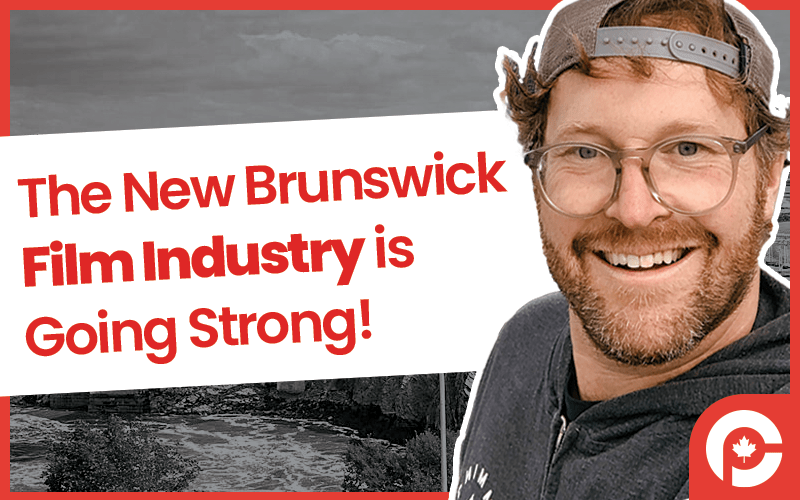
Episode
Greg Hemmings is an entrepreneur/filmmaker out of Saint John New Brunswick. His film companies, Hemmings House and Hemmings Films...
Key takeaways
- Understanding your core purpose as an entrepreneur—whether it's sharing stories, building community, or solving problems—provides the foundation for sustainable business growth and authentic decision-making.
- When forming partnerships, especially with friends, establish clear roles, decision-making authority, and exit strategies from the beginning to preserve both the business and the relationships.
- Building a culture of succession planning at every level of your organization ensures business continuity and creates pathways for team members to advance, reducing the need to hire externally for leadership positions.
- Certification programs like B-Corp status can serve as both a competitive advantage in the marketplace and an internal compass for making values-aligned decisions about which clients and projects to pursue.
- Operating as an entrepreneur in Atlantic Canada offers unique advantages through tight-knit networks and untapped opportunities, especially as remote work enables talented professionals to relocate and contribute to growing regional ecosystems.
Transcript
Full transcript page · Interactive episode
============================================================
TRANSCRIPTION WITH SPEAKERS
============================================================

[00:00] SPEAKER_01: Welcome to Canada's podcast.
[00:05] SPEAKER_01: Ladies and gentlemen, welcome to Canada's podcast.
[00:08] SPEAKER_01: I am your Atlantic Canada host. It's Rivers Corbett.
[00:12] SPEAKER_01: And, you know, so many great things are happening around the Atlantic Canada
[00:16] SPEAKER_01: and I get the luxury of hanging out with Brock Snare entrepreneurs.
[00:19] SPEAKER_01: And the one today, well, I don't say it enough to him,
[00:23] SPEAKER_01: but he not only connects with me intellectually,
[00:26] SPEAKER_01: but there's a lot of emotion hanging in my heart for this bit.
[00:29] SPEAKER_01: I want to welcome to the Canada's podcast.
[00:32] SPEAKER_01: Of course, great.
[00:33] SPEAKER_01: Great. Welcome to Canada.
[00:34] SPEAKER_00: Hey, remember somebody, man, I'm so glad to use the word intellectual
[00:39] SPEAKER_00: and me and kind of in the same thought.
[00:41] SPEAKER_00: So I appreciate that. That doesn't happen often.
[00:44] SPEAKER_01: Very rare, very rare, very rare.
[00:47] SPEAKER_01: I had to practice the word intellectual.
[00:50] SPEAKER_01: So it doesn't come much in my face either.
[00:52] SPEAKER_01: So let me get into a bit of a pile.
[00:55] SPEAKER_01: My buddy here is a great entrepreneur based on his st. John New Brunswick
[00:59] SPEAKER_01: lives by the river there and has been a passionate supporter of entrepreneurship
[01:05] SPEAKER_01: around the globe.
[01:06] SPEAKER_01: But of course, in his hometown of St. John New Brunswick,
[01:09] SPEAKER_01: he has two companies, Heming's House,
[01:11] SPEAKER_01: which we're going to talk about his journey, first of all,
[01:14] SPEAKER_01: with Heming's House, and he's been doing for decades.
[01:17] SPEAKER_01: And most recent, I don't know, I don't know, I don't mind saying the word pivot.
[01:22] SPEAKER_01: Heming's films, which we're going to talk about also,
[01:25] SPEAKER_01: where they focus more on making positive social environmental
[01:29] SPEAKER_01: change through film storytelling and lean in, get your blanket,
[01:34] SPEAKER_01: because storytelling is kind of cool with what this man does for sure.
[01:39] SPEAKER_01: I incorporated 2006 and his latest TV series Race Against the Tide
[01:46] SPEAKER_01: is currently airing on CBC Thursday nights at what time, Greg?
[01:50] SPEAKER_00: The PM across the country, Riverside and I have to just positive
[01:57] SPEAKER_00: for a second, this is how awful I am.
[02:01] SPEAKER_00: When I saw that, you know, when it was 8 p.m.,
[02:05] SPEAKER_00: all the CBC advertising said 8 p.m. EST, right?
[02:09] SPEAKER_00: Yeah.
[02:09] SPEAKER_00: Because it was very Toronto based advertising.
[02:11] SPEAKER_00: It was on the side of the buses, it took on the highway signs, all the signs.
[02:14] SPEAKER_00: Nice.
[02:15] SPEAKER_00: And I just did the math.
[02:16] SPEAKER_00: I was like, well, 8 o'clock ET is 9 o'clock, you know, AST.
[02:21] SPEAKER_00: So I told all of my friends, I even put a newsletter out for like,
[02:25] SPEAKER_00: I don't know, 1,500 people on the email, I said 9 o'clock,
[02:28] SPEAKER_00: 10 p.m.
[02:29] SPEAKER_00: And then everybody missed it.
[02:32] SPEAKER_00: I'm in the premier of the show and then I realized,
[02:36] SPEAKER_00: I remembered that CBC actually time shifts.
[02:39] SPEAKER_00: So you can watch a program at 8 p.m. in Atlanta, Canada.
[02:42] SPEAKER_00: That's not going to air for another 4 hours in Vancouver.
[02:46] SPEAKER_00: So they keep their 8 o'clock right across the country,
[02:49] SPEAKER_00: except if you're in Newfoundland.
[02:50] SPEAKER_00: It'd be a lot of fun.
[02:51] SPEAKER_00: So cool.
[02:52] SPEAKER_01: Yeah. Well, you know, because being Atlanta, Canada,
[02:55] SPEAKER_01: we always are in that mindset of what time zone are we in
[02:59] SPEAKER_01: and how it all relates to the, I don't know, but you,
[03:02] SPEAKER_01: when I'm dealing with our friends from Ontario and Quebec,
[03:05] SPEAKER_01: they're like, they say it's 8 o'clock.
[03:08] SPEAKER_01: They don't know other time zones.
[03:10] SPEAKER_01: They just know it's 8 o'clock.
[03:11] SPEAKER_01: And a phrase of West, the first of them, they say PST,
[03:15] SPEAKER_01: we say AST, and of course, I'm not freaking those.
[03:17] SPEAKER_01: When Newfoundland is except for the people in the Maritime.
[03:23] SPEAKER_01: So look, man, it's great to have you on the Canada's podcast.
[03:26] SPEAKER_01: Great to see you and all that kind of jazz.
[03:28] SPEAKER_01: I want to talk about your passion, your, your interest,
[03:33] SPEAKER_01: because you, one thing that you had been honest to,
[03:35] SPEAKER_01: and we talked about this with entrepreneurship,
[03:37] SPEAKER_01: is be honest to who you are and why you were on the platform.
[03:41] SPEAKER_01: So tell me why are you on planet earth?
[03:47] SPEAKER_00: That's a great question, Rivers.
[03:49] SPEAKER_00: I don't know what the real answer is,
[03:50] SPEAKER_00: but the one I've adopted is one of, you know,
[03:56] SPEAKER_00: there's definitely a purpose or, you know,
[03:58] SPEAKER_00: a gifting or skill or something of, you know,
[04:02] SPEAKER_00: having a passion to help share other people's stories.
[04:05] SPEAKER_00: You know, like, you know, sometimes people call me a story color
[04:07] SPEAKER_00: and I'll call myself a story color sometimes,
[04:09] SPEAKER_00: but I'm not really a story teller, a story shareer,
[04:12] SPEAKER_00: or a story amplifier.
[04:14] SPEAKER_00: And when I say that, what I really mean is, you know,
[04:17] SPEAKER_00: we make films and videos and commercials.
[04:20] SPEAKER_00: So we're telling, engaging stories of other people's lived experiences,
[04:27] SPEAKER_00: because we find them very interesting and worthy of being told.
[04:29] SPEAKER_00: And we amplify them through television documentaries,
[04:32] SPEAKER_00: who television series, or in the commercial side.
[04:35] SPEAKER_00: And it might be about, you know, the values of your corporation
[04:39] SPEAKER_00: or really how your product, you know,
[04:43] SPEAKER_00: has a really good clean supply chain and, you know,
[04:46] SPEAKER_00: all those different things.
[04:47] SPEAKER_00: We're telling other people's stories, helping amplify them.
[04:49] SPEAKER_00: And I think that's something that I've been drawn to.
[04:53] SPEAKER_01: Yeah, I think you've had been drawn to it.
[04:55] SPEAKER_01: I mean, I have had a beard with you many times,
[04:58] Speaker UNKNOWN: and of course, it's been falling for a few years.
[04:59] SPEAKER_01: Or many years one time.
[05:01] SPEAKER_01: And many years one time, which is probably the most unremarkable time
[05:05] SPEAKER_01: that we've ever been together.
[05:07] SPEAKER_01: But you, you know, storytelling always has always been part of your journey.
[05:12] SPEAKER_01: And so as a kid, what was your favorite story?
[05:16] SPEAKER_01: That you said, tell me it again.
[05:18] SPEAKER_01: And again.
[05:19] SPEAKER_01: And again.
[05:20] SPEAKER_00: Oh, interesting.
[05:23] SPEAKER_00: Okay, I don't have one, but I will tell you that my dad was a really good storyteller
[05:28] SPEAKER_00: when he's putting us to bed.
[05:30] SPEAKER_00: And I just said, even to the storyteller.
[05:31] SPEAKER_00: I'm your dad.
[05:32] SPEAKER_00: I know you're dad's an amazing storyteller.
[05:35] SPEAKER_00: I just remember these adventures he would tell about.
[05:39] SPEAKER_00: Because when we were younger, he used to take us into the caves in St. John,
[05:43] SPEAKER_00: like in Walker Park, and it was these amazing caves,
[05:45] SPEAKER_00: like a really deep into the earth.
[05:48] SPEAKER_00: And I had a great, one or great two.
[05:50] SPEAKER_00: It's thrilling and scary and awesome.
[05:52] SPEAKER_01: And when he took me in, did he say no figure I'd have to get out?
[05:55] SPEAKER_01: I said, we're going to get out.
[05:56] SPEAKER_01: Yeah, yeah.
[05:57] SPEAKER_00: I'm up in blindfolds, you know.
[05:59] SPEAKER_00: I was thinking it wasn't that scenario, but he'd be stories he would tell me.
[06:06] SPEAKER_00: And I remember just drifting off the sleep eventually.
[06:08] SPEAKER_00: But like, you know, this continuous story about these boys adventures into caves.
[06:13] SPEAKER_00: And like, you know, the classic, the classic dad storytelling things that would happen.
[06:19] SPEAKER_00: And I try to mimic that with my own kids now, probably not a successfully.
[06:24] SPEAKER_00: But, you know, as a kid, I just always enjoyed those type of made up as you go tech stories.
[06:32] SPEAKER_00: And I never really had, you know, like, I had a young age.
[06:39] SPEAKER_00: I might have been, you know, I was into Hardy Boys and things like that.
[06:44] SPEAKER_00: Yeah, there's Bogy Twins.
[06:46] SPEAKER_00: Did you ever read the Bogy Twins?
[06:47] SPEAKER_00: I never read the Bogy Twins, but...
[06:52] SPEAKER_00: Hardy Boys don't work.
[06:53] SPEAKER_00: Hardy Boys don't work.
[06:54] SPEAKER_00: And what not.
[06:56] SPEAKER_00: But, you know, it's...
[06:58] SPEAKER_00: For me, it was never really fiction or scripted that was my favorite.
[07:03] SPEAKER_00: My favorite was just capturing and archiving cool experiences with other people, good sharing them.
[07:09] SPEAKER_00: And that's what I realized at a very young age.
[07:11] SPEAKER_00: Like, I remember I found it recently, finding a journal in grade three.
[07:15] SPEAKER_00: We went to Hawaii, and my dad used to sell wood stoves.
[07:21] SPEAKER_00: And I think he sold a bunch of Vermont casting wood stoves and made flume to the national conference.
[07:28] SPEAKER_01: He was selling wood stoves to people in the world.
[07:33] SPEAKER_01: I think they're being celebrated there.
[07:35] SPEAKER_00: And I remember just logging the whole thing in a journal.
[07:38] SPEAKER_00: And I still have that journal.
[07:40] SPEAKER_00: So, I had this feeling of capturing events from a young age.
[07:44] SPEAKER_00: And then I started playing rock bands at a very young age too.
[07:48] SPEAKER_00: We just made a lot of noise in my parents' basement from grade five on up.
[07:51] SPEAKER_00: And I would record everything.
[07:54] SPEAKER_00: And then in high school, we started playing shows.
[07:56] SPEAKER_00: I still have moved outside the concert posters.
[08:00] SPEAKER_00: I got all the video tapes from back in the days.
[08:02] SPEAKER_00: I archived.
[08:03] SPEAKER_00: I was an archivist of experiences that I wanted to share in the future.
[08:10] SPEAKER_00: I don't know where that came from.
[08:12] SPEAKER_00: I have no idea.
[08:13] SPEAKER_00: But I realized nobody else started driving this amazing thing.
[08:16] SPEAKER_00: So, why not make it?
[08:18] SPEAKER_01: Well, you know, it's an interesting point you bring up.
[08:20] SPEAKER_01: I always, when I talk about being an entrepreneur, people say,
[08:27] SPEAKER_01: do you believe entrepreneurs are made or they're born?
[08:30] SPEAKER_01: Well, I think they're both.
[08:31] SPEAKER_01: But I think you have more success if you're actually born an entrepreneur at some level,
[08:36] SPEAKER_01: because it's already in you.
[08:39] SPEAKER_01: And you don't know why it's the case.
[08:42] SPEAKER_01: Why production?
[08:44] SPEAKER_01: Why do people want to be firemen?
[08:46] SPEAKER_01: Why do people...
[08:47] SPEAKER_01: I'm not a friend of mine.
[08:48] SPEAKER_01: He wants to be a correctional officer in renews.
[08:52] SPEAKER_01: And I'm just like,
[08:53] SPEAKER_01: well, I'm so glad you do, because I don't.
[08:56] SPEAKER_00: Yeah.
[08:57] SPEAKER_00: And I like to tell you that more.
[08:58] SPEAKER_00: And I do it.
[08:59] SPEAKER_00: And all the props to that guy.
[09:01] SPEAKER_00: There's probably something really interesting in that person's story.
[09:04] SPEAKER_00: I'm like, why they want to be a proctor totally, you know?
[09:07] SPEAKER_01: Totally, totally.
[09:08] SPEAKER_01: So I love that you did that.
[09:09] SPEAKER_01: I love that you did this.
[09:10] SPEAKER_01: So let's kind of, let's go to fast forward it,
[09:13] SPEAKER_01: because when you decided to start Heming's house in a traditional industry,
[09:21] SPEAKER_01: of course, where tons of money was being made at the time.
[09:24] SPEAKER_01: And so what went through you that you said,
[09:28] SPEAKER_01: I'm not going to Toronto.
[09:29] SPEAKER_01: I'm not going to New York.
[09:31] SPEAKER_01: I'm going to set it up right here.
[09:33] SPEAKER_01: What?
[09:34] SPEAKER_01: Yeah, well, yeah.
[09:35] SPEAKER_01: Just said, this is what I'm going to do.
[09:38] SPEAKER_00: Which I wasn't, that wasn't part of the plan, but I just,
[09:41] SPEAKER_00: I went to film school in Ontario.
[09:45] SPEAKER_00: And I immediately after graduating started working on future films,
[09:49] SPEAKER_00: joined the union to start doing that,
[09:51] SPEAKER_00: working up the ranks in the current apartment.
[09:54] SPEAKER_00: Used to belong to union?
[09:56] SPEAKER_00: No, no, no.
[09:57] SPEAKER_00: I quit that whole rocket years ago.
[09:59] SPEAKER_00: And in fact, I quit it to a point of.
[10:03] SPEAKER_00: You know, never wanting to go back.
[10:05] SPEAKER_00: I was just not a good scene.
[10:07] SPEAKER_00: And if I hear listeners or maybe even the show notes,
[10:10] SPEAKER_00: if you want to find a really,
[10:11] SPEAKER_00: the article that I wrote that went viral in the film industry,
[10:14] SPEAKER_00: it's called why I quit the film industry.
[10:17] SPEAKER_00: And why I want to do it to reframe it.
[10:20] SPEAKER_00: So we talked about a lot of the bullying tactics and the.
[10:24] SPEAKER_00: The top down power dynamic abuses that happened in the,
[10:28] SPEAKER_00: the future film world.
[10:30] SPEAKER_00: So anyway, I quit that and I.
[10:33] SPEAKER_00: Just long through very long interesting story short.
[10:36] SPEAKER_00: I ended up in the Caribbean because I was,
[10:38] SPEAKER_00: I was like, what the hell am I going to do with my life?
[10:40] SPEAKER_00: And adventure was only thing I was having me.
[10:42] SPEAKER_00: So I ended up living on a sailboat down there for a number of,
[10:45] SPEAKER_00: I was in the Caribbean for probably three, four years.
[10:47] SPEAKER_00: And I started archiving everything again,
[10:50] SPEAKER_00: about a video camera before I went down.
[10:53] SPEAKER_00: And I was like, I still love capturing moments with my video camera.
[10:57] SPEAKER_00: So then I started working on cruise ships and getting paid.
[11:01] SPEAKER_00: And then it's very fancy expensive,
[11:03] SPEAKER_00: avid editing gear and back then early 2000s.
[11:07] SPEAKER_00: To buy avid edits, we 150 grand.
[11:09] SPEAKER_00: I couldn't afford that.
[11:11] SPEAKER_00: Wow.
[11:12] SPEAKER_00: And then the summertime.
[11:13] SPEAKER_00: And I'd start editing.
[11:14] SPEAKER_00: I started filming music festivals and music documentaries.
[11:17] SPEAKER_00: And I edit them on the cruise ships on the fancy gear.
[11:20] SPEAKER_00: And I kept doing this.
[11:21] SPEAKER_00: I just started getting hired to do some corporate videos.
[11:25] SPEAKER_00: And then who was your first car?
[11:27] SPEAKER_00: Who was your first corporate client?
[11:28] SPEAKER_00: I've got two.
[11:30] SPEAKER_00: And I don't really quite remember which one.
[11:32] SPEAKER_00: Oh, no, no, I do remember what front of which.
[11:34] SPEAKER_00: So the first one was Laurie Weir.
[11:37] SPEAKER_00: No, no, no, we were totally new.
[11:39] SPEAKER_01: Yeah, Laurie, she would print that.
[11:41] SPEAKER_01: Where they pinnacle or something,
[11:43] SPEAKER_01: were they not doing finnacle?
[11:44] SPEAKER_00: Was it a new company?
[11:45] SPEAKER_00: Yeah, I think that's what it was.
[11:46] SPEAKER_00: Good, good memory.
[11:47] SPEAKER_00: So they were as far as I know,
[11:50] SPEAKER_00: when I was my parents' basement,
[11:51] SPEAKER_00: just as a solo video guy,
[11:52] SPEAKER_00: they were my first big client.
[11:54] SPEAKER_00: And then I started a company with my buddy,
[11:57] SPEAKER_00: and Tidian Glendrissol, called Hit Media.
[12:00] SPEAKER_00: And our first client there was Steve Belier,
[12:03] SPEAKER_00: of base engineering.
[12:05] SPEAKER_00: And we did a film on MotorCross Film in San Diego,
[12:09] SPEAKER_00: with MotorCross Legend Party Smith,
[12:12] SPEAKER_00: that Steve funded.
[12:14] SPEAKER_00: And so that was our very first paid gig at Hit Media.
[12:18] SPEAKER_00: And then we started doing a bunch of commercial stuff.
[12:21] SPEAKER_00: But at the same time, still doing TV work,
[12:23] SPEAKER_00: like we did a show called the,
[12:25] SPEAKER_00: that was a tidby show called,
[12:28] SPEAKER_00: The Useless Stocks Travel Show.
[12:30] SPEAKER_00: Yes, and then we ended up with a travel escape TV channel
[12:33] SPEAKER_00: back in the day, where we just go to roll the towns
[12:36] SPEAKER_00: and figure out what,
[12:37] SPEAKER_00: what useless stock they had,
[12:38] SPEAKER_00: like the biggest violin in the world.
[12:40] SPEAKER_01: And the world is in Cape Red, or...
[12:42] SPEAKER_01: Well, where's the biggest accent?
[12:44] SPEAKER_01: Where's the biggest accent?
[12:45] SPEAKER_01: Down the way.
[12:46] SPEAKER_00: You know, all the,
[12:48] SPEAKER_00: like funny little quirky things,
[12:49] SPEAKER_00: and then first we visited Dildone,
[12:51] SPEAKER_00: who from land, and all those other great little spots.
[12:55] SPEAKER_00: And then we...
[12:57] SPEAKER_00: So, you're just starting to feel...
[12:58] SPEAKER_01: It's hard to that.
[12:59] SPEAKER_01: Okay, you're doing all these,
[13:01] SPEAKER_01: but with any business,
[13:03] SPEAKER_01: there's, you know, business is in business to solve problems.
[13:07] SPEAKER_01: What was the problem that you were solving during that time period
[13:12] SPEAKER_01: when you just get hired again and again and again?
[13:14] SPEAKER_01: Because I think it's an important lesson in rural.
[13:16] SPEAKER_01: It sounds all good,
[13:16] SPEAKER_01: but you're just not just throwing stuff out there for the sake of...
[13:20] SPEAKER_01: You're actually helping people solve problems.
[13:23] SPEAKER_00: Yeah, well, in the case of those commercial clients,
[13:27] SPEAKER_00: they had a business need
[13:28] SPEAKER_00: that had to be solved through film storytelling.
[13:32] SPEAKER_00: Right.
[13:33] SPEAKER_00: Because, you know, there's no more powerful medium than video.
[13:38] SPEAKER_00: Photography is very, very powerful,
[13:41] SPEAKER_00: and can be more powerful than video.
[13:42] SPEAKER_00: But if you're trying to convey trust
[13:45] SPEAKER_00: and share a story in a way that people get engaged
[13:48] SPEAKER_00: and get connected with their hearts,
[13:50] SPEAKER_00: videos are very powerful to do that.
[13:51] SPEAKER_00: And you're trying to get the attention of a person with a customer
[13:54] SPEAKER_00: or other stakeholders.
[13:56] SPEAKER_00: Right.
[13:57] SPEAKER_00: And back in those days,
[13:58] SPEAKER_00: everybody didn't have a video camera in their pockets.
[14:00] SPEAKER_00: Right. Right.
[14:01] SPEAKER_00: They had to hire people like us.
[14:03] SPEAKER_00: So, there's a communication problem that we were solving
[14:07] SPEAKER_00: in that regard.
[14:08] SPEAKER_00: But on the TV side,
[14:09] SPEAKER_00: we were creating content
[14:12] SPEAKER_00: that we would hope that our customers,
[14:15] SPEAKER_00: which are broadcasters,
[14:16] SPEAKER_00: CTV,
[14:17] SPEAKER_00: Discovery, CBC,
[14:19] SPEAKER_00: they need...
[14:20] SPEAKER_00: They've got a mandate to tell stories across the country.
[14:22] SPEAKER_00: So, we're telling what our life's like on the East Coast.
[14:25] SPEAKER_00: Sure.
[14:25] SPEAKER_01: And they've got to bring values,
[14:27] SPEAKER_01: to bring viewers,
[14:27] SPEAKER_01: which ultimately bring advertisers, right?
[14:29] SPEAKER_01: You got it.
[14:31] SPEAKER_01: You got it.
[14:31] SPEAKER_01: That's the medium.
[14:33] SPEAKER_01: So, when did you...
[14:34] SPEAKER_00: Was it called Hamming Sows right from the beginning, or jamming?
[14:36] SPEAKER_00: No, no, that was independent medium productions.
[14:38] SPEAKER_00: Yeah, it was right from the beginning.
[14:40] SPEAKER_00: And I...
[14:41] SPEAKER_00: I spelt it wrong on the incorporation papers.
[14:43] SPEAKER_00: It was...
[14:44] SPEAKER_00: I did.
[14:44] SPEAKER_00: Yeah.
[14:44] SPEAKER_00: I spelt...
[14:45] SPEAKER_00: By mistake though,
[14:46] SPEAKER_00: I spelt independent with an A.
[14:47] SPEAKER_00: So, independent.
[14:49] SPEAKER_00: And then many months later,
[14:51] SPEAKER_00: someone said,
[14:51] SPEAKER_00: you know you spelt independent wrong.
[14:53] SPEAKER_00: I was like, what?
[14:54] SPEAKER_00: And then I started to try to play around with my logo.
[14:56] SPEAKER_00: I actually haven't answered as a logo.
[14:59] SPEAKER_00: I was thinking,
[14:59] SPEAKER_00: you look like...
[15:02] SPEAKER_00: So, anyway.
[15:04] SPEAKER_00: You got it, you got it.
[15:06] SPEAKER_00: You got it.
[15:07] Speaker UNKNOWN: You got it.
[15:07] SPEAKER_00: That's right.
[15:08] SPEAKER_00: You fixed the prop bandied it.
[15:10] SPEAKER_00: So, then we joined up with two of my buddies.
[15:13] SPEAKER_00: So, Hamming's age,
[15:14] SPEAKER_00: and you're all I...
[15:16] SPEAKER_00: And to be T.
[15:17] SPEAKER_00: So, hit media.
[15:19] SPEAKER_00: And I considered that season of three years as my MBA,
[15:24] SPEAKER_00: where, hey, we had a ball.
[15:26] SPEAKER_00: A lot of great times, great parties.
[15:29] SPEAKER_00: See, we threw awesome office parties.
[15:30] SPEAKER_00: And that...
[15:31] SPEAKER_00: But man, oh man,
[15:32] SPEAKER_00: did we ever lose money?
[15:33] SPEAKER_00: Did we ever make mistakes?
[15:34] SPEAKER_00: And I realized a lot of good lessons.
[15:39] SPEAKER_00: You know...
[15:40] SPEAKER_00: Give us a couple of...
[15:41] SPEAKER_00: What were the couple of?
[15:42] SPEAKER_00: Well, I would say, you know, with all literal do respect to my two friends from my partners,
[15:48] SPEAKER_00: who are their strengths.
[15:51] SPEAKER_00: And we all had our weaknesses, right?
[15:53] SPEAKER_00: But if you go in a three-way equal partnership with friends,
[15:58] SPEAKER_00: I don't discourage that,
[16:00] SPEAKER_00: but I would say,
[16:01] SPEAKER_00: I'm going to tread with caution,
[16:02] SPEAKER_00: because your friendships on the line,
[16:04] SPEAKER_00: because money and business and the division of work,
[16:09] SPEAKER_00: or assumed division of work,
[16:10] SPEAKER_00: we're all human.
[16:13] SPEAKER_00: And resentment happens.
[16:15] SPEAKER_00: Sure does.
[16:17] SPEAKER_00: And then, understanding how to get out of a partnership
[16:20] SPEAKER_00: without destroying a friendship,
[16:23] SPEAKER_00: at the onset is a good piece of...
[16:26] SPEAKER_00: No, one of my partners, Andrew,
[16:28] SPEAKER_00: he and I are still the best of buds.
[16:30] SPEAKER_00: You know, so...
[16:31] SPEAKER_00: Yeah.
[16:32] SPEAKER_00: And we started producing TV shows together right after.
[16:34] SPEAKER_00: It was all good, but it was just...
[16:36] SPEAKER_00: It was a notable lesson learned,
[16:38] SPEAKER_00: is somebody needs to be the boss.
[16:40] SPEAKER_00: It sounds crazy, especially.
[16:42] SPEAKER_00: And I'm a good time collaboration guy,
[16:45] SPEAKER_00: and very specialization.
[16:47] SPEAKER_00: Yeah.
[16:47] SPEAKER_00: Somebody needs to have final say,
[16:49] SPEAKER_00: and if it's an equal partnership,
[16:51] SPEAKER_00: those equal partners need to choose one of the three
[16:55] SPEAKER_00: to make decisions on finance,
[16:56] SPEAKER_00: or another one maybe on creative,
[16:58] SPEAKER_00: but to know your lane and respect your others' lanes.
[17:02] SPEAKER_00: But as an indoor company,
[17:03] SPEAKER_00: we wouldn't have thought of that.
[17:05] SPEAKER_00: So I think that would be a nice little nugget to leave
[17:07] SPEAKER_00: with any listeners.
[17:09] SPEAKER_01: Yeah, you know, I am...
[17:12] SPEAKER_01: In one, you're right,
[17:13] SPEAKER_01: they don't think about that.
[17:14] SPEAKER_01: And I remember when I was running RelaScore,
[17:16] SPEAKER_01: my burgers were Chef Ray Henry.
[17:18] SPEAKER_01: We set it up exactly from that at the beginning,
[17:20] SPEAKER_01: is that I was the CEO.
[17:22] SPEAKER_01: At the bucket of stop,
[17:24] SPEAKER_01: I was making the call.
[17:26] SPEAKER_01: And we also understood he ran ops,
[17:29] SPEAKER_01: and I ran marketing sales, etc.
[17:34] SPEAKER_01: And for most part,
[17:35] SPEAKER_01: he was able to do the...
[17:37] SPEAKER_01: He was able to say,
[17:38] SPEAKER_01: no, so we're doing for ops,
[17:39] SPEAKER_01: and I respected that.
[17:40] SPEAKER_01: It sort of was talented in it.
[17:41] SPEAKER_01: And I was doing the underside.
[17:43] SPEAKER_01: And you know, we live very well together during that time,
[17:46] SPEAKER_01: because we identified those one,
[17:48] SPEAKER_01: those areas of expertise in the beginning,
[17:50] SPEAKER_01: but then also respected them as we carry on.
[17:52] SPEAKER_01: I don't think we ever had to enact the corporate
[17:56] SPEAKER_01: veto rule during that time period,
[17:58] SPEAKER_01: because we just...
[17:59] SPEAKER_01: We just...
[18:00] SPEAKER_01: I think we chose roles.
[18:02] SPEAKER_01: Yeah, yeah.
[18:02] SPEAKER_01: I love that you mentioned that.
[18:04] Speaker UNKNOWN:
[18:05] SPEAKER_01: so, Heming says today,
[18:07] SPEAKER_01: where's it?
[18:07] SPEAKER_01: You got to be at least 20 years older or older.
[18:10] SPEAKER_01: Well, Heming says...
[18:11] SPEAKER_00: So I started that independent medium production.
[18:14] SPEAKER_00: I would say,
[18:18] SPEAKER_00: in 1999 maybe,
[18:20] SPEAKER_00: something in that era.
[18:21] SPEAKER_00: And then hit media was like 2003.
[18:26] SPEAKER_00: And then 2006 was Heming's house.
[18:30] Speaker UNKNOWN:
[18:31] SPEAKER_00: And Heming's house,
[18:31] SPEAKER_00: really from the onset,
[18:32] SPEAKER_00: was just me.
[18:34] SPEAKER_00: And then I brought in a couple of shareholders later on,
[18:38] SPEAKER_00: one of them being my wife,
[18:40] SPEAKER_00: and then another investor.
[18:44] SPEAKER_00: And we've been growing ever since,
[18:46] SPEAKER_00: and it's really cool,
[18:47] SPEAKER_00: because I've got guys who started with me in my basement.
[18:52] Speaker UNKNOWN: And I've been working with them for 15 years ago,
[18:53] SPEAKER_00: who are still working with me,
[18:55] SPEAKER_00: and leading the company.
[18:56] SPEAKER_00: It's great.
[18:57] SPEAKER_00: It's awesome.
[18:58] SPEAKER_01: So let's talk about that for a second,
[18:59] SPEAKER_01: because one thing that I hear a lot of entrepreneurs say,
[19:03] SPEAKER_01: is, I can't afford that person,
[19:04] SPEAKER_01: I can't afford that person,
[19:05] SPEAKER_01: I can't afford that person.
[19:06] SPEAKER_01: So 2006, as you're growing the company,
[19:09] SPEAKER_01: and you needed to bring in other people,
[19:13] SPEAKER_01: how did you navigate that,
[19:16] SPEAKER_01: when maybe you could afford them right away,
[19:18] SPEAKER_01: maybe you were ready to do that, but it's always the...
[19:21] SPEAKER_01: Well, yeah.
[19:21] SPEAKER_01: Yeah, I think it was a miracle.
[19:25] SPEAKER_00: I got no idea.
[19:28] SPEAKER_00: And I've got my books from those years,
[19:30] SPEAKER_00: all I could do is somewhere.
[19:31] SPEAKER_00: What are you doing?
[19:32] SPEAKER_00: You were probably made 30 grand,
[19:34] SPEAKER_00: or something like that.
[19:35] SPEAKER_00: The first year,
[19:35] SPEAKER_00: I was like, how did we support ourselves?
[19:38] SPEAKER_00: But we did have programs,
[19:41] SPEAKER_00: like Enterprise ain't showing,
[19:43] SPEAKER_00: I had great programs for...
[19:44] SPEAKER_00: Right, right.
[19:45] SPEAKER_00: And I remember the SEB,
[19:47] SPEAKER_00: the small enterprise,
[19:48] SPEAKER_00: or I don't know,
[19:50] SPEAKER_00: there was some federal funding for helping small companies,
[19:53] SPEAKER_00: you know, offset some of the costs of hiring.
[19:56] SPEAKER_00: And we had some pretty sweet retainer clients.
[20:01] SPEAKER_00: Like, my biggest client,
[20:03] SPEAKER_00: right off of gate,
[20:05] SPEAKER_00: was for having to us,
[20:06] SPEAKER_00: was Bel Alliance.
[20:07] SPEAKER_00: And we shot well over 2,000 hours in live music concert footage
[20:12] SPEAKER_00: in the first few years.
[20:14] SPEAKER_00: How did you get that client?
[20:15] SPEAKER_00: How did you get that client?
[20:16] SPEAKER_00: What's against the...
[20:17] SPEAKER_00: Shubba Democus,
[20:19] SPEAKER_00: was the VP there,
[20:21] SPEAKER_00: or I don't know, called VP,
[20:22] SPEAKER_00: but the guy who ran all of the local content
[20:25] SPEAKER_00: for Atlanta, Canada, for Bel.
[20:28] SPEAKER_00: And I remember him walking down our office at Hit Media,
[20:31] SPEAKER_00: because he just heard about us.
[20:33] SPEAKER_00: And he was like, walk there,
[20:34] SPEAKER_00: he was like, guys, you know, I had...
[20:36] SPEAKER_00: Walk there, didn't say any more. Walk there.
[20:38] SPEAKER_00: Walk there, walk there.
[20:39] SPEAKER_00: You want to meet you?
[20:40] SPEAKER_00: You know, we've got these hockey games,
[20:43] SPEAKER_00: and sports events,
[20:44] SPEAKER_00: and music concerts.
[20:45] SPEAKER_00: And I was like, ooh, music concerts,
[20:46] SPEAKER_00: because I started the business as a music film company.
[20:49] SPEAKER_02: Yeah.
[20:49] SPEAKER_00: And I said, we do that.
[20:50] SPEAKER_00: We are already doing that.
[20:52] SPEAKER_00: Here's a bunch of documentaries we've done.
[20:53] SPEAKER_00: I remember I told you,
[20:54] SPEAKER_00: I started with doing music talks.
[20:56] SPEAKER_00: And he's like, oh, she is.
[20:57] SPEAKER_00: Well, there's a concert coming into town.
[20:59] SPEAKER_00: Can you film it?
[20:59] SPEAKER_00: Like, yeah, we did three camera set up,
[21:01] SPEAKER_00: and then we just started bringing some jibs in.
[21:03] SPEAKER_00: And eventually we were doing all the harvest jams and blues.
[21:06] SPEAKER_00: We were doing all the Halifax bandas.
[21:09] SPEAKER_00: We were doing the ECMAs at the end,
[21:11] SPEAKER_00: with like, you know,
[21:12] SPEAKER_00: 910 cameras with jibs.
[21:14] SPEAKER_00: Remember how the...
[21:15] SPEAKER_01: What's a jib, man?
[21:16] SPEAKER_01: What's a jib?
[21:17] SPEAKER_01: I was like, a crane.
[21:18] SPEAKER_00: Okay, crane.
[21:20] SPEAKER_00: It goes over and...
[21:21] SPEAKER_00: I remember even Gordy Johnson from Big Sugar.
[21:24] SPEAKER_00: He, we hired him on the ECMAs in Cape Rattan
[21:27] SPEAKER_00: to ride the boards,
[21:29] SPEAKER_00: to do all the audio bars.
[21:31] SPEAKER_00: So we built really neat,
[21:33] SPEAKER_00: live music business.
[21:35] SPEAKER_00: And it wasn't crazy lucrative,
[21:37] SPEAKER_00: but it was lucrative enough to keep my guys paid.
[21:40] SPEAKER_02: Yeah.
[21:40] SPEAKER_00: And we did a lot of work with Radiance Six and Early Days
[21:45] SPEAKER_00: in what Radiance Six was starting.
[21:48] SPEAKER_00: And so having a few of those as retaining clients,
[21:51] SPEAKER_00: and we had a marketing agency,
[21:53] SPEAKER_00: the Revolution Strategy,
[21:54] SPEAKER_00: they hired us to launch a book,
[21:56] SPEAKER_00: cook, aquaculture, and the early days.
[21:58] SPEAKER_00: Yeah, enough.
[21:58] SPEAKER_00: Because there wasn't many of us in town doing video back then.
[22:02] SPEAKER_01: Right. Right.
[22:03] SPEAKER_01: There was a feeling.
[22:04] SPEAKER_00: Yeah.
[22:04] SPEAKER_00: But, you know, there was enough pie for everybody at that time.
[22:08] SPEAKER_00: And, yeah.
[22:10] SPEAKER_00: So we did it.
[22:11] SPEAKER_00: It was scrappy.
[22:12] SPEAKER_00: It was scrappy as it gets.
[22:13] SPEAKER_01: Yeah. Well, that's okay. Right.
[22:14] SPEAKER_01: That's the journey of it.
[22:15] SPEAKER_01: You know, the overnight success,
[22:16] SPEAKER_01: like 25 years.
[22:17] SPEAKER_01: So it was scrappy,
[22:19] SPEAKER_01: but you kept on going.
[22:20] SPEAKER_01: And what kept you going?
[22:21] SPEAKER_01: Was it just the juice in you?
[22:23] SPEAKER_01: I love freaking well what I do.
[22:25] SPEAKER_01: Did I say...
[22:27] SPEAKER_00: I would say,
[22:29] SPEAKER_00: for the majority of this,
[22:31] SPEAKER_00: this, this career has been really caring about the people around me.
[22:36] SPEAKER_00: And wanting, you know,
[22:37] SPEAKER_00: having a little bit of that
[22:38] SPEAKER_00: Eastern Canadian fear or insecurity, right?
[22:43] SPEAKER_00: Of, yeah.
[22:44] SPEAKER_00: All these people are building their lives
[22:45] SPEAKER_00: and their incomes are dependent on this business.
[22:49] SPEAKER_00: Yeah.
[22:49] SPEAKER_00: So I've had the sense of responsibility.
[22:52] SPEAKER_00: But only now we start,
[22:53] SPEAKER_00: I'm starting to get relaxed on because everybody's so pro here now.
[22:57] SPEAKER_00: They're just great professionals.
[22:58] SPEAKER_00: And they need me less and less.
[23:01] SPEAKER_00: You know?
[23:02] SPEAKER_00: Yeah.
[23:02] SPEAKER_00: So, but my motivation was to grow value in this region,
[23:07] SPEAKER_00: grow capacity,
[23:09] SPEAKER_00: and have fun doing it.
[23:11] SPEAKER_00: You know,
[23:12] SPEAKER_00: by doing fun films and working with cool companies.
[23:16] SPEAKER_00: That's what we've done.
[23:17] SPEAKER_01: Yeah.
[23:18] SPEAKER_01: So,
[23:19] SPEAKER_01: a couple of questions and we're going to kick it to Emmys films.
[23:24] SPEAKER_01: Is the whole environment around iPhones?
[23:29] SPEAKER_01: You know?
[23:30] SPEAKER_01: Android starts showing up into people's lives.
[23:34] SPEAKER_01: And there you are with this big production, big budget stuff.
[23:38] SPEAKER_01: How did you start to separate yourself
[23:41] SPEAKER_01: when that competition where everybody around the corner
[23:45] SPEAKER_01: was able to do some level of film production?
[23:49] SPEAKER_00: Well, in a way, it was really a blessing because
[23:52] SPEAKER_00: everybody's got a film studio in their pockets.
[23:54] SPEAKER_00: And anybody can do this,
[23:55] SPEAKER_00: but not everybody can do it well.
[23:57] SPEAKER_00: Right.
[23:58] SPEAKER_00: Right.
[23:58] SPEAKER_00: Now, not, nor does not everybody have the time
[24:02] SPEAKER_00: because to edit a three-minute piece together,
[24:04] SPEAKER_00: you might be working three days on it, four days.
[24:06] SPEAKER_00: So, you might be an entrepreneur that is an amazing filmmaker,
[24:10] SPEAKER_00: but you also got to run a business.
[24:12] SPEAKER_00: Right.
[24:13] SPEAKER_00: So, we didn't lose anything for that.
[24:15] SPEAKER_00: If anything, people started to respect what we do more.
[24:18] SPEAKER_00: Right.
[24:18] SPEAKER_00: Right.
[24:19] SPEAKER_00: So, there's always going to be, you know,
[24:21] SPEAKER_00: competition on the lower cost end for us.
[24:25] SPEAKER_00: But entry point for us,
[24:29] SPEAKER_00: not saying we don't do projects small,
[24:31] SPEAKER_00: that's because we do,
[24:31] SPEAKER_00: but we have to deliberate at the leadership team if we do.
[24:35] SPEAKER_00: But, you know, a $10,000 video is very much at the bottom
[24:39] SPEAKER_00: of like the right models.
[24:41] SPEAKER_00: But we do.
[24:42] SPEAKER_00: We'll do projects that are much better.
[24:43] SPEAKER_00: Yeah, sure.
[24:44] SPEAKER_00: But we have to decide.
[24:45] SPEAKER_00: It can be afford to do this.
[24:47] SPEAKER_00: Well, like average project size would be between 30 and 60
[24:51] SPEAKER_00: grand, right?
[24:52] Speaker UNKNOWN:
[24:52] SPEAKER_00: Right.
[24:52] SPEAKER_00: So, the single camera people that could be seen as competition
[24:58] SPEAKER_00: really are our allies because we hire them all the time to do well.
[25:02] SPEAKER_00: Right.
[25:03] SPEAKER_00: But also, we're not,
[25:04] SPEAKER_00: we don't sell video production.
[25:08] SPEAKER_00: We sell storytelling and strategy,
[25:10] SPEAKER_00: and then we hire really good-ass technicians that could be seen
[25:14] SPEAKER_00: as our competition,
[25:16] SPEAKER_00: but we brought it into the, into the fold, you know, and yeah.
[25:19] SPEAKER_01: Yeah.
[25:19] SPEAKER_01: Yeah.
[25:20] SPEAKER_01: You know, I see it's like with my company, Chef Toriel, you know,
[25:24] SPEAKER_01: food is the technical part of it.
[25:26] SPEAKER_01: We're all about building communities, bringing community together
[25:29] SPEAKER_01: around food and connecting with emotions and so on around that.
[25:34] SPEAKER_01: Food just happens to be the way we do it.
[25:36] SPEAKER_01: So, I love that analogy you make.
[25:38] SPEAKER_01: One more question.
[25:39] SPEAKER_01: And we're going to again,
[25:39] SPEAKER_01: we're going to kick into the Heming Spill.
[25:43] SPEAKER_01: Because that's a, I want to know,
[25:45] SPEAKER_01: but what do you, how you pivot it?
[25:46] SPEAKER_01: And we are, what's that point that you say,
[25:48] SPEAKER_01: I need to now look at something else.
[25:50] SPEAKER_01: I want to talk about, you said the guys,
[25:52] SPEAKER_01: you talked about them being your team,
[25:54] SPEAKER_01: you talked about them, you know, pretty well,
[25:56] SPEAKER_01: we're running the company.
[25:57] SPEAKER_01: For entrepreneurs that are at that stage of moving away
[26:01] SPEAKER_01: from their company,
[26:03] SPEAKER_01: would any recommendations on how they ultimately handed off
[26:07] SPEAKER_01: to the next generation?
[26:10] SPEAKER_01: Well, I mean, yeah,
[26:12] SPEAKER_00: succession is critical.
[26:14] SPEAKER_00: So, thankfully, over the last,
[26:18] SPEAKER_00: I'd say only two to three years,
[26:20] SPEAKER_00: we've been blocking the structure up for succession.
[26:23] SPEAKER_00: So, almost everybody,
[26:26] SPEAKER_00: right down to an intern level,
[26:29] SPEAKER_00: we are constantly training people to get ready for the next up.
[26:34] SPEAKER_00: Yeah.
[26:35] SPEAKER_00: Including Steve,
[26:36] SPEAKER_00: who is the president of my company,
[26:38] SPEAKER_00: who is pretty much run the ops of this thing forever.
[26:41] SPEAKER_00: Yeah.
[26:42] SPEAKER_00: And he knows how to be the CEO of this company,
[26:44] SPEAKER_00: because he's pretty much doing all those roles anyway.
[26:47] SPEAKER_00: He's not the figurehead, he's not out there speaking
[26:50] SPEAKER_00: and stuff like that.
[26:50] SPEAKER_00: He's actually running the company.
[26:52] SPEAKER_00: So, if I died tomorrow,
[26:54] SPEAKER_00: the company isn't going to miss a beat.
[26:58] SPEAKER_00: And Steve has people that,
[27:00] SPEAKER_00: I don't like saying under,
[27:01] SPEAKER_00: but like straight up,
[27:02] SPEAKER_00: it's something happening to Steve.
[27:03] SPEAKER_00: There are people smart enough to get up,
[27:06] SPEAKER_00: right up up.
[27:07] SPEAKER_00: And the whole system is about succession.
[27:09] SPEAKER_00: And I would say,
[27:13] SPEAKER_00: if you can create a culture of succession,
[27:17] SPEAKER_00: knowing that exiting might never happen,
[27:20] SPEAKER_00: it might be in 50 years,
[27:22] SPEAKER_00: but always plan on what's written on Steve.
[27:25] SPEAKER_00: Somebody bail or can't work anymore,
[27:29] SPEAKER_00: who else is going to quickly slide up,
[27:31] SPEAKER_00: so we don't have to hire.
[27:32] SPEAKER_00: Like, my dream is not to hire at executive level ever.
[27:37] SPEAKER_00: Always bringing leaders up, right?
[27:40] SPEAKER_00: And that's just a really smart way of doing things.
[27:43] SPEAKER_01: Cool, man.
[27:45] SPEAKER_01: Heming's film.
[27:46] SPEAKER_01: So, what goes through your head when you say,
[27:49] SPEAKER_01: okay, I got to move here.
[27:51] SPEAKER_01: I got to, it's time to quote unquote, diversify outside of Heming's.
[27:55] SPEAKER_01: I was into this thing called Heming's Films.
[27:58] SPEAKER_01: I don't know how you came up with the word Heming's Films.
[28:01] SPEAKER_01: No clue how that happened.
[28:02] SPEAKER_01: But, well, let me even.
[28:06] SPEAKER_00: Just as a point of humor,
[28:08] SPEAKER_00: let me see if Heming's Films is still leading right now in the boardroom.
[28:13] SPEAKER_00: No, they're not.
[28:14] SPEAKER_00: But I'm going to, oh,
[28:16] SPEAKER_00: there's always in there.
[28:17] SPEAKER_00: Anyway, the,
[28:19] SPEAKER_00: the film was incorporated the same time as Heming's House.
[28:25] SPEAKER_00: I'm going to go actually into my real office now,
[28:27] SPEAKER_00: because it seems like everybody's gone.
[28:29] SPEAKER_00: Amazing.
[28:29] SPEAKER_00: Yeah, we can.
[28:31] SPEAKER_00: Okay, here we go.
[28:32] SPEAKER_00: I want to work for Heming's Films House.
[28:35] SPEAKER_00: Yeah, it's a film.
[28:36] SPEAKER_00: So, what we did was,
[28:38] SPEAKER_00: when you make a TV show or a feature film,
[28:42] SPEAKER_00: for liability reasons,
[28:44] SPEAKER_00: you have to incorporate a new company every time.
[28:46] SPEAKER_00: So, we just finished,
[28:48] SPEAKER_00: really, race against the tide.
[28:50] SPEAKER_00: Yeah.
[28:50] SPEAKER_00: This is a big project, you know,
[28:51] SPEAKER_00: and it's a lot of films, right?
[28:53] SPEAKER_00: That's how many films you do that.
[28:54] SPEAKER_00: Yeah, and we co-produced that with Marvel Media as Toronto.
[28:57] SPEAKER_00: And Marvel is very highly respected production company.
[29:00] SPEAKER_00: They can kick ass content.
[29:02] SPEAKER_00: And that's a big budget project.
[29:05] SPEAKER_00: So, what has to happen there is,
[29:08] SPEAKER_00: Marvel Media, In Toronto,
[29:10] SPEAKER_00: and Heming's Films will create a new,
[29:12] SPEAKER_00: a single-purpose company that will,
[29:16] SPEAKER_00: it's only objective is to produce that one season
[29:19] SPEAKER_00: of the TV show.
[29:20] SPEAKER_00: That's it.
[29:20] SPEAKER_00: Wow.
[29:21] SPEAKER_00: So, and it has to be that way,
[29:23] SPEAKER_00: because CDC does not want the interest
[29:26] SPEAKER_00: of any other project in the company to be a liability
[29:29] SPEAKER_00: to the project, right?
[29:31] SPEAKER_00: So, every time we do a TV show,
[29:33] SPEAKER_00: we're from our first wrestling TV show that we did way,
[29:36] SPEAKER_00: way back in the old days,
[29:37] SPEAKER_00: I had wrestling world pictures,
[29:38] SPEAKER_00: one, wrestling world pictures, too.
[29:40] SPEAKER_00: Cubicle to the cage,
[29:41] SPEAKER_00: which is our MMA series.
[29:43] SPEAKER_00: Cubicle, I was called Heming's Cubes,
[29:46] SPEAKER_00: was that company.
[29:47] SPEAKER_00: So, I, you know,
[29:47] SPEAKER_00: I should have had a full-time legal on it,
[29:50] SPEAKER_00: because it's incorporating all the time.
[29:52] SPEAKER_00: That's a different business model than our commercial side,
[29:55] SPEAKER_00: which is, it doesn't matter.
[29:57] SPEAKER_00: We, we, we, we, we, we, we, we,
[29:59] SPEAKER_00: and litigation is minimal on outside.
[30:01] SPEAKER_00: Where, if you're doing TV shows,
[30:03] SPEAKER_00: it's just, there's more risk in, in that sort of thing.
[30:07] SPEAKER_00: So, right from the beginning, I had,
[30:08] SPEAKER_00: so I've had Heming's films,
[30:10] SPEAKER_00: so as long as I've had Heming's house.
[30:11] SPEAKER_00: It's just that nobody,
[30:13] SPEAKER_00: and I called it Heming's films,
[30:15] SPEAKER_00: because I didn't think it'd ever be a forward-facing brand,
[30:18] SPEAKER_00: because everything's under Heming's house, right?
[30:19] SPEAKER_01: Of course, yes.
[30:21] SPEAKER_00: But,
[30:23] SPEAKER_00: as we've been growing,
[30:25] SPEAKER_00: there's been confusion in the market.
[30:27] SPEAKER_00: And I don't think it's been detrimental.
[30:29] SPEAKER_00: But, you know, if you follow me on LinkedIn or Instagram or Facebook,
[30:34] SPEAKER_00: you know, I talk about the stuff I'm passionate about,
[30:36] SPEAKER_00: which is documentaries,
[30:37] SPEAKER_00: it's social impact,
[30:38] SPEAKER_00: and my TV series and stuff.
[30:39] SPEAKER_00: But I'm passionate about the commercial stuff, too, right?
[30:42] SPEAKER_00: Yes.
[30:43] SPEAKER_00: You and I were talking about this right before we press a chord,
[30:45] SPEAKER_00: that, you know, in this company,
[30:47] SPEAKER_00: I'm pretty much,
[30:48] SPEAKER_00: have been traditionally the voice on social media.
[30:51] SPEAKER_00: Yeah.
[30:51] SPEAKER_00: And so we were,
[30:55] SPEAKER_00: you know, the rest of the company,
[30:56] SPEAKER_00: it was actually the heartbeat of the company,
[30:58] SPEAKER_00: the commercial side,
[30:59] SPEAKER_00: wasn't getting much outward messaging from me.
[31:03] SPEAKER_00: And we're like,
[31:03] SPEAKER_00: maybe it's time to actually brand separate, you know?
[31:07] Speaker UNKNOWN:
[31:08] SPEAKER_00: So, nothing's different now,
[31:09] SPEAKER_00: except the fact that we are now building a team
[31:13] SPEAKER_00: and building capacity in Heming's films to only look at developing cool productions.
[31:18] SPEAKER_00: And so that's it.
[31:19] SPEAKER_00: So it's kind of,
[31:20] SPEAKER_00: it's old news,
[31:21] SPEAKER_00: but with new approach.
[31:23] SPEAKER_01: Well, it's news to me,
[31:24] SPEAKER_01: and then I,
[31:25] SPEAKER_01: you know,
[31:26] SPEAKER_01: I remember Heron's,
[31:27] SPEAKER_01: I'm a,
[31:28] Speaker UNKNOWN:
[31:28] SPEAKER_01: I've seen Richard Branson's,
[31:30] SPEAKER_01: my mentor,
[31:30] SPEAKER_01: he doesn't know he is,
[31:31] SPEAKER_01: but he is.
[31:32] SPEAKER_01: And he talks about when his companies get to 100,
[31:35] SPEAKER_01: he splits them up into 50s,
[31:37] SPEAKER_01: because he wants to maintain that entrepreneurial spirit
[31:39] SPEAKER_01: and find the bigger they get,
[31:41] SPEAKER_01: those that spirits get lost.
[31:42] SPEAKER_01: So, so great reasons to do what it is you're doing.
[31:45] SPEAKER_01: But you're a quote-unquote certified B-Corp.
[31:50] SPEAKER_01: So tell people what that is,
[31:54] SPEAKER_01: and then what does that mean for Heming's films?
[31:58] SPEAKER_00: Yeah, well B-Corporation,
[31:59] SPEAKER_00: go to B-Corporation.net,
[32:01] SPEAKER_00: if you want to learn more.
[32:03] SPEAKER_00: It's certification of companies that are certified, audited,
[32:09] SPEAKER_00: to live to the values that they,
[32:10] SPEAKER_00: they suggested they live by.
[32:13] SPEAKER_00: So we've all been B-Corp people.
[32:14] SPEAKER_01: The B-Corp people serve it for themselves.
[32:16] SPEAKER_01: I mean, you agree,
[32:17] SPEAKER_01: you're going to live like a B-Corp.
[32:18] SPEAKER_00: It's like, you know, certified organic
[32:21] SPEAKER_00: or certified free trade.
[32:22] SPEAKER_00: Yeah, fair trade.
[32:24] SPEAKER_00: Like, it's a certifying body that you have to prove
[32:27] SPEAKER_00: that you're living up to certain standards.
[32:30] SPEAKER_00: B-Corp is the highest environmental standards,
[32:33] SPEAKER_00: higher social standards,
[32:34] SPEAKER_00: and sort of fiscal standards.
[32:37] SPEAKER_00: So if you're running your company well,
[32:39] SPEAKER_00: there's a good chance you can be a B-Corp.
[32:42] SPEAKER_00: If your company is building arms for the international war machine,
[32:47] SPEAKER_00: that you probably won't be able to get in,
[32:49] SPEAKER_00: that's okay.
[32:50] SPEAKER_00: But, you know,
[32:51] SPEAKER_00: a good chunk of companies have the ability.
[32:55] SPEAKER_00: You can even work in oil and gas,
[32:57] SPEAKER_00: which is notoriously not great for the environment.
[33:00] SPEAKER_00: But you can have a company in the supply chain of oil and gas at the B-Corp,
[33:05] SPEAKER_00: that is doing something to help clean up the carbon issue of the oil industry.
[33:10] SPEAKER_00: Let's just say, you know, or maybe you're a machine company or something,
[33:13] SPEAKER_00: because you need a certain amount of points on social environmental standards
[33:18] SPEAKER_00: and fiscal standards to become a B-Corp 80 points out of 200 to become one.
[33:23] SPEAKER_00: The average good company in Canada,
[33:26] SPEAKER_00: that's a company just doing good work, you know, is 24 points.
[33:30] SPEAKER_00: That's the average thing.
[33:31] SPEAKER_00: Think about that.
[33:32] SPEAKER_00: So you have to go way above.
[33:34] SPEAKER_00: And going above and beyond doesn't mean necessarily acting more.
[33:37] SPEAKER_00: It's about documenting more.
[33:39] SPEAKER_00: So, if you say that you're trying to reduce your carbon footprint as a company,
[33:47] SPEAKER_00: we'll prove it.
[33:48] SPEAKER_00: How are you doing that?
[33:49] SPEAKER_00: Show us the paper.
[33:51] SPEAKER_00: So it's definitely an effort.
[33:53] Speaker UNKNOWN:
[33:53] SPEAKER_00: It's definitely an effort, if you say,
[33:55] SPEAKER_00: oh yeah, we've got a maternity paternity leave policy.
[33:58] SPEAKER_00: Okay, well, let's see it.
[33:59] SPEAKER_00: Where is it?
[33:59] SPEAKER_00: I was like, oh, it's not written down.
[34:01] SPEAKER_00: Okay, well, you better write down if you want to get the points to get in.
[34:04] SPEAKER_00: So it actually forces you to become a good, well-documented company.
[34:10] SPEAKER_01: So why is that important to you?
[34:13] Speaker UNKNOWN:
[34:13] SPEAKER_01: And what do you mean?
[34:14] SPEAKER_01: I mean, you as a personality, why?
[34:16] SPEAKER_01: Let me first phrase this.
[34:17] SPEAKER_01: Why is that important to your customers?
[34:20] SPEAKER_01: Because I would think there's going to be some commercial value off of that.
[34:23] SPEAKER_01: That sort of thing.
[34:24] SPEAKER_00: 100%.
[34:25] SPEAKER_00: Like for us, it's a little bit of a yardstick or, you know, a lighthouse or something of saying,
[34:31] SPEAKER_00: you know, helping us make decisions.
[34:33] SPEAKER_00: Like, should we do this piece of work that might not be totally in line with our values as people?
[34:40] SPEAKER_00: You know, our people values within the company.
[34:42] SPEAKER_00: Yeah.
[34:42] SPEAKER_00: We went through many, many seasons of this company doing work that did not rub us well as humans.
[34:48] SPEAKER_00: You know, like, oh, we're contributing to something that's, but we need the money.
[34:51] SPEAKER_00: You know, but if you're certified B-Corp, you can use that as a really positive excuse to say,
[34:57] SPEAKER_00: I'm so sorry, I really respect you, client, but that piece of work,
[35:02] SPEAKER_00: we just, it's not in line with the values of the company and we're certified B-Corp.
[35:06] SPEAKER_00: I hope you understand.
[35:07] SPEAKER_00: It just kind of helps, you know, and the other thing is for the, on the market side, on the flip side,
[35:15] SPEAKER_00: it's a competitive advantage because it's just something else to talk about.
[35:18] SPEAKER_00: They're like, oh, right, right.
[35:19] SPEAKER_00: Oh, let us tell you, you know, we're not, I'm not shoving all the profits into my pocket.
[35:23] SPEAKER_00: I'm, you know, into the owner's pocket.
[35:25] SPEAKER_00: I'm actually listening and all these X, Y and Z things, you know, including, you know,
[35:30] SPEAKER_00: good benefits for my employees and whatever, whatever, whatever the things are at that.
[35:35] SPEAKER_01: So being a member of the, being a member of the RKYC is not good enough as a certification process
[35:43] SPEAKER_01: or posing good questions of interest to your clients.
[35:47] SPEAKER_00: Well, I, I suppose I could spin it that way.
[35:50] SPEAKER_00: Yeah, it's awesome.
[35:52] SPEAKER_01: And actually, where are you a member?
[35:53] Speaker UNKNOWN: Where are you, where are you, our book club?
[35:54] SPEAKER_00: Are you just having an excited your own?
[35:55] SPEAKER_00: I've got my own boring.
[35:57] SPEAKER_00: So I'm at the Reagan Point Boy Club, book club.
[35:59] SPEAKER_00: I'm also an associate member at the RKYC and now I'm officially a member of the, at the
[36:05] SPEAKER_00: San John Power Book Club.
[36:06] SPEAKER_00: Because I can leave my boat in the water.
[36:08] SPEAKER_00: I'll win to this here.
[36:09] SPEAKER_01: Yeah, they have a bubble system.
[36:10] SPEAKER_01: Don't they have the, yeah, they join?
[36:13] SPEAKER_01: Yeah.
[36:13] SPEAKER_01: Yeah.
[36:14] SPEAKER_01: Yeah.
[36:14] SPEAKER_01: So, well, so, so thank you for walking people through that.
[36:19] SPEAKER_01: I think that that's an important value statement.
[36:22] SPEAKER_01: And of course, attracts not only great clients, but of course, great, called team members.
[36:27] SPEAKER_01: I always hated the word employees.
[36:29] SPEAKER_01: So, great team members who tie into that value proposition, particularly, you know, with this generation,
[36:35] SPEAKER_01: whatever the younger generation is, they're very, quite changes that, you know, I applaud them for doing that.
[36:41] SPEAKER_01: So, that's very, very cool.
[36:43] SPEAKER_01: Closing up, tell us about race against the tide.
[36:47] SPEAKER_00: Yeah.
[36:47] SPEAKER_00: So, again, good friends of our smart will medium led by Mark Bishop and his partner Mark Hornberg,
[36:55] SPEAKER_00: our Toronto film producers.
[36:58] SPEAKER_00: Mark is from here from Ross, originally.
[37:01] SPEAKER_00: And we kind of, I jumped into the industry just a few years after they got their start.
[37:06] SPEAKER_00: And they have created a beautiful company that has done incredible work.
[37:12] SPEAKER_00: You've seen their shows on TV and on Netflix.
[37:14] SPEAKER_00: They've really done a great job.
[37:16] SPEAKER_00: And every time I see those guys, I'd be like, you know, we got to do something together.
[37:20] SPEAKER_00: And one of these days, we got to do something as new bronzer focus.
[37:23] SPEAKER_00: And we finally did.
[37:25] SPEAKER_00: And it was called race against the tide and concept that they developed and they invited us to become the new bronzer partners on.
[37:32] SPEAKER_00: And so we co-produced this thing for CBC.
[37:34] SPEAKER_00: And so, every Thursday night, 8 p.m., like we said earlier, that's competition reality show where sand sculptors, incredibly talented sand sculptors come down.
[37:43] SPEAKER_00: And they're new, you were beach on the day of on dates.
[37:46] SPEAKER_00: And then go to these sand castles.
[37:48] SPEAKER_00: And by the time the tide reaches the castle, it falls apart.
[37:52] SPEAKER_00: And then the judges go through and figure out who wins.
[37:54] SPEAKER_00: And someone gets kicked off the beach every episode.
[37:56] SPEAKER_00: So you got to check it out.
[37:58] SPEAKER_00: You got to see it.
[37:59] SPEAKER_00: I don't know when that's going to come out.
[38:01] SPEAKER_01: Let me take a guess.
[38:02] SPEAKER_01: 8 p.m. every night.
[38:04] SPEAKER_01: I should be on CBC because that's Thursday night.
[38:07] SPEAKER_01: It's going to be Thursday night.
[38:08] SPEAKER_01: Thursday night.
[38:09] SPEAKER_01: So just a second.
[38:10] SPEAKER_01: I'm watching Jim CBC.
[38:12] SPEAKER_00: Jim as well.
[38:13] SPEAKER_00: So, in fact, you can watch anytime on jam.
[38:16] SPEAKER_00: Like you don't have to watch on television.
[38:19] SPEAKER_00: So, yeah, that's fun.
[38:20] SPEAKER_00: Just another example of a little secret called the bronzer about all the cool things we got to share with the world.
[38:26] SPEAKER_00: So let me give you one of my little secrets.
[38:28] SPEAKER_01: You may or may not know about that being a TV guru or I didn't know if you know this, but my family was the first family chosen to be on family food.
[38:38] SPEAKER_01: I don't know if you knew that based on you used to use st. John your browser.
[38:43] SPEAKER_01: We were the first one to be on family food.
[38:46] SPEAKER_01: And there was another thing.
[38:47] SPEAKER_01: Of course, they had the family was chosen after us to go against.
[38:50] SPEAKER_01: And so not only were we the first family chosen, but we were the first family to lose on family food also.
[38:58] SPEAKER_01: The one said we have a little wire.
[39:00] SPEAKER_01: We have done a little wire.
[39:02] SPEAKER_01: It was a great, great journey.
[39:04] SPEAKER_01: And another thing, St. John, or you can be proud of for years truly.
[39:10] SPEAKER_01: So, bro, tell me what's the best way for people to hang out with you in a way that you're going to freaking answer them.
[39:19] SPEAKER_00: Well, you know, I try my best to, let's respond to my inboxes on LinkedIn and Facebook.
[39:29] SPEAKER_00: But I'm really slow these days and I apologize for that.
[39:33] SPEAKER_00: But if I ever really actually want to hold a nation's my email, Greg at HemingSos.com.
[39:37] SPEAKER_00: It just sent me a link to it on Facebook.
[39:39] SPEAKER_00: I will get to it eventually.
[39:41] SPEAKER_00: But I'm going to try to start engaging better.
[39:46] SPEAKER_01: I like to consider myself at least beyond the double a list, let alone the triple a list of Craig.
[39:52] SPEAKER_01: And he does get back to me occasionally too.
[39:54] SPEAKER_01: So, there's loving is hard for everybody.
[39:57] SPEAKER_01: But sometimes it takes it 20 year, Frank, yet the really moving up the order.
[40:03] SPEAKER_01: I can always call me anytime, brother.
[40:05] SPEAKER_01: Yeah, I know.
[40:06] SPEAKER_01: And you are a great friend and you have been great friend of the entrepreneurship community and so on.
[40:12] SPEAKER_01: So, sorry, one last question before you go talk about what it's like to be an entrepreneur in Atlanta, Canada.
[40:18] SPEAKER_00: I think it's exciting.
[40:20] SPEAKER_00: It sounds crazy.
[40:21] SPEAKER_00: It's the wildest wild wild.
[40:22] SPEAKER_00: Yeah, yeah, where it's kind of untouched canvas, you know, if you're bold enough to do something here,
[40:29] SPEAKER_00: you can really find the flow of our hyper networks.
[40:34] SPEAKER_00: And, you know, well, well, like, but nothing's easy here at all.
[40:40] SPEAKER_00: But that's a challenge.
[40:42] SPEAKER_00: It's the fun challenge, you know, and you can do cool.
[40:45] SPEAKER_00: Like it's interesting.
[40:46] SPEAKER_00: All these neat people have been moving back there, my sure fresh, Wes, as we all remember,
[40:51] SPEAKER_00: he was just in the office before he called.
[40:53] Speaker UNKNOWN:
[40:54] SPEAKER_00: So there's people like Wes who have moved here to the Atlanta, Canada or to the bronzer.
[40:59] SPEAKER_00: And he's finding a brand new life for himself here, like creative life.
[41:03] SPEAKER_00: Like, rock, tank, kids doing all these cool things that like,
[41:07] SPEAKER_00: you definitely could have done Toronto.
[41:09] SPEAKER_00: But there's a new type of flow that he's got here, new network, a new environment.
[41:14] SPEAKER_00: All these sort of things.
[41:16] SPEAKER_00: Really, it's if you're ready for an adventure, I would strongly encourage people to think,
[41:23] SPEAKER_00: oh, this isn't an underneath thing.
[41:24] SPEAKER_00: St. John does have a, what do you call it?
[41:27] SPEAKER_00: The work, cation program, where if you are just for on or anywhere else across the country,
[41:32] SPEAKER_00: if you want to try St. John out for three weeks, there's funding available to help you get a co-working space.
[41:38] SPEAKER_00: They will offset some of your living expenses.
[41:41] SPEAKER_00: Like, it's a great deal.
[41:42] SPEAKER_00: Come try it out.
[41:42] SPEAKER_00: And then we want more creative, motivated entrepreneurial, artistic people to consider coming here.
[41:53] SPEAKER_00: Because our ecosystems getting bigger and bigger and stronger as the COVID was really a weird blessing in that way.
[41:59] SPEAKER_00: It's a lot of really neat people move back here.
[42:02] SPEAKER_00: That's so cool, dude.
[42:03] SPEAKER_01: Well, keep on rockin.
[42:05] SPEAKER_01: You're a great family again.
[42:08] SPEAKER_01: You're a great asset to not just St. John, but Atlanta, Canadian region.
[42:12] SPEAKER_01: So keep on happening, brother.
[42:14] SPEAKER_01: We'll be back to you with all of this magic and hopefully we'll pass the test with the production that we're going to ultimately create from the end of real.
[42:22] SPEAKER_01: I love my rockin.
[42:24] SPEAKER_01: We'll be in touch.
[42:24] SPEAKER_01: Let's see if I can fight you.
[42:26] SPEAKER_01: Bye.
[42:26] Speaker UNKNOWN: