
Gabriel Musso
Episode
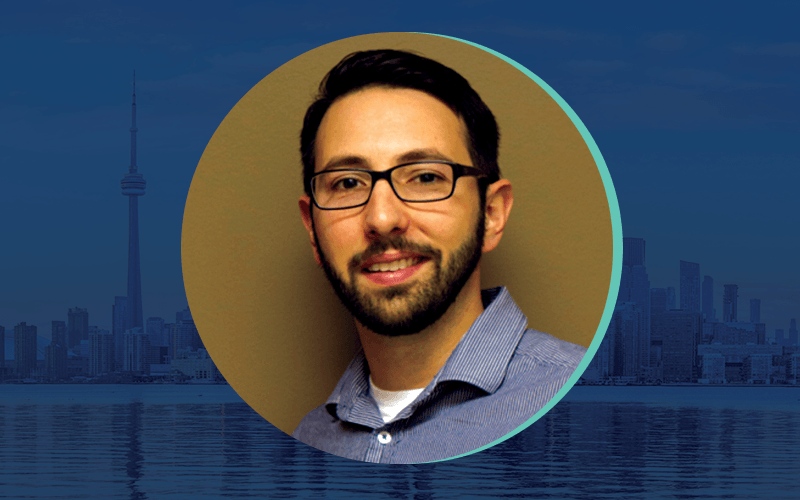
Gabriel Musso is the Chief Science Officer at BioSymetrics Inc., which applies technology and machine learning to improve drug...
Key takeaways
- Surrounding yourself with the right people—talented team members and experienced board members—makes all the difference in building confidence and sustaining the long hours required in a startup.
- A company can be profitable without being investable, or investable without being profitable, especially in biotech where successful companies often remain revenue-negative while scaling.
- Taking the wrong money can destroy a business, so carefully evaluate whether investors share your vision and values before accepting funding, even when resources are desperately needed.
- The biggest challenge in applying AI to biomedical data isn't the AI itself—it's the time-consuming upstream work of standardizing and normalizing data before models can even be built.
- Focus on your people first; keeping your team happy and less stressed than you are should be a primary concern when running a startup.
Transcript
Full transcript page · Interactive episode
============================================================
TRANSCRIPTION WITH SPEAKERS
============================================================

[00:00] SPEAKER_01: It's Toronto's podcast on the Canada's podcast network.
[00:04] SPEAKER_01: Hi, I'm Celine Williams, International Speaker,
[00:06] SPEAKER_01: Reese's Strategist and co-host for the Ontario podcast
[00:10] SPEAKER_01: of Canada's podcast.
[00:11] SPEAKER_01: And I'm here at Collision Conference in Toronto with Gabe Musso,
[00:15] SPEAKER_01: who is the Chief Sciences Officer of BioSymmetrics.
[00:18] SPEAKER_01: Gabe is the Hemner-Reader Bio.
[00:20] SPEAKER_03: Yeah, please.
[00:21] SPEAKER_01: The head of life sciences at CSO and head of life sciences
[00:25] SPEAKER_01: for BioSymmetrics.
[00:25] SPEAKER_01: He is expanding BioSymmetrics scientific leadership
[00:28] SPEAKER_01: in their key healthcare and biomedical markets
[00:30] SPEAKER_01: for their Augusta platform.
[00:33] SPEAKER_01: Previously, he was the associate scientist
[00:35] SPEAKER_01: of Brigham and Women's Hospital,
[00:36] SPEAKER_01: where it's worked focused on using machine learning frameworks
[00:38] SPEAKER_01: to predict gene and small molecule function.
[00:41] SPEAKER_01: And identification of disease,
[00:43] SPEAKER_01: causal genes using large-scale genomic data sets.
[00:46] SPEAKER_01: That's a lot of science works.
[00:47] SPEAKER_01: Rules of the time.
[00:48] SPEAKER_01: Yeah, very easy to say.
[00:50] SPEAKER_01: So tell me a little bit about BioSymmetrics
[00:53] SPEAKER_01: and your journey to becoming the Chief Science Officer
[00:55] SPEAKER_01: and an entrepreneur and joining this exciting world,
[00:57] SPEAKER_01: especially coming from the world of hospitals.
[01:00] SPEAKER_03: Yeah, I never recommend my path to anybody.
[01:03] SPEAKER_03: It's kind of an interesting story.
[01:06] SPEAKER_03: So I was a postdoc for a long time.
[01:08] SPEAKER_03: I was working at Harvard Med School.
[01:10] SPEAKER_03: My project was coming along.
[01:12] SPEAKER_03: And then for personal reasons, we moved back to Toronto,
[01:15] SPEAKER_03: which was fantastic.
[01:16] SPEAKER_03: I love the city.
[01:16] SPEAKER_03: I love being here.
[01:18] SPEAKER_03: And so I started to look at what was available.
[01:20] SPEAKER_03: There was this emerging startup scene
[01:21] SPEAKER_03: that I had only been away from the city for about five years,
[01:24] SPEAKER_03: but really was taking off.
[01:26] SPEAKER_03: And it was fantastic.
[01:28] SPEAKER_03: It was something that was hardly on my radar
[01:29] SPEAKER_03: when I left in 2010.
[01:31] SPEAKER_03: And when I came back in 2015,
[01:33] SPEAKER_03: it was just palpable.
[01:34] SPEAKER_03: That there were startups that were getting funding
[01:36] SPEAKER_03: and being successful.
[01:38] SPEAKER_03: And so it was really something that I wanted to take part in.
[01:40] SPEAKER_03: And so I started to work with a company called RTDS,
[01:43] SPEAKER_03: which was the precursor to BioSymmetrics.
[01:45] SPEAKER_03: They had this wonderful AI platform
[01:47] SPEAKER_03: that had worked in other areas.
[01:49] SPEAKER_03: They had actually actually used it in mobile advertising.
[01:52] SPEAKER_03: And so they were using it to like,
[01:55] SPEAKER_03: customize advertising on your mobile phone.
[01:57] SPEAKER_03: And they wanted to find applications
[01:59] SPEAKER_03: for it in the biomedical space.
[02:00] SPEAKER_03: So they hired me and they said,
[02:01] SPEAKER_03: we want you to go find a disease area,
[02:03] SPEAKER_03: go cure a disease, go take our software.
[02:05] Speaker UNKNOWN:
[02:06] SPEAKER_00: No big deal.
[02:06] SPEAKER_00: This is quite work with that.
[02:07] SPEAKER_00: Yeah.
[02:08] SPEAKER_03: So I said, well, let me at least,
[02:10] SPEAKER_03: I'll see what we can do.
[02:11] SPEAKER_03: And so I started working with autism data.
[02:14] SPEAKER_03: And so we started to make predictive models of autism.
[02:17] SPEAKER_03: And we had access to MRIs and FMRIs.
[02:19] SPEAKER_03: And we were looking to build a more objective classification
[02:22] SPEAKER_03: of autistic patients.
[02:24] SPEAKER_03: And what we quickly found was that we were spending so much time
[02:28] SPEAKER_03: standardizing, normalizing,
[02:29] SPEAKER_03: just getting the MRIs into a place
[02:31] SPEAKER_03: where they could then be used by this AI engine.
[02:34] SPEAKER_03: And so myself and a few others,
[02:36] SPEAKER_03: we went to the board and we said,
[02:37] SPEAKER_03: look, the AI engine is not the problem.
[02:40] SPEAKER_03: The problem is we're spending so much time upstream.
[02:42] SPEAKER_03: And all these little decisions that we're making
[02:45] SPEAKER_03: actually have a lot of consequence in terms of
[02:47] SPEAKER_03: how well their models are going to perform
[02:48] SPEAKER_03: or how well they're going to do
[02:50] SPEAKER_03: when we try to apply them to new patient sites.
[02:52] SPEAKER_03: And so this is the area that we should be focused on.
[02:55] SPEAKER_03: And the board, thankfully, completely agree with that.
[02:58] SPEAKER_03: And so we created a company called BioSymetrics.
[03:00] SPEAKER_03: And we started to work on a software platform
[03:02] SPEAKER_03: that could let us take an MRI directly from device,
[03:06] SPEAKER_03: combine it with tabular data, combine it with genomic data,
[03:08] SPEAKER_03: combine it with chemical structures, medical history.
[03:11] SPEAKER_03: And not only allow us to build these models
[03:14] SPEAKER_03: that incorporate all of that information,
[03:16] SPEAKER_03: but also allow us to have control over the whole process.
[03:19] SPEAKER_03: So we can automate a lot of the upstream work,
[03:21] SPEAKER_03: make it less manual and make it more effective.
[03:24] SPEAKER_03: And that's the nature of what we built.
[03:25] SPEAKER_03: And so we're really excited to bring this to market.
[03:27] SPEAKER_03: It's basically it's a simplified biomedical
[03:29] SPEAKER_03: syntax or biomedical language.
[03:31] SPEAKER_03: And so if you understand Augusta,
[03:33] SPEAKER_03: all of the, you know, I have to understand
[03:34] SPEAKER_03: the 30 different software packages
[03:36] SPEAKER_03: for all these individual data types.
[03:38] SPEAKER_03: Cloud computing, distributed computing,
[03:39] SPEAKER_03: it's all handled on the backend for you.
[03:42] SPEAKER_03: And so that's what we're putting to market.
[03:43] SPEAKER_03: Is it in market now or is it coming to market?
[03:46] SPEAKER_03: It is coming to market.
[03:47] SPEAKER_03: So we're in the beta stage now.
[03:48] SPEAKER_03: Cool.
[03:49] SPEAKER_03: So we'll be available in the marketplace as soon.
[03:51] SPEAKER_01: It has bio-surmatic bootstrap this to this point.
[03:54] SPEAKER_01: Have you gotten funding to get here?
[03:56] SPEAKER_01: I know the Canadian landscape is very different
[03:59] SPEAKER_01: than the American.
[03:59] SPEAKER_01: And we always hear about the American landscape
[04:01] SPEAKER_01: when it comes to this.
[04:02] SPEAKER_03: So it is unfortunately true.
[04:04] SPEAKER_03: And there are certainly some key differences.
[04:05] SPEAKER_03: Yeah.
[04:06] SPEAKER_03: We were fortunate in the fact that our board members
[04:08] SPEAKER_03: didn't have an exit from another company.
[04:10] SPEAKER_03: They were able to use to fund one in particular.
[04:13] SPEAKER_03: Anthony was able to fund the company,
[04:17] SPEAKER_03: directly from the beginning.
[04:18] SPEAKER_03: And so that gave us a lot of latitude.
[04:20] SPEAKER_03: That was great.
[04:21] SPEAKER_03: We just last year started to look at outside money.
[04:23] SPEAKER_03: We did our friends and family rounds.
[04:25] SPEAKER_03: So we went to smart investors, investors that could
[04:28] SPEAKER_03: participate on our advisory board
[04:29] SPEAKER_03: that could make connections for us.
[04:31] SPEAKER_03: And we are just now starting to look at VCs as well.
[04:33] SPEAKER_01: That's a really intelligent way of approaching
[04:35] SPEAKER_01: the funding.
[04:37] SPEAKER_01: And I love that.
[04:37] SPEAKER_01: Because I think a lot of companies and a lot of founders
[04:39] SPEAKER_01: in our audience is a lot of entrepreneurs and founders.
[04:42] SPEAKER_01: They immediately start thinking,
[04:43] SPEAKER_01: how can I get VC funding?
[04:44] SPEAKER_01: How can I jump into that?
[04:46] SPEAKER_01: And it's not always the best first step.
[04:48] SPEAKER_03: It's an interesting thing.
[04:48] SPEAKER_03: So my limited experience, I've seen a lot of businesses
[04:52] SPEAKER_03: fall apart because they just took the wrong money.
[04:53] SPEAKER_03: And so you get this wonderful AI platform that
[04:57] SPEAKER_03: had worked in other areas.
[04:58] SPEAKER_03: They actually actually used it in mobile advertising.
[05:00] SPEAKER_03: And so they were using it to customize advertising
[05:05] SPEAKER_03: on your mobile phone.
[05:06] SPEAKER_03: And they wanted to find applications
[05:07] SPEAKER_03: for it in the biomedical space.
[05:09] SPEAKER_03: So they hired me and they said, we want you to go find a disease
[05:11] SPEAKER_03: area, go cure a disease.
[05:12] SPEAKER_03: Go take our software.
[05:14] SPEAKER_00: No big deal.
[05:15] SPEAKER_00: This is quite work with that.
[05:16] SPEAKER_00: Yeah.
[05:17] SPEAKER_03: So I said, well, let me at least, I'll
[05:19] SPEAKER_03: see what we can do.
[05:20] SPEAKER_03: And so I started working with autism data.
[05:23] SPEAKER_03: And so we started to make predictive models of autism.
[05:25] SPEAKER_03: And we had access to MRIs and FMRIs.
[05:28] SPEAKER_03: And we were looking to build a more objective classification
[05:31] SPEAKER_03: of autistic patients.
[05:33] SPEAKER_03: And what we quickly found was that we
[05:35] SPEAKER_03: were spending so much time standardizing, normalizing,
[05:38] SPEAKER_03: just getting the MRIs into a place where they could then
[05:40] SPEAKER_03: be used by this AI engine.
[05:43] SPEAKER_03: And so myself and a few others, we went to the board
[05:45] SPEAKER_03: and we said, look, the AI engine is not the problem.
[05:48] SPEAKER_03: The problem is we're spending so much time upstream.
[05:51] SPEAKER_03: And all these little decisions that we're making
[05:53] SPEAKER_03: actually have a lot of consequence in terms of how well
[05:56] SPEAKER_03: their models are going to perform or how
[05:58] SPEAKER_03: well they're going to do when we try to apply them
[06:00] SPEAKER_03: to new patient sets.
[06:01] SPEAKER_03: And so this is the area that we should be focused on.
[06:04] SPEAKER_03: And the board, thankfully, completely agree with that.
[06:07] SPEAKER_03: And so we created a company called BioSymmetrics.
[06:09] SPEAKER_03: And we started to work on a software platform that
[06:11] SPEAKER_03: could let us take an MRI directly from device,
[06:14] SPEAKER_03: combine it with tabular data, combine it with genomic data,
[06:17] SPEAKER_03: combine it with chemical structures, medical history.
[06:20] SPEAKER_03: And not only allow us to build these models that incorporate
[06:23] SPEAKER_03: all of that information, but also allow us to have control
[06:26] SPEAKER_03: over the whole process.
[06:27] SPEAKER_03: So we can automate a lot of the upstream work,
[06:30] SPEAKER_03: make it less manual, and make it more effective.
[06:32] SPEAKER_03: And that's the nature of what we built.
[06:34] SPEAKER_03: And so we're really excited to bring this to market.
[06:36] SPEAKER_03: It's basically it's a simplified bio medical syntax
[06:38] SPEAKER_03: or biomedical language.
[06:40] SPEAKER_03: And so if you understand Augusta,
[06:42] SPEAKER_03: all of the, you know, I have to understand
[06:43] SPEAKER_03: the 30 different software packages
[06:44] SPEAKER_03: for all these individual data types.
[06:46] SPEAKER_03: Cloud computing, distributed computing,
[06:48] SPEAKER_03: it's all handled on the back end for you.
[06:50] SPEAKER_03: And so that's what we're putting to market.
[06:52] SPEAKER_01: Is it in market now or is it coming to market?
[06:55] SPEAKER_03: It is coming to market.
[06:56] SPEAKER_03: So we're in the beta stage now.
[06:57] SPEAKER_03: Cool.
[06:57] SPEAKER_03: So we'll be available in the market place as soon.
[07:00] SPEAKER_01: It has BioSymmetrics.
[07:02] SPEAKER_01: Bootstrap this to this point.
[07:03] SPEAKER_01: Have you gotten funding to get here?
[07:05] SPEAKER_01: I know the Canadian landscape is very different
[07:07] SPEAKER_01: in the Vietnamese, the American.
[07:08] SPEAKER_01: And we always hear about the American landscape
[07:10] SPEAKER_01: when it comes to this.
[07:11] SPEAKER_03: So it is unfortunately true.
[07:12] SPEAKER_03: And there are certainly some key differences.
[07:14] SPEAKER_03: Yeah.
[07:15] SPEAKER_03: We were fortunate in the fact that our board members
[07:17] SPEAKER_03: didn't have an exit from another company.
[07:19] SPEAKER_03: They were able to use to fund one in particular.
[07:22] SPEAKER_03: Anthony was able to fund the company, you know,
[07:25] SPEAKER_03: directly from the beginning.
[07:27] SPEAKER_03: And so that gave us a lot of latitude.
[07:29] SPEAKER_03: It was great.
[07:29] SPEAKER_03: We just last year started to look at outside money.
[07:32] SPEAKER_03: We did our friends and family rounds.
[07:34] SPEAKER_03: So we went to kind of smart investors, investors,
[07:36] SPEAKER_03: that could participate on our advisory board
[07:38] SPEAKER_03: that can make connections for us.
[07:40] SPEAKER_03: And we are just now starting to look at VCs as well.
[07:42] SPEAKER_01: That's a really intelligent way of approaching
[07:44] SPEAKER_01: the funding.
[07:45] SPEAKER_01: And I love that.
[07:46] SPEAKER_01: Because I think a lot of companies and a lot of founders
[07:48] SPEAKER_01: and our audience is a lot of entrepreneurs and founders,
[07:50] SPEAKER_01: they immediately start thinking,
[07:52] SPEAKER_01: how can I get VC funding?
[07:53] SPEAKER_01: How can I jump into that?
[07:54] SPEAKER_01: And it's not always the best first step.
[07:56] SPEAKER_03: It's an interesting thing.
[07:57] SPEAKER_03: I mean, so my limited experience,
[07:59] SPEAKER_03: I've seen a lot of businesses fall apart
[08:01] SPEAKER_03: because they just took the wrong money.
[08:02] SPEAKER_03: And so you get, like you said,
[08:04] SPEAKER_03: I mean, it's such an opportunity
[08:05] SPEAKER_03: when you get resources, you kind of jump at it.
[08:07] SPEAKER_03: But if it's the wrong people or if it's the wrong insight,
[08:10] SPEAKER_03: it really can diminish things.
[08:13] SPEAKER_03: As willing as you might be to take it,
[08:15] SPEAKER_03: you really do have to do the difficult thing
[08:17] SPEAKER_03: and consider if it's the best thing for the company.
[08:19] SPEAKER_01: 100%.
[08:19] SPEAKER_03: And you know, there is money out there.
[08:21] SPEAKER_03: And so if you feel like you've got a great product
[08:23] SPEAKER_03: and you have a vision, I mean, obviously,
[08:26] SPEAKER_03: investors add a lot more than resources.
[08:28] SPEAKER_03: They add insight.
[08:29] SPEAKER_03: They add, you know, they add a seat on the board.
[08:31] SPEAKER_03: In some cases, they can steer the direction of the company.
[08:34] SPEAKER_03: And so you want to make sure that they have
[08:35] SPEAKER_03: the same qualities that you do.
[08:37] SPEAKER_01: What is, you know, being an entrepreneur in Toronto,
[08:40] SPEAKER_01: and running a business in Toronto,
[08:42] SPEAKER_01: what are some of the upside-down sides to that?
[08:45] SPEAKER_03: Yeah, absolutely.
[08:46] SPEAKER_03: So one of the kind of networking,
[08:49] SPEAKER_03: the academic scene, the start-up scene is fantastic.
[08:53] SPEAKER_03: So we did spend some time out in Silicon Valley.
[08:55] SPEAKER_03: We were part of an accelerator program there,
[08:57] SPEAKER_03: which was fantastic, called Plug and Play.
[08:59] SPEAKER_03: And all we kept hearing about was how jealous
[09:01] SPEAKER_03: they were of Toronto.
[09:02] SPEAKER_03: When we talked to people that were from Silicon Valley,
[09:04] SPEAKER_03: they were talking about how they kept hearing
[09:06] SPEAKER_03: about the information corridor in Toronto,
[09:08] SPEAKER_03: in Toronto and Waterloo.
[09:09] SPEAKER_03: And there's always been this pool of talent in Toronto
[09:12] SPEAKER_03: when it comes to machine learning.
[09:13] SPEAKER_03: There's always been great advances
[09:14] SPEAKER_03: when it comes to medicine.
[09:16] SPEAKER_03: And so it's a natural kind of incubator
[09:18] SPEAKER_03: for startups that are working the biomedical space.
[09:20] SPEAKER_03: Right.
[09:21] SPEAKER_03: And so that always has been fantastic.
[09:23] SPEAKER_03: And I've loved the events, you know, TechTO,
[09:25] SPEAKER_03: HALTO, you know, those events that are really seeking
[09:28] SPEAKER_03: to get entrepreneurs together with students
[09:31] SPEAKER_03: and grad students, it's been wonderful as well.
[09:34] SPEAKER_01: Toronto being the fourth largest city in North America.
[09:36] SPEAKER_01: I feel like sometimes if you're from here,
[09:38] SPEAKER_01: you're not thinking, oh, there's so many networking events
[09:40] SPEAKER_01: and all these things.
[09:41] SPEAKER_01: And then if you've lived anywhere else with I also have
[09:44] SPEAKER_01: and you come back, then you're like, oh my gosh,
[09:46] SPEAKER_01: Toronto has a lot.
[09:47] SPEAKER_01: It's true.
[09:48] SPEAKER_03: Yeah.
[09:48] SPEAKER_03: And a way to take it for granted.
[09:49] SPEAKER_03: I certainly did.
[09:51] SPEAKER_03: But I mean, you're right, it takes a bit of perspective.
[09:53] SPEAKER_03: And then you come back and realize, well, this was,
[09:54] SPEAKER_03: maybe this was here the whole time.
[09:56] SPEAKER_03: And I just didn't know, but there really are
[09:57] SPEAKER_03: a lot of great resources.
[09:58] SPEAKER_03: Not that this isn't the case elsewhere.
[09:59] SPEAKER_03: People are always willing to chat.
[10:01] SPEAKER_03: People are always willing to learn about what you do
[10:03] SPEAKER_03: and to see if there's ways you can work together.
[10:05] SPEAKER_03: That is kind of, I don't want to see Universal,
[10:08] SPEAKER_03: but that's pretty common for startups,
[10:09] SPEAKER_03: but I would find more so in Toronto as well.
[10:11] SPEAKER_01: I agree.
[10:12] SPEAKER_01: Torontoians are very friendly.
[10:13] SPEAKER_01: They're very friendly folks I've found.
[10:15] SPEAKER_01: Yeah, absolutely.
[10:16] SPEAKER_01: Growing up here, do you have places in the city
[10:19] SPEAKER_01: or outside the city that you like to escape to,
[10:21] SPEAKER_01: to reset or get some, because it's also a big city, right?
[10:24] SPEAKER_01: Like it can be hard to find perspective
[10:26] SPEAKER_01: when you're in it every day.
[10:28] SPEAKER_03: Yeah, I mean, I left school up North.
[10:29] SPEAKER_03: I mean, I love to go camping, go to all gone,
[10:31] SPEAKER_03: go and I love to go to cottage area.
[10:34] SPEAKER_03: We always do that.
[10:35] SPEAKER_03: I guess that's a pretty common answer.
[10:36] SPEAKER_01: It's all whatever works for you,
[10:37] SPEAKER_01: and it's great that we have that ability.
[10:40] SPEAKER_03: Absolutely.
[10:40] SPEAKER_03: It's not too far away from the city.
[10:42] SPEAKER_03: It's good, you know, you can go skiing close by,
[10:44] SPEAKER_03: you can go be outdoorsy, which is nice,
[10:46] SPEAKER_03: and then come back to the city.
[10:47] SPEAKER_01: I wonder would that shift from sort of the academia
[10:49] SPEAKER_01: and healthcare into what you're doing, which is applied.
[10:52] SPEAKER_01: It's not that it's unrelated,
[10:53] SPEAKER_01: but it's quite different to world from that to startup.
[10:56] SPEAKER_01: Has there been any advice that you've been given
[10:59] SPEAKER_01: that really stands out as memorable?
[11:02] SPEAKER_03: Two things that they really stand out to you is,
[11:03] SPEAKER_03: is when I started to have a lot of confidence,
[11:05] SPEAKER_03: not that I didn't from the beginning,
[11:06] SPEAKER_03: but when you kind of, when you're part of the initial stages
[11:09] SPEAKER_03: of a company, you always have a vision,
[11:11] SPEAKER_03: but it's easy to kind of doubt it a little bit,
[11:14] SPEAKER_03: what really helps is finding the right people.
[11:16] SPEAKER_03: And so being surrounded by the right people
[11:18] SPEAKER_03: really has helped my experience.
[11:21] SPEAKER_03: We have a very talented team.
[11:23] SPEAKER_03: We have a very talented, you know, management or board.
[11:26] SPEAKER_03: It's fantastic.
[11:27] SPEAKER_03: And so that just gives you so much confidence
[11:29] SPEAKER_03: to head into these meetings,
[11:30] SPEAKER_03: to continue to develop, to software,
[11:32] SPEAKER_03: to go in day in day out, work the long hours.
[11:34] SPEAKER_03: And so having the right people around you really does,
[11:36] SPEAKER_03: I know it's kind of corny,
[11:38] SPEAKER_03: but really does make all the difference in the world.
[11:40] SPEAKER_03: The other thing that was eye opening for me is,
[11:42] SPEAKER_03: I have friends of mine that were part of another company,
[11:45] SPEAKER_03: I won't name and shame them, but friends of mine that,
[11:47] SPEAKER_03: were part of a company that didn't actually raise
[11:50] SPEAKER_03: a lot of money, I was talking to them in the early stages.
[11:53] SPEAKER_03: One thing they said that stuck to me was,
[11:54] SPEAKER_03: sometimes you can have a profitable company
[11:57] SPEAKER_03: that's not investable,
[11:58] SPEAKER_03: or you can have an investable company
[11:59] SPEAKER_03: that's not profitable.
[12:00] SPEAKER_02: Yes.
[12:01] SPEAKER_03: And that was such an eye opening.
[12:03] SPEAKER_03: I had always looked at it in a very conventional way,
[12:05] SPEAKER_03: where you know, you build a product,
[12:06] SPEAKER_03: you bring it to market, you generate revenue,
[12:08] SPEAKER_03: you get funding, you scale.
[12:10] SPEAKER_03: And in the biotech space,
[12:11] SPEAKER_03: there are a lot of very influential,
[12:13] SPEAKER_03: very successful companies, I would say,
[12:15] SPEAKER_03: that are still not revenue positive.
[12:17] SPEAKER_03: And it's an interesting thing,
[12:18] SPEAKER_03: that there's still a model there to be successful,
[12:20] SPEAKER_03: and how you navigate that,
[12:22] SPEAKER_03: and how you have that conversation with investors
[12:24] SPEAKER_03: is something I think to learn as well.
[12:25] SPEAKER_01: I love that, and I guarantee that's going to be
[12:27] SPEAKER_01: like one of the tweedables that comes out of this conversation,
[12:30] SPEAKER_01: because even if you think of things,
[12:31] SPEAKER_01: think of things like Twitter,
[12:33] SPEAKER_01: which are very, it's a very investable company,
[12:35] SPEAKER_01: but it was, I don't even know if it's profitable now, right?
[12:38] SPEAKER_01: Like lots of money in it,
[12:39] SPEAKER_01: but it's not revenue generator,
[12:40] SPEAKER_01: or it wasn't for sure for a long time, so.
[12:43] SPEAKER_03: The biggest kind of question mark you have is scaling,
[12:45] SPEAKER_03: and so how quickly do we bring people on,
[12:46] SPEAKER_03: how much do we use our resources?
[12:48] SPEAKER_03: If one is too fast, when is it too slow?
[12:50] SPEAKER_03: 100%.
[12:51] SPEAKER_03: You never really know.
[12:52] SPEAKER_03: And so it's the big companies I think
[12:53] SPEAKER_03: are still going through this as well,
[12:55] SPEAKER_03: because they are still in a phase of expanding.
[12:58] SPEAKER_03: Absolutely.
[12:59] SPEAKER_03: That certainly is scary though,
[13:00] SPEAKER_03: when you're still not profitable.
[13:02] SPEAKER_01: So I'm going to ask you a more personal question,
[13:04] SPEAKER_01: as this product comes to market,
[13:06] SPEAKER_01: as you step into this next world,
[13:08] SPEAKER_01: what would you say are the top two or three things
[13:09] SPEAKER_01: on your bucket list right now?
[13:11] SPEAKER_03: I want to grow this to a $100 million company.
[13:14] SPEAKER_03: I love it.
[13:14] SPEAKER_03: That's on my bucket list, for sure.
[13:16] SPEAKER_03: I want to see everyone that works for the company,
[13:18] SPEAKER_03: get what they want out of it.
[13:20] SPEAKER_03: I want to see their careers develop,
[13:22] SPEAKER_03: the way that they had hoped.
[13:24] SPEAKER_03: I had the opportunity, luckily,
[13:25] SPEAKER_03: to be around Europe a little bit,
[13:26] SPEAKER_03: but I'd like to spend a lot more time there.
[13:28] SPEAKER_03: I'd like to spend some more time in Italy,
[13:29] SPEAKER_03: like spend some more time in France.
[13:31] SPEAKER_01: So if you're ready,
[13:32] SPEAKER_01: have a couple of rapid-fire questions here for you.
[13:35] SPEAKER_01: So the first one is,
[13:36] SPEAKER_01: if you weren't doing what you do now for work,
[13:38] SPEAKER_01: what would you be doing instead?
[13:39] SPEAKER_01: Probably would have kept up the road of being an academic.
[13:41] SPEAKER_03: So I probably would be hopefully running a lab somewhere.
[13:45] SPEAKER_01: So what book are you currently reading,
[13:47] SPEAKER_01: and do you have a book that you would recommend to our audience?
[13:50] SPEAKER_03: My founder always gets me to read these books
[13:52] SPEAKER_03: that are kind of relevant to what we're doing.
[13:53] SPEAKER_03: I love it.
[13:54] SPEAKER_03: Reading Blitz Scaling right now, which is quite good.
[13:56] SPEAKER_03: Amazing.
[13:57] SPEAKER_03: I read Bad Blood recently, which is an amazing story.
[14:00] SPEAKER_03: If you haven't read it yet,
[14:01] SPEAKER_03: I'm Theronos, which is a fantastic book as well.
[14:05] SPEAKER_03: And the other book that I'm reading right now
[14:07] SPEAKER_03: is the hard thing about hard things.
[14:08] SPEAKER_03: So all very kind of work centric.
[14:10] SPEAKER_01: Our audience as entrepreneurs,
[14:11] SPEAKER_01: they're going to love this.
[14:12] SPEAKER_01: You are speaking their language, so that's amazing.
[14:14] SPEAKER_01: Excellent.
[14:15] SPEAKER_01: If you had to pick one word to describe yourself,
[14:18] SPEAKER_01: what would it be and why?
[14:19] SPEAKER_03: Lucky.
[14:21] SPEAKER_03: It's just, I mean, such a fortunate position to do what I do.
[14:24] SPEAKER_03: Yeah.
[14:24] SPEAKER_03: And I feel that, you know, I feel that pride every day.
[14:28] SPEAKER_01: That's amazing.
[14:28] SPEAKER_01: Yeah.
[14:29] SPEAKER_01: That's great.
[14:30] SPEAKER_01: I love that.
[14:31] SPEAKER_01: What is keeping you up at night these days?
[14:33] SPEAKER_03: When you run a startup, it's always stressful.
[14:35] SPEAKER_03: There's always things that come up every day.
[14:37] SPEAKER_03: There's panics, there's ups, there's there's downs.
[14:40] SPEAKER_03: There's more downs, I would say than ups,
[14:42] SPEAKER_03: and they're at least age.
[14:43] SPEAKER_03: But what keeps me up at night is worrying about the people.
[14:46] SPEAKER_03: Right.
[14:46] SPEAKER_03: So making sure that they're happy,
[14:48] SPEAKER_03: that they're not as stressed as I am.
[14:51] SPEAKER_03: I guess it keeps me up at night.
[14:52] SPEAKER_01: I love that.
[14:54] SPEAKER_01: I'm very people focused, and I work with organizations
[14:56] SPEAKER_01: that are people focused, and I love that,
[14:58] SPEAKER_01: because we don't often talk about that
[15:00] SPEAKER_01: as a piece of running a business.
[15:02] SPEAKER_01: We get so focused on the profit or the product,
[15:04] SPEAKER_01: and really the people are the lifeblood of it.
[15:06] SPEAKER_01: So I love that that's your starting point.
[15:08] SPEAKER_01: Yeah, 100%.
[15:08] SPEAKER_01: That's really great.
[15:09] SPEAKER_01: Yeah.
[15:10] SPEAKER_01: What is your favorite place in the world?
[15:12] SPEAKER_01: And why?
[15:13] SPEAKER_03: Can I say Toronto?
[15:15] SPEAKER_01: Absolutely, you can.
[15:16] SPEAKER_03: Toronto is fantastic.
[15:17] SPEAKER_03: Yeah.
[15:18] SPEAKER_03: It's a great city, it's a great size city.
[15:20] SPEAKER_03: There's so much going on, so much happening.
[15:22] SPEAKER_03: So I really do love being in Toronto.
[15:23] SPEAKER_01: What are three non-negotiables that have to happen
[15:26] SPEAKER_01: sort of in your morning or evening routine
[15:28] SPEAKER_01: if you have anything like that?
[15:30] SPEAKER_03: So I have two children, I have a four-year-old
[15:31] SPEAKER_03: and a six-year-old.
[15:33] SPEAKER_03: I don't get to set an in on negotiables.
[15:35] SPEAKER_03: So they, I don't do any negotiating with them.
[15:37] SPEAKER_03: They set the, they tell me what has to happen
[15:39] SPEAKER_03: in the morning of evening.
[15:40] SPEAKER_01: I appreciate you sharing that,
[15:41] SPEAKER_01: because we don't always hear that perspective.
[15:43] SPEAKER_01: People get really caught up in them.
[15:44] SPEAKER_01: This is the way it has to look for me to be successful.
[15:47] SPEAKER_01: And the truth is that when you have kids
[15:49] SPEAKER_01: or you have a lot of travel or whatever the case may be,
[15:51] SPEAKER_01: those go out the window, they have to.
[15:53] SPEAKER_01: So I love that you shared that,
[15:55] SPEAKER_01: because I think we don't talk about that often enough.
[15:57] SPEAKER_01: Okay, so the last question is,
[16:00] SPEAKER_01: there's a small beautiful tropical island
[16:02] SPEAKER_01: in the middle of the ocean.
[16:03] SPEAKER_01: There's no internet, there's no technology,
[16:05] SPEAKER_01: there's just a phone booth.
[16:07] SPEAKER_01: You get one phone call.
[16:08] SPEAKER_01: You're dropped off on this island.
[16:09] SPEAKER_01: How long do you think you would last
[16:11] SPEAKER_01: before making that phone call to get off the island?
[16:13] SPEAKER_01: And what would you do while you were there?
[16:14] SPEAKER_03: I think I would probably spend the first two days
[16:17] SPEAKER_03: just lying down sleeping.
[16:20] SPEAKER_03: And after that I would get sick of it.
[16:22] SPEAKER_03: So I would, I would probably last maybe a day or two
[16:24] SPEAKER_03: before I, you know,
[16:25] SPEAKER_03: a worry that the world is looking for me
[16:26] SPEAKER_03: and I have to get back.
[16:28] SPEAKER_01: The joy of running a startup is you're like,
[16:30] SPEAKER_01: I need to get back.
[16:31] SPEAKER_03: I have so many emails I'm gonna have to check
[16:32] SPEAKER_03: when I get back.
[16:34] SPEAKER_01: That's totally fair.
[16:35] SPEAKER_01: Well Gabe, thank you so much for coming.
[16:37] SPEAKER_01: My pleasure speaking with me.
[16:38] SPEAKER_01: I really appreciate it.
[16:38] SPEAKER_01: You loved it.
[16:39] SPEAKER_01: And to our listeners and our audience.
[16:41] SPEAKER_01: Thank you for being with us.
[16:43] SPEAKER_01: I invite you to check us out at www.canadaestpodcast.com
[16:47] SPEAKER_01: where you can listen, discover and engage.