
Erica Pearson Discusses Her Business Vacation Fund, Mental Health & Avoiding Burnout, Especially During a Crisis Like COVID-19
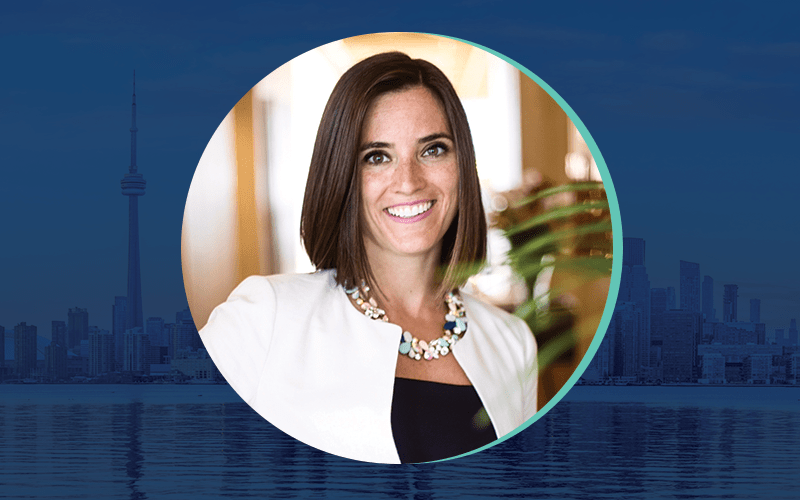
Episode
After 4 years competing as a varsity athlete, and simultaneously earning her Bachelor of Commerce degree at Queen’s University, Erica...
Key takeaways
- Prioritizing experiences and travel over material possessions can lead to a more fulfilling life, and helping employees achieve this through employer-matched vacation savings increases retention and prevents burnout.
- Building a strong network and consistently sending monthly updates to supporters creates opportunities for crowdsourcing help, with the most qualified people responding to specific asks when needed.
- Starting a business requires understanding your "why" and being willing to take baby steps in the right direction, knowing that not every step will be perfect but each one increases your chances of success.
- Success in entrepreneurship should be defined as doing things you care about with people you like, rather than focusing solely on end goals, especially during uncertain times.
- The most important factor when starting a company is choosing the right people to work with, as communication and shared values matter more than the business idea itself.
Transcript
Full transcript page · Interactive episode
============================================================
TRANSCRIPTION WITH SPEAKERS
============================================================

[00:00] SPEAKER_01: It's Toronto's podcast on the Canada's podcast network.
[00:04] SPEAKER_00: Hello everyone, this is Andrea Sessom from Canada's podcast, the number one nation's
[00:09] SPEAKER_00: entrepreneur network.
[00:11] SPEAKER_00: Today I'm here with Erica Kyrsten.
[00:14] SPEAKER_00: She is the founder and owner of the Cation Front.
[00:19] SPEAKER_00: Welcome Erica.
[00:21] SPEAKER_00: Thank you for having me.
[00:22] SPEAKER_00: We're very excited to have you today, especially at times like this.
[00:26] SPEAKER_01: So, why don't we begin by you telling us a little bit about yourself and what you do?
[00:35] SPEAKER_02: Sure, yeah, absolutely.
[00:37] SPEAKER_02: So vacation fund started with the intention of helping people save for their travel
[00:43] SPEAKER_02: goals or their bucket list trips.
[00:45] SPEAKER_02: That sort of came from my own personal upbringing.
[00:48] SPEAKER_02: I was raised in a relatively frugal household, but my dad prioritized spending money on experiences
[00:54] SPEAKER_02: and travel over stuff.
[00:57] SPEAKER_02: And he really believed that that's what made a life very fulfilling.
[00:59] SPEAKER_02: And so, by the time I turned 22, I had been to over 40 countries.
[01:04] SPEAKER_02: And we stayed in hostels and we did house swaps and he found scrappy, cost effective ways
[01:09] SPEAKER_02: for us to travel.
[01:11] SPEAKER_02: But I look back on that and I think that's the ultimate privilege is getting to spend
[01:16] SPEAKER_02: time with loved ones, getting to see different parts of the world.
[01:19] SPEAKER_02: And so I said, I want to help other people do this.
[01:21] SPEAKER_02: And so the initial inspiration came from there were bucket list platforms where people were setting
[01:27] SPEAKER_02: sort of bucket list goals and checking them off as they went.
[01:31] SPEAKER_02: And my frugal mindset kicked in seeing this happen and I thought, well, that's wonderful.
[01:35] SPEAKER_02: But people want to go on safari if they don't start saving for this trip.
[01:39] SPEAKER_02: They're never going to get there.
[01:40] SPEAKER_02: And so I just wanted to help people save for these things.
[01:43] SPEAKER_02: And as I started to ask people, generally in the millennial demographic at the time,
[01:49] SPEAKER_02: I said, what prevents you from going on vacation?
[01:53] SPEAKER_02: 50% of people said, I don't have the budget.
[01:56] SPEAKER_02: And the other 50% said, you know, I'm really hesitant to take time away from work.
[02:01] SPEAKER_02: I'm trying to prove how committed I am.
[02:03] SPEAKER_02: I don't want to let my colleague down.
[02:04] SPEAKER_02: I don't want to come across as entitled.
[02:06] SPEAKER_02: I don't want to be perceived as a slacker.
[02:08] SPEAKER_02: I don't want to be passed up for promotion.
[02:11] SPEAKER_02: And around that time, I had been presenting this to tech and corporate executives in Canada.
[02:16] SPEAKER_02: And they said, you know, we're having a really hard time getting our hard working
[02:20] SPEAKER_02: ambitious employees to take time off.
[02:22] SPEAKER_02: Can we put money towards their vacations as an incentive to get them to use their time off?
[02:28] SPEAKER_02: And I thought, OK, that's interesting.
[02:29] SPEAKER_02: Are there companies in the world that are already doing this and have they seen results?
[02:33] SPEAKER_02: I mean, if it's a good idea, somebody must be doing it.
[02:36] SPEAKER_02: Right.
[02:37] SPEAKER_02: And we found 12 companies, approximately across the United States,
[02:40] SPEAKER_02: that were doing what they had referred to as paid paid vacations.
[02:43] SPEAKER_02: So paid time off where the company was also just cutting them a check.
[02:47] SPEAKER_02: Anywhere between $1,000 and $7,000 a year,
[02:50] SPEAKER_02: you use it or lose it to go on vacation.
[02:52] SPEAKER_02: And these companies wrote articles about how it's the best strategy they've ever had
[02:56] SPEAKER_02: to keep employees energized.
[02:57] SPEAKER_02: Make sure people know that vacationing is a part of the culture,
[03:00] SPEAKER_02: easiest way for them to attract talent and say, hey, your bucket list trips are essentially funded
[03:05] SPEAKER_02: if you come work for this company.
[03:07] SPEAKER_02: And so we said, OK, that's wonderful.
[03:08] SPEAKER_02: Except that's very expensive to cut employees a $1,000 to $7,000 check every year to go on vacation.
[03:16] SPEAKER_02: And so we said, what if we just turn it into a matching program?
[03:18] SPEAKER_02: So we turned it into employer-matched vacation saving.
[03:22] SPEAKER_02: And we had a whole bunch of companies say, this is amazing.
[03:25] SPEAKER_02: We know this is something that our employees really value.
[03:28] SPEAKER_02: They value their vacation time, but they do sometimes hesitate to take it.
[03:32] SPEAKER_02: And so companies right now are generally contributing anywhere between $10 and $50 a paycheck
[03:38] SPEAKER_02: towards an employee's vacation fund.
[03:40] SPEAKER_02: And our average user today directs $50 of their after-tax paycheck towards their vacation fund.
[03:45] SPEAKER_02: And they're always pleased about how quickly that money adds up.
[03:49] SPEAKER_02: And they really do feel.
[03:51] SPEAKER_02: And we've started to measure the emotional impact.
[03:53] SPEAKER_02: They really do feel that if the company is doing this, they feel encouraged to use their time off.
[03:58] SPEAKER_02: They feel like it is a part of the company culture.
[04:00] SPEAKER_02: And they feel like, OK, this is a forward-thinking company.
[04:03] SPEAKER_02: They know that burnout can happen when you work too many hours.
[04:06] SPEAKER_02: And thankfully, it was Ernst and Young that actually did a study on this
[04:11] SPEAKER_02: and found that for every 40 hours of vacation time taken anticipated employee tenure
[04:16] SPEAKER_02: actually increases eight months.
[04:18] SPEAKER_02: So that's a direct correlation from vacation time into employee retention.
[04:24] SPEAKER_01: That's excellent.
[04:26] SPEAKER_01: Excellent.
[04:26] SPEAKER_01: And do you see a lot of companies being on board with this?
[04:30] SPEAKER_02: Yeah, I think it's still a controversial topic.
[04:33] SPEAKER_02: There is definitely certain leaders.
[04:35] SPEAKER_02: I would say more of an older generation that just don't think
[04:39] SPEAKER_02: or maybe haven't wrapped their heads around this being a problem worth addressing.
[04:43] SPEAKER_02: Because a lot of companies are very happy having employees work 80 hour weeks
[04:47] SPEAKER_02: and not taking time off and giving everything they've got to their company.
[04:51] SPEAKER_02: And I've actually found that both of our American clients actually
[04:55] SPEAKER_02: are run by millennial executive teams because they've said,
[04:59] SPEAKER_02: we know what this generation values and the generation after us.
[05:03] SPEAKER_02: We know the last four companies that we've onboarded have been on the West Coast
[05:07] SPEAKER_02: because the West Coast seems to understand that this is very aligned with people's
[05:12] SPEAKER_02: wants and needs today.
[05:12] SPEAKER_02: People just want their time back, right?
[05:14] SPEAKER_02: We didn't anticipate working this many hours by 2020.
[05:18] SPEAKER_01: And it's mental health, big.
[05:20] SPEAKER_01: Exactly.
[05:22] SPEAKER_01: So you see more of the millennial or the newer companies that are on board with this.
[05:29] SPEAKER_01: And then I guess it's sort of backtracking to convince companies that have been there for
[05:36] SPEAKER_01: 20, 30 years that this is the way to go or to move forward.
[05:40] SPEAKER_02: Exactly.
[05:41] SPEAKER_02: It's us being able to justify and show the case studies to prove the return on investment.
[05:45] SPEAKER_02: And some people can be convinced and some people not so much.
[05:48] SPEAKER_02: They have a lot of other challenges, especially right now.
[05:50] SPEAKER_02: But we've found that the two primary reasons that companies are buying our services
[05:56] SPEAKER_02: is either one for employer branding and talent attraction,
[06:00] SPEAKER_02: just really using vacation fund as a unique differentiator to prove what a forward thinking
[06:04] SPEAKER_02: company they are and that they do have empathetic leaders and that they do want the best for their
[06:09] SPEAKER_02: people.
[06:10] SPEAKER_02: So it's either talent attraction and employer branding or it's actually burnout prevention
[06:15] SPEAKER_02: and trying to increase the number of vacation days that employees are taking.
[06:19] SPEAKER_02: So burnout prevention and just making sure employee well-being is a priority within the
[06:25] SPEAKER_02: organization.
[06:26] SPEAKER_01: That's great.
[06:27] SPEAKER_01: Great work.
[06:28] SPEAKER_01: You're doing out there.
[06:29] SPEAKER_01: So I would love to know what made you decide to become an entrepreneur?
[06:36] SPEAKER_01: Interesting question.
[06:37] SPEAKER_02: So I think it helped for me that I had gone into finance.
[06:43] SPEAKER_02: I had gone into sales and trading.
[06:46] SPEAKER_02: It's something that I'd seen my dad do for 20 years and I grew up a competitive athlete.
[06:51] SPEAKER_02: So I liked the trading floor environment.
[06:53] SPEAKER_02: It was fast paced.
[06:54] SPEAKER_02: It was competitive.
[06:56] SPEAKER_02: But certain areas of the parts of the bank that I was working for were contracted.
[07:01] SPEAKER_02: And so there were maybe not as many rules available for new graduates.
[07:07] SPEAKER_02: And I also started to see I never really considered myself necessarily an incredibly
[07:11] SPEAKER_02: forward thinking person and I knew very little about the tech space.
[07:15] SPEAKER_02: But it seemed to me that a lot of jobs in the area of the bank that I was working for
[07:20] SPEAKER_02: were being automated and were being taken over with new technology.
[07:24] SPEAKER_02: And I remember sitting back to back with a co-op student that was programming one of our trading
[07:29] SPEAKER_02: algorithms, essentially making the job that I had been doing at that time, potentially obsolete
[07:35] SPEAKER_02: in the coming years.
[07:36] SPEAKER_02: And so I looked around and I said, do I want to stay here?
[07:40] SPEAKER_02: Do I want to keep doing this?
[07:41] SPEAKER_02: Have I found a desk that I'm really passionate about?
[07:44] SPEAKER_02: Thankfully, I got to participate in a rotational program to try out a bunch of different roles.
[07:50] SPEAKER_02: And it looked to me like it wasn't necessarily something that I was passionate about and call
[07:55] SPEAKER_02: me the most cliche millennial ever.
[07:57] SPEAKER_02: But I really did want to find something that I was so excited about.
[08:01] SPEAKER_02: And I said, I looked around and I said, is there anyone's life here that I really want?
[08:05] SPEAKER_02: Like, is there anyone's life that I'm incredibly envious of that I will do anything in my power
[08:10] SPEAKER_02: to work to achieve?
[08:11] SPEAKER_02: And I didn't necessarily see it.
[08:13] SPEAKER_02: And then I was reading all of these articles online.
[08:16] SPEAKER_02: I was reading notable every day about young people starting companies.
[08:20] SPEAKER_02: I was reading why culminator materials, Paul Graham essays, all the stuff coming out of California
[08:26] SPEAKER_02: in Silicon Valley.
[08:28] SPEAKER_02: And I was really intrigued by young people starting companies, even though they didn't necessarily
[08:33] SPEAKER_02: have qualifications to do it or didn't necessarily grow up with that kind of upbringing with a
[08:40] SPEAKER_02: parent that I'd started the business, but they gave it a shot.
[08:43] SPEAKER_02: And so my sort of ethos personally has been to live a life without regrets.
[08:49] SPEAKER_02: And that I think is something that I learned from travel.
[08:51] SPEAKER_02: It's like, if I look back, will I be pleased about how I chose to use my time on earth?
[08:57] SPEAKER_02: And so I said, if I don't give this a chance, I was passionate enough about a handful of topics
[09:02] SPEAKER_02: that I really wanted to learn more about.
[09:04] SPEAKER_02: And I didn't necessarily see a way in because I wasn't qualified unless I went and started
[09:09] SPEAKER_02: to accompany myself. So I think it was mostly about just understanding.
[09:13] SPEAKER_02: And thankfully, I did come into it in a privileged circumstances in that I wasn't paying off
[09:18] SPEAKER_02: student debt. And I think that's an important disclaimer to have because I was in a position
[09:23] SPEAKER_02: where I left school, I started to earn money.
[09:26] SPEAKER_02: And then I had the ability to make that leap without necessarily dealing with some of the
[09:31] SPEAKER_02: financial burdens that other people come out of school with.
[09:34] SPEAKER_02: So it just seemed like a good opportunity.
[09:36] SPEAKER_02: There was very little holding me back. I still consider myself a relatively risk of
[09:41] SPEAKER_02: Earth's founder because there's certain, I don't know if I would have been willing to go into debt
[09:45] SPEAKER_02: to do it. I don't know what my parameters would have been, but I gave myself a certain number of
[09:50] SPEAKER_02: months saying, how many months am I willing to go without income or without revenue?
[09:54] SPEAKER_02: How many months am I willing to give this a chance to see what's out there?
[09:59] SPEAKER_02: And thankfully, we gained momentum enough that I could eventually start paying myself.
[10:04] SPEAKER_02: So that also helped.
[10:05] SPEAKER_01: So I would love to hear now that you mentioned how many months did you give yourself?
[10:10] SPEAKER_02: I think if I actually calculated, I did. So actually, when I left the bank, and my last day was
[10:17] SPEAKER_02: the end of February 2017, I left the bank. I started doing a program called Founder Institute,
[10:25] SPEAKER_02: where you can pitch your idea to the tech community. It's a very early stage, a very, very early stage,
[10:30] SPEAKER_02: almost a pre-excelerator, just for people who are at the idea stage.
[10:35] SPEAKER_02: And then there was an opportunity for me to work with the group that was starting year one of
[10:40] SPEAKER_02: what is now Elevate Toronto. So a very big conference. And so I did some work with them as well.
[10:45] SPEAKER_02: So that also helped to extend by runway, bringing a little bit of income in the months after I had
[10:50] SPEAKER_02: left RBC. But I think after the little bit of money that came in in 2017, I probably gave myself
[10:56] SPEAKER_02: another eight months without income. So it was a bit of a grind, and they were uncomfortable moments,
[11:03] SPEAKER_02: but I almost feel like that's sort of almost a right of passage it felt like to earn the right to
[11:09] SPEAKER_01: keep doing this. You know, some people have longer sort of runways. So that, you know, for you,
[11:16] SPEAKER_01: eight months is quite short, which shows the success that you know, you achieved.
[11:25] SPEAKER_01: It's not too long of a time for an entrepreneur's business to sort of ramp up and become a success.
[11:33] SPEAKER_02: Exactly. And so we also, we in 2018, as I was getting to the end of being able to not pay
[11:40] SPEAKER_02: myself at all for anything, we were accepted into tech stars in Chicago. And so that came with
[11:46] SPEAKER_02: an $120,000 US investment. And so that allowed our team to say, okay, we can pay ourselves a little
[11:52] SPEAKER_02: bit to get to keep going, to keep going, to keep pursuing. And we had paying clients at that point.
[11:57] SPEAKER_02: And it's just a matter of getting to that next level. That's awesome. And it really helps that you
[12:02] SPEAKER_01: had a lot of people who believe in you and what you were doing. The support of incubators or
[12:09] SPEAKER_01: accelerators. And I think that makes a huge difference and a little bit of an investment say,
[12:13] SPEAKER_02: you know, I really believe in your idea. Yeah, yeah, absolutely. And I think that's one thing that
[12:19] SPEAKER_02: I got out of doing Founder Institute. Because again, I came from finance. I had no background in tech.
[12:25] SPEAKER_02: I didn't really know how to start something from scratch. But Founder Institute allowed me to pitch
[12:32] SPEAKER_02: and present to the tech and corporate community in Toronto every week for three months. And one,
[12:38] SPEAKER_02: I got guidance very early on from people that I was using to build out my network to say,
[12:42] SPEAKER_02: make sure you send people monthly updates. Make sure, no matter what kind of progress you've
[12:47] SPEAKER_02: achieved, keep gathering people on an email list and just send them an update about what the
[12:52] SPEAKER_02: company is working on, what you've accomplished in the past month, what you're focusing on in the
[12:56] SPEAKER_02: next month and give them a very specific ask. That list today is 450 people. And it's almost what
[13:03] SPEAKER_02: one of our advisors called crowdsourcing help. Because at any given time, I mean, we only get
[13:08] SPEAKER_02: maybe out of 450 people. We only get five or 10 responses to our one specific ask. But the people
[13:14] SPEAKER_02: responding are the people the most qualified to answer that question that I might have had or
[13:19] SPEAKER_02: open those doors that we're asking for. So that I think building out a network of people that
[13:24] SPEAKER_02: at least believe in your purpose or your general mission has taken us a long way.
[13:30] SPEAKER_01: Good. And I think that's a good advice for any entrepreneurs existing and the ones that are
[13:35] SPEAKER_01: thinking of starting a business is to build a network. Absolutely. And just and just be able to help
[13:42] SPEAKER_02: sort of craft a story because people people get pitched to and people get presented to on so many
[13:48] SPEAKER_02: topics today. Anyone that can find a way to pitch or present will do it. But crafting a story that
[13:53] SPEAKER_02: allows someone to latch on and say, Oh, that was memorable to me. That that is really helpful. You
[13:58] SPEAKER_01: have to give someone a reason to care really. So is that part of the branding you would say
[14:03] SPEAKER_02: creating a story? Yeah. Yeah. Absolutely. I think I and I've retold the story and the story has
[14:09] SPEAKER_02: sort of I mean the general fundamentals of the story stay because it's true. But over time,
[14:15] SPEAKER_02: different pieces of it have come into play. People had said, okay, well, why are you passionate
[14:19] SPEAKER_02: about workplace burnout? And then I bring up how I've actually I had a severe burnout during an
[14:26] SPEAKER_02: accelerator that basically sent me to the emergency room. And so there are times when you just have
[14:32] SPEAKER_02: to craft the story based on the audience and based on what kinds of topics the audience cares
[14:36] SPEAKER_02: about. Like my sales presentations are a little bit different from my investor pitches. But a lot
[14:41] SPEAKER_02: of the fundamentals and the company values and my purpose always stays true. Very good.
[14:47] SPEAKER_01: Having said all of that, do you think that entrepreneurs are wired differently? Do you think you were
[14:54] SPEAKER_01: born to be an entrepreneur or is this something that you sort of just learned along the way?
[15:00] SPEAKER_01: Are you wired differently than the rest of the people? That's a great question because I think growing up
[15:07] SPEAKER_02: I didn't always go with the status quo and I questioned assumptions. But I've talked to so many
[15:13] SPEAKER_02: entrepreneurs that have said, oh, I was a terrible student because I didn't believe that what my
[15:17] SPEAKER_02: teachers were saying or I questioned everything. I was a very hardworking by the book student. I did
[15:23] SPEAKER_02: everything by the book. I actually didn't necessarily push back on things. I did my homework. I
[15:30] SPEAKER_02: followed the rules and I think a lot of entrepreneurs don't necessarily do that. So I think it's something
[15:35] SPEAKER_02: that can become learned over time. But there has to be that why. Like someone can't just say, oh,
[15:43] SPEAKER_02: I'm kind of comfortable with my life and I like the decisions I've made and I'm okay with the way
[15:48] SPEAKER_02: things are and I don't necessarily want to build something and change something. I think the why
[15:54] SPEAKER_02: is the most necessary piece. It's what motivates people. It's sort of saying, okay, I'm comfortable
[16:02] SPEAKER_02: in my current existence. I'm comfortable with the way things are going. What would it take for
[16:07] SPEAKER_02: someone to be motivated enough to disrupt that? What are people willing to give up to say, I really
[16:14] SPEAKER_02: need to bring this new thing into the world or I really want to run this business and be able to
[16:20] SPEAKER_02: make these decisions that I think can help the world change for the better. So I think some pieces
[16:25] SPEAKER_02: definitely are necessary that come with an upbringing, but I do believe it can be learned. And I
[16:32] SPEAKER_02: think the most necessary piece for anyone starting a business is just a growth mindset. This is
[16:39] SPEAKER_02: this is the kind of thing that there's no room for ego. There's no room for assuming you know
[16:44] SPEAKER_02: at all. There's so many people necessary to get someone to a point of building a successful business
[16:50] SPEAKER_02: that you just you just have to always realize how much you don't know and be willing to ask for help
[16:57] SPEAKER_01: because no one can do this by themselves. Does that sometimes feel like putting pieces of puzzle
[17:02] SPEAKER_01: together? Absolutely. Building things, you know, and finding the right people that can either mentor
[17:07] SPEAKER_01: you or help you. So you're just putting pieces to get to where you are at times. Exactly. And
[17:15] SPEAKER_02: taking baby steps in the right direction knowing that sometimes you do things like at one point I
[17:19] SPEAKER_02: spent a month or two back in 2017 building a business plan that never got used. It was necessary
[17:25] SPEAKER_02: to apply for a grant, but there were certain pieces of our business that I hadn't thought through
[17:29] SPEAKER_02: and if I hadn't gone through that exercise, then that might not have helped me. So it's
[17:32] SPEAKER_02: understanding that you're not always going to be taking exactly the right steps. But as long as you're
[17:36] SPEAKER_02: taking baby steps in the right direction, you set yourself up to have more scenarios where you
[17:42] SPEAKER_02: can get lucky. And sometimes it feels like luck is involved and then other times it's like, well,
[17:47] SPEAKER_02: no, you had to keep taking steps in the right direction to give yourself an opportunity to get lucky.
[17:52] SPEAKER_01: You've got to be open to learning and be flexible. Yeah, exactly. And just understanding that
[17:58] SPEAKER_02: this doesn't happen alone. There's a lot of resources necessary to get people to a point where
[18:03] SPEAKER_02: something is actually working. And still my favorite, my favorite definition of success that someone
[18:09] SPEAKER_02: told me very early on is doing things you care about with people you like. And that is their
[18:15] SPEAKER_02: definition of success because it can't be the end goal, right? I mean, especially in uncertain times
[18:20] SPEAKER_02: like we're in right now, there's no guarantees for anyone. Most businesses are facing times of uncertainty
[18:25] SPEAKER_02: and trying to figure out what the next few weeks or months looks like. And so what you have to,
[18:30] SPEAKER_02: what I think people should be wrapping their heads around is enjoying the process,
[18:35] SPEAKER_02: including the learning that comes with the process. That's all that really matters because that's
[18:39] SPEAKER_01: all we can control. I agree. I agree. So as an entrepreneur, some of your best ideas, do they,
[18:48] SPEAKER_01: do they come at night or how do you, uh, when do your best, are you more of a morning person or
[18:55] SPEAKER_02: night person? I think most ideas come from conversations with other people. So there are certain
[19:04] SPEAKER_02: things where either even if it's something that I thought about, it almost needs, I need to have
[19:11] SPEAKER_02: a conversation with someone else to validate that that might be a good idea. So I'll come up with ideas
[19:17] SPEAKER_02: about how we can increase awareness or what kinds of promotional activities we can do as a company.
[19:23] SPEAKER_02: And then sometimes I'll share those with my team and thankfully we have daily conversations,
[19:30] SPEAKER_02: even now when everyone's working remote to say, I was thinking about this, have you guys,
[19:35] SPEAKER_02: what do you think about that? Do you think that represents our brand well? Do you think that'll help
[19:39] SPEAKER_02: us move forward? And so a lot of learning on our product side comes from our clients and our end
[19:44] SPEAKER_02: users because they're the ones interacting with it. But from a business perspective, it comes from
[19:49] SPEAKER_02: conversations with other people being like, how would you perceive this? And I think that's,
[19:54] SPEAKER_02: that's been really powerful. And so I would say the best ideas come from times when I'm doing less
[20:00] SPEAKER_02: talking and more listening. Like I'll put an idea out there and see how it lands with other people
[20:05] SPEAKER_02: or see what their reactions to it are. So just sort of knowing that I can come up with ideas,
[20:10] SPEAKER_02: it's not always going to be the right idea, but we're always again trying to take these baby
[20:13] SPEAKER_02: steps in the right direction. So just listening to people's response to that thought. And I think,
[20:18] SPEAKER_02: I think conversations with my team really helped me validate, okay, is this worth giving it a shot?
[20:25] SPEAKER_02: Or is this something that we sideline because we don't necessarily know if that'll be helpful?
[20:31] SPEAKER_01: Awesome. And at times like this, that we are, we're doing this middle,
[20:36] SPEAKER_01: interview in the middle of an epidemic, coronavirus. And I think mental health is really important.
[20:43] SPEAKER_01: And I think this is affecting a lot of people, especially entrepreneurs, having to close
[20:50] SPEAKER_01: shop, not knowing when the end of all of this will be. So as an entrepreneur, that's being
[20:57] SPEAKER_01: effective because we all are, what do you do to disconnect at times like this?
[21:04] SPEAKER_02: Disconnecting at times like this, it's challenging because I go through phases where, so one of the
[21:10] SPEAKER_02: most dangerous things that I think people do for their mental health is compare. And so comparisons
[21:16] SPEAKER_02: are the worst thing someone can do. One of the worst things someone can do for themselves,
[21:20] SPEAKER_02: especially when people consider themselves to be hard workers and high achievers and almost
[21:25] SPEAKER_02: competitive in a sense. And so I go through phases where I delete all social media. And I just don't
[21:31] SPEAKER_02: think about what's going on in anyone else's life because I'm trying to process what's going on in
[21:35] SPEAKER_02: my life and how our company is moving forward. At the beginning of the sort of coronavirus crisis,
[21:42] SPEAKER_02: I went a day where I just sort of deleted Instagram, but I was sitting at home in my condo just
[21:49] SPEAKER_02: with my fiance. And I actually felt like by not being able to leave our condo or go outside or
[21:56] SPEAKER_02: go see other people, it made me feel even more isolated. So I had to bring Instagram and social media
[22:02] SPEAKER_02: back because it's still facilitating that feeling of connectivity. Because right now really, as much
[22:08] SPEAKER_02: as there's a lot of negative things going around, we are all in this together, right? No one is exempt
[22:12] SPEAKER_02: from this situation. The circumstances affecting everyone. And so I've just tried to focus on the more
[22:19] SPEAKER_02: positive things and the more positive feelings and the more positive reactions because it's so easy
[22:24] SPEAKER_02: to start reading about, okay, well, how many cases are there and how long is this going to go on
[22:28] SPEAKER_02: for and who's going to be the most severely impacted and what businesses are going to go under?
[22:32] SPEAKER_02: There's there's too much of that. So when I've needed to, I've taken a day to just close my laptop,
[22:39] SPEAKER_02: not watch the news, not listen to anything and just spend some time playing a game, a card game
[22:44] SPEAKER_02: with my fiance or just talking through, okay, what kinds of emotions did you feel today? And sometimes
[22:50] SPEAKER_02: still sort of laugh at me for us in these questions. And then sometimes he knows people are all going
[22:55] SPEAKER_02: through this differently, right? People are all trying to process emotions, come up with the best
[23:00] SPEAKER_02: way to react to certain things and certain people are approaching it differently than others, right?
[23:06] SPEAKER_02: Nobody's going to have the exact same response. We're all in unique circumstances. And I think it's
[23:10] SPEAKER_02: just helpful that it puts a lot of things in perspective. And there are people that don't have the
[23:16] SPEAKER_02: ability to work from home or don't have a source of income while we're all in isolation, right? And so
[23:22] SPEAKER_02: understanding your privilege and understanding the things that you can be grateful for going through
[23:27] SPEAKER_02: this is almost, I would say the most critical piece to help process and to help disconnect and say,
[23:33] SPEAKER_02: okay, these are the really good things. I have a roof over my head. I'm not in short supply of food.
[23:38] SPEAKER_02: I am grateful that I can still connect with people over the internet, feel that sense of connectivity.
[23:45] SPEAKER_02: Yeah, exactly. Clean water. There's things that we're very privileged. All things consider,
[23:51] SPEAKER_02: and yes, this crisis is affecting us all, but relatively speaking, we're very privileged.
[24:00] SPEAKER_02: And so that's, I've continued to pick up, I go through phases of meditation and doing my gratitude
[24:06] SPEAKER_02: journal daily. And so I've had to pick up that again, just because I think I know the power of
[24:11] SPEAKER_02: gratitude. And I think most people do, but it's just a matter of turning it into a habit and saying,
[24:15] SPEAKER_02: okay, I'm going to write down the things that I'm grateful for right now. I think that's that,
[24:20] SPEAKER_02: my way to get through this one I'm disconnecting is writing things down, playing games, and just
[24:25] SPEAKER_01: being appreciative of the things around me. Very good. It's a lot because we were,
[24:31] SPEAKER_01: when we would mention disconnect, you would think disconnect from technology altogether,
[24:37] SPEAKER_01: to sort of recoup and have some time off. But with everything that's happening right now, I think we're
[24:44] SPEAKER_01: more connected to the technology than we ever were before. Yeah, it's really hard to disconnect
[24:53] SPEAKER_01: because we're managing teams remotely, we're communicating remotely. So even I think if we wanted
[25:00] SPEAKER_01: to disconnect, it's for certain periods of time. Yeah, right now. Exactly. And if there is a safe
[25:08] SPEAKER_02: space to go outside or to play a game to just say, okay, I'm not going to look at anything on my
[25:12] SPEAKER_02: phone for the next hour because I'm just going to be here in the moment. But then also, there are
[25:16] SPEAKER_02: times where I'm sure some people have had to disconnect from social media during this because you
[25:20] SPEAKER_02: get so many different opinions about what's going on. And so that almost makes more room. Like, I've
[25:25] SPEAKER_02: FaceTime to more people in the last two weeks than I have in the last year. Same year. And it's
[25:31] SPEAKER_02: really cool, right? Since one-on-one, I think I prefer the one-on-one conversations I've done some
[25:37] SPEAKER_02: of the bigger group calls and so many people talking at once. It can be difficult to manage.
[25:42] SPEAKER_01: It's a way to adapt, I guess, to, you know, doing communication this way. Yeah,
[25:49] SPEAKER_01: I'm here, absolutely. So, Eric, I'd love to hear, where do you see your business? And I'm asking
[25:57] SPEAKER_01: at a really hard time in, you know, in terms of what's happening. But where do you see your business
[26:04] SPEAKER_02: in the next five years? Five years. Oh, man. Five years is a much more hopeful outlook than the next
[26:13] SPEAKER_02: few weeks. Yeah, no, five years from now. So, what's been really interesting for us, because we're
[26:20] SPEAKER_02: technically in the FinTech space, the HRTech space, and the travel tech space. So, we've been sort of,
[26:29] SPEAKER_02: I came from finance, right? So, I've been learning as I've been going, the HRTech space and the
[26:34] SPEAKER_02: travel side, what I think is really interesting about what we're doing is that we've been trying to
[26:40] SPEAKER_02: mitigate the barriers that prevent people from taking time off. The financial, emotional, and
[26:44] SPEAKER_02: logistical barriers. And thankfully, the emotional piece, that means that this messaging sort of has
[26:49] SPEAKER_02: to come from a company. So, really, the B2B strategy is more of sort of our customer acquisition
[26:55] SPEAKER_02: strategy, knowing that people are more comfortable using their time off if they're feeling encouraged
[27:00] SPEAKER_02: by their employer. That being said, the opportunities with what we're doing are very much greater on
[27:07] SPEAKER_02: the travel side. And we've talked to investors in various travel companies and travel tech companies
[27:13] SPEAKER_02: specifically. And they've said, you've won up to everyone, assuming this keeps working, in that you
[27:19] SPEAKER_02: know where people want to go, what time of the year, what their budget is for each part of their
[27:25] SPEAKER_02: trip and when they're actually going to follow through with it, right? So, we have people's vacation
[27:32] SPEAKER_02: intentions. We know how much money is actually sitting in their vacation fund account to go on this
[27:37] SPEAKER_02: trip. And so, this is information that even the biggest sort of travel tech platforms in the world
[27:44] SPEAKER_02: don't know how much money is sitting in the person's account to be spent on this trip, right? And so,
[27:49] SPEAKER_02: the opportunities on the travel side seem to be the greatest opportunity. I could almost see this
[27:54] SPEAKER_02: turning into somebody is setting up, setting aside money for this trip. The company is contributing,
[27:59] SPEAKER_02: they know by what date they can actually book the trip. And then you could also have almost have a
[28:04] SPEAKER_02: circumstance where a few different places in whether it's Mexico or Costa Rica have said, oh, you
[28:10] SPEAKER_02: have these people that are looking to go here, it can almost be reverse bidding saying this is the
[28:15] SPEAKER_02: offer that we can provide this person. And so, that's the opportunities on the travel side are so vast.
[28:21] SPEAKER_02: It's a very competitive industry and people are all trying to figure out how to get eyeballs, right? Because
[28:25] SPEAKER_02: I think travel is very exciting that in that it's visual and it's aspirational and it's something that
[28:31] SPEAKER_02: people enjoy browsing. But now companies have been trying to figure out travel tech companies
[28:35] SPEAKER_02: specifically have been trying to figure out what else can we do to increase the likelihood that
[28:39] SPEAKER_02: this person becomes a paying customer and books on our site versus someone else's site. So, those
[28:44] SPEAKER_02: are the kinds of relationships that we're really focused on trying to figure out the best way to do.
[28:48] SPEAKER_02: There have been some companies that have done versions of this where they make you only book with
[28:54] SPEAKER_02: one of their travel partners. We do not want to limit people's spend of their vacation fund money
[29:00] SPEAKER_02: to a specific provider because we just don't believe in dictating what time off should mean to someone.
[29:06] SPEAKER_02: I mean, if someone we've had one of our users say, hey, I want to use my vacation fund money
[29:10] SPEAKER_02: to book this campsite for me and my family for 14 days and it costs $50 a night, is that allowed?
[29:16] SPEAKER_02: We said, of course, like a camping trip is a great way to disconnect. So, I think that for us means
[29:22] SPEAKER_02: yes, we want people to have better offers than what they could find publicly. We do have a closed
[29:27] SPEAKER_02: user group, but we don't want to limit or restrict what time off looks like to people. So, it has to be
[29:33] SPEAKER_02: done right. And that's why it's more a part of the five-year outlook than the one-year outlook.
[29:37] SPEAKER_01: I like the plan. It's coming along. My next question is a little bit of a tougher one.
[29:43] SPEAKER_01: What is one of the greatest challenges that you've faced in your business? And you can talk about
[29:48] SPEAKER_01: the now, if you like. I think maybe the now is one of the greatest challenges anyone has
[29:54] SPEAKER_02: including my business as well. Absolutely. Yeah, so I think, believe it or not, right now
[30:03] SPEAKER_02: does it not feel like the greatest of challenges? So, we've never raised institutional money. We've
[30:09] SPEAKER_02: got some very supportive angel investors. We had the money from TechStyre, but we've always had
[30:16] SPEAKER_02: to operate pretty lean. We're a full-time team of four people. We've always had to say, okay,
[30:21] SPEAKER_02: this is how much money we have, how far can this take us and what gold we want to achieve with
[30:26] SPEAKER_02: that money? So, because we've always been sort of restricted to operating lean, we've never had more
[30:32] SPEAKER_02: than a couple hundred thousand dollars in the bank at any given time. This right now to us feels
[30:39] SPEAKER_02: like something that we were sort of prepared before because we were financially intelligent,
[30:45] SPEAKER_02: if that makes sense. Very good. The harder part for me is when we had to go through last year
[30:53] SPEAKER_02: letting someone go. And that was a part of being a full-time team. We were five people full-time
[31:00] SPEAKER_02: at that point. Being a full-time team of five and having to say, okay, we feel like a family,
[31:06] SPEAKER_02: but we have to downsize our team to protect everyone else, to protect our team and be able to
[31:11] SPEAKER_02: continue operating as lean as possible. Is there anyone that we could afford to not have based
[31:18] SPEAKER_02: on what we need to achieve in the next six months? And that to me, and part of the reason why I
[31:23] SPEAKER_02: really want this business to continue working and growing and being established is because I think
[31:29] SPEAKER_02: we do need more empathetic leaders. And I'm seeing a lot of evidence of empathetic leaders and
[31:34] SPEAKER_02: people that care about their people, people that care about stakeholders more than just their
[31:38] SPEAKER_02: shareholders or their investors. But that was really hard for me to wrap my head around someone
[31:43] SPEAKER_02: that we've become close to and worked with and had a part of our sort of vacation fun family to
[31:51] SPEAKER_02: say, okay, it's my job for the company to do what the business requires right now and to do what I
[31:58] SPEAKER_02: can to look after all of the other stakeholders. What cost can we afford to reduce at this point
[32:05] SPEAKER_02: and this ended up, I had to let someone go. And that was, I think I'm generally good at compartmentalizing.
[32:12] SPEAKER_02: I'm really grateful that somehow I'm still able to get eight hours of sleep most nights. I
[32:16] SPEAKER_02: I think that's a gift because a lot of my friends struggle with that who have started companies.
[32:22] SPEAKER_02: But this was one of the things that kept me up at night because it felt very unsettling to disrupt
[32:27] SPEAKER_02: somebody else's life. And when they were a passionate part of our team and say, okay, we have to
[32:34] SPEAKER_02: terminate this relationship. And in those conversations, you're also supposed to limit the amount
[32:38] SPEAKER_01: that you say. Making those tough decisions. Yeah. Okay. And what do you know now that you wish you
[32:47] SPEAKER_02: knew when you were just starting your business? Oh, man. I think that's a thing. It's just a constant
[32:54] SPEAKER_02: learning process and a constant growth process. And I think you hear certain lessons from other
[32:59] SPEAKER_02: people and it's just a constant learning process. So anything that I could go back and tell myself
[33:05] SPEAKER_02: right now, it's going to take longer than you think it's going to take. I mean, technically,
[33:11] SPEAKER_02: we're a little over three years in the year one. I call 2017. I call the year of doing things that
[33:16] SPEAKER_02: didn't work. That's when I thought this was sort of B2C 2018 was the first year running pilots
[33:21] SPEAKER_02: where we didn't even have a platform, but we had companies that wanted us to run this program for
[33:26] SPEAKER_02: them. And then 2019 was the first year of sort of operating commercially and starting to move up
[33:33] SPEAKER_02: market landing companies that are bigger and bigger. And I would just probably go back and
[33:37] SPEAKER_02: warn myself, this is going to take you a lot longer than a couple of years. It'll take some time
[33:42] SPEAKER_02: to get to where you want. But I don't know if I would go back and tell myself that or else I might
[33:47] SPEAKER_02: have hesitated to do it. And there's no other way that I would have wanted to spend the last
[33:51] SPEAKER_01: three years. And you've done a lot. You've really done a lot in three years.
[33:57] SPEAKER_01: Thank you. It doesn't always feel like it. So what advice would you give an entrepreneur looking
[34:03] SPEAKER_02: to start a business right now in the city? Um, I think just just get started. I think just get
[34:10] SPEAKER_02: started. Baby steps in the right direction, keeping yourself accountable and really making
[34:15] SPEAKER_02: sure you're doing it with people you like, right? Because that's again, if you don't enjoy the
[34:19] SPEAKER_02: process, there's no point. You're not having fun in the process, right? Exactly. Exactly. And I think
[34:25] SPEAKER_02: a lot of people really sort of struggle and bash their heads against a wall being like, it's not
[34:30] SPEAKER_02: working, but it's going to work. And they still are very, they have a lot of conviction around the
[34:34] SPEAKER_02: mission. But if you're working with people that you have a lot of challenges working with or your
[34:40] SPEAKER_02: team is not getting along and people aren't open-minded or don't have a growth mindset, I mean,
[34:45] SPEAKER_02: I can't imagine going through this. I've talked to so many people that have had to go through sort
[34:49] SPEAKER_02: of like co-founder breakups because something really didn't work between them, but they had very
[34:54] SPEAKER_02: different ideas of what success was or how their company should be done. And I think I think putting
[35:00] SPEAKER_02: a lot of thought into who you're doing this with matters more than anything because this is your
[35:04] SPEAKER_02: every day. If you're not excited and motivated to get up and do this and talk to your team, like,
[35:09] SPEAKER_02: it sounds like very cliche, but communication still, regardless of what kinds of relationships
[35:15] SPEAKER_02: you're managing communication with your team, with even with anyone that's going through this with
[35:21] SPEAKER_02: you, investors, it's the most critical piece. So being able to pick up the phone and talk to anyone
[35:26] SPEAKER_02: that you're doing this with is so important for everyone to say that. It almost feels like a
[35:31] SPEAKER_01: marriage. If you're getting into partnership with somebody or you're doing it with someone,
[35:36] SPEAKER_01: it you're going to be a long-term marriage or will there be a possibility of it at the horse, I guess.
[35:43] SPEAKER_02: Yeah, exactly, exactly an understanding why people are doing it and what's the motivation.
[35:49] SPEAKER_02: I mean, there are still some people that have co-founders that are in it because they think they'll
[35:54] SPEAKER_02: get a good payout one day, right? And that's really not enough. It's really not.
[35:59] SPEAKER_01: So now I'm going to switch to a little bit of fun questions. It's going to be a rapid fire question
[36:06] SPEAKER_01: and you don't have to think too much about it. I'm just going to ask and you can just, you know,
[36:10] SPEAKER_01: say the first thing that comes to your mind. So if you weren't doing what you are doing now for work,
[36:17] SPEAKER_02: what would you be doing instead? Oh my goodness. I'm trying not to put too much thought into it.
[36:24] SPEAKER_02: There's a part of me that always just wanted to be a tour guide for travel or own a villa or a bed
[36:31] SPEAKER_01: and breakfast in Greece or something like that. Love it. What book are you currently reading and
[36:37] SPEAKER_01: what books would you recommend to audience? So if you're not reading a book right now,
[36:41] SPEAKER_01: maybe listening to podcasts or doing something else, feel free to share.
[36:46] SPEAKER_02: Awesome. I'm rereading a book right now called The Experience Economy and then there's an
[36:51] SPEAKER_02: Adam Grant book that I was, oh, give and take. Give and take is a really good one just to, and that sort
[36:56] SPEAKER_01: of plays into the theme of empathetic leaders. Are you a morning or a night person?
[37:04] SPEAKER_02: Morning. Morning. I have a very early bedtime.
[37:09] SPEAKER_01: If you had to pick one word to describe yourself, what would you be and why?
[37:16] SPEAKER_02: Maybe, maybe purpose driven because everything including rest, including family time,
[37:21] SPEAKER_02: including everything is based on purpose. Like I put a lot of thought into how I spend my time.
[37:27] SPEAKER_01: Perfect. What is keeping you up at night these days?
[37:32] SPEAKER_02: Well, you know, the uncertainty of coronavirus and the timeline of, when do things go back to normal?
[37:37] SPEAKER_02: I have no idea. I mean, really, when you're running a company that is encouraging people to use
[37:41] SPEAKER_02: vacation time, right now nobody wants to use it because nobody can go anywhere, right? So
[37:46] SPEAKER_01: timeline uncertainties. Okay. And what is your favorite place in the world? Since you've
[37:51] SPEAKER_01: traveled a lot and you've seen, I it's probably going to be tough for you to answer, which is one
[37:57] SPEAKER_01: place, but if you have one place, what is it? Yeah. In terms of countries outside of Canada,
[38:06] SPEAKER_02: I would say, so I've been to Greece three times. That's why I would choose Greece for the
[38:12] SPEAKER_02: the Ben and breakfast, the food, the people. I'm also Portuguese. So there's a part of like the
[38:18] SPEAKER_02: Mediterranean in general that just feels like home, good people, cares about family, good food,
[38:24] SPEAKER_02: it's warm for most of the year. And then my grandparents, my great grandparents bought a
[38:32] SPEAKER_02: property in Moscoka in 1949. Oh wow. And so I have been very, very privileged in that my
[38:40] SPEAKER_02: grandparents have kept this property. And so that's been a gathering place for my family, my dad's
[38:46] SPEAKER_02: side of the family. And we've been able to bring other people up there. And so the ability to get
[38:50] SPEAKER_02: out of the city and spend time with people you care about and get to invite people up. And people's
[38:56] SPEAKER_02: reactions when they get up there always they're just so grateful to be there and to appreciate the
[39:00] SPEAKER_02: relationships that brought them there. So it's a good reminder of the importance of family time.
[39:05] SPEAKER_02: Unfortunately, not something we can do right now on these current circumstances. But
[39:09] SPEAKER_01: I'm quite soon enough. We'll be back to normal. I hope so. What are the some of the non-negotiables that
[39:18] SPEAKER_01: you have in either in the morning or evening routines? Do you have a cup of coffee,
[39:23] SPEAKER_01: do you meditate in the morning? Do you have something you do before bedtime?
[39:28] SPEAKER_02: Yeah, I keep my morning meditations to about 10 minutes. And usually it's a guided meditation. So I
[39:33] SPEAKER_02: just plug my headphones in and I can just listen my way through it. And that keeps me from falling
[39:37] SPEAKER_02: asleep and it sort of keeps my mind on track of something. If I'm listening to something, I'm not
[39:42] SPEAKER_02: as good at meditating in complete silence. Something that I'd like to get better at.
[39:47] SPEAKER_02: I generally have one to two cups of coffee a day. It's just something that I enjoy doing and I
[39:53] SPEAKER_02: definitely never want to overdo it or get to a point where it's a complete dependency. But
[39:58] SPEAKER_02: a cup of coffee in the morning, I always make sure to eat breakfast, whether I'm hungry or not,
[40:03] SPEAKER_02: just because there's some I take a few vitamins, a multi-vitamin vitamin C, things like that,
[40:09] SPEAKER_02: vitamin D in the winter. And it's just easier to take those at home if I eat breakfast at home
[40:15] SPEAKER_02: than bringing all those things to the office where people just are looking at my collection of vitamins,
[40:19] SPEAKER_01: thinking I'm a crazy person. Okay, and last but not least, there's a small tropical island in
[40:26] SPEAKER_01: middle of the ocean with only one phone booth and no internet. We drop you off, there's no technology.
[40:34] SPEAKER_01: At any time you can use the phone booth on the island to call the boat to come pick you up.
[40:39] SPEAKER_01: How long would you last before making the phone call and what would you do until
[40:46] SPEAKER_02: Oh man. I think I think I would use that time of isolation to really do some good reflecting
[40:55] SPEAKER_02: because that's one thing that my team actually helped me realize this past summer. I finally took
[40:59] SPEAKER_02: a nine-day trip since starting the company first nine-day trip I've taken and it took me about
[41:04] SPEAKER_02: four days to fully disconnect and to not check anything and to just really give myself time to
[41:10] SPEAKER_02: be on vacation. So four days is what it took for me to actually feel like I was back to my normal self.
[41:17] SPEAKER_02: So I would like to think I could last a few days and then I would pick up the phone and call and
[41:22] SPEAKER_01: there was a second part to the questions. No, just what would you do and how long you would last?
[41:28] SPEAKER_02: Yeah, I would probably sit and think hopefully it's sunny, hopefully I'm sitting in the sun,
[41:33] SPEAKER_02: getting some vitamin D, sit and think and process everything that I care about. I mean really it's
[41:40] SPEAKER_02: like a more glamorous version of the time that we're dealing with right now, right?
[41:47] SPEAKER_01: So if you can tell maybe our listeners where to find you on the online.
[41:53] SPEAKER_02: Yes, so our company website vacationfund.io. I am relatively accessible over LinkedIn as well,
[42:02] SPEAKER_02: but yeah our company website is the easiest way to get in touch with me.
[42:06] SPEAKER_01: That's awesome, Erica. Thank you so much for the interview. Thank you so much, Andrea.
[42:11] SPEAKER_00: Thanks for listening to Canada's podcast. Like, comment and subscribe to all of our channels to get
[42:16] SPEAKER_00: the latest podcasts from educators across the minute.