
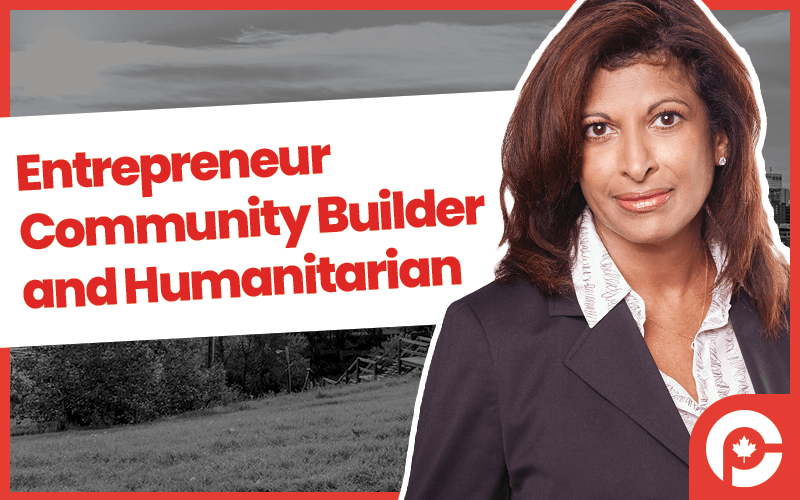
Entrepreneur, Community Builder, and Humanitarian
Episode
Desirée Amanda Bombenon has over 30 years of business operational experience, and strategic leadership. Awarded Ernst & Young 2019...
Key takeaways
- Your team is your greatest asset—if you take care of them, they will take care of your clients and ensure business success.
- Embrace failures and challenges as learning opportunities, as every successful entrepreneur has grown stronger by navigating difficulties.
- Adopt an agile mindset and empower cross-functional teams to handle business operations, which builds trust, reduces stress, and enables quick adaptation to change.
- Giving back to the community is critical for building your brand image and ensuring long-term business success, and it should be done with genuine impact rather than just for recognition.
- Prioritize self-care and balance through activities like meditation, exercise, and peer support groups to avoid burnout and maintain the energy needed to support your team effectively.
Transcript
Full transcript page · Interactive episode
============================================================
TRANSCRIPTION WITH SPEAKERS
============================================================

[00:00] SPEAKER_00: Welcome to Canada's podcast.
[00:05] SPEAKER_00: Hello, I'm Mario Toneguze, and this is Calgary's podcast on Canada's podcast network.
[00:11] SPEAKER_00: Joining me today is Desiree Mambinon, who is the CEO of Sure Call in Calgary,
[00:18] SPEAKER_00: and also the new chair of the Calgary Chamber of Commerce.
[00:21] SPEAKER_00: Thanks for joining us today, Desiree.
[00:24] SPEAKER_00: It's my pleasure, Maria.
[00:24] SPEAKER_00: Let's start by asking you a little bit about the company Sure Call,
[00:30] SPEAKER_00: what it is and what it does.
[00:33] SPEAKER_01: Yeah, so Sure Call is a purpose-driven business process optimization company.
[00:39] SPEAKER_01: We're serving clients globally today, and what we basically do is we do fulfillment and front-end services for organizations
[00:49] SPEAKER_01: in order to help them focus on their core business and help them streamline their processes.
[00:54] SPEAKER_00: Can you tell me a little bit about the history of the company, how it started?
[00:59] SPEAKER_01: Yeah, so the company's been through many iterations over the last, you know, 40 years or so.
[01:05] SPEAKER_01: And basically we started out as a telecommunications company focusing on paging,
[01:11] SPEAKER_01: when paging was new way back in the day, and we continued down that path of communications and got into cellular and cellular retailer.
[01:20] SPEAKER_01: And after that, with the cellular, we had a dispatch center, which eventually we formed into an after-hour service bureau.
[01:29] SPEAKER_01: And as we sold off various assets of the organization, we continued to work in the call center industry,
[01:36] SPEAKER_01: and then in 2013, we completely pivoted that business into a business process organization, opened up Sure Call.
[01:46] SPEAKER_01: And we've been doing fantastic ever since.
[01:51] SPEAKER_00: Tell me a little bit about who your clients would be, like what typically, what kind of industries are you looking at?
[01:59] SPEAKER_01: So we serve a number of industries and sectors, everything from small business to large government entities and Fortune 500 companies.
[02:08] SPEAKER_01: So, you know, we've got every aspect because the applications we do are many and variables.
[02:15] SPEAKER_01: So we customize our solutions specifically around what the clients needs are.
[02:21] SPEAKER_01: So whether it's, you know, electric car charging assistance to, you know, ordering pizza, it could be emergency response.
[02:30] SPEAKER_01: We do a lot of emergency response for the energy industry.
[02:33] SPEAKER_01: So there's many, many different applications.
[02:36] SPEAKER_01: And it's sometimes difficult to juggle, but we ensure that we have specifically skilled individuals for those sectors and work very closely with the organizations to build a solution that works for them.
[02:50] SPEAKER_00: Okay, talk just a little bit about, I guess the last two years, obviously, with the pandemic and what kind of an impact that had on Sure Call.
[03:00] SPEAKER_01: Well, the impact is, it's been very, I don't know if you want to call it good, but we've had a tremendous amount of growth to the point where we've had to sort of try to manage that growth so that it's sustainable.
[03:14] SPEAKER_01: The reason for that is as you would know, most organizations realize that they weren't set up when the pandemic struck in, you know, that people had to work from home and they weren't prepared.
[03:26] SPEAKER_01: We've been working in a, you know, hybrid of in house and remote environment for, you know, the last 15 years.
[03:34] SPEAKER_01: So we were set up to easily manage the pandemic in that piece of it.
[03:39] SPEAKER_01: What we didn't realize is that everybody else would want to come to us for assistance and help during the pandemic.
[03:45] SPEAKER_01: And a lot of that has turned out to be long term business with these organizations.
[03:50] SPEAKER_01: So we've had tremendous growth over the last two years.
[03:53] SPEAKER_00: Okay, now, Desi, I know you're, you're heavily involved in the, in the community here in Calgary.
[03:58] SPEAKER_00: If I'm in a number of different ways, I, you know, let's talk about entrepreneurship and, you know, Calgary and Alberta have always been known as having that quote unquote entrepreneurial spirit.
[04:14] SPEAKER_00: Do you think it's still there?
[04:16] SPEAKER_01: Absolutely. And I think it's fair more than ever. In fact, I think we've had more startups in the past year than we've had, you know, in the history of our city.
[04:25] SPEAKER_01: And we are always leading in the entrepreneurial area, you know, overall other regions in Canada.
[04:33] SPEAKER_01: So I would say even more so today and probably because Calgarians are strong, we've had to, you know, go through a number of, you know, challenges over the, you know, past 20 years.
[04:44] SPEAKER_01: It's not just been the pandemic. It's been the pandemic. It's been, you know, the economy. It's been floods. It's been fires.
[04:51] SPEAKER_01: It's, you know, we've had it all. So I think just developing that really strong foundation to be able to have these challenges and crucibles and learn how to, you know, navigate them and come out successfully on the other side.
[05:07] SPEAKER_01: I mean, that's what that Calgary spirit is.
[05:09] SPEAKER_00: What do you have, you know, if a young entrepreneur came to you or even an older person who wants to be an entrepreneur, what kind of advice would you give them, you know, to set them on the road or in the path of hopefully success?
[05:26] SPEAKER_01: Yeah, well, first of all, you're never too old to become an entrepreneur, right?
[05:30] SPEAKER_01: So go for it if that's your endeavor and that's what you want to do. I would say, you know, just understand that, you know, there's, there's ups and downs and, you know, the best way to be successful and to reach your full potential is by having those failures along the way and learning to grow from those failures.
[05:50] SPEAKER_01: Every successful entrepreneur has had to, you know, handle those challenges and learn how to deal with them and that makes you stronger.
[05:58] SPEAKER_01: The other thing is, you know, to always, you know, lead with your heart and make sure that you stay focused with regards to how you engage with your team.
[06:08] SPEAKER_01: Sometimes, you know, we get successful and we forget that we need to stand alongside our front line and be supportive of them and be there for them.
[06:18] SPEAKER_01: And especially through challenges like the pandemic is, you know, really to be able to be more in the day to day come down from that 30,000 foot level and, you know, really understand the needs of your team.
[06:31] SPEAKER_01: Lastly, your team is really the most, the greatest asset you have with regards to success for your business. If you look after your team, you, they will look after the clients for you.
[06:43] SPEAKER_01: So really, my focus has always been on taking care of my team and in sure they have everything they need to be successful and from there, they will ensure your customers are looked after.
[06:53] SPEAKER_00: We, when we talked a little bit about the pandemic, you know, one of the, I guess, overused words in the pandemic was pivot, right?
[07:02] SPEAKER_00: And, but whether you call it pivot or whether you call it change, you know, adapting and adopting different things, how important is that aspect of being an entrepreneur to see the sign of the time, so to speak and be adaptable and react to them.
[07:20] SPEAKER_00: And reactively manner as well, not like months from now, like, but to do it like pretty quickly.
[07:27] SPEAKER_01: Oh, yes. I mean, time is, is everything when it comes to, you know, being able to manage situations, especially on crisis situations or things that as they change rapidly around you in this volatile, you know, environment that we're all working in.
[07:43] SPEAKER_01: But, you know, our company, we work, you know, with two main operational strategies. One is a purpose driven culture and the other is like you're saying Mario and agile methodology.
[07:54] SPEAKER_01: So this is a way to manage a business by empowering, you know, cross functional teams to handle the business by breaking operations into smaller modules or projects and initiatives.
[08:04] SPEAKER_01: I think this develops a higher level of trust and teamwork. It also reduces the stress that can be overwhelming at times like this and also when scaling or managing your business growth, being agile and being adaptable is like going to be the way to do business.
[08:20] SPEAKER_01: And that's why all these agile frameworks are coming out in business models, although I believe that agile is not a framework. It's actually sort of a mindset that your organization has to have, you know, and again, then, you know, having that purpose behind what you're doing also helps attract, you know, talent and keep talent within your organization.
[08:44] SPEAKER_00: Let me talk a little bit about your community, you know, one of the aspects of being a business owner that I think and an entrepreneur that I think a lot of businesses often forget because they're so busy doing their stuff is how to be part of the community, how to give back to a community, you know, I know my good friend Tony Spalatini and Spalambos.
[09:09] SPEAKER_00: I often talk to him about this and, you know, it's almost at the core of what him and Micah Plumbo do over there and there's other businesses like that. So tell me how important it is to give back as an entrepreneur.
[09:23] SPEAKER_01: Yeah, it's very important. I think it's critical. I think it's the community that helps to make sure companies successful and keep your company successful and it's imperative that you give back to the community. It's also part of the brand image, right.
[09:39] SPEAKER_01: You know, people want to know that the business is a good business and they're willing to help an assist the community when it's needed. I think it's pivotal that you as a company, as an organization, look at ways of giving back.
[09:55] SPEAKER_01: We do a number of different things. We do a lot locally like Tony does. We also, you know, and I'm sure Tony has scaled out more than that as well. We do a lot across Canada and we've also started to do global assistance in many areas, especially around empowering women and gender equality.
[10:14] SPEAKER_01: And I think, you know, just having that brand of and really meaning what you're doing, you know, it's not about doing things just so that you recognize for doing things in the community, but it's actually having impact and having a team that is really wanting to be purpose driven and make a difference in the world.
[10:31] SPEAKER_00: Yeah, when you look at Calgary, what would you say the advantages are of being an entrepreneur in Calgary?
[10:41] SPEAKER_01: Well, I think because Calgary is such an entrepreneurial city, first of all, you have lots of support with regards to the peers and the other businesses around you. Many of the businesses started out in Calgary and are very entrepreneurial.
[10:55] SPEAKER_01: But, you know, there's lots of organizations, for example, the chamber itself now has added a segment or a membership around startups specifically in Calgary.
[11:08] SPEAKER_01: And I think that it's so important that, you know, associations, organizations and chambers do that for their local community.
[11:17] SPEAKER_01: So I believe that, you know, the Calgary community, especially, is very supportive of entrepreneurialism. And we've just created an ecosystem around that.
[11:30] SPEAKER_01: And it doesn't matter what sector you're in. There's going to be resources and support for you out there.
[11:36] SPEAKER_00: Yeah, I'll have to hit the flip side of this. What are disadvantages, you may think that are out there that for doing business in Calgary these days?
[11:46] SPEAKER_01: Well, you know, I don't see a lot of disadvantages. I'm very positive with regards to my outlook on Calgary and our economies.
[11:56] SPEAKER_01: So I think if anything, you know, maybe some red tape, you know, in getting things going and started, however, I think, you know, some of that is loosening up.
[12:05] SPEAKER_01: I think we're starting to see, you know, capacity and resource in that area.
[12:11] SPEAKER_01: There's plenty of, as you know, office space and things that are at very reasonable rates.
[12:18] SPEAKER_01: So, you know, I really don't see too much of a disadvantage Mario coming here. I think the one disadvantage of any is that we have a talent shortage right now.
[12:28] SPEAKER_01: And I think that we need to really work hard with our civic groups and leadership to encourage people to come and live in this great city of ours so that we can have a tremendous talent pool to choose.
[12:42] SPEAKER_00: All right, super. Desiree, let's talk a little bit about yourself. Where are you from originally?
[12:49] SPEAKER_01: Well, I was born in Sri Lanka, actually, but I came, yeah, I came to Canada when I was very, very young, three years old.
[12:56] SPEAKER_01: And I've lived in Calgary for almost all of my life. So, you know, I consider myself obviously a Calgaryen and a Canadian.
[13:05] SPEAKER_01: But my roots, yeah, Sri Lanka.
[13:06] SPEAKER_00: So, tell me, you know, with, you know, all the things that you juggle right now, you know, whether you work at the chamber, you're your work at shirt call, you know, other community work that you do.
[13:19] SPEAKER_00: Where do you find the balance in life?
[13:23] SPEAKER_01: Well, you know, I, I do a lot of other things with regards to, you know, meditation and self care, do lots of walks, do yoga, I work out.
[13:35] SPEAKER_01: You know, so you do have to find a balance, especially if you're an entrepreneur and you're going all the time, you know, the chance of burnout is very real.
[13:44] SPEAKER_01: So, you know, and I look at things like my work on some of the boards that I do like children first Canada and that sort of thing, very rewarding.
[13:52] SPEAKER_01: And so, you know, those are things that also help to balance me out with, you know, going at it at business at 100 miles an hour and then being able to sit back and do some good work in the community.
[14:03] SPEAKER_01: So, you know, you have to find the balance Mario if that's where you're going absolutely because you have to be able to be healthy and supportive and also relax and decompressed in order to support your team to be successful.
[14:17] SPEAKER_00: Yeah, when you look at your, your career along the way, who would you say that's been, I guess some of your main supports are where have you found advice wisdom inspiration from?
[14:33] SPEAKER_01: Well, many, many people, you know, a lot of the talent and great people that's in on the boards that I work with, but also, you know, everybody from my great three teacher, Mrs. Black who's set, you know, set me on my way and told me that, hey, girls could do anything.
[14:49] SPEAKER_01: Right to, you know, my family who've been extremely supportive of everything I've done, I consider my team a huge support to me and my roles and, you know, they manage and run the organization for me as I sit in these other roles.
[15:04] SPEAKER_01: I have a couple of organizations that I belong to like young presidents organization or YPO is known today and belong to a forum.
[15:11] SPEAKER_01: So group of peers that allow, you know, that we talk to because, you know, we don't have anybody else really when you're running a business, you want to talk to other people that are going through the same, you know, challenges that you are.
[15:24] SPEAKER_01: And definitely our local community and the chamber itself, you know, have peer to peer sessions and that sort of thing. I think it's about being able to step up and go and utilize those forms and groups.
[15:38] SPEAKER_01: And a lot of the time to get too busy to do those things and we actually give up a lot by not going and, you know, learning from our, from our peers.
[15:48] SPEAKER_00: Yeah, exactly. Well, that's super. I appreciate taking the time to do this Desiree. Thank you.
[15:53] SPEAKER_00: It's been my pleasure, Maria. Take care.
[15:56] SPEAKER_00: Thank you. That was Desiree Belmaninah, who is the CEO of Sure Call in Calgary, also chair of the Calgary Chamber of Commerce.
[16:05] SPEAKER_00: This has been Calgary's podcast on Canada's podcast network. Thanks for joining us today.