
Dawn Desjardins, Deputy Chief Economist at RBC, Discusses the “Small Business, Big Pivot” Report
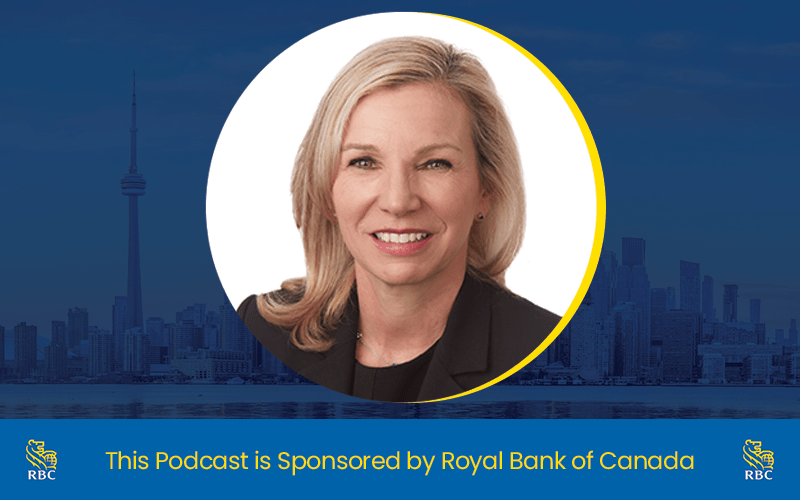
Episode
The “Small Business, Big Pivot” report featured podcast from the Royal Bank of Canada, provides data and new approaches...
Key takeaways
- Small businesses account for 42% of Canada's economic output and created 48% of new jobs in recent decades, making them critical to the country's economic recovery from the pandemic.
- The pandemic has accelerated the shift to digital commerce, and businesses that lack online capabilities and digital payment systems face significant competitive disadvantages in the new economy.
- Government support programs including wage subsidies, loan deferrals, and emergency business loans are essential lifelines that help small businesses survive the crisis and retain employees.
- Industries requiring physical interaction such as accommodation, arts and entertainment, and non-essential retail face longer recovery timelines, while professional services and manufacturing sectors are better positioned to adapt.
- Building resilience requires a multi-faceted approach including ensuring workplace safety, developing digital capabilities, strengthening local supply chains, and accessing resources through business networks and chambers of commerce.
Transcript
Full transcript page · Interactive episode
============================================================
TRANSCRIPTION WITH SPEAKERS
============================================================

[00:00] SPEAKER_00: It's Toronto's podcast on the Canada's podcast network.
[00:04] SPEAKER_01: Hi everyone, welcome to Canada's podcast.
[00:07] SPEAKER_01: Canada's number one business podcast for entrepreneurs.
[00:11] SPEAKER_01: I'm Philip Bliss, host of the Ontario edition,
[00:14] SPEAKER_01: coming to you today from Toronto.
[00:16] SPEAKER_01: Today we're going to interview Don Desjardins,
[00:19] SPEAKER_01: the vice president and deputy chief economist at RBC Royal Bank.
[00:24] SPEAKER_01: A recent RBC thought leadership report,
[00:27] SPEAKER_01: small business, big pivot,
[00:29] SPEAKER_01: really resonated with the entrepreneurial team
[00:32] SPEAKER_01: at Canada's podcast.
[00:34] SPEAKER_01: And Don agreed to come on the show
[00:36] SPEAKER_01: and give our list of viewers some insights on its findings.
[00:40] SPEAKER_01: Don, welcome to Canada's podcast.
[00:44] SPEAKER_01: So Don, let me dive in and ask you the first question,
[00:47] SPEAKER_01: because I always like people to stay with us
[00:50] SPEAKER_01: while we get the question.
[00:52] SPEAKER_01: So I think we all know that small business has been
[00:55] SPEAKER_01: in the current pandemic, but maybe let's start by,
[01:01] SPEAKER_01: you know, giving us numbers of snapshot of the impact
[01:04] SPEAKER_01: to small business and the overall economy in Canada.
[01:08] SPEAKER_00: Well Phil, small businesses, as we know,
[01:11] SPEAKER_00: are very, very important.
[01:12] SPEAKER_00: Counting 42% of our economic output,
[01:16] SPEAKER_00: they created 48% of new jobs in recent decades.
[01:20] SPEAKER_00: And early in the crisis, firms that had 100 employees or less.
[01:24] SPEAKER_00: So that's to give you a ballpark of what kind of,
[01:27] SPEAKER_00: what size companies are talking about here.
[01:29] SPEAKER_00: They accounted for about 60% of the jobs that were lost.
[01:34] SPEAKER_00: And that's more than double the share of the job losses
[01:36] SPEAKER_00: that they can't afford during the great recession.
[01:38] SPEAKER_00: So that's just to give you a little bit of contact
[01:40] SPEAKER_00: of the power.
[01:41] SPEAKER_01: That's scary.
[01:42] SPEAKER_01: Yeah.
[01:42] SPEAKER_00: It is.
[01:43] SPEAKER_00: And recent surveys indicate that small businesses now say,
[01:48] SPEAKER_00: so this was as of mid June, so about a month ago,
[01:51] SPEAKER_00: only about a third of them said they were back
[01:53] SPEAKER_00: to the usual number of employees.
[01:55] SPEAKER_00: And that's even though when we read the headline numbers
[01:58] SPEAKER_00: for the economy, we have lots of jobs being created.
[02:01] SPEAKER_00: But for small businesses, it's still quite a struggle.
[02:05] SPEAKER_00: And we know that overall, the scale, the size of this
[02:09] SPEAKER_00: economic downturn is unprecedented.
[02:12] SPEAKER_00: We've only closed for half a month and a month of March.
[02:15] SPEAKER_00: And when you think about it, it's quite amazing
[02:17] SPEAKER_00: that that was able to drive our economy into negative territory
[02:21] SPEAKER_00: by over 8% annualized place in the first quarter.
[02:24] SPEAKER_00: So that was just two weeks.
[02:26] SPEAKER_00: So when we look at April, that was by far a much worse month
[02:31] SPEAKER_00: for our economy.
[02:33] SPEAKER_00: And that showed economic growth down 12% in that month,
[02:36] SPEAKER_00: compared to March.
[02:37] SPEAKER_00: So these are numbers that as an economist,
[02:39] SPEAKER_00: you're not looking to ever forecast that
[02:43] SPEAKER_00: or think that that's going to be it.
[02:44] SPEAKER_00: So overall, I would say what we're seeing is an economy
[02:48] SPEAKER_00: that is under significant downward pressure
[02:51] SPEAKER_00: across the board, in particular for small businesses,
[02:54] SPEAKER_00: but certainly across the board.
[02:55] SPEAKER_00: In fact, we wouldn't be surprised if,
[02:58] SPEAKER_00: for the second quarter of 2020, the economy contracted
[03:01] SPEAKER_00: at greater than 35% annualized place.
[03:05] SPEAKER_00: But the data for May and June, a little bit better,
[03:08] SPEAKER_00: you know, we've had this gradual reopening.
[03:10] SPEAKER_00: Overall, we saw three million jobs lost
[03:12] SPEAKER_00: in the first couple of months.
[03:14] SPEAKER_00: And about 1.2 million jobs recreated in May and June.
[03:18] SPEAKER_00: But doing the math, you know that that's 1.8 million
[03:22] SPEAKER_00: fewer Canadians working than in February.
[03:26] SPEAKER_00: So it is a pretty large number economic downturn.
[03:31] SPEAKER_00: And we think on that when we exit 2020,
[03:34] SPEAKER_00: we think we'll have some growth in the second half of this year,
[03:36] SPEAKER_00: but we'll still be down about 5% compared to where we were
[03:40] SPEAKER_00: at the end of 2019.
[03:42] SPEAKER_00: And we'll still have an unemployment rate
[03:43] SPEAKER_00: at about 8.5%.
[03:45] SPEAKER_00: So that's three percentage points above where we entered this.
[03:49] SPEAKER_00: So, you know, pretty tough environment for businesses.
[03:52] SPEAKER_01: What happens in the future?
[03:54] SPEAKER_01: If small business, which you say quite clearly
[03:58] SPEAKER_01: is taking such a battering, what role do they have in our recovery?
[04:03] SPEAKER_01: I mean, I wouldn't stay on the positive side.
[04:04] SPEAKER_00: Yeah, yeah, yeah, because we know
[04:07] SPEAKER_00: small businesses are so key to our economy, right?
[04:10] SPEAKER_00: They are the job creators.
[04:12] SPEAKER_00: They're the ones that are paying the tax revenues in our cities
[04:16] SPEAKER_00: or the ones that are supporting our community.
[04:19] SPEAKER_00: So definitely when we think about what does it mean
[04:22] SPEAKER_00: for the future, it is getting these small businesses
[04:25] SPEAKER_00: gradually back on a growth trajectory.
[04:29] SPEAKER_00: And we know some are wanting to take longer than others,
[04:32] SPEAKER_00: but we do think that as the opening,
[04:34] SPEAKER_00: real opening, I guess I should say, for the economy continues,
[04:37] SPEAKER_00: it will start to see businesses come forward
[04:41] SPEAKER_00: and start to see increased demand for the business services.
[04:45] SPEAKER_00: And in turn, allow them to hire some of their employees back.
[04:50] SPEAKER_01: It's all very well, that's a very positive statement.
[04:54] SPEAKER_01: But, you know, speaking to friends of small businesses,
[04:58] SPEAKER_01: how do they do that?
[04:59] SPEAKER_01: You know, you know, it's hard.
[05:02] SPEAKER_01: You know, what are the challenges they face?
[05:06] SPEAKER_01: I think we need a little bit more explanation.
[05:10] SPEAKER_01: I know in the report, there was a good bit on that.
[05:12] SPEAKER_01: And I think it's going to be really useful to hear it.
[05:16] SPEAKER_00: I mean, we know that businesses, small, medium,
[05:20] SPEAKER_00: and big, have faced significant challenges during this downturn.
[05:24] SPEAKER_00: In particular, when we think about small businesses,
[05:26] SPEAKER_00: some of them have high fixed costs.
[05:29] SPEAKER_00: Some of them have very, very razor-thin margins
[05:31] SPEAKER_00: and so very low cash flow.
[05:34] SPEAKER_00: So these have been challenging, they're very survival.
[05:36] SPEAKER_00: And as we go forward, the other factor that I think
[05:40] SPEAKER_00: has happened is we've seen the way the economy is operating
[05:44] SPEAKER_00: change, certainly more mobile and more digital.
[05:50] SPEAKER_00: And so we looked at surveys in our report.
[05:53] SPEAKER_00: This was 2017, so probably some ground has been made.
[05:56] SPEAKER_00: But having said that, in 2017, statistics,
[05:59] SPEAKER_00: Kansas said that nearly half of the firms
[06:02] SPEAKER_00: that had 500 employees or less.
[06:04] SPEAKER_00: So still, in the medium size, really,
[06:07] SPEAKER_00: they didn't have a digital, their own business website.
[06:10] SPEAKER_00: And if they did, about 10% of them could actually
[06:14] SPEAKER_00: receive, try and fact, receive payments.
[06:17] SPEAKER_00: So we think about today and what's happening in terms
[06:19] SPEAKER_00: of the economy and what this has caused.
[06:22] SPEAKER_00: You know, a lot of this visible distancing,
[06:25] SPEAKER_00: the fact that we had to close down businesses.
[06:28] SPEAKER_00: You know, that said that companies that were digitally enabled,
[06:31] SPEAKER_00: at least were able to get some cash flow through
[06:35] SPEAKER_00: during this very difficult time.
[06:38] SPEAKER_00: So, you know, that is definitely a big challenge
[06:41] SPEAKER_00: because it's almost like the game has changed.
[06:44] SPEAKER_00: And it's changed far more quickly than most of us
[06:47] SPEAKER_00: would have expected.
[06:48] SPEAKER_00: Now, governments, you know, are really trying to help.
[06:51] SPEAKER_00: They're trying to shore up businesses,
[06:53] SPEAKER_00: provide them with cash flow, talking about ensuring
[06:56] SPEAKER_00: that we have high-speed internet across the entire country.
[07:00] SPEAKER_00: So we're trying to ensure that the setup is there for businesses.
[07:04] SPEAKER_00: But again, we have to also support businesses
[07:07] SPEAKER_00: as they make that journey because it is a totally different world
[07:11] SPEAKER_00: as we go post-COVID.
[07:14] SPEAKER_01: So, you know, I get what you're saying,
[07:17] SPEAKER_01: but being a small-to-medium business entrepreneur
[07:21] SPEAKER_01: and that talks to hundreds, thousands of small business
[07:28] SPEAKER_01: entrepreneurs across the country, we've got debt loads.
[07:32] SPEAKER_01: You know, and we've got loads of debt, you know,
[07:34] SPEAKER_01: the government gave us some great grants.
[07:39] SPEAKER_01: But, you know, this is going to be paid back.
[07:43] SPEAKER_01: Consumers' behavior is changing.
[07:44] SPEAKER_01: You know, I live in downtown Amelden.
[07:47] SPEAKER_01: And yeah, there's patios, but there's not as many people
[07:49] SPEAKER_01: as they used to be.
[07:50] SPEAKER_01: I think they've got that 90-day kind of lockdown,
[07:53] SPEAKER_01: really, it's kind of different.
[07:56] SPEAKER_01: You know, supply chains, all of these things, you know,
[08:00] SPEAKER_01: if you've got any insights into that.
[08:02] SPEAKER_00: Yeah, I mean, I think you're, you know, the data it shows.
[08:05] SPEAKER_00: I mean, you know the real-life situation,
[08:08] SPEAKER_00: but even from the data point of view,
[08:11] SPEAKER_00: we see industries have debt loads that are very high,
[08:14] SPEAKER_00: some industries, some companies.
[08:16] SPEAKER_00: And so, as you say, we have seen some government programs
[08:19] SPEAKER_00: really hoping and helping.
[08:23] SPEAKER_00: Some of these companies get through this tough patch
[08:25] SPEAKER_00: and seem deferral, certain taxes, for example,
[08:28] SPEAKER_00: the pearls of some fee.
[08:29] SPEAKER_00: So, that's all really trying to address that idea
[08:33] SPEAKER_00: of elevated levels of debt,
[08:35] SPEAKER_00: but really making it to the other side of this crisis.
[08:38] SPEAKER_00: And when we think about consumer behavior,
[08:41] SPEAKER_00: I think you're absolutely right.
[08:43] SPEAKER_00: You know, things have changed remarkably.
[08:45] SPEAKER_00: You know, when you look at things like e-commerce
[08:47] SPEAKER_00: and some other day, and wow, that number is picking up,
[08:51] SPEAKER_00: but considerably, as one would expect,
[08:53] SPEAKER_00: that was the only way you really could get anything.
[08:56] SPEAKER_00: And you even think about how businesses are trying to adapt.
[09:00] SPEAKER_00: You think about dying in restaurants.
[09:02] SPEAKER_00: You know, now you can order from them.
[09:05] SPEAKER_00: And at the same time, you know,
[09:07] SPEAKER_00: buy wine and spirits and beer from them.
[09:10] SPEAKER_00: So, we are seeing businesses adapt.
[09:13] SPEAKER_00: And that's all very good,
[09:14] SPEAKER_00: but it's going to continue, I think, along that road.
[09:18] SPEAKER_00: We're going to have, you know, more digital,
[09:21] SPEAKER_00: whether it's delivery,
[09:22] SPEAKER_00: we're going to have probably more domestic procurement.
[09:26] SPEAKER_00: We're going to probably see a little less market concentration.
[09:28] SPEAKER_00: And probably, I would think, and just to your point,
[09:32] SPEAKER_00: you know, caution on the behalf of consumers.
[09:36] SPEAKER_00: I mean, people are nervous.
[09:38] SPEAKER_00: They don't want another outbreak.
[09:40] SPEAKER_00: They're concerned about how, you know,
[09:43] SPEAKER_00: they're going to be shopping.
[09:45] SPEAKER_00: So, I think all of that says to us that you're right.
[09:48] SPEAKER_00: It has been a significant shift.
[09:50] SPEAKER_00: And businesses are going to really have to figure out
[09:55] SPEAKER_00: how can they get their product to these people.
[09:59] SPEAKER_00: So, you know, when we think about,
[10:01] SPEAKER_00: what does that mean in terms of supply chains?
[10:04] SPEAKER_00: Well, I mean, I think many global
[10:05] SPEAKER_00: supply chains will remain intact,
[10:07] SPEAKER_00: but, you know, this really did bring to light
[10:09] SPEAKER_00: the vulnerability of these supply chains.
[10:12] SPEAKER_00: So, wouldn't be terribly surprising
[10:14] SPEAKER_00: if we saw a little bit of on-shoring.
[10:16] SPEAKER_00: And that does create opportunities for some companies,
[10:20] SPEAKER_00: locally, to sort of step into the void
[10:22] SPEAKER_00: where we've only been going outside of Canada.
[10:25] SPEAKER_01: So, without being too pessimistic,
[10:29] SPEAKER_01: I still want to dive deeper into the state
[10:31] SPEAKER_01: of small business in general and Canada.
[10:33] SPEAKER_01: I think it's good for everyone to know what the numbers are.
[10:38] SPEAKER_01: And I know the report has some of those numbers.
[10:41] SPEAKER_01: So, you know, maybe you can let us know
[10:43] SPEAKER_01: what some of those are.
[10:45] SPEAKER_00: Sure.
[10:46] SPEAKER_00: I mean, you know, we're thinking about small business
[10:47] SPEAKER_00: and you think about just how varied
[10:49] SPEAKER_00: and how many different industries
[10:52] SPEAKER_00: these small businesses touch.
[10:54] SPEAKER_00: And when we look at the data,
[10:56] SPEAKER_00: what it showed us that was in 2019.
[10:58] SPEAKER_00: So, just last year, which seems a decade ago,
[11:02] SPEAKER_00: almost 43% of employment in the private sector
[11:06] SPEAKER_00: came from businesses with employees less than 100.
[11:09] SPEAKER_00: So, you know, definitely it tells us that this is,
[11:13] SPEAKER_00: these are the companies that are driving,
[11:17] SPEAKER_00: job growth, they're driving our economy.
[11:19] SPEAKER_00: As I said at the beginning, you know,
[11:21] SPEAKER_00: we're looking at companies that generate 42%
[11:25] SPEAKER_00: of our economic output.
[11:26] SPEAKER_00: So, definitely, you know, very meaningful
[11:29] SPEAKER_00: and very important for Canada's economy as we move forward.
[11:33] SPEAKER_01: I think most entrepreneurs in Canada
[11:36] SPEAKER_01: don't really have a picture of how important they are.
[11:41] SPEAKER_01: So, let's give them credit.
[11:42] SPEAKER_01: How does entrepreneurship encounter rank against
[11:45] SPEAKER_01: some of the other countries that you've looked at?
[11:48] SPEAKER_00: Well, I think what International Studies will say is,
[11:51] SPEAKER_00: you know, we are a good country for small businesses.
[11:55] SPEAKER_00: In a World Bank survey, for example,
[11:58] SPEAKER_00: they said that Canada ranked number two
[12:01] SPEAKER_00: as one of the easiest places to set up a business.
[12:05] SPEAKER_00: So, that's good.
[12:06] SPEAKER_00: We also ranked very high in terms of entrepreneurial traits
[12:10] SPEAKER_00: and they're asking, you know, people about what their aspirations are
[12:14] SPEAKER_00: and how they feel about risk taking
[12:15] SPEAKER_00: or, you know, how confident they are
[12:17] SPEAKER_00: that they can run their business and be successful.
[12:19] SPEAKER_00: And again, we do have very high ratings there.
[12:23] SPEAKER_00: And of course, when we look at our tax laws,
[12:26] SPEAKER_00: you know, for small businesses,
[12:28] SPEAKER_00: it is comparing quite favorably to other countries across the globe.
[12:33] SPEAKER_00: So, I would say from the entrepreneurial standpoint,
[12:37] SPEAKER_00: Canada does present a pretty good market for businesses to get going.
[12:42] SPEAKER_01: Oh, some good news.
[12:44] SPEAKER_01: That's great.
[12:44] SPEAKER_01: That sounds really good.
[12:46] SPEAKER_01: So, I guess the next thing is,
[12:48] SPEAKER_01: what's the support like in Canada for those entrepreneurs?
[12:52] SPEAKER_00: Well, that's really where we get the rub.
[12:54] SPEAKER_00: I guess I'd say, you know, when you look at the data,
[12:57] SPEAKER_00: what does it show it for?
[12:59] SPEAKER_00: It shows that Canada has many more small businesses
[13:02] SPEAKER_00: than in the United States, for example.
[13:05] SPEAKER_00: So, it's just that we're great at starting companies.
[13:09] SPEAKER_00: But growing them, that is more challenging.
[13:11] SPEAKER_00: In fact, when statistics Canada looks at companies
[13:15] SPEAKER_00: and they're trying to figure out, you know,
[13:17] SPEAKER_00: what's our economy made of, only about 10%
[13:22] SPEAKER_00: of these companies are considered high-growth companies.
[13:24] SPEAKER_00: So, you know, these are the areas we need to work on.
[13:27] SPEAKER_00: And then we think about, okay, so how, you know,
[13:29] SPEAKER_00: what's impeding that?
[13:31] SPEAKER_00: Well, one would be, of course,
[13:32] SPEAKER_00: inter-bergill trade barriers,
[13:34] SPEAKER_00: been born on the side of many company for a very long time.
[13:39] SPEAKER_00: And the other thing is what we notice
[13:41] SPEAKER_00: is there's been a shortage of capital
[13:44] SPEAKER_00: to get these businesses growing.
[13:47] SPEAKER_00: Maybe not so much going, but growing.
[13:49] SPEAKER_00: So, when we look at adventure capital, deal flow,
[13:52] SPEAKER_00: Canada is running about 2% of what that deal flow is
[13:54] SPEAKER_00: in the United States.
[13:55] SPEAKER_00: So, you know, we get a 10% we're out of two on this one.
[13:59] SPEAKER_00: So, definitely, I think, you know,
[14:02] SPEAKER_00: we have some impediments to grow.
[14:04] SPEAKER_00: So, it is getting through these impediments,
[14:07] SPEAKER_00: getting these kinds of capital, as well as the regulatory,
[14:11] SPEAKER_00: the red tape, getting that dealt with,
[14:13] SPEAKER_00: that will help our companies where they grow.
[14:17] SPEAKER_01: So, we're here.
[14:18] SPEAKER_01: We're, we're foremancent to the pandemic.
[14:21] SPEAKER_01: It'd be great considering where we're at
[14:23] SPEAKER_01: and maybe where we're going to.
[14:25] SPEAKER_01: Do you have any data that can guide us?
[14:29] SPEAKER_01: A lot of people really interested in that stuff.
[14:32] SPEAKER_01: So, you know, some data, data always helps.
[14:35] SPEAKER_00: Data is help, yes.
[14:37] SPEAKER_00: And so, what we did was we said, okay, you know,
[14:39] SPEAKER_00: just we're trying to think about our economy,
[14:42] SPEAKER_00: the deep hole we were in, you know,
[14:43] SPEAKER_00: what's going to look like on the other side?
[14:45] SPEAKER_00: So, we tried to look at companies
[14:48] SPEAKER_00: who had revenues between $30,000 and $5 million per year.
[14:52] SPEAKER_00: So, we thought, okay, that's going to be sort of
[14:54] SPEAKER_00: our universe of small businesses.
[14:57] SPEAKER_00: And then we said, okay, so that's our universe.
[14:59] SPEAKER_00: Let's dig into the data and see the role of fixed costs
[15:02] SPEAKER_00: in their operation, how they are set up
[15:05] SPEAKER_00: from a liquidity point of view.
[15:07] SPEAKER_00: Because we knew that would be very important.
[15:09] SPEAKER_00: And then of course, layering on that,
[15:11] SPEAKER_00: what types of businesses or what industries
[15:14] SPEAKER_00: will this physical distancing,
[15:16] SPEAKER_00: which is likely to persist even though we're going through
[15:19] SPEAKER_00: these phases of reopening.
[15:20] SPEAKER_00: And what's that, you know, implications for them?
[15:24] SPEAKER_00: So, I guess I'll start with the, you know,
[15:26] SPEAKER_00: slower growth strippers.
[15:27] SPEAKER_00: We found five industries that are going to continue
[15:30] SPEAKER_00: to be pretty challenged, we would say,
[15:32] SPEAKER_00: as we go throughout 2020.
[15:35] SPEAKER_00: Accommodation of the services, arts and entertainment,
[15:38] SPEAKER_00: non-essential retail, mining oil and gas.
[15:41] SPEAKER_00: And of course, there, that's an added ripple for them
[15:44] SPEAKER_00: because this pandemic has reduced commodity prices
[15:47] SPEAKER_00: so significantly in the industry.
[15:50] SPEAKER_00: Oil prices.
[15:51] SPEAKER_00: And then commercial real estate.
[15:53] SPEAKER_00: So, you know, we looked at those three factors.
[15:56] SPEAKER_00: So these are the five industries where we say,
[15:59] SPEAKER_00: they have higher fixed costs in general.
[16:01] SPEAKER_00: And they tend to have higher debt loans.
[16:04] SPEAKER_00: And so they, and they also of course require
[16:08] SPEAKER_00: physical interaction.
[16:10] SPEAKER_00: So that's going to really keep them being very challenged
[16:14] SPEAKER_00: even as to go through this reentry phase.
[16:17] SPEAKER_00: Now, when we look at companies in the manufacturing,
[16:20] SPEAKER_00: professional services, you know,
[16:22] SPEAKER_00: they tend to be in a better position
[16:25] SPEAKER_00: to manage this period of weakness.
[16:28] SPEAKER_00: They tend to have lower fixed costs
[16:29] SPEAKER_00: but they have higher variable costs.
[16:31] SPEAKER_00: So they're able to change their structure a little bit
[16:33] SPEAKER_00: and they tend to have more liquidity.
[16:36] SPEAKER_00: So it gave them a leg up in terms of being able to
[16:40] SPEAKER_00: get to the other side, I would say, the pandemic.
[16:44] SPEAKER_01: Well, that's great, but it still kept it depressing
[16:46] SPEAKER_01: what you were saying there.
[16:49] SPEAKER_01: But, you know, let's not stay with now.
[16:51] SPEAKER_01: Let's think of the futures a bit.
[16:54] SPEAKER_01: We know there's going to be a new normal.
[16:56] SPEAKER_01: We're living in it, okay.
[16:58] SPEAKER_01: Can you give us some thoughts on the future?
[17:00] SPEAKER_01: So our listeners' viewers can prepare
[17:03] SPEAKER_01: and maybe refocus a bit.
[17:06] SPEAKER_00: Yeah, as I said earlier,
[17:08] SPEAKER_00: you know, the economy fell quite significantly
[17:12] SPEAKER_00: in that period between March and April.
[17:16] SPEAKER_00: It's gradually creeping higher as we go through May 2.
[17:19] SPEAKER_00: We'll really start to show some greater strength
[17:24] SPEAKER_00: as we go through the second half of this year.
[17:26] SPEAKER_00: And of course, this assumes that we don't have
[17:28] SPEAKER_00: any broad-based outbreak again.
[17:31] SPEAKER_00: You know, law proppings, you know,
[17:34] SPEAKER_00: we think that can be managed for the economy
[17:36] SPEAKER_00: but if you start to see what we've just lived through,
[17:38] SPEAKER_00: you know, of course, all bets are off in terms of that growth.
[17:42] SPEAKER_00: But when we think about where that leads us again,
[17:45] SPEAKER_00: probably with a bit of a deficit compared to where we were
[17:50] SPEAKER_00: when we entered 2020.
[17:52] SPEAKER_00: Now, when we think about those hard hit industries
[17:54] SPEAKER_00: that I prefer to, we did some analysis to try and figure out,
[17:59] SPEAKER_00: okay, what does that look like for them?
[18:00] SPEAKER_00: What should they be expecting?
[18:02] SPEAKER_00: You know, we think of things about arts and entertainment.
[18:05] SPEAKER_00: You know, if we're not going to have thousands of people
[18:08] SPEAKER_00: able to congregate any time soon,
[18:11] SPEAKER_00: you know, that's going to leave them in a pretty tough spot.
[18:13] SPEAKER_00: So we have them, you know, the growth not recovering,
[18:17] SPEAKER_00: only half of the growth recovered compared to the decline
[18:20] SPEAKER_00: they've seen by the end of this year.
[18:22] SPEAKER_00: Looting and compensation services, you know, again,
[18:25] SPEAKER_00: probably about a third below where they would have been
[18:28] SPEAKER_00: had it not for a bit this pandemic.
[18:31] SPEAKER_00: Are there sectors, of course, professional services,
[18:34] SPEAKER_00: healthcare, those industries will get back, we think,
[18:38] SPEAKER_00: to, you know, within a pretty narrow margin of where they were.
[18:43] SPEAKER_00: So, you know, again, we think that we're going to see
[18:46] SPEAKER_00: pent up demands, you know, being released into the economy.
[18:50] SPEAKER_00: We have a consumer tracker that we look at,
[18:52] SPEAKER_00: and we're just trying to get a gauge
[18:53] SPEAKER_00: on how our consumers coping through this.
[18:56] SPEAKER_00: And what it showed us for the month,
[18:57] SPEAKER_00: or by the end of the month of June,
[18:59] SPEAKER_00: is that spending activity had basically returned
[19:01] SPEAKER_00: to where it would have been a year ago.
[19:03] SPEAKER_00: So, now, we all know it's not a broad brush,
[19:08] SPEAKER_00: it's grocery, then all pretty, pretty simple things,
[19:11] SPEAKER_00: not travel, but again, we just, you know,
[19:14] SPEAKER_00: we know that we're going to be seeing an uneven,
[19:18] SPEAKER_00: it's going to be bumpy no doubt,
[19:19] SPEAKER_00: but we do think that the recovery will occur
[19:23] SPEAKER_00: over the course of this year.
[19:25] SPEAKER_00: And when we go through 2020,
[19:26] SPEAKER_00: we're looking for economy to grow by 4%.
[19:29] SPEAKER_00: So that's good news.
[19:30] SPEAKER_00: Again, doesn't mean we totally recover
[19:32] SPEAKER_00: all that output loss.
[19:33] SPEAKER_00: In fact, that may not happen till mid 2022.
[19:36] SPEAKER_00: So I don't want to give anyone the impression
[19:38] SPEAKER_00: that we're expecting a surge growth,
[19:40] SPEAKER_00: but we are expecting that we're at the bottom in April
[19:43] SPEAKER_00: and we're going to climb out of that.
[19:46] SPEAKER_01: So, to some ways, what should, you know,
[19:49] SPEAKER_01: some of the business be thinking about in,
[19:52] SPEAKER_01: let's say in the recovery,
[19:54] SPEAKER_01: because I think that that's, let's be positive about this.
[19:57] SPEAKER_01: And what kind of help can they expect
[19:58] SPEAKER_01: to focus on these new opportunity segments?
[20:02] SPEAKER_00: Yeah, I mean, you know, we're trying to think of,
[20:05] SPEAKER_00: you know, how to gather our thoughts
[20:08] SPEAKER_00: to think about how we would be, you know,
[20:10] SPEAKER_00: positive as we go forward.
[20:12] SPEAKER_00: So we had kind of a five point plan that we think, you know,
[20:16] SPEAKER_00: address some of the issues
[20:18] SPEAKER_00: that are absolutely going to have to be addressed.
[20:20] SPEAKER_00: And of course, one of them is government support.
[20:23] SPEAKER_00: And there we have seen the governments
[20:25] SPEAKER_00: like all the stocks.
[20:27] SPEAKER_00: As certainly they created many, many different programs.
[20:30] SPEAKER_00: Some of them like the emergency benefit,
[20:34] SPEAKER_00: a PAMP for business,
[20:35] SPEAKER_00: can't write their for businesses about that $40,000 alone,
[20:38] SPEAKER_00: you know, some of that was forgivable.
[20:40] SPEAKER_00: No, we'll see if we continue to see pressures,
[20:42] SPEAKER_00: maybe more of that will have to be forgivable
[20:44] SPEAKER_00: as we go forward.
[20:46] SPEAKER_00: We have seen the government announce recently,
[20:48] SPEAKER_00: their intention to extend the wage subsidy programs.
[20:52] SPEAKER_00: So to the end of the year,
[20:53] SPEAKER_00: so that should be helpful to small businesses
[20:56] SPEAKER_00: who want to get some of their employees back on the payroll.
[21:00] SPEAKER_00: Of course, we also have to think about the second thing,
[21:02] SPEAKER_00: which is how do we help businesses open in the safe environment?
[21:07] SPEAKER_00: You know, what about personal protection equipment?
[21:10] SPEAKER_00: What about ensuring that they have made ways
[21:13] SPEAKER_00: to keep that physical distancing required it?
[21:16] SPEAKER_00: And some of that may require just getting together as groups,
[21:20] SPEAKER_00: joining chambers of commerce,
[21:21] SPEAKER_00: all of these really trying to figure out ways
[21:24] SPEAKER_00: that people can tap into those resources, digital networks.
[21:28] SPEAKER_00: You know, that's definitely, I think, one thing we've learned
[21:30] SPEAKER_00: is that companies that were already digitally enabled,
[21:33] SPEAKER_00: they just had that leg up in terms of others.
[21:37] SPEAKER_00: So, you know, the government is committed
[21:38] SPEAKER_00: to get high speed internet across the country, right?
[21:41] SPEAKER_00: They're going to continue to push with that,
[21:43] SPEAKER_00: but we also need to see development of entities
[21:46] SPEAKER_00: that help small businesses,
[21:49] SPEAKER_00: gal online, period, help that happen easily for them.
[21:53] SPEAKER_00: And of course, we have to think about how do we help people
[21:57] SPEAKER_00: get their supply chains if they want to aren't sure
[21:59] SPEAKER_00: how do we support that effort?
[22:02] SPEAKER_00: I mean, this idea of, you know, buy canned or buy local,
[22:05] SPEAKER_00: the other thing we looked at in other reports
[22:08] SPEAKER_00: is sort of the tourism industry.
[22:10] SPEAKER_00: You know, if people are unable to come to Canada,
[22:12] SPEAKER_00: okay, that leads a bit of a whole in our economy.
[22:15] SPEAKER_00: So how do we encourage Canadians?
[22:18] SPEAKER_00: If they're going to take time off,
[22:19] SPEAKER_00: visit other Canadians, it is fitting.
[22:21] SPEAKER_00: And so what does that tourism element look like?
[22:24] SPEAKER_00: And I guess the other aspect in the funnel
[22:27] SPEAKER_00: what would be sort of how do we help small businesses
[22:30] SPEAKER_00: who say, okay, you know, that's great,
[22:32] SPEAKER_00: but I think there's good demand for my product outside of Canada.
[22:37] SPEAKER_00: Like how do I get some support
[22:39] SPEAKER_00: to instead of just go local, go global.
[22:43] SPEAKER_00: So setting up some kind of trade accelerators
[22:47] SPEAKER_00: is sort of the fifth pillar we've suggested in our report.
[22:51] SPEAKER_01: That's cool.
[22:52] SPEAKER_01: So it's really helpful.
[22:54] SPEAKER_01: But you know, I can't finish, we've got RBC here.
[22:58] SPEAKER_01: What kind of support, are you going to provide to entrepreneurs,
[23:01] SPEAKER_01: you know, as they emerge from this crisis?
[23:05] SPEAKER_00: Yeah, well, I think, you know, when we think about the rule,
[23:08] SPEAKER_00: RBC is playing in terms of helping our companies
[23:12] SPEAKER_00: at Canadians get through this, you know,
[23:14] SPEAKER_00: definitely being very much involved in supplying financing
[23:19] SPEAKER_00: through the government's programs,
[23:21] SPEAKER_00: adding in some of the deferrals,
[23:23] SPEAKER_00: payments on things like mortgages.
[23:25] SPEAKER_00: So whether we were helping with the name or see benefit,
[23:29] SPEAKER_00: business count, EDC, BBC loans, you know,
[23:31] SPEAKER_00: facilitating getting cash to these businesses
[23:34] SPEAKER_00: who were really in a tough spot.
[23:37] SPEAKER_00: And of course, all of our advisors at RBF
[23:40] SPEAKER_00: have been trying to work with their clients
[23:43] SPEAKER_00: across the broadest spectrum that they can,
[23:46] SPEAKER_00: trying to work on solutions that will help them get from,
[23:50] SPEAKER_00: you know, this very dark place onto a strong growth
[23:55] SPEAKER_00: aside of the equation and really just get them through
[23:58] SPEAKER_00: these crises, because that's really what you want to do.
[24:02] SPEAKER_01: Don't, you know, thanks.
[24:04] SPEAKER_01: Next we're coming on account of this podcast, you know,
[24:06] SPEAKER_01: as I said, a bunch of us read the report
[24:08] SPEAKER_01: and we thought it was really good.
[24:09] SPEAKER_01: So thanks for kind of making yourself available
[24:13] SPEAKER_01: and filling in a little bit about the data.
[24:16] SPEAKER_01: Maybe just quickly let everyone know, you know,
[24:19] SPEAKER_01: how they can get the report,
[24:21] SPEAKER_01: because I certainly recommend it.
[24:22] SPEAKER_00: Oh, yes, sure.
[24:24] SPEAKER_00: Yeah, we have it on our thought leadership site.
[24:27] SPEAKER_00: So that's rbc.com, backslash.
[24:31] SPEAKER_00: Thought leadership.
[24:32] SPEAKER_00: And certainly it's on our site
[24:35] SPEAKER_00: and it is called five ways to help small businesses.
[24:37] SPEAKER_00: That's the name of the link.
[24:40] SPEAKER_00: Should you look at it for it?
[24:41] SPEAKER_00: So again, that's where you can find a report
[24:44] SPEAKER_00: and Phil, thank you so much for having me
[24:47] SPEAKER_00: and talking about our research.
[24:50] SPEAKER_00: We believe it's very, very important
[24:52] SPEAKER_00: to keep these conversations going.
[24:54] SPEAKER_01: Thanks, Don.
[24:55] SPEAKER_01: It was really informative.
[24:56] SPEAKER_01: Appreciate you coming on.
[24:57] SPEAKER_00: Thanks again.
[24:59] SPEAKER_01: Thanks for listening and watching Candace Podcast.
[25:01] SPEAKER_01: Candace Number One Business Podcast
[25:04] SPEAKER_01: by entrepreneurs for entrepreneurs.
[25:08] SPEAKER_01: I'm Philip Blist, host of the Ontario Edition.
[25:11] SPEAKER_01: See you again soon.