
Brad Pilgrim Discusses His History as a Serial Entrepreneur and Parity Inc.’s AI-Powered Energy Management Platform
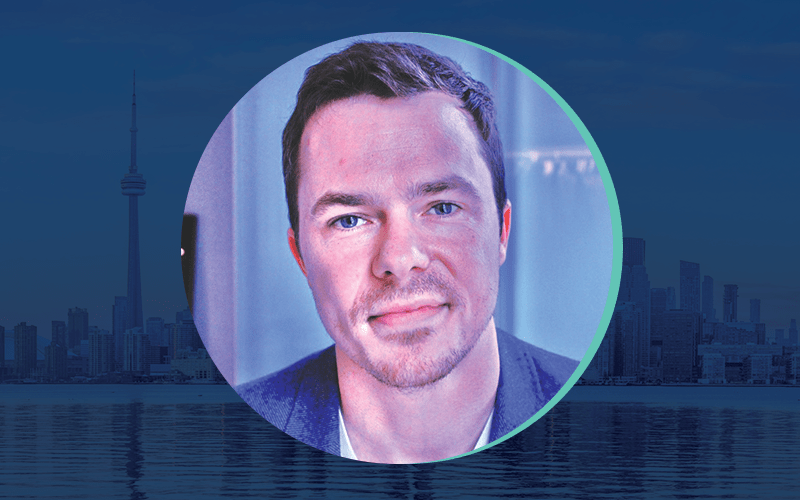
Episode
Over the past 3 years, Brad Pilgrim has led Parity Inc. to develop and deploy an AI-powered energy management...
Key takeaways
- Being a market disruptor means you'll face resistance from established players, so enter with both eyes open and be prepared for pushback when you're changing how an industry operates.
- Think long-term when building your business systems and processes, ensuring what you create today will scale and work effectively when your company reaches five or ten years down the road.
- Find meaning and purpose in your work beyond just making money, as having a mission that serves the greater good will sustain you through the challenging times of entrepreneurship.
- Actively seek out mentors and learn from others' experiences by asking "what do you know now that you wish you knew then" to avoid repeating mistakes and accelerate your growth.
- Understand the difference between lifestyle businesses and venture businesses early on, as they require fundamentally different approaches to funding, growth strategies, and long-term planning.
Transcript
Full transcript page · Interactive episode
============================================================
TRANSCRIPTION WITH SPEAKERS
============================================================

[00:00] SPEAKER_00: It's Toronto's podcast on the Canada's podcast network.
[00:04] SPEAKER_00: Hi everyone, I'm Phil Bliss, a business visionary and welcome to Toronto's Podcasts.
[00:10] SPEAKER_00: Part of the Canada's podcast network, your source of the great insights from entrepreneurs
[00:15] SPEAKER_00: across Canada.
[00:16] SPEAKER_00: Today we're going to meet up with Brad Pilgrim, the CEO and co-founder of Powering, an AI-based
[00:23] SPEAKER_00: energy management software company for log-building HFAC systems.
[00:28] SPEAKER_00: So Brad, hi, how are you?
[00:31] SPEAKER_00: I think, you know, before we go any further, why don't you just tell us a little bit about
[00:36] SPEAKER_00: yourself, you know, and what you do, you know, that kind of parted two to five-minute history
[00:44] SPEAKER_00: of who you are?
[00:45] SPEAKER_02: Yeah, well thanks for having me, I'll feel.
[00:48] SPEAKER_02: It's good to meet you.
[00:50] SPEAKER_02: Yeah, me.
[00:51] SPEAKER_02: It's not every day, every one of the asks me about my history.
[00:55] SPEAKER_02: So, you know, I guess I'll start where I started and that's, you know, I grew up a very
[01:02] SPEAKER_02: small town, southern Ontario.
[01:04] SPEAKER_02: It was actually, I just grew up the north of a town called Grant Valley.
[01:08] SPEAKER_02: So it's in the north-orred, sort of south-Columban, coming from a small town.
[01:14] SPEAKER_02: It was interesting, sort of, started to apply for school.
[01:18] SPEAKER_02: So I think on a track one time to be a carpenter for a very long time.
[01:23] SPEAKER_02: I got a summer job, building houses, and I liked it.
[01:27] SPEAKER_02: I was really good at it.
[01:28] SPEAKER_02: I was good with my hands, and I was fairly academic at math.
[01:32] SPEAKER_02: So picking up carpentery was, seemed like a natural fit, but I think when I decided
[01:37] SPEAKER_02: I wanted to go to school, I was actually encouraged by my boss at the time.
[01:42] SPEAKER_02: I didn't have any plans on my life for school.
[01:44] SPEAKER_02: My parents sort of said, you know, you were on a path for a trade career.
[01:49] SPEAKER_02: I sort of accepted that and enjoyed it.
[01:53] SPEAKER_02: But it was actually my first boss that came to me one day and said,
[01:58] SPEAKER_02: Brad, you've been with me for a year.
[02:00] SPEAKER_02: You're running a crew of five people that are substantially more experienced than you,
[02:08] SPEAKER_02: but you pick it up faster than everyone else in the community.
[02:11] SPEAKER_02: It came really well.
[02:13] SPEAKER_02: And he actually said to me, he said, I had a lot of the same skill sets,
[02:17] SPEAKER_02: but probably no one to send me in the direction.
[02:20] SPEAKER_02: And so he came to me one day and he said, I want you to go home.
[02:25] SPEAKER_02: And I'm going to give you $1500 in your next paycheck,
[02:29] SPEAKER_02: and I want you to go to school for all your schools for the fall semester.
[02:33] SPEAKER_02: And so I was sort of thinking back by that.
[02:36] SPEAKER_02: But you know, also...
[02:37] SPEAKER_00: Great boss.
[02:38] Speaker UNKNOWN:
[02:39] SPEAKER_02: Yeah.
[02:39] SPEAKER_02: So at the same time, it sort of said, well, you know, at the time,
[02:45] SPEAKER_02: thinking, if you think I should do it, then I'll go do it.
[02:48] SPEAKER_02: So when I was applying for school, I was sort of looking at,
[02:52] SPEAKER_02: you know, what were my areas of interest.
[02:55] SPEAKER_02: You know, I really, I grew up, you know, again,
[02:58] SPEAKER_02: I outdoors a lot of time outdoors, a lot of time on dirt bikes,
[03:05] SPEAKER_02: out doing outdoor things.
[03:07] SPEAKER_02: I was a bit of a adrenaline junkie.
[03:10] SPEAKER_02: So, you know, applying for school, I found the aviation course
[03:13] SPEAKER_02: and, you know, a component of that course was to get your private pilot's license.
[03:19] SPEAKER_02: And my mom said to me, you know, like, if this is interesting to you,
[03:22] SPEAKER_02: and I said, well, I want to fly fighter jets.
[03:24] SPEAKER_02: So I think this aviation course makes a lot of sense.
[03:27] SPEAKER_02: You know, it possibly transition to the Air Force and in the flying fighter jets.
[03:32] SPEAKER_02: I think by the time I got to school, and I realized that I started learning a lot more about,
[03:38] SPEAKER_02: you know, economics and politics and, you know, just sort of, you know,
[03:44] SPEAKER_02: I think how the world works, right?
[03:45] SPEAKER_02: When you end up going to school, you, it really just opens up your mind to,
[03:49] SPEAKER_02: you know, you know, a bit more about the world.
[03:51] SPEAKER_02: And so I think when I got to school, I started learning a lot about, you know,
[03:55] SPEAKER_02: armies and the Air Force and really what countries you use them for.
[03:59] SPEAKER_02: And, you know, my political abuse at least at the time,
[04:02] SPEAKER_02: I didn't really agree with that stance.
[04:05] SPEAKER_02: So, you know, I thought about going to the Air Force and said, you know,
[04:08] SPEAKER_02: walking at myself in for four years and, you know, having to sort of be dispatched
[04:12] SPEAKER_02: if we ever go to war, being under the control of someone, just a fly-off fighter jetting,
[04:17] SPEAKER_02: sort of said, I don't think it's my path.
[04:20] SPEAKER_02: So, I'm probably going to take a different one.
[04:22] SPEAKER_02: So, I got interested in getting my helicopter's license thinking, okay,
[04:26] SPEAKER_02: I'm going to go fly helicopters for the Coast Guard.
[04:29] SPEAKER_02: And then I realized I was an extreme amount of money that you need to just get your
[04:33] SPEAKER_02: traversal helicopter's license and, you know, at the time I was told, you know,
[04:38] SPEAKER_02: your grandfather's grandfather needs to be at helicopter pilot if you want it.
[04:42] SPEAKER_02: So, I just get a helicopter pilot's job in the Coast Guard.
[04:45] SPEAKER_02: So, I said, okay, well, I don't think I'm going to do that either.
[04:48] SPEAKER_02: In my school, I really excelled in economics human behavior.
[04:54] SPEAKER_02: And so, I, and some of my teachers, so again, I sort of had this guiding mentor,
[04:59] SPEAKER_02: my economics teacher.
[05:00] SPEAKER_02: And he said, you know, Brad, you really seem to grasp this stuff.
[05:05] SPEAKER_02: You're hardly ever in class.
[05:07] SPEAKER_02: You're maintaining a 93 average.
[05:10] SPEAKER_02: You know, you really seem to understand economics.
[05:12] SPEAKER_02: You understand trade.
[05:14] SPEAKER_02: They said, I think there's a future in this for you, either in company,
[05:19] SPEAKER_02: you know, building companies or in sales.
[05:22] SPEAKER_02: And I actually got the same sort of feedback from my human behavior's teacher and sociology teacher.
[05:28] SPEAKER_02: And they said, yeah, you really seem to understand people and just it's very intuitive and natural to you.
[05:33] SPEAKER_02: So, I started selling a lot more on the business side.
[05:35] SPEAKER_02: So, I guess fast forward, you know, my way to school, coming into school, I,
[05:41] SPEAKER_02: I got a job in an engineering firm doing airport design.
[05:45] SPEAKER_02: So, I was fairly good on AutoCAD.
[05:46] SPEAKER_02: I actually got a computer when I was really young in the only program that ran on it with AutoCAD.
[05:50] SPEAKER_02: So, my uncle taught me at an early age, how to use it.
[05:53] SPEAKER_02: And that actually ended up being a very useful tool in airport planning.
[05:58] SPEAKER_02: And at this engineering firm, that was the exact skills that they needed.
[06:01] SPEAKER_02: So, I went on to do that.
[06:03] SPEAKER_02: I didn't last long there.
[06:06] SPEAKER_02: I just figured it wasn't, I wasn't a behind the desk on my own type of person.
[06:12] SPEAKER_02: I needed to be interfacing.
[06:14] SPEAKER_02: I needed a growth, I needed speed.
[06:17] SPEAKER_02: So, I actually ended up quitting.
[06:19] SPEAKER_02: I went on a vacation with four of my buddies to Florida.
[06:23] SPEAKER_02: And I tripped down the Florida and I was visiting a friend who was in West Palm going to Northwood.
[06:29] SPEAKER_02: But it also attended Georgia with me.
[06:30] SPEAKER_02: But I went to Florida.
[06:32] SPEAKER_02: We actually were going to see friends and Naples.
[06:35] SPEAKER_02: And on the way there, we stopped at a mall.
[06:37] SPEAKER_02: And at this mall, there was a guy selling these energy bands.
[06:41] SPEAKER_02: And there was when the power balance and energy I'm the wrong coming out.
[06:45] SPEAKER_02: And we took a look at these and showed me the demo.
[06:48] SPEAKER_02: And I was like, wow, that's really unique in the health band.
[06:52] SPEAKER_02: It was a bit of a fad at the time, but it gave you more strength and flexibility.
[06:56] SPEAKER_02: So, I said, that's a really interesting.
[06:57] SPEAKER_02: So, we all bought one and took them in our whole time on the trip.
[07:01] SPEAKER_02: Everybody was like, you're so great, so interesting.
[07:04] SPEAKER_02: It's a demo really got us.
[07:07] SPEAKER_02: And so, I took the guys card and I said, listen, I think this is really interesting.
[07:10] SPEAKER_02: If you have anything in Canada, let me know.
[07:12] SPEAKER_02: And he said, we're just a startup.
[07:15] SPEAKER_02: I think we're thinking about coming to Canada.
[07:17] SPEAKER_02: We're not quite there yet.
[07:19] SPEAKER_02: So, when I get returned home from my trip, I contacted this company.
[07:23] SPEAKER_02: And I said, I think I'm really interested.
[07:25] SPEAKER_02: I think I can sell this product.
[07:28] SPEAKER_02: Let's figure out how we do this.
[07:30] SPEAKER_02: So, actually, I took a contract job on the side while I was doing the engineering course with a dock company.
[07:36] SPEAKER_02: And I was designing marine dock systems for this company.
[07:40] SPEAKER_02: And I went to him and I said, listen, this is a really interesting product.
[07:44] SPEAKER_02: I don't have any money.
[07:46] SPEAKER_02: But, I think there's a play here in Canada.
[07:49] SPEAKER_02: So, anyway, it's fast forward a bit.
[07:50] SPEAKER_02: It's a bit convincing that this might be the right move.
[07:53] SPEAKER_02: He was pretty convinced that I could sell it and probably build a small sales team and do it.
[07:59] SPEAKER_02: And so, we asked for the freelance distribution rights for this company for Ontario.
[08:04] SPEAKER_02: And we negotiated with them and they wanted $25,000.
[08:07] SPEAKER_02: So, again, the gentleman I was working for at the time said, you know, I think you can do this.
[08:13] SPEAKER_02: I'm pretty confident in you.
[08:15] SPEAKER_02: So, I'm going to give you the $25,000.
[08:17] SPEAKER_02: And to buy the rights and buy the product.
[08:20] SPEAKER_02: You know, to my amazing, I was shocked.
[08:23] SPEAKER_02: I'd never taken that type of money from anybody before.
[08:26] SPEAKER_02: I wasn't sure what to do with it.
[08:28] SPEAKER_02: All I was thinking about was risk.
[08:29] SPEAKER_02: How do I pay this back?
[08:31] SPEAKER_02: How am I going to get in debt?
[08:33] SPEAKER_02: How am I going to get it back to this guy?
[08:35] SPEAKER_02: So, anyways, we ended up buying distribution rights.
[08:38] SPEAKER_02: But, I sort of point a sales system.
[08:40] SPEAKER_02: We graphed to 10th.
[08:41] SPEAKER_02: And I sort of set out my first day was at a show in Barry.
[08:47] SPEAKER_02: It was very prominent days.
[08:48] SPEAKER_02: And we went and set up the 10 by 10 booth on the street.
[08:51] SPEAKER_02: And, you know, our little stand and stocked it with bands.
[08:54] SPEAKER_02: And, you know, 9 a.m. people started walking on the street and we were open for business.
[08:59] SPEAKER_02: Our first weekend, we sold $12,000 worth of product.
[09:03] SPEAKER_02: And it was absolutely just flower gas.
[09:07] SPEAKER_02: And I couldn't believe it.
[09:08] SPEAKER_02: I was like, how did we do this?
[09:09] SPEAKER_02: It was actually my first time selling something.
[09:12] SPEAKER_02: And then I think that's when I realized, like, I think I'm understanding the value scenario of instead of time for money, I was understanding value for money.
[09:23] SPEAKER_00: So, really, is that what made you decide to become an entrepreneur?
[09:27] SPEAKER_02: I think it was.
[09:28] SPEAKER_02: I really do.
[09:29] SPEAKER_02: It was definitely the stepping stone of really just really, because I think when you're younger and you realize, you know, you've got to get to focus in to get certain set of skills and experience.
[09:40] SPEAKER_02: And then based on time, you're going to be paid for that skill set.
[09:45] SPEAKER_02: And then over time, obviously, how much you get paid to that skill set is obviously it's reinforced by experience.
[09:53] SPEAKER_02: So, that was my understanding of sort of making money at the time.
[09:57] SPEAKER_02: But I think when we started doing band business, I really realized there's another way to make money.
[10:03] SPEAKER_02: There's another way to invest the time.
[10:07] SPEAKER_02: And your life into something that is different than just sort of showing up 95, being paid from time that you're there.
[10:13] SPEAKER_02: So, yeah, it was very eye opening.
[10:16] SPEAKER_02: And, you know, we went on to additional shows.
[10:20] SPEAKER_02: It was actually fairly short with the businesses in the event about a lot of months.
[10:24] SPEAKER_02: But we went on to do shows right across Canada from like the Calgary Stampede to, you know, Frankfurt, say, the Whistler.
[10:31] SPEAKER_02: The big music festivals that happened all over Canada.
[10:35] SPEAKER_02: And by the end of it over the nine months, we've done about 1.5 million in sales.
[10:40] SPEAKER_02: So, 1.5 million of these bands.
[10:42] SPEAKER_02: Obviously paid back my investor, gave him a return.
[10:46] SPEAKER_02: And then I was contacted by the Canadian entity to actually come on board and do corporate development.
[10:52] SPEAKER_02: So, start putting them into big box stores.
[10:55] SPEAKER_02: I learned a lot. That was a very first venture to learn a lot about it.
[10:59] SPEAKER_02: Been a little barriers to entry, market saturation, price sensitivity.
[11:04] SPEAKER_02: That was probably the biggest learning experience I had.
[11:08] SPEAKER_02: There's just coming in raw, no idea really how to build a business.
[11:11] SPEAKER_02: New has sell a product. New that monetize that fine product market fit.
[11:16] SPEAKER_02: But, you know, very shortly after we started, I'd say, you know, like nine months, 20 other band companies came in
[11:23] SPEAKER_02: because they saw the opportunity. There was nothing really differentiating anything.
[11:27] SPEAKER_02: So, there was no really strategic advantage in selling value proposition comparing them.
[11:31] SPEAKER_02: That obviously drove prices into the ground because of saturation.
[11:35] SPEAKER_00: So, you learned about being first to market.
[11:38] SPEAKER_02: Learned a lot about being first to market. That's right.
[11:42] SPEAKER_00: So, you know, you're obviously out of that to, I mean, talk about, let's talk about where you are today.
[11:50] SPEAKER_00: And how you got into that because you have, you know, I mean, kind of looked at, looked at your profile.
[11:56] SPEAKER_00: And you've got a very interesting business.
[12:00] SPEAKER_00: Maybe you should talk a little bit.
[12:01] SPEAKER_00: Just, you know, don't spend too long.
[12:03] SPEAKER_00: Just give people a flavor of, you know, that's how you kind of got to become an entrepreneur.
[12:09] SPEAKER_00: And now you're, you've found it another type of business where you ended up.
[12:14] SPEAKER_00: Tell us a little bit about that. It's kind of interesting.
[12:16] SPEAKER_02: Yeah, it's, you know, I have to say it's the parody right now.
[12:21] SPEAKER_02: It's the tip of the iceberg.
[12:23] SPEAKER_02: A lot of people don't know as an end part of my, you know, sort of the first business story.
[12:28] SPEAKER_02: It's like, that's a lot of the stuff that's underneath the iceberg.
[12:31] SPEAKER_02: There was a few subsequent businesses following the band business, which were good learning experiences.
[12:37] SPEAKER_02: But again, you know, you do as an entrepreneur fail and you have to accept that.
[12:43] SPEAKER_02: And you have to look at failures as learning experiences.
[12:47] SPEAKER_02: But to, you know, jump forward and get to parody.
[12:51] SPEAKER_02: I started parody with my co-founder in very late 2016 or early 2017.
[12:57] SPEAKER_02: And I had actually spent about five and a half years host the other businesses that I started when I was younger.
[13:04] SPEAKER_02: Working for two different energy startups.
[13:06] SPEAKER_02: So one was a portable solar company at the US.
[13:09] SPEAKER_02: I helped them get into Canada and distribute across Canada and land keep counts.
[13:15] SPEAKER_02: And the other one was a really important experience for me.
[13:19] SPEAKER_02: I got to work really closely with leading team members, the founding members, the CEO.
[13:26] SPEAKER_02: And that was at a rooftop residential solar company.
[13:29] SPEAKER_02: It was actually just focused on Ontario first.
[13:32] SPEAKER_02: But then we expanded into the US across 32 states.
[13:38] SPEAKER_02: And I was really interested in renewables.
[13:42] SPEAKER_02: I was really interested in this because all the way back to the engineering company was,
[13:47] SPEAKER_02: I needed a meeting in purpose to get up every day.
[13:50] SPEAKER_02: I really wanted to do something for the greater good.
[13:54] SPEAKER_02: I wanted to know why I was getting up, what I was best in my time in two.
[13:57] SPEAKER_02: I didn't want that to be, you know, in the not-I'm not-to-any, you know, founders that are really great technologies.
[14:02] SPEAKER_02: But I didn't want to help people make more money.
[14:06] SPEAKER_02: I didn't want to help people with travel.
[14:08] SPEAKER_02: I wanted to do something that came back.
[14:10] SPEAKER_02: And that's really where I found passion in the renewable industry and the energy conservation industry.
[14:16] SPEAKER_02: So when I left the renewable industry, I said, you know, I'm really interested in looking at the consumption side of things.
[14:22] SPEAKER_02: Digitization of energy usage.
[14:25] SPEAKER_02: And when I did land on eventually buildings and HVAC equipment,
[14:30] SPEAKER_02: it was really started by the fact that when I found out that buildings produced around 40% of CO2 emissions across North America,
[14:40] SPEAKER_02: and then no one was really concentrating on it, or solding it in a smart way,
[14:45] SPEAKER_02: I sort of had a bit of a light bulb moment to say, I think that's something I really am interested in.
[14:51] SPEAKER_02: This was also very much fed by the fact I was living in a condo at the time,
[14:55] SPEAKER_02: and we had a special assessment done.
[14:58] SPEAKER_02: And I noticed my coffee's were going up significantly,
[15:00] SPEAKER_02: and that's really what started the conversation around parity.
[15:04] SPEAKER_02: And it sort of launched point was just understanding like there was a cap in the market,
[15:08] SPEAKER_02: it was affecting consumers, obviously negatively,
[15:12] SPEAKER_02: and they really weren't able to do anything about it in a smart way.
[15:16] SPEAKER_02: And that's really, you know, how parity got started was understanding a problem
[15:20] SPEAKER_02: and building the right type of solution and being aware to solve that problem.
[15:25] SPEAKER_00: Let's just move on to why you became an entrepreneur for sure,
[15:29] SPEAKER_00: and in what you are today with parity, I think everyone can go look at it,
[15:35] SPEAKER_00: which just seems to be pretty successful venture.
[15:38] SPEAKER_00: Let's look at some of the challenges.
[15:40] SPEAKER_00: You know, what's the greatest challenge you've faced in your business today?
[15:44] SPEAKER_00: How did you overcome it? What did you, we all learn from challenges?
[15:48] SPEAKER_00: How did you overcome the challenge?
[15:51] SPEAKER_02: Yeah, it's a good question.
[15:53] SPEAKER_02: There's no lack of challenges, so I'm trying to prioritize which one would be the largest.
[16:00] SPEAKER_02: You know, we're seen as market disruptors,
[16:03] SPEAKER_02: we're disrupting an old market.
[16:08] SPEAKER_02: You know, property technology really hasn't advanced,
[16:11] SPEAKER_02: I'd say in the last 50 years,
[16:13] SPEAKER_02: there's been different types of services and players enter,
[16:16] SPEAKER_02: but I think on the whole, I'd say there's just been a lack of adoption for various reasons.
[16:22] SPEAKER_02: So understanding that you're going to be a disruptor and entering into a market,
[16:27] SPEAKER_02: and really understanding what that means, what being a disruptor means,
[16:31] SPEAKER_02: I think people think of the word disruptor and they think,
[16:34] SPEAKER_02: hey, it's the new kit on the block,
[16:37] SPEAKER_02: it's a creative technology that is going to really shine the light on how inefficient other pieces of maybe a market
[16:46] SPEAKER_02: are or a business are.
[16:48] SPEAKER_02: But with that also comes, you know, making friends and enemies,
[16:53] SPEAKER_02: and you know, changing the way that other businesses look at their business,
[16:57] SPEAKER_02: you know, putting different dollars in the different people's pockets.
[17:02] SPEAKER_02: So being a disruptor, it's not for the faint of heart.
[17:06] SPEAKER_02: You definitely have to go into it with both eyes open and realize that if you are changing the way
[17:14] SPEAKER_02: that an industry does something or looks at something,
[17:18] SPEAKER_02: and you are stealing pockets, or wallet share from another business,
[17:24] SPEAKER_02: that that can be definitely an uphill battle when you are the small fish in the big pond.
[17:31] SPEAKER_02: I'd say, you know, going into that as a young entrepreneur,
[17:36] SPEAKER_02: with the experience in the past of learning from other entrepreneurs,
[17:40] SPEAKER_02: but in a market that, you know, was, I'd say, probably a little bit more mature.
[17:46] SPEAKER_02: So even in the solar days, it was pretty disruptive,
[17:49] SPEAKER_02: but by the time I got into it, we were sort of crossing that chasm into the early majority.
[17:55] SPEAKER_02: So it was a bit more easily adopted, but yeah, I'd say that's definitely one of the biggest challenges,
[18:02] SPEAKER_02: was not understanding the impact that you would have on an industry,
[18:06] SPEAKER_02: even though you are small.
[18:08] SPEAKER_02: You know, I always go back to someone told me at one point,
[18:12] SPEAKER_02: they said, you know, you may be small, but you can definitely make noise.
[18:15] SPEAKER_02: And if you don't think you can make a difference, you know,
[18:17] SPEAKER_02: try to stick it with a mosquito.
[18:19] SPEAKER_02: And that, you know, always stuck with me, was that, yes, you are small,
[18:23] SPEAKER_02: but you can definitely get the attention of the larger players,
[18:27] SPEAKER_02: but be prepared for the outcomes of that.
[18:31] SPEAKER_00: So, you know, some of the things you've been talking about,
[18:34] SPEAKER_00: you obviously, you know, had some good mentors.
[18:38] SPEAKER_00: So what was the best piece of advice that you've ever received?
[18:42] SPEAKER_02: Yeah, it's a very interesting question.
[18:46] SPEAKER_02: I was definitely given a piece of advice when I was young,
[18:50] SPEAKER_02: and that I, for somebody, I think I just, I looked to it today
[18:54] SPEAKER_02: because it was what really drove me, even, you know, from a very, very young age,
[18:59] SPEAKER_02: was someone saying, if I knew then what I know now,
[19:04] SPEAKER_02: I don't know if that's a piece of advice or just an insight,
[19:07] SPEAKER_02: but I always latched on to that.
[19:09] SPEAKER_02: And I, you know, sort of a year and four, that knowledge of, you know,
[19:15] SPEAKER_02: tell me what you know now.
[19:16] SPEAKER_02: So that I can obviously be the beneficiary of that.
[19:21] SPEAKER_02: And, yeah, every time I sort of think about progressing in a business
[19:26] SPEAKER_02: where personally, I always go back to that and I try to understand,
[19:29] SPEAKER_02: you know, how do I learn from other people's either successes or mistakes?
[19:34] SPEAKER_02: And how do I gain that knowledge?
[19:37] SPEAKER_02: And, you know, it's an interesting scenario to, you know, realize that,
[19:43] SPEAKER_02: hey, I don't know everything, you know, you don't know what you don't know.
[19:47] SPEAKER_02: And that's a big point for me, and that was told to me by a barrier in that tour.
[19:51] SPEAKER_02: So like it's, you know, you can go to school and be outfitted with all this knowledge
[19:56] SPEAKER_02: and really understand, you know, sort of subject,
[19:59] SPEAKER_02: but to apply it to real life, you need experience to do that.
[20:04] SPEAKER_02: And that's where the real learning's sort of come from.
[20:07] SPEAKER_02: So you sort of have to fall within that category of uncomfortable,
[20:13] SPEAKER_02: uncomfortable in order to sort of succeed there.
[20:17] SPEAKER_02: So I feel like sort of went off there and I could have attended it.
[20:19] SPEAKER_00: So I mean, can this continue on it?
[20:22] SPEAKER_00: This is the lessons learned kind of thing.
[20:25] SPEAKER_00: What advice would you give an entrepreneur looking to start a business today's a strange day?
[20:32] SPEAKER_00: It's been a strange three months, but let's discount that knowledge that we've been going through.
[20:40] SPEAKER_02: Definitely. Yeah, it's a different time we live in today.
[20:44] SPEAKER_02: We probably shouldn't discount it totally.
[20:46] SPEAKER_02: I think it's a new age for entrepreneurs.
[20:48] SPEAKER_00: Yeah, I get with you.
[20:50] SPEAKER_02: Yeah. So, you know, I'd say with maybe with a grain of salt and to, you know,
[20:56] SPEAKER_02: sort of just address, I think the post post pandemic world of starting companies is going to be very different from the pre pandemic world.
[21:05] SPEAKER_02: I think there's any two ways about it.
[21:07] SPEAKER_02: I talked to lots of VCs, lots of entrepreneurs in various different markets in Europe, South Africa, Australia,
[21:16] SPEAKER_02: US Canada. You know, everybody is, is they're taking a different lens on it.
[21:21] SPEAKER_02: I think this is short term, but starting a business now is going to be a lot different than starting a business.
[21:26] SPEAKER_02: I'd say even a year ago.
[21:28] SPEAKER_02: And if I was to give people advice, I would definitely, you know, make sure that people are thinking long term.
[21:36] SPEAKER_02: That's one thing. It's very difficult to do.
[21:38] SPEAKER_02: I think when you're younger and a lot of people now, you know, they're definitely in touch with a new gig economy.
[21:45] SPEAKER_02: You know, there's a lot more people, you know, starting businesses today, whether it be, you know, a lifestyle business or a venture business.
[21:52] SPEAKER_02: And, you know, I don't think there's a right answer there.
[21:56] SPEAKER_02: I think lifestyle business is great.
[21:58] SPEAKER_02: In there's been a lot of people been really successful with lifestyle business.
[22:03] SPEAKER_02: Venture businesses is, are definitely, they're not for the faint of heart.
[22:06] SPEAKER_02: It's, I'd say it's the accelerated version of a lifestyle business.
[22:11] SPEAKER_02: And just to distinguish lifestyle businesses are great.
[22:14] SPEAKER_02: You know, they can be really profitable.
[22:16] SPEAKER_02: You can have a ton of fun doing them.
[22:18] SPEAKER_02: They can be super sustainable and even centurion type.
[22:22] SPEAKER_02: So, you know, like you can build a lifestyle business the last 100 years.
[22:25] SPEAKER_02: Venture businesses are, there's really, you know, there's a couple of key characteristics to them.
[22:31] SPEAKER_02: That is one, it's very unique.
[22:34] SPEAKER_02: You've identified a market that can be disrupted or adopt your product and you're scalable, right?
[22:41] SPEAKER_02: And when you look at each venture business and you talk to an venture capitalist, those are the really the big things they want to see is you've, you've got the right team behind you.
[22:48] SPEAKER_02: You've got the right technology product market fit.
[22:51] SPEAKER_02: And you can scale this thing like crazy.
[22:54] SPEAKER_02: And that sort of, you know, that goes hand in hand with, you know, venture capital, right?
[22:59] SPEAKER_02: Is the typical venture capital wants the six to 12 X 20 X returns as opposed to say like private equity where they're looking for more consistency.
[23:09] SPEAKER_02: Lifestyle business, you don't necessarily need investment.
[23:11] SPEAKER_02: You can grow it slowly.
[23:12] SPEAKER_02: But I'd say if you're, if you're starting out in a business, think long term.
[23:16] SPEAKER_02: That's probably something again when you're younger, you're not thinking 10 years.
[23:20] SPEAKER_02: You're not thinking 50 years.
[23:22] SPEAKER_02: But it's important.
[23:23] SPEAKER_02: I think if you want to lead the company or if you're a tech founder and you appoint a CEO, but if you're a founder, you feel that your vision admission is to be the company, you really need to take that role as a CEO and be looking 100 miles out, two years out, 10 years out.
[23:42] SPEAKER_02: And that obviously, you know, your priority switch day to day and months and months depending on how your business is doing.
[23:48] SPEAKER_02: But it's very important to think long term.
[23:51] SPEAKER_02: And I'd say, you know, a key key point would be understand when you're starting your business and the systems that you're building, what they're going to look like in five years, what they're going to look like in one year is it scalable?
[24:03] SPEAKER_02: Will it work at that stage of the company?
[24:05] SPEAKER_02: Do you need to break certain things down and build a backup?
[24:08] SPEAKER_02: But I find none of us entrepreneurs think, you know, the 10 year vision out and it's pretty key and it's big for me.
[24:14] SPEAKER_00: So let's move on to some sort of what item rapid-firing questions.
[24:19] SPEAKER_00: Just where you've just blurted out, you know, if you weren't doing what you're doing now, what would you be doing instead?
[24:27] SPEAKER_02: That is the loaded question, Phil.
[24:29] SPEAKER_02: What I'd be doing now, I mean, there's a lot of industries.
[24:35] SPEAKER_02: I have a ton of interest in.
[24:38] SPEAKER_02: I'm definitely interested in the AI industry.
[24:40] SPEAKER_02: I think it's at its absolute infancy.
[24:43] SPEAKER_02: I think things have really just started to take shape.
[24:46] SPEAKER_00: We haven't managed to serve as yet, really.
[24:48] SPEAKER_02: No, not even close.
[24:51] SPEAKER_02: I think there's, yeah, there's still mountains to climb and universities to discover.
[24:56] SPEAKER_02: And that excites me a lot is that there's a technology out there that we have just no clue but we understand the potential of it.
[25:06] SPEAKER_02: That gets me up in the morning.
[25:08] SPEAKER_02: It really does.
[25:10] SPEAKER_00: So I don't really read or whatever book you're currently reading or listening to or would recommend to the audience.
[25:18] SPEAKER_02: Yeah, I do read either read, do the audiobooks.
[25:22] SPEAKER_02: The last couple books I've read have actually been recommended.
[25:27] SPEAKER_02: I do find it good.
[25:28] SPEAKER_02: One was Ray Dalio's principles.
[25:31] SPEAKER_02: Really solid book on investment principles.
[25:33] SPEAKER_02: Ray Dalio was a very successful law street trader.
[25:38] SPEAKER_02: Many, many years, you know, really started out with the spreadsheets and the, you know, probably not as far back as an abacus.
[25:45] SPEAKER_02: But, you know, he's definitely one of the first.
[25:50] SPEAKER_02: So his book, very sound principles, investment principles.
[25:57] SPEAKER_02: It's sort of getting back to some of the basics.
[26:00] SPEAKER_02: And, you know, stuff that you may already know, but it's great to have it reinforced and listen to it explain.
[26:06] SPEAKER_02: And, you know, why people think that way.
[26:08] SPEAKER_02: Another one is, you know, if you haven't read it, it's great read.
[26:13] SPEAKER_02: I think it's gone through about 50 different versions.
[26:15] SPEAKER_02: It's Jeffrey Moore's Cross of the Castle.
[26:18] SPEAKER_02: Absolutely fantastic.
[26:20] SPEAKER_02: Yeah, it's got to be a staple for every entrepreneur.
[26:22] SPEAKER_02: There's an Adam Grant book called The Originals.
[26:26] SPEAKER_02: It explains original thinking.
[26:28] SPEAKER_02: So how to be an outside box thinker or an original thinker.
[26:32] Speaker UNKNOWN: It's fantastic.
[26:34] SPEAKER_00: I love this question.
[26:35] SPEAKER_00: Are you a morning or a night person?
[26:40] SPEAKER_02: I can't say I'm both, but I'm a night person.
[26:44] SPEAKER_00: Most of the people I interview are morning people.
[26:46] SPEAKER_00: It's interesting.
[26:48] SPEAKER_00: And speaking about nighttime, what's keeping you up at night these days?
[26:54] SPEAKER_02: The construction inside my condo.
[26:58] SPEAKER_02: No, that's actually what wakes me up in the morning.
[27:01] SPEAKER_02: No, I'm a, I definitely, I operate pretty late into the night.
[27:06] SPEAKER_02: You know, if you asked a lot of people that work at the beginning of emails at 9, 10 o'clock at night,
[27:13] SPEAKER_02: it's not irregular.
[27:15] SPEAKER_02: But I'm usually, you know, they're reading something, getting ready for tomorrow, working some, you know, strategic initiative.
[27:26] SPEAKER_02: Even if it's on my own from my own notes, but probably till midnight.
[27:30] SPEAKER_02: But what keeps me up at night is probably, I think, like any of every entrepreneur you start a business,
[27:37] SPEAKER_02: you feel that your product is totally making sense.
[27:40] SPEAKER_02: It's got the best product market fit.
[27:43] SPEAKER_02: You know, you don't know why it's not being, why doesn't every single person in sort of your market or the world buy it.
[27:50] SPEAKER_02: And I think it's, how do you progress?
[27:53] SPEAKER_02: How do you grow faster?
[27:55] SPEAKER_02: How do you tweak your process or outline or market your product so that more and more people understand it?
[28:04] SPEAKER_02: I'm constantly thinking about growth and how people are understanding the product that we're selling and, you know, outlining again that sort of here,
[28:14] SPEAKER_02: or killing an effort reason of why we need to do it.
[28:17] SPEAKER_02: And you know, it's a lot of it focuses around climate change.
[28:21] SPEAKER_00: So apart from your condo, which were all stuck in the same place at the moment, what's your most favorite place in the world?
[28:28] SPEAKER_02: Possibly the driver's seat if my car, which may sound strange.
[28:35] SPEAKER_00: Interesting.
[28:36] SPEAKER_00: So I've had that wonderful.
[28:38] SPEAKER_00: And I don't know that you listen to the end of any of the other podcasts that we've done, but we usually finish off with this tropical island question,
[28:47] SPEAKER_00: which is kind of fun, especially in COVID times, because you can't get to one, but imagine you are on a small tropical island in the middle of the ocean.
[28:57] SPEAKER_00: There's only one phone booth and there's absolutely no internet.
[29:02] SPEAKER_00: We drop you off there with no technology, so you got nothing.
[29:07] SPEAKER_00: But at any time you can use the phone booths, the callers and the boat will come pick you up.
[29:13] SPEAKER_00: How long do you last before you make the call? And what do you do?
[29:18] SPEAKER_02: So I'm surviving on the silence.
[29:20] SPEAKER_00: Yeah.
[29:21] SPEAKER_02: Well, I'd say it depends on what the goal is.
[29:24] SPEAKER_02: If the goal is to survive there as long as possible, or it's to survive a certain amount of time.
[29:29] SPEAKER_00: You can leave right away.
[29:31] SPEAKER_00: Yeah.
[29:33] SPEAKER_02: I'm thinking about that.
[29:34] SPEAKER_02: I can imagine the answers you'd have to this question.
[29:37] SPEAKER_02: You know, I really enjoy the beach.
[29:40] SPEAKER_02: So I'd say, I definitely, I'm going to stay for a while.
[29:44] SPEAKER_00: Enjoy the quiet. Enjoy the quiet.
[29:46] SPEAKER_02: That's it.
[29:47] SPEAKER_02: Yeah.
[29:47] SPEAKER_00: Hey, Brad, it's really been good seeing you.
[29:49] SPEAKER_00: It's some really interesting stuff there.
[29:51] SPEAKER_00: That was very interesting.
[29:54] SPEAKER_00: Viewers and listeners, like sometimes like to get a hold of our interviews.
[29:58] SPEAKER_00: How can they get a hold of you, see me?
[30:00] SPEAKER_02: While I'm on LinkedIn, Brad Pogrum.
[30:03] SPEAKER_02: Yeah, that's probably the best way.
[30:04] SPEAKER_02: I'm probably the most active on that.
[30:05] SPEAKER_02: I don't know what's better to tell time on social networks.
[30:08] SPEAKER_00: Well, Brad, thank you for coming on Back Canvas Podcast.
[30:10] SPEAKER_00: It's been great meeting you and good luck and better times.
[30:15] SPEAKER_00: Thanks, Bill. Thanks, Brad.
[30:17] SPEAKER_00: Thanks everyone for taking the time today to listen to Toronto's podcast on the Canada's podcast network.
[30:23] SPEAKER_00: I hope you enjoyed the podcast today.
[30:26] SPEAKER_00: Make sure you sign up for a news status or write a review for us on iTunes.
[30:31] SPEAKER_00: You can connect with us on Twitter, Facebook, Instagram, LinkedIn or at canterspodcast.com
[30:36] SPEAKER_00: where you can listen, discover and engage.
[30:40] SPEAKER_00: You can also check out what other entrepreneurs are doing across the country.
[30:44] SPEAKER_00: I'll see you next time.