
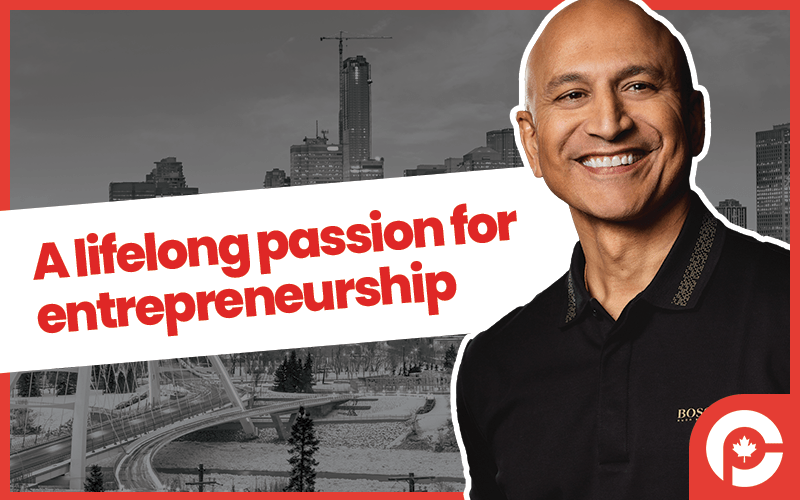
A lifelong passion for entrepreneurship
Episode
Chris Micetich is a serial entrepreneur and investor who is a Founder of seven companies across three industries. Experienced...
Key takeaways
- Find a mentor who has actually founded and run a business, not just someone with theoretical knowledge, because they understand the real challenges you'll face and can help you avoid critical mistakes.
- Recognize what you're not good at and surround yourself with people who excel in those areas so you can focus on your strengths and transition from working in your business to working on your business.
- Think about your exit strategy from the beginning rather than just trying to make money, because knowing where you want to end up will fundamentally change the decisions you make along the way.
- Maintain work-life balance by staying physically healthy, cultivating friendships outside of business, and spending quality time with family, as personal happiness directly impacts your ability to succeed professionally.
- Be prepared to fail forward quickly rather than prolonging unviable ventures, because not every business idea deserves to survive and learning when to pivot is crucial for long-term entrepreneurial success.
Transcript
Full transcript page · Interactive episode
============================================================
TRANSCRIPTION WITH SPEAKERS
============================================================

[00:00] SPEAKER_01: Welcome to Canada's Podcast.
[00:05] SPEAKER_01: Hello, I'm Mario Tonigus,
[00:07] SPEAKER_01: a managing editor of Canada's Podcast.
[00:10] SPEAKER_01: My guest today on Edmonton's Podcast is Crick Chris Misatish,
[00:15] SPEAKER_01: who is General Partner of Brass Fund I in Edmonton.
[00:20] SPEAKER_01: Thanks for joining us today, Chris.
[00:23] SPEAKER_03: Thank you very much for having me.
[00:25] SPEAKER_01: All right, so you're involved in a lot of stuff
[00:29] SPEAKER_01: and I know in your profile, there's a quotation there
[00:36] SPEAKER_01: of being a serial entrepreneur.
[00:39] SPEAKER_01: Tell me just what you're involved in right now in the businesses.
[00:43] SPEAKER_03: I have several things I'm involved with.
[00:46] SPEAKER_03: Mainly, I continue to operate for Dorifar M. Suticos.
[00:49] SPEAKER_03: It's a drug discovery company involved in anti-infective research.
[00:54] SPEAKER_03: I also operate as the founder, president, CEO of Brass Don Ventures.
[00:58] SPEAKER_03: That originally started as an investment company,
[01:01] SPEAKER_03: but evolved into business management and consulting company.
[01:04] SPEAKER_03: We also run a pre-accelerator here in Alberta,
[01:07] SPEAKER_03: helping post-secondary academics commercialize their ideas.
[01:11] SPEAKER_03: That's called Innovation Masterminds.
[01:12] SPEAKER_03: Recently, rebranded the Innovation Masterminds, they'll bird up.
[01:16] SPEAKER_03: So several different things I'm involved with.
[01:19] SPEAKER_03: Tell me a little bit about your background, Chris.
[01:21] SPEAKER_01: Where are you from?
[01:23] SPEAKER_03: I was born here in Canada.
[01:25] SPEAKER_03: My great-great-grandfather was a Slavic sailor,
[01:28] SPEAKER_03: shipwrecked off the coast of India.
[01:30] SPEAKER_03: He settled in India and grew up in an Anglo-Indian colony.
[01:34] SPEAKER_03: That's where my grandfather and my father were born.
[01:38] SPEAKER_03: But I was born in here in Eppenton, Alberta in Canada.
[01:42] SPEAKER_01: When you went to, let me give you a little bit about your education
[01:48] SPEAKER_01: where you want what you took.
[01:50] SPEAKER_03: My original background, not sure what I wanted to do coming out of high school.
[01:55] SPEAKER_03: My father was a world-renowned medicinal chemist.
[01:58] SPEAKER_03: I thought, well, why don't I try going to science route?
[02:00] SPEAKER_03: I entered at the University of Alberta into science, majoring in chemistry.
[02:05] SPEAKER_03: I really didn't like it.
[02:06] SPEAKER_03: I wasn't good at it.
[02:08] SPEAKER_03: Ironically, I've been managing a chemistry-based company
[02:10] SPEAKER_03: and I've offered 37 years.
[02:12] SPEAKER_03: I didn't really enjoy science as far as chemistry went.
[02:17] SPEAKER_03: I migrated over to faculty of education.
[02:21] SPEAKER_03: I have an education degree.
[02:22] SPEAKER_03: I taught one year that in 1987,
[02:25] SPEAKER_03: I helped my father start a company.
[02:27] SPEAKER_03: He was building a joint venture company with a Japanese company.
[02:31] SPEAKER_03: I came in and helped him involve with all the administrative aspects of the company.
[02:36] SPEAKER_03: At that time, I went back and, while I was working,
[02:39] SPEAKER_03: took business at the University of Alberta.
[02:41] SPEAKER_03: A fairly diverse background that started with science into education and into business.
[02:46] SPEAKER_01: In terms of what you're doing now, what do you like about that?
[02:52] SPEAKER_01: What do you like about the industry that you're in?
[02:56] SPEAKER_03: I think when I first went to school involved with education.
[03:00] SPEAKER_03: I liked helping kids turn on light bulbs and share experience.
[03:06] SPEAKER_03: I really enjoyed coaching in my younger days.
[03:09] SPEAKER_03: I've now become more mature in the business world.
[03:14] SPEAKER_03: I really enjoy giving back and mentoring.
[03:17] SPEAKER_03: As far as the many things I'm involved with,
[03:20] SPEAKER_03: one of the big things I enjoy through Brasco Ventures and Innovation Masterminds
[03:24] SPEAKER_03: is really helping up and coming on entrepreneurs achieve their dreams and share my experience
[03:30] SPEAKER_03: and help them avoid some of the pitfalls and roadblocks that I faced in my career.
[03:34] SPEAKER_03: That mentoring and that helping is something that really I enjoy doing.
[03:41] SPEAKER_03: What do you think that comes from?
[03:43] SPEAKER_03: I think it comes from coaching when I was coaching young children
[03:48] SPEAKER_03: and especially in a team game where they learn what they're really good at
[03:53] SPEAKER_03: and then have them understand how that impacts interacting with other people on a team,
[03:57] SPEAKER_03: like building that team concept so much of that relates to business and running a business.
[04:02] SPEAKER_03: When you have different staff members with different personalities
[04:05] SPEAKER_03: who all have different strengths,
[04:07] SPEAKER_03: having them recognize what their strength is and figure out how they can work with others.
[04:11] SPEAKER_03: So the company can be successful.
[04:14] SPEAKER_03: It's something that intrigues me and I'm really,
[04:18] SPEAKER_03: I love working in that kind of space.
[04:21] SPEAKER_00: Join our thriving community of like-minded individuals who share a passion for success and innovation.
[04:27] SPEAKER_00: Canada's podcast.com subscribe now.
[04:31] SPEAKER_01: When you embarked on your own entrepreneurial journey,
[04:37] SPEAKER_01: where did you find support?
[04:39] SPEAKER_03: When I started in the business with my father in back in 1987,
[04:45] SPEAKER_03: is when he founded the company, not to date myself,
[04:48] SPEAKER_03: but in 1987 we started and I was a young, up-and-coming,
[04:52] SPEAKER_03: alpha entrepreneur, really aggressive and trying to get help from the city,
[04:57] SPEAKER_03: the government, the province.
[04:59] SPEAKER_03: At that time, there was no support, especially for a pharmaceutical company.
[05:03] SPEAKER_03: I was often told, Sory Chris, we're an oil and gas province.
[05:06] SPEAKER_03: Sory Chris, we're an oil and gas.
[05:08] SPEAKER_03: So it forced us to run the business on our own to not count on city or government support.
[05:13] SPEAKER_03: And it helped me be a better entrepreneur.
[05:17] SPEAKER_03: And then as things evolved through time,
[05:21] SPEAKER_03: Edmonton or sorry, Alberta ran into problems with the energy sector.
[05:25] SPEAKER_03: When the energy sector was strong, there was lots of funding.
[05:29] SPEAKER_03: And the universities were really focused on publishing or perishing.
[05:33] SPEAKER_03: There was no interest in commercializing.
[05:36] SPEAKER_03: It was a different environment.
[05:38] SPEAKER_03: And then when the energy sector crashed here,
[05:40] SPEAKER_03: or there was a concern about that,
[05:42] SPEAKER_03: the province had to find a new identity and shift to innovation.
[05:46] SPEAKER_03: And when that shift occurred, they started looking at how they can build innovation in the province.
[05:53] SPEAKER_03: And that's when I became involved with city boards on my soapbox saying,
[05:58] SPEAKER_03: look, we're not inventing innovation,
[05:59] SPEAKER_03: but we have to recognize the innovation that's been under our nose.
[06:02] SPEAKER_03: So then how do you tap into existing businesses that have been successful outside the energy sector?
[06:10] SPEAKER_03: And so then you started to see more support happen.
[06:13] SPEAKER_03: So now when we're helping startups,
[06:15] SPEAKER_03: there is so much support for startups now that never existed years ago.
[06:19] SPEAKER_03: So I say even over the last five years,
[06:22] SPEAKER_03: the shift towards helping startups and understand innovation better,
[06:26] SPEAKER_03: that never happened early in the early days.
[06:28] SPEAKER_03: So when I started to answer your questions,
[06:31] SPEAKER_03: when I started, there wasn't much support for entrepreneurs other than those in the industry.
[06:36] SPEAKER_03: Those in the business that I would meet through my father,
[06:39] SPEAKER_03: senior people that were more soul friends,
[06:41] SPEAKER_03: I really tapped into them as being mentors and asking them a lot of questions about
[06:46] SPEAKER_03: some of the things I was trying to do,
[06:48] SPEAKER_03: what I was trying to accomplish.
[06:50] SPEAKER_03: But I looked at season entrepreneurs in our industry to provide support.
[06:54] SPEAKER_03: We didn't have support from anywhere else.
[06:57] SPEAKER_01: You know, when you look at the province today,
[07:00] SPEAKER_01: you know, for an aspiring, say entrepreneur,
[07:05] SPEAKER_01: what are the business conditions in the province for someone who wants to start up a business right now?
[07:12] SPEAKER_03: I think right now there is an incredible amount of support for entrepreneurs that want to start up a business.
[07:18] SPEAKER_03: I think in my personal opinion,
[07:20] SPEAKER_03: I think there's too much support.
[07:21] SPEAKER_03: I think we've almost created a cesspool of startups that are not viable, not investable.
[07:28] SPEAKER_03: But with the support,
[07:30] SPEAKER_03: through non-diolated, pollutive funding, through accelerators and so on,
[07:35] SPEAKER_03: ventures that should most likely fail sooner and fail forward.
[07:41] SPEAKER_03: Because when something's not viable,
[07:43] SPEAKER_03: you want to shift your attention to something that will become more viable.
[07:46] SPEAKER_03: So I think we've got a lot of support, too much support,
[07:50] SPEAKER_03: thrown at the early startup stage.
[07:52] SPEAKER_03: And then when the cream starts rising to the top through that cesspool,
[07:56] SPEAKER_03: and that cesspool is not a good word,
[07:58] SPEAKER_03: but you're in cesspool when you start having some ventures that are generating revenue,
[08:03] SPEAKER_03: employing people,
[08:04] SPEAKER_03: there's no support for them at the scaling stage.
[08:07] SPEAKER_03: And so those ventures tend to leave.
[08:10] SPEAKER_03: They leave the province or they leave your city, move somewhere else.
[08:12] SPEAKER_03: So with so much support at the startup,
[08:15] SPEAKER_03: we're missing the key areas, the cream that comes through the top.
[08:20] SPEAKER_03: So I think right now,
[08:21] SPEAKER_03: to start a business is, I'd say fairly simple,
[08:25] SPEAKER_03: because the amount of support there is at the early stage,
[08:28] SPEAKER_03: but where should the real attention and support be provided
[08:32] SPEAKER_03: to have the biggest economic impact in the province?
[08:35] SPEAKER_03: And I think that's more at the scale stage.
[08:37] SPEAKER_03: That those should fail sooner, fail forward.
[08:40] SPEAKER_03: And I'm coming from the School of Hard Docs,
[08:42] SPEAKER_03: where I didn't have the support.
[08:44] SPEAKER_03: And we turned out okay, we turned out better for it, actually.
[08:48] SPEAKER_01: What, you know, when you look back on your entrepreneurial journey,
[08:53] SPEAKER_01: what was the biggest challenge for you?
[08:57] SPEAKER_03: Well, when I first started into business,
[08:59] SPEAKER_03: I started, as I said, in 1987,
[09:02] SPEAKER_03: where you joined venture with a Japanese company.
[09:04] SPEAKER_03: My father was a visionary, world-renowned, medicinal chemist.
[09:08] SPEAKER_03: And not so much on the business side, but on the science side.
[09:12] SPEAKER_03: It's a fantastic vision, but how to deliver,
[09:14] SPEAKER_03: how to make a dollar out of it was not his strength.
[09:18] SPEAKER_03: That was more my strength I brought to the table.
[09:21] SPEAKER_03: And I think, sorry, I lost my track, my, my,
[09:27] SPEAKER_03: the biggest challenges.
[09:29] SPEAKER_03: Well, yeah, the biggest challenge for me was when I came in to the business,
[09:33] SPEAKER_03: we were a joint venture with a Japanese company.
[09:36] SPEAKER_03: And at that time, the Japanese didn't have much respect for foreigners,
[09:40] SPEAKER_03: and they didn't have much respect for you.
[09:42] SPEAKER_03: And when I was trying to negotiate for budget,
[09:45] SPEAKER_03: and it was a really hard grind for me as an up-and-comer,
[09:50] SPEAKER_03: as a future entrepreneur, to earn my stripes, to earn my respect.
[09:56] SPEAKER_03: So it was, it was a top goal for me in my early years as a minority shareholder
[10:01] SPEAKER_03: with the Japanese company.
[10:03] SPEAKER_03: And I think the other thing was, is that there was not support for companies in our industry.
[10:08] SPEAKER_03: And when we looked back at time, we had a lot of rock star pharmaceutical biotech companies
[10:12] SPEAKER_03: that came from the province, but as far as the province in the city go,
[10:16] SPEAKER_03: there was really no support for them with a strong energy sector environment in the province.
[10:21] SPEAKER_03: So we really had to find our way, make lots of mistakes, learn from them.
[10:26] SPEAKER_03: And you know, when I look back, I'm grateful for, for, for the path that I was on.
[10:31] SPEAKER_03: And I do believe that it did make me a better entrepreneur.
[10:35] SPEAKER_01: What's your advice for aspiring entrepreneurs?
[10:39] SPEAKER_03: My advice is always to find somebody who's been there and done that,
[10:45] SPEAKER_03: and suck as much information as you can from them.
[10:49] SPEAKER_03: You know, when you're looking at mentorship programs,
[10:51] SPEAKER_03: and there's a lot of mentorship programs in the, in the province,
[10:55] SPEAKER_03: there's a lot of programs that are being run, or being,
[10:58] SPEAKER_03: are mentors that are providing mentorship that have never founded their own business,
[11:03] SPEAKER_03: have never taken the risk, wondered how to make payroll to Lensso,
[11:07] SPEAKER_03: come out on the other side and gone through that.
[11:10] SPEAKER_03: But here they are mentoring up and coming entrepreneurs that are just starting that journey.
[11:15] SPEAKER_03: And then, and I always, I use the analogy if you want to learn how to fly an airplane,
[11:19] SPEAKER_03: would you ask a flight attendant to teach you?
[11:22] SPEAKER_03: Of course you would at, and if the flight attendant had 30 years of experience,
[11:25] SPEAKER_03: would you be more comfortable?
[11:27] SPEAKER_03: You know, for, and of course you would,
[11:29] SPEAKER_03: you'd probably be more comfortable with an experienced flight attendant,
[11:32] SPEAKER_03: but still to learn how to fly an airplane,
[11:33] SPEAKER_03: I would want to talk to a pilot.
[11:36] SPEAKER_03: And if I found a pilot that crashed a few times and survived,
[11:39] SPEAKER_03: he's probably the first pilot I would want to talk to you before I become a pilot.
[11:42] SPEAKER_03: It's the same thing with it's startup entrepreneur.
[11:45] SPEAKER_03: If you're a startup entrepreneur, find somebody that you respect
[11:48] SPEAKER_03: that has been a successful entrepreneur,
[11:51] SPEAKER_03: and ask for their mentorship, ask questions,
[11:54] SPEAKER_03: and learn from them, because they've been there,
[11:57] SPEAKER_03: done at the, know what you're going to, going to go through,
[11:59] SPEAKER_03: and there is credibility with that mentorship.
[12:02] SPEAKER_00: Stay ahead of the game with our expert tips and strategies
[12:04] SPEAKER_00: that will help your business thrive in a digital era.
[12:08] SPEAKER_00: Canada's podcast.com subscribe now.
[12:11] SPEAKER_01: Now does it take a special, I don't know, a person or a special personality
[12:16] SPEAKER_01: to be a successful entrepreneur?
[12:20] SPEAKER_03: Oh, I absolutely.
[12:21] SPEAKER_03: I think I've been asked the question before,
[12:23] SPEAKER_03: if entrepreneurs are born or are they made,
[12:26] SPEAKER_03: I believe in large part, you have to be within you.
[12:30] SPEAKER_03: You have to be born with it, but to know whether you're an entrepreneur,
[12:33] SPEAKER_03: you have to be given such things as opportunity and challenge and hardship,
[12:39] SPEAKER_03: and that pulls out the real entrepreneurs.
[12:42] SPEAKER_03: But I think that it's not something that you can teach somebody.
[12:46] SPEAKER_03: I think it's an inherent drive that you have.
[12:50] SPEAKER_03: The successful entrepreneurs have to have an undying perseverance.
[12:55] SPEAKER_03: There has to be a no-quit.
[12:57] SPEAKER_03: There has to be a no fear.
[13:00] SPEAKER_03: I guess everybody has some fear, but less fear of failing.
[13:05] SPEAKER_03: But there's a lot of those kind of traits that entrepreneurs must have to be successful.
[13:12] SPEAKER_01: You know, when you look at being an entrepreneur,
[13:16] SPEAKER_01: you really got two jobs, right?
[13:19] SPEAKER_01: You've got the job of what you're doing, like in your business.
[13:24] SPEAKER_01: But then the other job is, you know, to grow your business,
[13:29] SPEAKER_01: the business side of it, right?
[13:31] SPEAKER_01: How do you juggle those two?
[13:34] SPEAKER_03: It's always a challenge for an entrepreneur.
[13:37] SPEAKER_03: Are you working in your business or are you working on your business?
[13:41] SPEAKER_03: And all good entrepreneurs, especially if they founded a company,
[13:44] SPEAKER_03: they are fully in their business.
[13:46] SPEAKER_03: And there has to come a time where there's a transition to working on your business.
[13:51] SPEAKER_03: And in order to do so, you have to surround yourself with people that are better at certain things than you are
[13:58] SPEAKER_03: and empower them to do those things.
[14:01] SPEAKER_03: So you can step out of the day-to-day routine.
[14:04] SPEAKER_03: And unless you can step out and look at your business from above,
[14:08] SPEAKER_03: you won't be successful.
[14:10] SPEAKER_03: And when we're mentoring entrepreneurs, we always stay.
[14:14] SPEAKER_03: We ask a lot of questions, but one of the biggest is,
[14:17] SPEAKER_03: let's talk about your exit.
[14:20] SPEAKER_03: Because most entrepreneurs don't think about an exit.
[14:22] SPEAKER_03: They just make a dollar so they start building business and then they're making more money.
[14:25] SPEAKER_03: But you never really think about, what do I want to be when I grow up?
[14:29] SPEAKER_03: And how do I exit this?
[14:30] SPEAKER_03: And that's the difference when you start working on your business.
[14:32] SPEAKER_03: You start thinking about, let's figure out the exit.
[14:35] SPEAKER_03: For example, am I building this to have some big company acquire me?
[14:40] SPEAKER_03: And if I am, my decisions to get there become a lot different than I'm working in the business just trying to make a dollar.
[14:47] SPEAKER_03: And so if you want to build it to acquire, why not talk to the suitor right now and say,
[14:54] SPEAKER_03: hey, this is who I am, this is what I'm building, is this a business you'd be interested in?
[14:58] SPEAKER_03: Because I want you to buy my business.
[15:00] SPEAKER_03: And they gave you the feedback saying, yes, this is great, but in order for us to buy you,
[15:05] SPEAKER_03: we would need to see this and this and this.
[15:07] SPEAKER_03: But now you've got a clear path forward on what you need to do to achieve success.
[15:11] SPEAKER_03: And I think when entrepreneurs first start, unless you have the experience,
[15:15] SPEAKER_03: you don't think of that because you're just trying to make a dollar,
[15:18] SPEAKER_03: you're just trying to make money.
[15:19] SPEAKER_03: And you're not thinking downstream and working backwards.
[15:23] SPEAKER_01: You know, the other thing too is that you're so busy, you know,
[15:27] SPEAKER_01: I was an entrepreneur in your business, right?
[15:30] SPEAKER_01: And how important, you know, and all the entrepreneurs you've seen and the ones you talk to and mentor,
[15:38] SPEAKER_01: how important is the fact that they really need to develop some sort of work like balance,
[15:46] SPEAKER_01: that they can't just be 24 or seven on the business.
[15:53] SPEAKER_03: It's critical and we talk a lot about work like balance.
[15:56] SPEAKER_03: And the happier your family is, the easier it is to be productive and successful at your business.
[16:05] SPEAKER_03: If you're trying to balance an unhappy spouse and unhappy family,
[16:08] SPEAKER_03: you're not involved with your kids' activities, it's very difficult to be successful in the business.
[16:14] SPEAKER_03: And so it is a critical thing.
[16:18] SPEAKER_03: And again, we see it often.
[16:19] SPEAKER_03: And when an entrepreneur comes, especially when we're helping close secondaries,
[16:23] SPEAKER_03: they're coming strong, technical people, but very poor with a lot of other areas like the business side,
[16:29] SPEAKER_03: you really, you really have to figure out, what do I want to do?
[16:33] SPEAKER_03: What do I enjoy doing in my business?
[16:35] SPEAKER_03: I don't want to do things I don't enjoy doing.
[16:38] SPEAKER_03: And also, what am I good at?
[16:40] SPEAKER_03: What am I good at in my business?
[16:42] SPEAKER_03: And if you have that self-awareness, you start surrounding yourself with people
[16:46] SPEAKER_03: who can do the things you don't want to do, and that starts to enable you to free up time,
[16:51] SPEAKER_03: to focus on family, focus on other things.
[16:54] SPEAKER_03: Unfortunately, most entrepreneurs think they have to do it all.
[16:58] SPEAKER_03: And they don't have the money to hire somebody, or they don't have to trust the hire somebody.
[17:01] SPEAKER_03: So they get trapped in that way too busy doing everything,
[17:06] SPEAKER_03: and nothing else in the world gets their attention.
[17:10] SPEAKER_03: They're not going to be successful in the long run trying to balance it.
[17:13] SPEAKER_01: All right.
[17:14] SPEAKER_01: So what about yourself personally?
[17:17] SPEAKER_01: What do you do to maintain that work like balance?
[17:22] SPEAKER_03: That's a good question.
[17:26] SPEAKER_03: And I don't want to be a hypocrite when I'm answering,
[17:28] SPEAKER_03: because I do fall into the pitfall of being too busy or not being present.
[17:33] SPEAKER_03: But if I've been successful at anything, it has been recognizing what I'm not good at.
[17:39] SPEAKER_03: And I have built an outstanding team that are so good at the things that one is,
[17:43] SPEAKER_03: I don't like doing, and the things that they're been resuted to do.
[17:48] SPEAKER_03: I don't want to do them. I'm not good at doing them.
[17:50] SPEAKER_03: Yeah.
[17:50] SPEAKER_03: And so I've done a good job at building a team.
[17:53] SPEAKER_03: Having said that, I still need to put in a fair amount of time
[17:57] SPEAKER_03: and all of these ventures I'm involved with.
[17:59] SPEAKER_03: But I do things like I recognize it's important to keep my physical health up.
[18:03] SPEAKER_03: So I work out at play sports.
[18:05] SPEAKER_03: I also recognize the importance of friends.
[18:08] SPEAKER_03: I have a very big friend, Surkel.
[18:10] SPEAKER_03: I'm involved in an entrepreneur group.
[18:12] SPEAKER_03: I have friends that have no nothing about business as well.
[18:14] SPEAKER_03: So a diverse range of friends.
[18:16] SPEAKER_03: And when I'm feeling overwhelmed and stressed, there's nothing like having a great conversation
[18:21] SPEAKER_03: with spending some time with my wife away from the office, friends that don't know anything about the business.
[18:27] SPEAKER_03: It kind of reminds me of what's important.
[18:29] SPEAKER_03: And then I go back to the office with renewed enthusiasm.
[18:33] SPEAKER_03: So I try my best to just drown myself with positive people, positive attitudes,
[18:38] SPEAKER_01: and keep myself healthy.
[18:40] SPEAKER_01: All right, wonderful.
[18:41] SPEAKER_01: Well, thanks so much Chris for joining us today on Edmonton's podcast.
[18:46] SPEAKER_01: Go as my pleasure. Thank you for having me.