
Hugo Bonjean
Episode
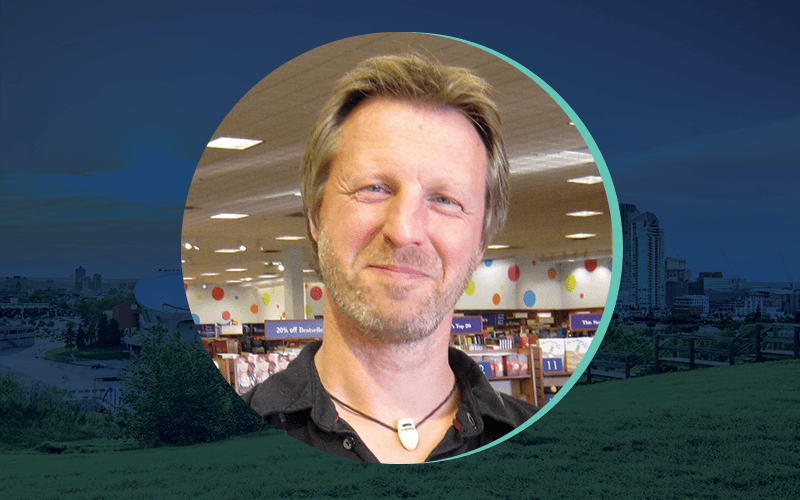
Hugo Bonjean is President of Spirit Hills Honey Winery which makes its honey based wine in the foothills of the Canadian Rockies...
Key takeaways
- Focus on what you can influence and control rather than wasting energy on things outside your power.
- Count your blessings and see the glass half-full, as maintaining perspective helps you identify opportunities for growth even during challenges.
- Build your life in a place where you truly want to live rather than spending most of your time somewhere you don't enjoy just to vacation elsewhere.
- Take time to let your mind wander and brainstorm without distractions, as this reflective thinking is essential for entrepreneurial success.
- When creating a unique product, deconstruct what makes traditional versions successful and reconstruct it using local ingredients that reflect your region's culture and terroir.
Transcript
Full transcript page · Interactive episode
============================================================
TRANSCRIPTION WITH SPEAKERS
============================================================

[00:00] SPEAKER_01: It's Calgary's podcast on the Canada's podcast network.
[00:05] SPEAKER_01: Hello, this is Mario Tonoguzu coming to you today with Calgary's podcast, a member
[00:11] SPEAKER_01: of Canada's podcast network where we talk to the entrepreneurs or making it happen in
[00:17] SPEAKER_01: Calgary, Alberta, so you can listen, discover and engage.
[00:22] SPEAKER_01: Today's guest is Hugo Bonjone, who is president of Spirit Hills Winery, which is located in
[00:29] SPEAKER_01: Millerville, Alberta, just in south of Calgary's city limits.
[00:33] SPEAKER_01: Welcome to the show, Hugo, and thanks for taking the time today to be here for our listeners.
[00:39] SPEAKER_01: Thanks for having me, Mario.
[00:41] SPEAKER_01: So tell me, let's start, tell me a little bit about the history and what Spirit Hills
[00:46] SPEAKER_01: Winery is.
[00:48] SPEAKER_00: So we're a honey winery in the foothills of the Rocky Mountains, just half-hour southwest
[00:54] SPEAKER_00: of Calgary.
[00:55] SPEAKER_00: And so we make really wines with that are rooted in the terroir of the foothills with
[01:02] SPEAKER_00: all Alberta ingredients.
[01:04] SPEAKER_00: And our goal from the beginning was to create a wine product that would really be rooted
[01:11] SPEAKER_00: in the culture of Alberta and its land in soil here.
[01:17] SPEAKER_01: Okay, then.
[01:18] SPEAKER_01: So can you explain a little bit more about what goes into that wine?
[01:24] SPEAKER_00: So our fermentable sugar comes from honey.
[01:28] SPEAKER_00: And we have 900 beehives that are in the foothills between highway 22 and the mountains
[01:34] SPEAKER_00: and between highway 3 and highway 1.
[01:39] SPEAKER_00: And then we use local berries for our rats, which are black currants predominantly in
[01:45] SPEAKER_00: some sasca tunes.
[01:46] SPEAKER_00: Then we age that into oak barrels.
[01:48] SPEAKER_00: We'll be in essence, and then we use flowers for our white and our rosé.
[01:50] SPEAKER_00: And so in essence, what we've done is when we started off, we deconstructed the different
[01:57] SPEAKER_00: layers in flavor profile of your traditional red white and rosé grape wine.
[02:03] SPEAKER_00: And then we reconstructed that with local ingredients.
[02:09] SPEAKER_00: And so for our red wine, for instance, we use black currants that gives us the color
[02:13] SPEAKER_00: and the flavor up front.
[02:15] SPEAKER_00: The honey built structure in between.
[02:18] SPEAKER_00: And then we put that in oak for a year in Hungarian and French oak.
[02:22] SPEAKER_00: And so that gives us a bunch of aging plus than the flavors we extract from the oak
[02:27] SPEAKER_00: that balances all out.
[02:29] SPEAKER_00: Cool.
[02:29] SPEAKER_00: When did you start this business, by the way?
[02:32] SPEAKER_00: We started seven years ago now.
[02:34] SPEAKER_00: Our family comes from generations of French wine makers.
[02:38] SPEAKER_00: And so the Borgian vineyards still exist in the center of France as well.
[02:42] SPEAKER_01: Oh, cool.
[02:42] SPEAKER_00: Wow.
[02:43] SPEAKER_00: I'll have to pay a visit next time I'm in Europe.
[02:48] SPEAKER_01: Tell me a little bit about the business and how it's been in those seven years for you.
[02:54] SPEAKER_00: It's been growing very steadily, which has been very exciting, of course.
[03:00] SPEAKER_00: Like we, it started really off as a, as, you know, the idea of having a smaller retirement
[03:06] SPEAKER_00: business for me in my life.
[03:08] SPEAKER_00: And it has since then turned into a full-fledged family farm with my son being the next generation
[03:16] SPEAKER_00: wine maker.
[03:17] SPEAKER_00: And he's basically doing all the vine work now.
[03:20] SPEAKER_00: He apprenticed with me for four years.
[03:22] SPEAKER_00: And we're now exporting to Japan and to Europe.
[03:28] SPEAKER_00: Europe is really where a lot of exciting things are happening.
[03:32] SPEAKER_00: In what way can you explain that?
[03:34] SPEAKER_00: You know, the European, of course, we come, we have our European roots from my accent.
[03:42] SPEAKER_00: And so, but the European fine dining world is way further developed than the North American
[03:51] SPEAKER_00: and certainly the Canadian fine dining world.
[03:53] SPEAKER_00: And so we ended up introducing our wines to some of the fine dining restaurants in Europe.
[03:59] SPEAKER_00: The sommeliers there were absolutely blown away.
[04:03] SPEAKER_00: And it was actually sommeliers, it was a group of sommeliers that introduced us to a higher
[04:09] SPEAKER_00: rent and higher rent and higher rent restaurants each time.
[04:11] SPEAKER_00: And so we ended up presenting it in April last year, I think it was February last year.
[04:18] SPEAKER_00: It presented it to a two-star Michelin restaurant in Belgium.
[04:21] SPEAKER_00: And so the Michelin-ass starry system has three stars.
[04:26] SPEAKER_00: There's only one restaurant in all of Belgium.
[04:28] SPEAKER_00: There's a few restaurants in France that have a three star.
[04:32] SPEAKER_00: So getting a three star Michelin restaurant is kind of like hardly possible.
[04:38] SPEAKER_00: If you have a two star Michelin, there's 12 two star Michelin restaurants in Belgium.
[04:42] SPEAKER_00: So they're the top of the top.
[04:44] SPEAKER_00: And so they were so blown away with our dandelion wine
[04:48] SPEAKER_00: that they actually, they've been serving it since then.
[04:51] SPEAKER_00: The nice thing with the European fine dining world is that
[04:57] SPEAKER_00: the sommeliers and the chef decide on what they will pair the wine with.
[05:03] SPEAKER_00: And so the consumer is not the one that chooses the wine because if you,
[05:06] SPEAKER_00: frankly, if you are taking the wrong wine with the wrong dish, you're not going to have a good
[05:10] SPEAKER_00: experience. And so in here they prevent that because they really want to offer you,
[05:17] SPEAKER_00: an absolute exquisite fine dining experience.
[05:22] SPEAKER_00: And so as a result, they make the, they offer the wine with it together.
[05:25] SPEAKER_00: And so our dandelion wine has been on the menu now for almost a year in that restaurant.
[05:30] SPEAKER_00: And they've been paired with one of their signature dishes there on their tasting menu.
[05:36] SPEAKER_01: Okay, I have to ask.
[05:38] SPEAKER_01: Okay, and you can answer your own wines, but what's your favorite wine?
[05:45] SPEAKER_00: Well, I do drink a lot of the dandelion wine.
[05:48] SPEAKER_00: Oh, really?
[05:51] SPEAKER_00: It's really depends on what's on the circumstances.
[05:55] SPEAKER_00: Yeah.
[05:56] SPEAKER_00: And so given the fact that we're sitting at the source here and once you actually start drinking
[06:02] SPEAKER_00: honey wine, which is very different from what traditional need is, which people often know,
[06:09] SPEAKER_00: is that it really becomes, you know, each time when I taste grape wine now, it often tastes harsh
[06:18] SPEAKER_00: to me. It's the, the honey wines are way smoother in the finish.
[06:24] SPEAKER_00: They also, we had a metalized in food laps as part of our exports.
[06:27] SPEAKER_00: They've been analyzed to the A&Y.
[06:29] SPEAKER_00: The antioxidants are on average hundreds times higher as well than red grape wine.
[06:35] SPEAKER_00: And so the pencil of circumstance, like I often, you know, like to start my evening off with a
[06:41] SPEAKER_00: glass of dandelion wine, usually with my meal, because I'm a meat eater. I love my, my steak.
[06:48] SPEAKER_00: I have a glass of sasquatch, which is how dry I read.
[06:51] SPEAKER_00: And then when, you know, before, after dinner, like before going to bed, I usually like to have
[06:59] SPEAKER_00: a little piece of chocolate or something and I'll have a glass of wild trosa wine with that.
[07:04] SPEAKER_00: Sounds like a great routine.
[07:08] SPEAKER_01: You know what? It's kind of funny because when you're talking about honey, I don't think many people
[07:14] SPEAKER_01: realize that Alberta is one of the top producers in the country for honey.
[07:19] SPEAKER_00: Yes, actually, that is, when we started off and we were looking at, okay, what kind of sugar
[07:25] SPEAKER_00: constirmation starts with sugar. And so with grape wine, you start with really sweet grape juice.
[07:33] SPEAKER_00: And so I traveled in my previous lives, the corporate executive. I had the opportunity of
[07:38] SPEAKER_00: traveling the world. And one of the things I always enjoyed was that it's in all these different
[07:43] SPEAKER_00: countries, the unique liquor beverages that are developed and they're always rooted in their
[07:48] SPEAKER_00: local sugars. It started when we deconstructed, you know, traditional wine and looked at what's
[07:56] SPEAKER_00: available out here to really construct something from local ingredients. It led us clearly to honey.
[08:04] SPEAKER_00: And so Alberta produces 48% of Canada's honey. We produce 1% of all the exported honey in the
[08:13] SPEAKER_00: world. We have like our, the quality of our honey is appreciated and highly priced in countries
[08:19] SPEAKER_00: like Japan. And we have the highest average production per B-hife in the world. And this
[08:26] SPEAKER_00: problem is alone has more than 300,000 B-hives. It became very obvious that that honey would
[08:32] SPEAKER_00: culturally, historically, if we would have started to ferment much earlier, would have been the
[08:37] SPEAKER_00: sugar of choice and is culturally very significant. What's your vision for the company as you look
[08:44] SPEAKER_01: forward into coming years? I know you said it was a retirement thing for you, but.
[08:52] SPEAKER_00: Well, we really, I wrote a hundred year vision for the company now because it really is,
[08:59] SPEAKER_00: we want to establish a, you know, 100 plus year family farm business now. And so, you know,
[09:07] SPEAKER_00: I have my first grandchild and the second ones on the way. And I'm hoping those will become
[09:14] SPEAKER_00: next generations of wine makers again. And so it's gotten much bigger. Of course, we want to keep
[09:20] SPEAKER_00: our roots very strongly here in Alberta in these hotels because it's very honey-cone strong. It's
[09:27] SPEAKER_00: beautiful wildflower honey from this area. It's various come from the flowers come from.
[09:33] SPEAKER_00: And so we want to keep that representation. It's very important for our international markets,
[09:38] SPEAKER_00: the purity of nature and the area where we harvest our ingredients from. And so in the future,
[09:46] SPEAKER_00: like on an international scale, we've really moving more into the upscale markets. And so,
[09:55] SPEAKER_00: you know, the vision basically is that spirit hill lines will will enter into upscale restaurants,
[10:05] SPEAKER_00: not only Europe, like we're working on the U.S. and on some of the Asian markets as well.
[10:10] SPEAKER_01: Okay. What's the biggest challenge you faced in being an entrepreneur?
[10:17] SPEAKER_00: It's a provincial and municipal regulation. We moved here, we moved 22 years ago to Alberta because
[10:27] SPEAKER_00: this was, and we looked all over Canada. We looked actually first all over the world before
[10:32] SPEAKER_00: we picked Canada and then we looked all over Canada. And Alberta always had and still has
[10:40] SPEAKER_00: the most entrepreneurial spirit and kind of a shoot of the hip mentality. You know, people would
[10:46] SPEAKER_00: always say, yes, you can. And so it has this can-do mentality. Either 90 years stint as an alter,
[10:52] SPEAKER_00: and I used to tour the country coast to coast to sign books for people. And we are blessed with,
[10:58] SPEAKER_00: with I think Alberta's best for the most friendly and and adventurous people in terms of,
[11:04] SPEAKER_00: you know, willing to try new things and embracing things of Alberta. So, so the municipal barriers
[11:11] SPEAKER_00: were the biggest municipal and provincial barriers. They've been the biggest barriers.
[11:17] SPEAKER_00: I had no idea when I started as an entrepreneur, how much time I would spend loving the
[11:24] SPEAKER_00: provincial government or working with the AGLC or working with the county to somehow allow us to grow.
[11:34] SPEAKER_00: And I must say, they've all been good with it. It's all but it takes time to really create
[11:41] SPEAKER_00: sales opportunities where regulation prevents you of having and taking those opportunities.
[11:48] SPEAKER_01: Yeah, exactly. As you look back on your career as an entrepreneur, do you remember any sort of advice
[11:56] SPEAKER_01: that you best piece of advice you may have received from someone?
[12:01] SPEAKER_00: Yeah, there's been a few. One is, I was taught early on in my career that by one of my main mentors,
[12:09] SPEAKER_00: that one, county blessings. And I've had the opportunity to work in countries in South America
[12:17] SPEAKER_00: and Central America and seeing some, you know, devastating poverty and environmental destruction there.
[12:26] SPEAKER_00: And so whenever I usually look at problems here and I compare it with some of these past things
[12:30] SPEAKER_00: I've seen in the past, it's easy to count our blessings because we live in a blessed country even though
[12:36] SPEAKER_00: things might have always go the way we want them or we might want things to go faster or clicker
[12:42] SPEAKER_00: or different, but we live in, you know, we're really blessed in this country.
[12:47] SPEAKER_00: And by seeing the glass half full, which is what you do when you can, you bless things,
[12:52] SPEAKER_00: it's much easier to see the opportunities around you and to grow from that.
[12:57] SPEAKER_00: The other thing that I've, that same enter actually told me was,
[13:02] SPEAKER_00: you concentrate my time on what I can influence and really put my efforts there,
[13:09] SPEAKER_00: rather than on things that I have absolutely no control or influence over.
[13:14] SPEAKER_01: Yeah, exactly. So if you weren't doing this right now and making these great wines for the world,
[13:22] SPEAKER_01: what would you be doing, do you think, as a career?
[13:26] SPEAKER_00: You know, I kind of, I am in the doubt here by choice, so there isn't really anything else I want to do.
[13:31] SPEAKER_00: And I look at my entire life and it really, if I look back at the entire life, everything kind of
[13:39] SPEAKER_00: prepared me for this. You know, like every, I've done a variety of different things in my life from
[13:46] SPEAKER_00: hotel development to writing books to hotel operations. I've worked in Europe, South American,
[13:54] SPEAKER_00: North America, learned a number of different languages. And everything I've basically done in the past,
[14:02] SPEAKER_00: all seen, I use everything, all those I've developed in the past, all those experiences,
[14:08] SPEAKER_00: some of the contacts, they all come into play in doing what I'm doing now.
[14:14] SPEAKER_01: Excellent. It's great when people can find exactly what they want right in their passion.
[14:19] SPEAKER_01: You mentioned books a few times, I'm just curious, what kind of books did you write?
[14:24] SPEAKER_00: I wrote three novels that dealt with social and environmental issues in the world. And I'll probably
[14:30] SPEAKER_00: write a fourth one after I, you know, in a couple of years and it will be about, you know,
[14:37] SPEAKER_00: Spirit Hills and that story. And the books were used for a number of years at universities and
[14:43] SPEAKER_00: high schools because they just, you know, allowed students to engage with real life and important
[14:52] SPEAKER_00: topics, but kind of read about it in kind of a novel and storytelling way.
[14:58] SPEAKER_01: Oh, okay, great. And also you mentioned travel a lot. All the places that you've gone to,
[15:04] SPEAKER_01: do you have a favorite place that you like the most?
[15:08] SPEAKER_00: I live here, Spirit Hills.
[15:12] SPEAKER_01: I got to the other right beside you.
[15:16] SPEAKER_01: Forty-one.
[15:18] SPEAKER_00: It's when we moved here, we really, one of the things that made us move out of Europe is,
[15:25] SPEAKER_00: I always thought it was all that's, you know, we lived in Belgium and while I like Belgium,
[15:31] SPEAKER_00: I like the beer and like the chocolate and I like Antwerp, it's not really the country where I
[15:35] SPEAKER_00: wanted to live or raise my kids in and at that point I wanted to go on vacation somewhere else.
[15:40] SPEAKER_00: And I thought it was an odd concept that people would go on vacation, you know, two weeks,
[15:45] SPEAKER_00: four weeks a year to a place they really wanted to live. And I thought it was way more efficient to
[15:50] SPEAKER_00: actually move to where you really wanted to live and then build your life around it. And then
[15:56] SPEAKER_00: you can use your vacation to go visit family or do some other things, but you know,
[16:00] SPEAKER_00: and so that's an essence for me, did we really picked a place where we wanted to live in the
[16:04] SPEAKER_00: world and that we thought was the best place that I've seen and that's where it moved to.
[16:11] SPEAKER_01: Okay, I'm going to explain just briefly for our listeners who may not be aware of Millerville,
[16:17] SPEAKER_01: Millerville is just south of Calgary, you know, in the prairies, but the foothills are there,
[16:24] SPEAKER_01: right, recited and the Rocky Mountains are in the distance that you can see almost every morning,
[16:29] SPEAKER_01: I presume from your place, maybe describe where you live and why you love living out there.
[16:37] SPEAKER_00: So when you actually get out on my deck or you walk from the house to the winery,
[16:43] SPEAKER_00: you can't hear a sound. We are half hour south of Calgary of major metropolitan. We are one hour
[16:51] SPEAKER_00: of major international airports and I have grizzly bears, I have elk, I have moose, I have deer,
[16:59] SPEAKER_00: I have cougars all running to the pasture here. I can I can see them from my office when they come
[17:03] SPEAKER_00: through because I got a big door, that big glass door that I look through. And so but that whole
[17:09] SPEAKER_00: idea of silence is so special to find that in such proximity to a major metropolitan and you
[17:19] SPEAKER_01: you can't find anywhere else in the world. Yeah, you know, it reminds me of a time,
[17:24] SPEAKER_01: a years ago, my first time I actually went down to Longview area, right, and for our listeners out
[17:31] SPEAKER_01: there, Longview is not far away from Millerville. And I had the same experience, I took a side road,
[17:39] SPEAKER_01: I was going to visit this rancher, took this side road and I was supposed to meet him at his gate,
[17:44] SPEAKER_01: right, and so I drove and stopped the vehicle and then just stood there and waited for him.
[17:51] SPEAKER_01: And it was kind of eerie the silence, I was unbelievable. And I remember hearing like a little
[17:58] SPEAKER_01: buzz and I was going, what the heck is that? And then I saw and way up in the sky, the distance
[18:07] SPEAKER_01: was a narrow plane, but it was just like a little buzz, right, and that's how quiet it was out there.
[18:13] SPEAKER_00: Yeah, it's such pristine parts of the world in terms of the creeks and the wildlife and it's,
[18:22] SPEAKER_00: you know, yeah, I just love it. That's where, you know, it's kind of where I get my energy from,
[18:27] SPEAKER_00: like I like hills when I do a lot of brainstorming and I think it's important as an entrepreneur to
[18:33] SPEAKER_00: let your mind just wander and think about things and take some time for that. And I doing that when
[18:39] SPEAKER_00: when I hike or you know, just spend time out in the bush, the bees of course help with that as well.
[18:46] SPEAKER_00: Like if you went to the bee arts, I can take people into the bee art and you walk out after three
[18:51] SPEAKER_00: hours and you think an hour passed. The buzzing of the bees is so relaxing and you're so focused
[18:58] SPEAKER_00: that it almost becomes like meditation, but it's kind of meditative. It's really cool.
[19:05] SPEAKER_01: Wow, that's really interesting. Okay, I'm going to ask you a different question. Hugo is
[19:11] SPEAKER_01: sort of our final question today is, okay, so imagine that a beautiful island just in the tropics
[19:18] SPEAKER_01: in the middle of the ocean. We're going to take you there. We're going to drop you off. There,
[19:24] SPEAKER_01: there's no phone. There's actually one phone, but there's no internet, nothing else there.
[19:29] SPEAKER_01: Two questions. You can phone us at any time and we'll come pick you up. First of all,
[19:35] SPEAKER_01: how long is it going to take you to make that phone call? Secondly, what do you think you'd be doing
[19:40] SPEAKER_00: outside of making wine on the island? I probably call you back in about a week.
[19:50] SPEAKER_00: Let's take that long, I think. It's kind of almost like with modification in January usually,
[19:57] SPEAKER_00: looks like, although why do you have technology there? Usually I run pretty long days and I run
[20:05] SPEAKER_00: my body pretty hard. So for that week, I'm going to take a lot of rest. I'm going to hang out
[20:09] SPEAKER_00: in the sea a bit. I'm going to soak up the sun. Might see if there's anything to hunt and to eat
[20:15] SPEAKER_00: like I love good food. Anything I can cook and come up with in terms of foods, I love making good
[20:23] SPEAKER_00: food and cooking. So yeah, I probably just rest in brainstorm and just let my mind go and see,
[20:29] SPEAKER_00: what else, what next, how do we do things better, what can we improve, how can we grow further?
[20:36] SPEAKER_01: Okay, super then, thanks very much and thanks for joining us today Hugo, that was great.
[20:40] SPEAKER_01: Thank you. Hey there, thanks for taking the time today to listen to Calgary's podcast
[20:47] SPEAKER_01: on Canada's podcast network. We hope you enjoyed the show today. Make sure you sign up for our
[20:54] SPEAKER_01: newsletters and write a review for us on iTunes and then connect with us on Twitter, Facebook,
[21:00] SPEAKER_01: Instagram, LinkedIn at Canada's podcast. You can also check out what other entrepreneurs are
[21:07] SPEAKER_01: doing across the country. See you next time.