
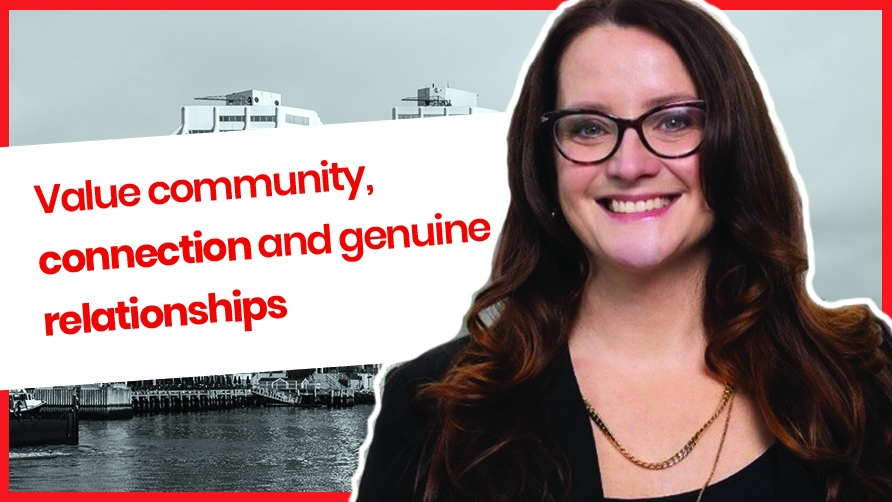
Value Community, Connection and Genuine Relationships
Episode
Hailing from small-town Newfoundland, Joanne Bath values community, connection, and genuine relationships—principles that have been the cornerstone of her...
Key takeaways
- Don't be afraid to ask for help and be vulnerable—leaning into your network and seeking mentorship from people who care about your success is essential for entrepreneurial growth.
- Hire slow and prioritize attitude over experience—finding team members who share your values and have a growth mindset matters more than hiring someone with a perfect resume.
- Treat fundraising and charity work like any other business—you're selling a product (social change, healthcare, research) and need good data, marketing, sales strategy, and an entrepreneurial mindset to succeed.
- Invest in coaching and therapy throughout your career—having external support helps you navigate imposter syndrome, business challenges, and personal growth at every stage.
- Build your triple-A list of people who believe in you—reach out to those who care about your success, ask them to lend you their reputational bank account, and let them help open doors through referrals.
Transcript
Full transcript page · Interactive episode
============================================================
TRANSCRIPTION WITH SPEAKERS
============================================================

[00:00] SPEAKER_00: restaurant operators and retail brand managers. Are you tired of unpredictable utility bills?
[00:06] SPEAKER_00: On the GWT2 Energy Podcast, we deliver short, sharp episodes that turn real-world energy wins
[00:12] SPEAKER_00: into practical steps you can use today. From smarter HVAC control and lighting controls to
[00:18] SPEAKER_00: utility cost optimization and efficiency strategies, we show exactly what works, not theory.
[00:24] SPEAKER_00: Save money, reduce waste, and get back to running your business.
[00:28] SPEAKER_00: Subscribe to the GWT2 Energy Podcast on your favorite podcast app and stay ahead of rising utility
[00:35] SPEAKER_01: costs. Welcome to Canada's Entrepreneur. Where we talk to the entrepreneurs who are making it happen
[00:41] SPEAKER_01: across Canada and deliver the news, trends, knowledge, and opinions from entrepreneurs and business
[00:49] SPEAKER_02: influences across the country. Hi everyone and welcome to Canada's Entrepreneur. The podcast
[00:57] SPEAKER_02: where we shine a spotlight on the bold thinkers, builders, and purpose-driven leaders shaping our
[01:03] SPEAKER_02: economy and our communities. I'm your host Rebecca Higgs coming to you from Halifax, Nova Scotia.
[01:10] SPEAKER_02: I'm the founder of DIY Mom and Matriarch Productions, a creative entrepreneur and a renovator,
[01:15] SPEAKER_02: and someone who is passionate about philanthropy. That's why today's guest is someone whose career
[01:22] SPEAKER_02: is one to be admired. Joanne Bath is the founder of Kitty Wake, a purpose-driven company rooted in
[01:28] SPEAKER_02: community creativity and coastal storytelling. After more than two decades of leading major philanthropic
[01:36] SPEAKER_02: organizations like the IWK Foundation and DMRF, Joanne is now channeling that experience into
[01:42] SPEAKER_02: building something uniquely her own. She's helped to raise millions for health research,
[01:48] SPEAKER_02: launch powerful partnerships across the Maritimes, and continues to be a champion for thoughtful
[01:53] SPEAKER_02: leadership, community impact, and women-led innovation. So welcome, Joanne, to the show. I'm so
[02:00] SPEAKER_02: excited to have you here. Thank you so much for having me. So before we get too deep into Kitty Wake,
[02:07] SPEAKER_02: can you tell us a bit about yourself and your journey and what led you here? Yeah, I mean, how far
[02:12] SPEAKER_03: back do we go? I grew up in small town Newfoundland, and that's really shaped everything from here.
[02:20] SPEAKER_03: Really growing up on the ocean in an outport really had a profound impact on who I am,
[02:26] SPEAKER_03: and having a mother who was very community-driven and wanted her whole life to be
[02:31] SPEAKER_03: centered around giving back really influenced me and my sister and how we give back. We give back
[02:36] SPEAKER_03: different ways in the community, but it really influenced who we are, and led to me thinking I
[02:42] SPEAKER_03: wanted to be a social worker, applying for doing a degree in social work, working in social work
[02:47] SPEAKER_03: for eight months, and then going, this is not for me. I applied for a job at a Boys and Girls Club,
[02:53] SPEAKER_03: where the title was resource development coordinator, so I thought I'd be helping families find
[02:59] SPEAKER_03: resources, but I was fundraising, and I didn't even know people fundraised. I didn't even know it was
[03:04] SPEAKER_03: a career. I read the book Fundraising for Dummies, and from there, just started fundraising and
[03:10] SPEAKER_03: asking people for money, and over the years, from there, I went to the IWK, they had a much
[03:16] SPEAKER_03: more sophisticated program, and really threw me into a position where I was responsible to raise
[03:21] SPEAKER_03: $6 million a year. I was managing six people at 25, and I really didn't know what I was doing,
[03:28] SPEAKER_03: but I did my best, and I had amazing mentorship. They really invested in me from a professional
[03:34] SPEAKER_03: development perspective, provided me paid coaching, but also internal mentorship, and then from
[03:39] SPEAKER_03: there, I moved on to the Dell Medical Research Foundation, where I was there for 10 years,
[03:44] SPEAKER_03: helped them build their fundraising sophistication, eventually, big name CEO. So that's my background
[03:51] SPEAKER_03: in traditional philanthropy, and then I left that role as CEO when the organization merged with
[03:57] SPEAKER_03: another, and I took some time to really reflect and decide who I wanted to be next at 46 at the time.
[04:07] SPEAKER_03: I sat back and said, I'm going to work for 20 more years. What is it I want to do? Because I fell
[04:11] SPEAKER_03: into that career, and now I want to be very purposeful about what I needed next to be happy and
[04:17] SPEAKER_02: fulfilled. So you were fundraising for 20 years before you started your own entrepreneur. I was,
[04:22] SPEAKER_03: yeah, I was 20 years, very traditional fundraising, and honestly, I thought I'd be there forever.
[04:28] SPEAKER_03: I thought I'd be the CEO of this charity, and then the CEO of a bigger charity, and the CEO of a
[04:32] SPEAKER_03: bigger charity. That was my, I had this idea in my head. I had this ladder in my head that I
[04:38] SPEAKER_03: needed to climb, and you know, I had a lot of support along the way to get there, but then when
[04:44] SPEAKER_03: that organization merged, I was, I was very burnt out. I really loved the work we were doing,
[04:49] SPEAKER_03: and I was grieving the loss of that role. And so I took a year off to decide what I wanted to be.
[04:57] SPEAKER_03: I invested in a coach who would challenge me, a coach who wasn't in philanthropy, wasn't in business.
[05:03] SPEAKER_03: He was just a coach to help people find their future desire and future self, and I worked with him
[05:08] SPEAKER_03: for a full year, and we came up with a matrix of what needed to exist for me to be happy going
[05:13] SPEAKER_03: forward. And I actually put it in an Excel spreadsheet, and every opportunity that came, I put
[05:18] SPEAKER_03: into that spreadsheet, and I rated it. And ultimately, starting my own business was the thing
[05:23] SPEAKER_03: that really afforded me all of the things I wanted to achieve going forward. Yeah. So in terms of
[05:30] SPEAKER_02: the fundraising work that you had been doing before, what was it about your personality that was
[05:35] SPEAKER_02: so successful in that? Is it like a natural salesman ability, or is it just like, how do you communicate
[05:41] SPEAKER_02: the need that you have when you, when you were going out there and looking for that $6 million?
[05:46] SPEAKER_03: Yeah. So there's very similar
[05:52] SPEAKER_03: linings in every year of fundraising, because there's a lot of different ways you can fundraise.
[05:55] SPEAKER_03: There's annual giving, which is your direct mail piece. It's all about marketing.
[06:00] SPEAKER_03: And then there's plan giving, which is about working with people to ask them to put you in their
[06:04] SPEAKER_03: wills, which is very sensitive work. And then there's major guests, which could be like trying to
[06:09] SPEAKER_03: align strategically with a corporate entities as corporate social responsibility policy,
[06:15] SPEAKER_03: looking at what if foundations trying to accomplish or working with individuals like
[06:19] SPEAKER_03: high net worth individuals to try and match what you're doing to what their desires are for
[06:23] SPEAKER_03: change in society. So there are those, you know, personality streams through all of that. So for
[06:30] SPEAKER_03: me, I think what's really helped my success is I'm not scared to ask for help. I'll always be
[06:37] SPEAKER_03: vulnerable and open and park my ego. That really has helped me in fundraising to learn to keep
[06:43] SPEAKER_03: learning and to grow, being genuine, having a sense of humor and being able to connect with people.
[06:49] SPEAKER_03: Like I'm a genuinely curious people. When I was in the dating scene, I couldn't wait to go on a
[06:55] SPEAKER_03: date because I want to learn about that person. I want to know who they were. And also I wasn't scared
[06:59] SPEAKER_03: of rejection, which in fundraising, you have to be not scared of rejection. You know, there's a lot
[07:04] SPEAKER_03: of nose. There's different kinds of nose as Bernard Ross would say. There's like no, not now,
[07:10] SPEAKER_03: no, not that much, no, not that little. You have to be able to read the know. So common sense is
[07:15] SPEAKER_03: really important in philanthropy. And also strategy. A lot of people think, philanthropy is like,
[07:21] SPEAKER_03: you know, making people really sad about something so that they open their wallet and give,
[07:26] SPEAKER_03: but it's really about strategically finding people who want to accomplish something with an
[07:31] SPEAKER_03: organization that's trying to accomplish that thing and trying to marry up and do matchmaking.
[07:36] SPEAKER_03: That's really what it is. And if you, if you approach it as transactional and trying to
[07:40] SPEAKER_03: twist people's arms, it just doesn't have the same long-term growth opportunities. Like if I bring
[07:46] SPEAKER_03: in a donor at $1,000 and I can grow them to a million dollar gift if they have that capacity,
[07:51] SPEAKER_03: that's a 10-year game probably. Like, you know, it could be, it could be two-year game, but
[07:56] SPEAKER_03: understanding that strategy and that long-term play. And the other thing I've done very differently.
[08:01] SPEAKER_03: In philanthropy is that it applied an entrepreneurial mindset. So I don't see charity as any different
[08:07] SPEAKER_03: than any other business. You're selling a product. The product might be social change or healthcare
[08:13] SPEAKER_03: or research or housing or environmental change, but you are selling a product to someone who
[08:19] SPEAKER_03: has money to invest in that product. And so I've always taken that entrepreneurial mindset to even
[08:24] SPEAKER_03: how you grow the organization. So you still have to have good data. You have to have a good marketing
[08:29] SPEAKER_03: communications plan. You have to have good sales team. It's very similar to any for-profit with
[08:36] SPEAKER_03: the SLAB being you're selling hope and emotion and connection. So it's a different product you're
[08:42] SPEAKER_03: selling, but you still have to know what your product is. Yeah, that's really interesting because
[08:47] SPEAKER_02: you were talking about in philanthropy and in the fundraising sort of initiative, you have to be
[08:52] SPEAKER_02: okay with the nose and the rejection. So do you think that that prepared you to be an entrepreneur?
[08:56] SPEAKER_02: Or is there something else that drove you to be an entrepreneur that maybe in your personality,
[09:03] SPEAKER_02: you were naturally ready to be an entrepreneur even though you mentioned that your family,
[09:07] SPEAKER_02: no one in your family had been entrepreneurs before before you. So could you tell me a little bit more
[09:12] SPEAKER_02: about how you made that leap to become an entrepreneur? Yeah, it was terrifying. It would have been easier
[09:19] SPEAKER_03: just to take another job in another organization and get a good pension and you know do that for the
[09:25] SPEAKER_03: next 20 years, but I was feeling really drawn to entrepreneurship. I just wanted to create something
[09:30] SPEAKER_03: that was my own and over that year I was off. I toyed with a bunch of ideas. I thought, well, I could
[09:36] SPEAKER_03: travel the world and bring back products from amazing female artisans around the world and sell
[09:42] SPEAKER_03: it here. And so I tested that for a couple weeks and I didn't like it. And then I tested something
[09:46] SPEAKER_03: else. And so what I was doing though was giving away free fundraising advice. People were calling me
[09:52] SPEAKER_03: and asking me for free advice. I was sitting on boards and in fundraising that is something we do.
[09:59] SPEAKER_03: If someone from another organization calls me that's technically a competitor and they want a copy
[10:03] SPEAKER_03: of a policy or they want to know how I how I did such and such event or get advice on who might
[10:08] SPEAKER_03: care about something, we give away advice for free in fundraising all the time to our colleagues. We
[10:13] SPEAKER_03: just shore up the industry and support each other. So transitioning to asking people to pay for that
[10:20] SPEAKER_03: was a big mindset shift for me. Because I've spent 20 years in the industry, I've had really good
[10:25] SPEAKER_03: support and mentorship from people who came before me. So then transitioning to asking people
[10:30] SPEAKER_03: to pay for my expertise was it was a pretty big mindset for me. But the leap really came when
[10:39] SPEAKER_03: I was just looking around and saying, what are the opportunities in front of me? What should I do next?
[10:43] SPEAKER_03: I had the gift of the year off between my last job and when I launched the business. So I had a
[10:48] SPEAKER_03: dollar of 100 reflect on what I wanted and I knew that I wanted to add value to the world,
[10:53] SPEAKER_03: make the world better not worse and what I did next. I knew I wanted it to be fun.
[10:59] SPEAKER_03: Like that was important to me that I wake up and go, this is fun, let's go do this. I wanted to
[11:03] SPEAKER_03: work with people that I look forward to seeing every day, which meant when you think about clients
[11:08] SPEAKER_03: choosing who you're getting to work with, who's really trying to do good in the world, I want to
[11:12] SPEAKER_03: make some money and I also wanted it to be flexible. So I could work when I wanted
[11:16] SPEAKER_03: to. Which is not really how it turns out when you're an entrepreneur because you are working 12
[11:21] SPEAKER_03: hour days and weekends and holidays. But you know, you get to choose where you work from,
[11:27] SPEAKER_03: which I really love. So the leap end was it was scary because even though I was applying all,
[11:33] SPEAKER_03: I was running a business. I mean, the Dal Medical Research Foundation, we were generating 8.5
[11:38] SPEAKER_03: million a year in revenue from philanthropic revenue and we had a $19 million investment
[11:44] SPEAKER_03: pool that I was managing with the team and a board. So it was a big business. But just the
[11:51] SPEAKER_03: mind shift of saying, well, I'm going to start a business. I didn't even know how I didn't know
[11:55] SPEAKER_03: how to incorporate a business. I didn't know like how do you even legally do that? As I said, no one
[12:00] SPEAKER_03: of my family had ever started a business. And so I didn't even know who to call. So what I did was
[12:07] SPEAKER_03: I leaned into people who really loved me and cared for me, who had started businesses and I just
[12:11] SPEAKER_03: went to them very vulnerability and said, I think I want to do this, but I have no idea what I'm doing.
[12:16] SPEAKER_03: Can you tell me where to start? And when you ask and you're vulnerable, people will tell you.
[12:21] SPEAKER_03: They will enjoy a hand and they will give you referrals. And that's where I started.
[12:26] SPEAKER_02: So can you tell the listener what Kitty Wake does? Yeah. So Kitty Wake is a philanthropic consulting
[12:33] SPEAKER_03: firm. We're primarily working with charities, but we do have a couple of like medical research
[12:39] SPEAKER_03: companies in our pool or medical research programs that because I've worked in medical research
[12:43] SPEAKER_03: for 10 years, the builds up a really strong expertise in that space in terms of how to generate
[12:49] SPEAKER_03: revenue to the fund research. But Kitty Wake primarily is in the philanthropic space. We work with
[12:54] SPEAKER_03: charities who have a really great mission and inform major categories. So the first is revenue
[13:01] SPEAKER_03: growth. So they might want to reduce their reliance on government funding and pull in philanthropy,
[13:07] SPEAKER_03: whether that be major gifts or direct mail or plan giving. We also help them build their strategy
[13:13] SPEAKER_03: for the organization. So help them say, if we're if we're level setting, what's the next five years
[13:18] SPEAKER_03: look like for us? What are all the things we need to do to succeed? That can include everything
[13:22] SPEAKER_03: from how do we build our board? How do we build our database? And then we also do talent development.
[13:28] SPEAKER_03: So we do recruitment in philanthropy. We do coaching and workshops and training, which I love doing
[13:34] SPEAKER_03: training and workshops and just giving people what I've learned and what I've done wrong or what
[13:38] SPEAKER_03: I've done well in my philanthropic career. And then finally, we do donor communications. So a lot
[13:45] SPEAKER_03: of organizations struggle with how to communicate to donors, how to report back, how to attract donors
[13:50] SPEAKER_03: to their cause. So we do a whole bunch of work in donor communications as well. And we've been I've
[13:57] SPEAKER_03: been in this business for about a year. It really started to take off this past September. And
[14:04] SPEAKER_03: and I re-branded to Kittywake. And a Kittywake is a bird that I grew up hearing at
[14:08] SPEAKER_03: South Medveder Mendo as a kid. And it really grounds me and keeps me humble and focused on who I am
[14:14] SPEAKER_03: personally. But also a Kittywake is a bird that lives between the intersection of Blue Sky and
[14:20] SPEAKER_03: Ruffsea. And that's right where charities are. Charities are trying to Blue Sky every day. Let's
[14:25] SPEAKER_03: save the world. Let's your cancer. Let's save this forest. Let's, you know, put this beautiful
[14:30] SPEAKER_03: art out into the world. And they're Blue Sky all the time. But they face these ruffsees of
[14:35] SPEAKER_03: economic turmoil, you know, boards that don't want them to spend to make money, you know, a world
[14:43] SPEAKER_03: that thinks we shouldn't pay fundraisers well. And then the other thing is charities also live
[14:51] SPEAKER_03: light Kittywakes in a colony. I mean, we're all in this together. Whether that colony is your
[14:56] SPEAKER_03: organization with your board and you're, you know, the people you serve or whether it's the philanthropic
[15:01] SPEAKER_03: world, we're all in it together. And Kittywakes live on the edge of a cliff in a little, they nest
[15:06] SPEAKER_03: on the edge of a cliff in a little nest with winds all around them. And so they have to be resilient,
[15:13] SPEAKER_03: which is one of our values. They have to be adaptable and have to be connective. And
[15:19] SPEAKER_03: charities do that. They are adapting all the time. And we saw that, for example, during the
[15:24] SPEAKER_03: pandemic, the charities that did really well, adapted their stories, they adapted their messaging,
[15:29] SPEAKER_03: their services they were providing. And so that's really what Kittywakes is all about. We, we really
[15:35] SPEAKER_03: want to show up for our clients in the same way we show up for, you know, in the philanthropic
[15:41] SPEAKER_03: industry for our donors. You know, we want to be transparent with our donors. We want them to
[15:45] SPEAKER_03: feel like they're the only donor and they're getting all of our attention and focus. And we want,
[15:51] SPEAKER_03: we want our clients to know that it's the same. We want them to feel very valued. We want to be
[15:56] SPEAKER_03: transparent and focused with them. And their winners are winning their losses are lost. And I truly
[16:01] SPEAKER_03: feel it when a client gets a no from a donor, like I feel that pain with them and then help them
[16:06] SPEAKER_03: adapt and move forward. And so we want to apply those same philanthropic values to our client work.
[16:12] SPEAKER_02: So what is the business model for Kittywake? You guys are are consulting or you're coaching or
[16:20] SPEAKER_03: how does this all work? Well, we're doing all of that. We're consulting. We're coaching. We're
[16:25] SPEAKER_03: doing recruitment. So every model looks a little different. But for example, we work with a number
[16:31] SPEAKER_03: of hospital foundations across Canada. And those engagements really focus on assessing their annual
[16:37] SPEAKER_03: giving program, which is like the core of how customers come into their organization. And helping
[16:43] SPEAKER_03: them audit their data and understand where they're winning, where they're losing, where the
[16:48] SPEAKER_03: opportunities exist. And they're like from a retention perspective or an acquisition perspective.
[16:52] SPEAKER_03: And then we help them build a 12 month or up to three year plan for how they're going to acquire
[16:57] SPEAKER_03: new donors and how they're going to retain them. So that's one model. So they pay off to come in
[17:02] SPEAKER_03: and do the data audit, do assess and then use all of our experience to build a new plan. But then on
[17:07] SPEAKER_03: the other hand, we're working with a couple of clients on major gifts. So we're working with a
[17:18] SPEAKER_03: heartbeat of the community for urban indigenous people and for settlers. So we're working with them on
[17:24] SPEAKER_03: teaching them how to fund raise and teaching them how to build their pipeline and project manage
[17:29] SPEAKER_03: so they can get a mass for gifts and raise the money they need. Mount St. Vincent, we've just
[17:34] SPEAKER_03: started working with them on their campaign as well. And they're going to be building a new child
[17:38] SPEAKER_03: study center. So that was really interesting. But again, we're going to help them recruit volunteers
[17:42] SPEAKER_03: and manage their pipeline until their story really effectively. And then we have clients who were
[17:50] SPEAKER_03: recruiting their executive director or were coaching their CEO or were coaching their
[17:54] SPEAKER_03: internal talent on how to go out and close gifts. So that's every model is different.
[18:00] SPEAKER_03: The website does list all of our services. But really, we are trying to show up for the client
[18:06] SPEAKER_03: and lend them additional capacity and then give them the capacity to do it after release. Because I
[18:11] SPEAKER_03: want to be the type of consultant that hands you the capacity, teaches you how to do it and you
[18:16] SPEAKER_03: might not need us for that. You might use for something else, but I don't want to continually,
[18:22] SPEAKER_03: I don't want to build a relationship with clients where they continually need us to show up. I
[18:25] SPEAKER_03: want them to do it on their own and really grow from what we teach them. Help them become self-sustaining
[18:30] SPEAKER_02: in terms of reaching out and getting that fundraising. So how do you protect your energy and your
[18:36] SPEAKER_02: heart and all of this? Because I imagine that people that are in philanthropic positions like
[18:41] SPEAKER_02: yourself or other folks that are going out asking for money, there must be a lot of bleeding
[18:46] SPEAKER_02: hearts out there because I'm sure they got into this industry because they cared. So you probably
[18:50] SPEAKER_02: have a lot of deep feelers that you're coaching or working with. So what do you do to protect your
[18:55] SPEAKER_02: energy and what's the advice that you give to the folks that you're coaching in order to protect
[19:01] SPEAKER_03: their spirit and their soul throughout this process? That's really hard. That's it. Because when you
[19:08] SPEAKER_03: get into this industry, you care about what you're doing. You care about like if you go to work for
[19:14] SPEAKER_03: an organization that's doing mental health work in children to give children better access to care
[19:18] SPEAKER_03: and you're having a hard time raising money for that. Oh, that is, that hurts, right? And if you
[19:23] SPEAKER_03: have to lay off parts of your team or you know, hesitate on growing a new program, say for you know,
[19:29] SPEAKER_03: in Alzheimer's care, it does hurt. But the best advice that I give to charities is build your plan.
[19:36] SPEAKER_03: Have a plan that's like a five year strategic plan is boring as that sounds. You have to know what
[19:40] SPEAKER_03: your five years look like. You have to know what resources you need to accomplish that. Get really
[19:44] SPEAKER_03: clear. And then you have to get it and do the work in a way that is actually very, you know,
[19:49] SPEAKER_03: you play a lot of rigger to it. You it's just isn't that happened by half and stance. You have to run
[19:54] SPEAKER_03: it like every other business. And if you run it that way, you will have much more success. There will
[19:58] SPEAKER_03: be nose. There will be there will be hard times. But you just have to keep pushing forward and
[20:04] SPEAKER_03: treating your organization like a business while still feeling that. I mean, we get to me amazing
[20:09] SPEAKER_03: people. You look at an organization like we are young. They're an organization here in Atlanta
[20:14] SPEAKER_03: Canada that serves Atlantic and Ontario. And they grant wishes to seniors and the whole intent of
[20:20] SPEAKER_03: their organization is to reduce ages and then the world and help us see that as we age, we're still
[20:25] SPEAKER_03: worth a lot. We still mean a lot to society and we can still have a great life while reducing
[20:31] SPEAKER_03: social isolation and helping people see that you can still go and do things and live a life as
[20:35] SPEAKER_03: you age and that we're still worth something. That's hard work. Almost everybody that they work with
[20:41] SPEAKER_03: will pass away at some point. You know, so they see a lot of loss. And like when I was at the
[20:47] SPEAKER_03: IWK, there was a lot of pain. We got to know those families. So well, you know, those children who
[20:53] SPEAKER_03: are going through cancer treatment, you know, we get to know those families so well and we feel
[20:58] SPEAKER_03: they're paying with us. But honestly, it's what drives you to do more. It's what drives you to
[21:03] SPEAKER_03: be better. It's what drives you to look for more in the world. And you know, there's a lot of
[21:10] SPEAKER_03: people think of charity. It's just people, you know, people doing work over there. But when you look
[21:13] SPEAKER_03: at the entire world and the positive, the people in the world who are trying to make positive change,
[21:19] SPEAKER_03: charities have to exist to do that. They were created to do that. They were created to be
[21:22] SPEAKER_03: catalyst for change. And so it's, change is not easy. And so I think anybody who enters this world
[21:28] SPEAKER_03: knows it or they learn it really quickly. It is not an easy world. But you just have to find the
[21:33] SPEAKER_02: guts and determination to keep moving. Yeah. So what have some of the greatest challenges that
[21:41] SPEAKER_02: you've faced when launching your own business? And how did you handle that? Yeah. So I am, I had,
[21:49] SPEAKER_03: I think the benefit of a bit of a soft launch. So I first joined another firm. They invited me to
[21:55] SPEAKER_03: join. We did that for a few months and it wasn't working. The story of how all of our talents
[22:00] SPEAKER_03: came together wasn't quite melding. While I let that firm started another with one of my very good
[22:06] SPEAKER_03: friends. And about three months in, he was like, ah, insulting is not for me. It's just, it's not
[22:11] SPEAKER_03: working. So I was like, okay, I'll do it on my own. So it helped that I had like people to learn
[22:16] SPEAKER_03: from and then a partner to do it with. And then I jumped on my own. So that was nice. But it was
[22:23] SPEAKER_03: also a challenge because you know, once that happened, I was like, oh, maybe I'm not built for this.
[22:28] SPEAKER_03: Maybe I'm the problem. Maybe, maybe it's me. And maybe I don't really know what I'm doing. And I
[22:33] SPEAKER_03: think I'm better than I am. And my husband and I sat down and I was having this discussion with
[22:39] SPEAKER_03: him. And he said, no, you can do this. Like I don't even want to talk about it. You can do it.
[22:43] SPEAKER_03: Think about what's holding you back. And really when I was about that, you were having a little
[22:47] SPEAKER_03: imposter syndrome going on there. That was 100%. 100% I was like, I, I just didn't even know where to go
[22:54] SPEAKER_03: from there, especially after my, you know, my partner, the two of us were really close. And once he
[22:59] SPEAKER_03: left, I was like, I don't know if I want to do this by myself. I don't know if I have the energy.
[23:05] SPEAKER_03: But then I hired a coach and I kind of said to myself, you've got to coach your whole career.
[23:10] SPEAKER_03: Like at the IWK, when I started there, I had a coach who was a Buddhist who helped me focus on
[23:15] SPEAKER_03: mindfulness and business. And then I had a coach as CEO at Dile Medical Research Foundation who
[23:21] SPEAKER_03: helped me learn how to manage my board and how to, you know, step into that big leadership role
[23:27] SPEAKER_03: in the organization. And then I kind of thought, well, maybe I need a business coach. So I did,
[23:31] SPEAKER_03: I hired Dave Reynolds from Ruminate. And he really helped me stop thinking about getting a couple
[23:37] SPEAKER_03: contracts and maybe doing some stuff to building something much bigger, to thinking much bigger about
[23:43] SPEAKER_03: what this could be. And not only did he kind of pump my tires and say, you know, you're an expert
[23:48] SPEAKER_03: in this field. You have something unique you can bring to the world. But also he just helped me
[23:53] SPEAKER_03: when I have a question like, I don't know how to do this Dave. And I don't know who else to ask.
[23:58] SPEAKER_03: He can help me navigate, think it through, you know, I was, my pricing was really low. And he's
[24:04] SPEAKER_03: like, why are you pricing so low? You'll never run a business on that pricing model. And he said,
[24:08] SPEAKER_03: until you try and push the limit, you don't know what people will pay for your service. But people
[24:11] SPEAKER_03: are calling you and asking for your help. So you need to build a pricing model that works in order
[24:17] SPEAKER_03: to sustain and grow your business. And one of the greatest things he did at that time was he said,
[24:24] SPEAKER_03: you need to go away and build your AAA list. And what he meant by that was to sit down,
[24:30] SPEAKER_03: pen to paper, I'm right a list of all the people who care about you, believe in you, I want you
[24:35] SPEAKER_03: to succeed, who will give you referrals. And just start meeting with them. And as a fundraiser,
[24:40] SPEAKER_03: that's the easiest thing in the world, reaching out and asking for a meeting. And I'm not scared
[24:44] SPEAKER_03: to say to people, I need referrals. Will you help me build this? And so soon as I started doing that,
[24:50] SPEAKER_03: it just started to roll. I just, there are people who, a couple of people, especially who really
[24:55] SPEAKER_03: believed in me and let me their network, which is exactly what you do in fundraising. You go to,
[25:00] SPEAKER_03: the way most people are successful in major gift fundraising is you go to a donor who already
[25:05] SPEAKER_03: loves you and gives to you. And you say, would you help me go to three more people who love this
[25:10] SPEAKER_03: organization, who might love this organization, lend us your reputational bank account. And when
[25:15] SPEAKER_03: you do that, you just, the network's open. And so I asked people to lend me their reputational bank
[25:20] SPEAKER_03: account. And they did. And that really started to snowball and grow from there.
[25:25] SPEAKER_02: I remember my dad telling me that you only get so many favors in this lifetime. And you have to be
[25:31] SPEAKER_02: really careful with how many favors you ask from people. Do you find that or do you have like an
[25:35] SPEAKER_02: endless well of favors that are owed to you from the 20 years that you worked in this industry?
[25:40] SPEAKER_03: Yeah, I don't know if anything's owed to me, but I definitely have built really good will with
[25:45] SPEAKER_03: people. I genuinely approach life with, how can I build this relationship and support this person?
[25:52] SPEAKER_03: As opposed to what can I get out of this relationship? I've always been a relationship first,
[25:56] SPEAKER_03: how can I help other people? And so I think people know that I am genuine in my want to help these
[26:01] SPEAKER_03: charities succeed. And they've seen the value of my work. They've been with me. Like Janet
[26:06] SPEAKER_03: McMillan, who owned a national PR, is one of my greatest cheerleaders and champions. And I've learned
[26:12] SPEAKER_03: so much from Janet about managing stress and grace and how to handle relationships. And she was
[26:19] SPEAKER_03: the first person I went to and said, Janet, I think I'm going to do this. What do you think? She's like,
[26:23] SPEAKER_03: absolutely, we're going to do this. I'm going to help you. So we meet regularly. She gives me advice.
[26:27] SPEAKER_03: I don't feel like anyone thinks it feels like they owe it to me. They're just really willing
[26:32] SPEAKER_03: because I love spending time with them and they enjoy spending time with me and it's fun.
[26:37] SPEAKER_03: Like we just make it fun to build something. But early on, I definitely went to a few people who I
[26:42] SPEAKER_03: thought would be supportive. And their advice was, yeah, I don't bother. I don't think this is really
[26:47] SPEAKER_03: for you. And so that was stuck in my head for a while because there were people I really respected.
[26:52] SPEAKER_03: And I had to think, well, to evaluate that and should I listen to that or should I just keep
[26:56] SPEAKER_03: pushing and I just kept pushing her was hard, but I did. Yeah, I had the same experience too. We're
[27:01] SPEAKER_02: kind of people were telling me, that's not a good idea. And then you think if you had listened to
[27:05] SPEAKER_02: that instead of listening to your gut, then where would you be today? So, exactly. Maybe you
[27:12] SPEAKER_02: could touch on that. Like what are some of the things that you've had to do, the internal work that
[27:17] SPEAKER_02: you've had to do to get yourself to this place? Because it sounds like you had to look internally in
[27:21] SPEAKER_02: terms of overcoming the imposter syndrome. Are there other ways that you have sort of
[27:29] SPEAKER_02: taken a look inside of you that have helped you become the entrepreneur you are today?
[27:34] SPEAKER_03: Yeah, absolutely. So, with the Dalmatical Research Foundation, I was the CEO there for three years
[27:39] SPEAKER_03: and then they merged with another organization. And what was very good for the organization that
[27:46] SPEAKER_03: took us over, it was hard on my head to think, oh, I was the CEO when that happened. Did I fail?
[27:53] SPEAKER_03: Did I, what did I do wrong? And I also, as I said, I was really tired when that merger happened.
[27:59] SPEAKER_03: It was a lot of work. We had to transition a lot of assets. And so, I decided I was going to take
[28:03] SPEAKER_03: a full year off, a midlife gap. And it was, oh, the best thing I've ever done. If anybody gets a
[28:09] SPEAKER_03: chance to do that, do it. Take the time, go enjoy it. Weirdly, my husband left his job at the same time,
[28:16] SPEAKER_03: and he took a year. So, we took a year together, which was such a beautiful gift. We traveled, I woke
[28:21] SPEAKER_03: up every morning, read a book, went for a walk with a dog, you know, made a healthy meal. I just lived
[28:27] SPEAKER_03: a year of life. And so, starting a business was really hard on the head because I thought, well,
[28:34] SPEAKER_03: I just want to keep doing that. I just want to enjoy my life. I don't know if I want to work that
[28:38] SPEAKER_03: hard anymore. So, I had to build up to this mindset of wanting to work hard again, because I've always
[28:43] SPEAKER_03: been a hard worker, grinder, given everything to the organizations that I support and the people
[28:48] SPEAKER_03: that I love. So, I had to shift my mindset to getting back to being, you know, a grinder and
[28:55] SPEAKER_03: working hard. But one of the things that's happened is I've gone so far the other way. I had that
[28:59] SPEAKER_03: beautiful year of relaxation and enjoyment and travel. And now I'm working, you know, 12 hour days,
[29:05] SPEAKER_03: and on a weekend, I saw, like, think about, because I love what I do. So, thinking about all the time,
[29:09] SPEAKER_03: and I'm supporting a lot of different charities doing a lot of different things. So, I'm constantly
[29:15] SPEAKER_03: thinking about their causes and what we can do and how we can build it. And so, I've got to come,
[29:20] SPEAKER_03: I'm working right now on coming back to balance because I'm giving too much to the business,
[29:24] SPEAKER_03: because I'm energized by it. It's so fun. You know, we're growing. I've added an employee
[29:31] SPEAKER_03: in February. We've got six subcontractors. We work with fractionally. We're hiring three more
[29:36] SPEAKER_03: positions coming up. So, I see so much opportunity in this business, both for KittyWake, but also
[29:43] SPEAKER_03: for our clients. So, it's been that big shift of going from being really chill to working really
[29:49] SPEAKER_03: hard. And then you're right, like the imposter syndrome is real. And I think women, particularly,
[29:57] SPEAKER_03: struggle in what used to be, maybe still is, a male dominated world of starting businesses.
[30:04] SPEAKER_03: And we think, oh, can I do it? Can it, you know, I go back to being this little girl from
[30:09] SPEAKER_03: LaCee where I grew up. It's a little town in Newfoundland. And I go back to being that little girl.
[30:16] SPEAKER_03: I'm like, can this little girl from LaCee really start a business and run it? Like this is crazy.
[30:20] SPEAKER_03: And so, I did have a therapist at one point who said, when you walk into a meeting, tell the
[30:26] SPEAKER_03: little girl to get behind you and that you had this. Yeah, that's like the shadow work.
[30:32] SPEAKER_03: Shadow work's so good. And so, sometimes I walk into a meeting and I like, as I immediately start
[30:37] SPEAKER_03: to sweat, I'm like, overwhelmed. And I'm like, what am I doing in this meeting with this person?
[30:42] SPEAKER_03: But then I tell that little girl to get behind me. And immediately, I feel a sense of confidence
[30:46] SPEAKER_03: and protection. And so, you know, not only have I done a lot of work with a coach, but therapy is
[30:52] SPEAKER_03: still so important to me, you know, as we grow as human beings. And also, the other thing that's
[30:59] SPEAKER_03: really helped me shift to entrepreneurship is just I have a growth mindset. I always have known.
[31:04] SPEAKER_03: I'm not perfect. I can always be better. And it's just deciding what you want to focus on at that
[31:10] SPEAKER_03: point in time because there's so many aspects of yourself that can grow and be better. So, when you
[31:16] SPEAKER_02: had to add new employees to your company, was that scary? Like, are you now thinking, oh my gosh,
[31:23] SPEAKER_02: I have to carry somebody else's salary and make enough money? Because I, or how do you,
[31:27] SPEAKER_02: how do you make that leap? And are you seeing the benefits from it already? Or is it, is it,
[31:34] SPEAKER_02: yes, like, so you can kind of move forward? Or are you feeling like the intimidation factor of having
[31:39] SPEAKER_03: to bring in that income for other folks? Yeah. In January, I was looking at the pipeline and,
[31:45] SPEAKER_03: you know, submitting our piece and proposals. And I could see that if I closed these three,
[31:51] SPEAKER_03: I wouldn't have the capacity to do it. But if I only closed one of them, I wouldn't have the money
[31:55] SPEAKER_03: to pay the person. So, I just went for it. I just said, you know what? I won't take pay. I'll pay
[32:00] SPEAKER_03: that person. And I'll pay them from that contract and I can afford them for a year. So, I just did
[32:05] SPEAKER_03: math. I did the math and I went, I can afford to pay one person. And I really took my approach to
[32:12] SPEAKER_03: hiring has always been higher slow. Higher slow, make sure you have the right person. And for me,
[32:19] SPEAKER_03: in all of my companies, it's been important that, like, in charitable world and now, it's been
[32:25] SPEAKER_03: important that that person really has my value set, that they're going to approach clients with the
[32:30] SPEAKER_03: same carefulness and trust and transparency that I am. I want, I always want to hire people who
[32:38] SPEAKER_03: are hard workers and care as much as I do about the business. But I like hiring people who are
[32:44] SPEAKER_03: different than me. Have a different mindset, have different skills, different experiences,
[32:49] SPEAKER_03: and are going to teach me something as I teach them. So, that's always been my approach.
[32:54] SPEAKER_03: So, the first hire for me, her name is Mackenzie Derby Shire. I've known Mackenzie for a long time.
[32:59] SPEAKER_03: She was at Hospice Halifax doing really amazing work there to fundrais. And so, I brought her
[33:05] SPEAKER_03: in as our strategic growth director. And she is just working so hard. She loves what she does. She
[33:11] SPEAKER_03: says, you know, I feel like I'm in a fake job because it's so fun. And that's what I want. That's
[33:16] SPEAKER_03: what I want my employees to feel. They're in a fake job because it's fun and we get to do cool things.
[33:22] SPEAKER_03: And I think, you know, a lot of people that I worked with at the Dell Medical Research Foundation,
[33:27] SPEAKER_03: I'm still very close with. Many of them came to our brand launch a few weeks ago. And while I
[33:32] SPEAKER_03: understand, you know, as a leader, you are managing people and you have to really focus on being that
[33:37] SPEAKER_03: leader. I also believe you just have to be a human. And you have to make real connection with people
[33:42] SPEAKER_03: and actually care about them in their lives. So, it was terrifying to be responsible for someone
[33:47] SPEAKER_03: else's life. And, you know, Mackenzie was leaving a job. She'd been in for quite a while. She had
[33:52] SPEAKER_03: a lot of benefits there. And she just come to start with a startup that was just figuring it out.
[33:57] SPEAKER_03: So, I sat down with her and said, I'd love for you to come work with me. However, you have to know
[34:01] SPEAKER_03: there's a risk here. Like, this is brand new. We've only been in business like six months or, you know,
[34:07] SPEAKER_03: a little bit longer. And she was down for it. She was ready. So, I knew she was the right person.
[34:12] SPEAKER_03: And now, we've built a pretty great book of business and we need to hire a campaign manager
[34:18] SPEAKER_03: or work with us on the mount. And for that one, I won the contract before I hired. So, I will hire
[34:24] SPEAKER_03: someone full time, but I'll have another contract by the time that two-year contracts are up.
[34:28] SPEAKER_03: And I'm hiring a customer service person so that we can really lean into making sure customers
[34:33] SPEAKER_03: have a superb, delighted experience with us. But it is like it's scary to have someone
[34:40] SPEAKER_03: else's life in your hands. It was easier at DMRF because I had an operational budget. I didn't
[34:45] SPEAKER_03: have to fundraise to pay people. We had an endowment. I didn't have to keep stay up at night and worry
[34:50] SPEAKER_03: if I could pay people. I'm not worried about that right now because that first contract was the
[34:55] SPEAKER_03: leap. And now, Mackenzie manages clients. She helps me with business development and she does
[35:02] SPEAKER_03: marketing. So, she's really helped me blow the business up. And I'm really grateful for her.
[35:08] SPEAKER_02: So, when you hire, is it more important for you to find somebody that has experience or somebody
[35:12] SPEAKER_02: that has the right attitude that you can teach how you want to do your business?
[35:18] SPEAKER_03: It has to be a little both. But I'd prefer to hire someone with the right attitude in the upside
[35:25] SPEAKER_03: because I can teach them. It depends on the project. Like some projects, they have to be pretty
[35:29] SPEAKER_03: well-baked to go in and do the work because they might be dealing with the president of a university
[35:35] SPEAKER_03: or you've got to have a certain level of ability to go in and be able to do that. But with Mackenzie,
[35:42] SPEAKER_03: she never worked in the four-profit world. So, there is a lot of learning for her about that,
[35:49] SPEAKER_03: but she's open and she's just a sponge and she wants to learn. And so, I want people to open
[35:54] SPEAKER_03: the learning. They don't think they know it all and they can help grow this business alongside me.
[36:00] SPEAKER_02: So, a couple of the takeaways that I have gathered from this conversation already are that
[36:05] SPEAKER_02: you mentioned hiring a coach. You mentioned hiring people slowly to work for your team,
[36:13] SPEAKER_02: taking your time. You also mentioned having a growth mindset. Is there any other key points or
[36:20] SPEAKER_02: advice that you would give folks that are looking to become entrepreneurs or start their own business
[36:24] SPEAKER_03: that we haven't touched on yet? Yeah, no. All of those things are exactly what I wanted to touch on today.
[36:31] SPEAKER_03: And I think the other thing is lean into your network. Don't be scared to ask people for help.
[36:36] SPEAKER_03: Like the triple A's you said, right? The triple A's, yeah. And you know, I had a moment's
[36:42] SPEAKER_03: where I was like, no, I didn't want to burden these busy people to help me. Like why would I can't
[36:47] SPEAKER_03: do that to them? But as soon as I asked them, they're so hungry and willing to be there for me and
[36:51] SPEAKER_03: to help me. And so, I would just say, don't be scared to look stupid. Don't be scared to look like
[36:56] SPEAKER_03: inexperienced. Nobody really knows what they're doing until they learn what they're doing. And
[37:01] SPEAKER_03: that has been a big lesson for me, even as I'm working with very senior leaders. They'll look at me
[37:05] SPEAKER_03: and say, I don't know what I'm doing. I'm like, well, I do. I know fundraising. I can tell you that.
[37:09] SPEAKER_03: I can teach you that and then you can go do it. So, I think the other point is don't be scared to ask for help.
[37:14] SPEAKER_03: I've asked for help my whole career and it's really gotten me far. So, I would say that for most
[37:19] SPEAKER_03: entrepreneurs seek help. You're not in a loan. I know there's a, you know, people talk about this
[37:24] SPEAKER_03: loneliness epidemic and entrepreneurship, but it doesn't have to be that way. Just lean into other
[37:28] SPEAKER_02: people and let them help you. You seem to enjoy going to, you know, networking events and meeting
[37:35] SPEAKER_02: other entrepreneurs and women. Is that something that you're just, you've always enjoyed doing?
[37:39] SPEAKER_02: You've had to kind of become better at doing. I've always enjoyed it. I mean, in fundraising,
[37:45] SPEAKER_03: we're always networking. Even if it's like at your board meeting or, you know, at a boring reception or,
[37:53] SPEAKER_03: you have to do it. You have to. You have to be out there. We went to an event last night that I
[37:57] SPEAKER_03: wasn't sure would be like strong networking for us at a client's office. We went because we
[38:02] SPEAKER_03: love the client. It's a Dartmouth General Hospital Foundation. They're an amazing group of people
[38:06] SPEAKER_03: doing really great work. The chamber was hosting an after hours networking event there. So,
[38:11] SPEAKER_03: we went for that. I wasn't sure would be the right crowd for our business, but it so was. There
[38:14] SPEAKER_03: were so many great people in the room. People who were generally curious about what the Dartmouth
[38:20] SPEAKER_03: General was doing. So, they were philanthropically mindset already. But yeah, I enjoy social. I
[38:28] SPEAKER_03: did much more before the pandemic. I became a bit more introverted through the pandemic. So,
[38:36] SPEAKER_03: the hardest part is deciding which thing to go to. Because there are so many different things
[38:40] SPEAKER_03: happening. This is an event city. So, it's deciding where you want to spend your energy and money.
[38:45] SPEAKER_02: That's the hardest part. Do you have a favorite icebreaker when you're networking or meeting
[38:50] SPEAKER_03: somebody for the first time? I'm, you know, in fundraising and in social work, we're taught to
[38:55] SPEAKER_03: ask questions and to be quiet and learn from other people. I just did a LinkedIn post on this,
[39:02] SPEAKER_03: but we so often go in and we go hard about ourselves and what we're doing and what our businesses
[39:06] SPEAKER_03: that it's much better. People remember what they say more than what you say. So, if you can go
[39:12] SPEAKER_03: in and say, tell me about yourself. Tell me even in philanthropy, especially with a donor, you
[39:15] SPEAKER_03: go in and say, tell me why you care about this cause or tell me about a cause you really care about.
[39:21] SPEAKER_03: People will tell you so much about themselves. And so, I just ask people about themselves,
[39:26] SPEAKER_03: who they are, what they believe in, what they find fun as opposed to. What do you do for work?
[39:32] SPEAKER_03: It's like, what do you do for fun? Like, what's your day to day look like? And people light up and
[39:36] SPEAKER_03: it makes the conversation much less stressed. Like, it's more fun when you're just engaging and
[39:43] SPEAKER_03: getting to know another human being. So that's kind of my iceberg. I'm sure people probably don't
[39:48] SPEAKER_02: like to feel like there's an ulterior motive when you're talking to them either, right? So, if you're
[39:51] SPEAKER_02: just trying to connect with people on a, let's get to know each other. What do we have in common?
[39:56] SPEAKER_02: Yeah. Yeah. So, where do you see Kitty Wake five years from now?
[40:01] SPEAKER_03: I don't know. We're growing right now. Like I said, we have, there's two of us. We're going to be
[40:07] SPEAKER_03: four of us soon. And then six subcontractors who work tractionally. So, it's a big, pretty big
[40:13] SPEAKER_03: team of people. We're right now we're serving clients nationally. We have clients out in Vancouver,
[40:19] SPEAKER_03: in Ontario, and all over Atlantic, including Newfoundland, Newfoundland, and most of Nova Scotia.
[40:26] SPEAKER_03: So, I see us continuing to grow. I see us narrowing in on our business offerings. So, right now we
[40:33] SPEAKER_03: offer a whole bunch. I see us maybe narrowing a little bit, become more specialized. But I want to
[40:38] SPEAKER_03: continue, as we grow, I see us becoming a bigger business. But I want us to keep the value of
[40:46] SPEAKER_03: connection. Like, connection with our clients is so important to me. And I don't ever want a client
[40:52] SPEAKER_03: to feel like they're just in a cookie cutter situation where we're just doing what we've done
[40:56] SPEAKER_03: for everybody else. I want them to feel very customized and connected with us. And so, we'll be
[41:02] SPEAKER_03: we'll be continuing that. But I think we'll grow more clients across Canada. We're looking at
[41:07] SPEAKER_03: Europe. I think that's a little ways out. But we'll continue to grow inside of Canada and grow
[41:11] SPEAKER_03: our team and deepen our expertise. You know, we want to be doing more workshops. I want to be
[41:16] SPEAKER_03: doing more training. So, there is some training planning that's happening that I think will help
[41:21] SPEAKER_02: the philanthropic world significantly. So, are most of your clients coming to you by word of mouth,
[41:26] SPEAKER_02: or if somebody that is hearing this podcast wants to hire you for their philanthropic work,
[41:33] SPEAKER_02: how would they reach out to you or what's the best way to get it? Yeah, they can just reach out to
[41:37] SPEAKER_03: me directly. KittyWakeco.com is our website. I'm wrong linked in as well as KittyWake.
[41:43] SPEAKER_03: They can just reach out to me and have a conversation. I'm the person. I want to be connected to
[41:46] SPEAKER_03: every client. I want to deeply understand what they're doing and what they're trying to accomplish.
[41:50] SPEAKER_03: And sometimes clients will come and think they need one thing and a different thing. So,
[41:55] SPEAKER_03: I want to be able to do, you know, I spend a lot of time in discovery, really understanding who
[41:59] SPEAKER_03: they are, where they want to go. So, they would just reach out to me. Most of our clients are coming from
[42:05] SPEAKER_03: referrals or from word of mouth. Like someone says, oh, I work with these people you should.
[42:10] SPEAKER_03: Most is coming from that. We don't do a ton of marketing at this point. We are going to start
[42:15] SPEAKER_03: doing that soon. But yeah, mostly it's word of mouth. And we love to have more clients all
[42:21] SPEAKER_03: across Canada in all of those spaces that I've talked about. Okay, well, before we end this conversation
[42:27] SPEAKER_02: and our time together on the podcast, I want to ask you five rapid fire questions.
[42:33] SPEAKER_02: Your game for it. Okay, so my first question is if you weren't doing what you're doing now,
[42:40] SPEAKER_03: what would you be doing instead? I'd be retired in traveling the world.
[42:47] SPEAKER_02: So not the, I remember you saying one night when we were hanging out that you would have been
[42:51] SPEAKER_02: surgeon or some kind of doctor that you love blood and guts, but not that. No, no, I thought that,
[42:57] SPEAKER_03: but I don't really like to stay up at night. Okay, you don't want to do those all nighters.
[43:01] SPEAKER_02: What do you know is nice, yeah, so. Okay, what book are you currently reading or podcast
[43:06] SPEAKER_03: you're loving right now? Any recommendations? You know, I'm really loving the Amy Polar podcast.
[43:12] SPEAKER_03: It has nothing to do with entrepreneurship. The very first episode she said, I'm not here to help
[43:17] SPEAKER_03: you grow. I just want to have a hang. And when I've had a really busy day and I need it,
[43:23] SPEAKER_03: you know, I just need a laugh and I just need to shut down from work. I don't want to be listening
[43:28] SPEAKER_03: to business podcasts reading business books every night. So I really like when I'm driving
[43:32] SPEAKER_03: to my car, I listen to something that's a bit more light, a bit more interesting.
[43:36] SPEAKER_03: There are a few books we're reading right now. One is called Train Your Board.
[43:40] SPEAKER_03: So I want to want to deepen my expertise in training. So I'm reading that book right now.
[43:45] SPEAKER_03: And there's another one called Excellence in Fundraising. That's really great for organizations
[43:48] SPEAKER_03: to pick up. It's a textbook. They'll be prepared. But yeah, right now I'm really,
[43:54] SPEAKER_03: I'm working so much so I'm trying to take in things that aren't work.
[43:58] SPEAKER_02: Yeah, I'm the exact same way. When life is stressful and work is busy, I need to watch
[44:02] SPEAKER_02: comedies and listen to comedies. I can't go and stress myself out about what's happening in the
[44:08] SPEAKER_02: world any further. Yeah, exactly. Are you a morning person or a night owl?
[44:15] SPEAKER_03: I'm a night owl naturally. But I'm kind of forced myself into being a morning person.
[44:21] SPEAKER_03: Do you have a morning routine? I'm working on a new morning routine,
[44:26] SPEAKER_03: outfit six. I have a master's work at some morning. I like working out at Afterwork.
[44:29] SPEAKER_03: It just I have more energy and excitement for it. But you know, when I would really do the
[44:35] SPEAKER_03: best work, it's like midnight. I can write. That's my did all my studying and university was like
[44:39] SPEAKER_03: midnight to 2 a.m. So definitely night owl. But I value my sleep, especially as a 47 year old woman.
[44:47] SPEAKER_03: I need that eight hours so that I feel really fresh the next day. So even though I'm an I know I love
[44:52] SPEAKER_02: sleeping. I'm with you. So if you had to pick one word to describe yourself, what would it be and why?
[45:01] SPEAKER_03: I don't know if I can pick one. I'm definitely conscientious. It's I think a lot about
[45:08] SPEAKER_03: the work I'm doing with clients. And if it's enough, am I doing enough? Are they getting enough
[45:13] SPEAKER_03: value? I think conscientious would probably be what most people would say about me.
[45:19] SPEAKER_03: Yeah. And yeah, I think that's probably the best one. And my last question actually might be
[45:26] SPEAKER_02: kind of the answer of the let this one that you just gave me because I was going to ask you what's
[45:30] SPEAKER_02: keeping you at that night these days. That's keeping you. That's conscientious. That's probably
[45:34] SPEAKER_03: thinking about. Yeah, you know, I'm I'm an underpromissor and over-delivered. I wouldn't say
[45:43] SPEAKER_03: promise clients really good work and I want to do better than I've promised. I always want to give
[45:48] SPEAKER_03: them great value because especially in the charitable world, they're spending really precious dollars
[45:53] SPEAKER_03: to hire me. And so I want to just, you know, blow it up for them and do really great work. And so
[46:01] SPEAKER_03: that's what keeps me up. And I'll wake up at 3 a.m. and go, oh wow, I really should get on that. I
[46:06] SPEAKER_03: really should do that better. It's I'm because I have a growth mindset. I always want to be better
[46:11] SPEAKER_03: and I always want to offer high value to clients. Do you keep a little no pad beside you at
[46:15] SPEAKER_03: beside the bed at night? So you can I don't everybody tells me to do that. I probably should. But I
[46:21] SPEAKER_03: just think if I turn on the light and start writing I'm up forever and my dogs are up and yeah.
[46:26] SPEAKER_02: So everybody tells me to do that. I make it a try. I can write in the dark. I think when I'm
[46:31] SPEAKER_02: thinking of something just to get it off my mind because otherwise I'm gonna lay there and keep
[46:34] SPEAKER_02: repeating it in my head. Don't forget it by the morning. Anyway, me too. I do exactly that.
[46:39] SPEAKER_02: Well, Joanne, I just want to thank you so much for being here today. Your story is such a great
[46:44] SPEAKER_02: reminder that entrepreneurship isn't just about starting a business. It's about leading with
[46:49] SPEAKER_02: intention, creating impact and staying connected with what really matters. So for everyone listening,
[46:56] SPEAKER_02: if you want to learn more about kitty wake, we'll drop the links in the show notes so you can follow
[47:00] SPEAKER_02: along with Joanne's work and connect with her. I'm Rebecca Higgs and this has been Canada's entrepreneur
[47:06] SPEAKER_02: where you meet the founders driving Canada's future. Don't forget to just to subscribe to our newsletter
[47:13] SPEAKER_02: Canada's entrepreneur.com and hit follow on YouTube, Spotify and Apple podcasts or wherever you
[47:21] SPEAKER_02: are listening. Thank you for joining us and I'll see you next time. Thanks Joanne. Thank you.
[47:29] SPEAKER_01: Okay, awesome. Thank you so much, Joanne. Where we talk to entrepreneurs who are making it happen
[47:35] SPEAKER_01: across Canada and delivering news, trends, knowledge and opinions from entrepreneurs and business
[47:43] SPEAKER_01: influencers across the country.