
Sheenah Rogers-Pfeiffer
Episode
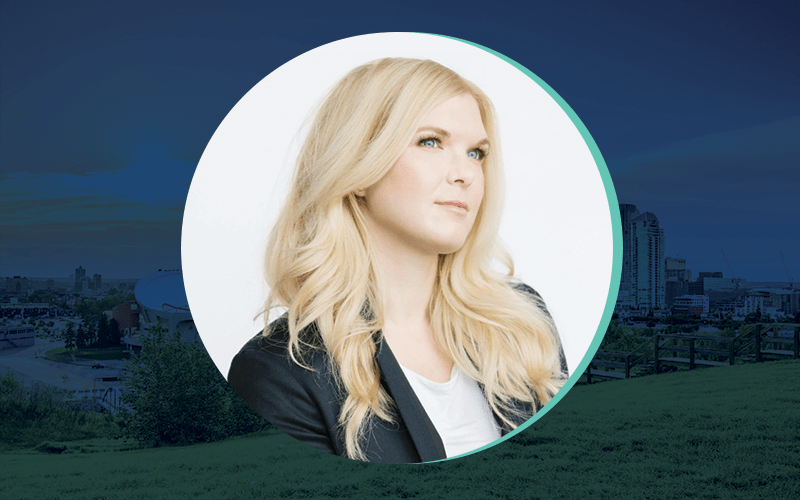
Sheenah Rogers-Pfeiffer is founder and chief strategist at Anstice Communications. She talks about being a survivor in a very competitive industry...
Key takeaways
- Hiring for your weaknesses rather than trying to fill gaps yourself is crucial for business growth and success.
- Work-life balance doesn't exist as a fixed state; instead, focus on finding your own rhythm and checking in with yourself daily to stay aligned.
- Strategy in communications should be business-driven rather than purely creative-driven, requiring deep understanding of clients' operations and industries.
- Operating in a constant state of urgency as an entrepreneur drives hustle and prevents complacency that comes with comfort mode.
- Listening to podcasts and learning from diverse sources provides transferable insights that can spark innovative solutions for clients and business challenges.
Transcript
Full transcript page · Interactive episode
============================================================
TRANSCRIPTION WITH SPEAKERS
============================================================

[00:00] SPEAKER_00: It's Calgary's podcast on the Canada's podcast network.
[00:07] SPEAKER_00: Hello, this is Mario Toneguzi coming to you today with Calgary's podcast, a member of
[00:12] SPEAKER_00: Canada's podcast network, where we talk with the entrepreneurs who are making it happen
[00:17] SPEAKER_00: in Calgary, Alberta, so you can listen, discover, and engage.
[00:21] SPEAKER_00: Today's guest is Shina Rodgers Piper, founder and chief strategist of Anstice Communications.
[00:27] SPEAKER_00: Thanks for joining us today, Shina.
[00:30] SPEAKER_00: Thanks for having me.
[00:31] SPEAKER_00: Let's start with just a general question about your company, how you started it, when
[00:36] SPEAKER_00: and what you guys do.
[00:39] SPEAKER_01: Sure.
[00:39] SPEAKER_01: So I started Anstice in 2009, and it was at the time when it was formed, it was, I guess,
[00:46] SPEAKER_01: you could say a little bit more of a traditional public relations agency, so focusing a lot on
[00:51] SPEAKER_01: reputation, crisis comms, we did a lot of work within hospitality, real estate development,
[00:56] SPEAKER_01: and then over the years, we've evolved now into a full marketing communications and research,
[01:04] SPEAKER_01: agency, I were, how we're forming it.
[01:08] SPEAKER_01: And yeah, we have a variety of different industries that we serve from still hospitality and
[01:13] SPEAKER_01: real estate through to consumer goods and technology and energy sector and you name it.
[01:18] SPEAKER_00: Okay.
[01:19] SPEAKER_00: How did you get involved, like, what was your interest in this field, and where did that
[01:24] SPEAKER_00: come from?
[01:25] SPEAKER_01: Well, I've always been in the communications field, so I was, I did my undergrad in Vancouver,
[01:31] SPEAKER_01: I worked for the Kinecks in their communications department, which was really interesting,
[01:35] SPEAKER_01: working for the NHL.
[01:37] SPEAKER_01: And then I actually ran the bid campaign for the Vancouver Olympic bid at the time, which
[01:42] SPEAKER_01: was a massive project and to be honest, really burnt me out.
[01:46] SPEAKER_01: So I moved to Calgary and got a wonderful job at Three Sisters Mountain Village running
[01:50] SPEAKER_01: their international PR and marketing program.
[01:54] SPEAKER_01: And then the mayor of Calgary at the time, actually, Dave Brancanier and the CEO of Three
[01:59] SPEAKER_01: Sisters Mountain Village had approached me to say, hey, we already called Calgary Municipal
[02:04] SPEAKER_01: Land Corporation.
[02:05] SPEAKER_01: And would you come over and run the marketing communications for what we now know is East
[02:10] SPEAKER_01: Village.
[02:11] SPEAKER_01: So I started the East Village brand, really worked closely with the board and the CEO on
[02:16] SPEAKER_01: driving land sales and land value.
[02:19] SPEAKER_01: And then at the time, for me, working in sort of semi-public private wasn't really my
[02:24] SPEAKER_01: jam, so to speak.
[02:26] SPEAKER_01: And I started to get calls from different agencies and companies all over Canada, asking
[02:32] SPEAKER_01: me to consult on what was mostly like a lot of the recreational and, I guess you say
[02:38] SPEAKER_01: more condo hotel type product that was out in the market at the time.
[02:40] SPEAKER_01: And I decided to jump ship and go on my own and consults and then all of a sudden, and
[02:49] SPEAKER_01: Steve's just kind of happened.
[02:50] SPEAKER_01: It grew fast and yeah, we hit it at the right time.
[02:54] SPEAKER_00: Okay, how the ass, where does that mean come from?
[02:56] SPEAKER_01: Yeah, so it's Greek for resurrection.
[02:58] SPEAKER_01: And I think I found it in like a wine-induced Google search.
[03:04] SPEAKER_01: And yeah, I really liked the meaning of it because it really reflected where I was at
[03:08] SPEAKER_01: my career at the time.
[03:09] SPEAKER_01: But then it also really reflected what I thought we were going to be able to provide to our
[03:13] SPEAKER_01: clients, which is sort of that rebirth or that means a resurrection.
[03:18] SPEAKER_00: So tell me when you look at what you guys do and as a company, there's tons of communications
[03:26] SPEAKER_00: companies out there, right?
[03:29] SPEAKER_00: What sets you apart?
[03:30] SPEAKER_00: What kind of things do you do that are different, I guess, than others?
[03:36] SPEAKER_01: Yeah, so I founded the agency because I felt like there was a huge gap in strategy.
[03:41] SPEAKER_01: And strategy can mean so many different things.
[03:43] SPEAKER_01: It's very subjective in our industry, you could say.
[03:47] SPEAKER_01: But what I found two things with strategy that we're missing is there was never a group
[03:52] SPEAKER_01: because I sat on the other side of the table for years prior to starting entities.
[03:56] SPEAKER_01: There was no one that could really sit at the table with me as a business partner.
[03:59] SPEAKER_01: That truly understood my business, that understood the ins and outs of it.
[04:03] SPEAKER_01: It could speak to it real estate at the time was a very, it's a very specific industry,
[04:08] SPEAKER_01: right?
[04:08] SPEAKER_01: It's one that requires you to understand how to talk about performance and different
[04:13] SPEAKER_01: types of operational plans.
[04:15] SPEAKER_01: So for me, I had that background, I had that skill set and I couldn't find anybody else
[04:19] SPEAKER_01: that had it.
[04:20] SPEAKER_01: Also, I had a really hard time finding any agency that really do keep your communications.
[04:28] SPEAKER_01: Everything was very creative driven.
[04:30] SPEAKER_01: So all of the solutions would come from a creative standpoint rather than a business or strategic
[04:36] SPEAKER_01: standpoint.
[04:37] SPEAKER_00: So speaking of doing things differently, tell me about a new hire you have.
[04:44] SPEAKER_01: Yeah, so we just made a hire, Dr. Mark Zabo.
[04:47] SPEAKER_01: And he's been in, I guess you could say the agency world for almost 25 years.
[04:51] SPEAKER_01: I don't want to age him on here, but he is, he's got his PhD and he specializes in
[05:00] SPEAKER_01: you know, I'm going to totally screw this up on what his PhD is in, but it has to do with
[05:06] SPEAKER_01: crisis mitigation.
[05:08] SPEAKER_01: He wrote a book.
[05:09] SPEAKER_01: He's going to be a published author.
[05:12] SPEAKER_01: So actually his book is going to be used for post-secondary education learning,
[05:18] SPEAKER_01: which is really exciting.
[05:19] SPEAKER_01: So he's a fairly new hire to the agency.
[05:23] SPEAKER_01: He's been working for a long time as a consultant or a subcontractor for the company for
[05:28] Speaker UNKNOWN: our clients.
[05:29] SPEAKER_01: And we brought him in because we really see that what we've always sort of had embedded in the
[05:34] SPEAKER_01: agency from a research standpoint, we can really start to evolve and we can extrapolate and be
[05:39] SPEAKER_01: able to give more of our clients, especially during the time now where the human understanding
[05:43] SPEAKER_01: the human landscape is so much more important than ever before.
[05:48] SPEAKER_01: And you know, really you're only as successful today as people allow you to be as we know,
[05:53] SPEAKER_01: Mario, we're given technology.
[05:55] SPEAKER_01: So for us, what we're able to now offer through having Mark on the team is we're able to actually
[06:01] SPEAKER_01: go out and be able to not only predict behaviors and mindsets and values, but then we're able to
[06:07] SPEAKER_01: also validate as a result of those specific tactics or plans or investments that our clients make.
[06:13] SPEAKER_01: So we can help them make the best decisions because there's so many ways in which they can speak
[06:18] SPEAKER_01: to their clients or speak to all different areas where they can invest their dollars.
[06:23] SPEAKER_01: So we're hoping that we can provide a little bit more clarity around that and make them feel
[06:28] SPEAKER_01: better about where they can see ROI.
[06:31] SPEAKER_00: Okay, what's the biggest challenge you've faced of being an entrepreneur?
[06:35] SPEAKER_01: How much time do you have?
[06:38] SPEAKER_01: Wow, I've been in this for 10 years now and you know, it's a really interesting question.
[06:44] SPEAKER_01: I think I've had a lot of challenges and I would say the biggest one for me that stands out
[06:50] SPEAKER_01: is time. I'm a mother. I have three young children and during each of those pregnancies and
[06:58] SPEAKER_01: deliveries, that was time that was taken away from my business. And I always think to myself like,
[07:05] SPEAKER_01: what would I have done or what could I have done if I never had if I never went through that and
[07:09] SPEAKER_01: I love my children, don't get me wrong. But it's one of those things that always kind of haunts me
[07:15] SPEAKER_01: in the back of my mind is like, what could I be doing and how can I create more time with what
[07:21] SPEAKER_01: I'm doing to get further ahead? I would also say the people piece has been challenging. I didn't
[07:25] SPEAKER_01: get a degree in human resources. I am skilled at what I do. So learning the people piece has been
[07:32] SPEAKER_01: a huge, huge uphill learning curve for me.
[07:36] SPEAKER_00: When you look back over your career, when you think of all the people that are giving you advice,
[07:42] SPEAKER_00: is there anything that sticks in your mind in terms of the best piece of advice you've been given
[07:47] SPEAKER_01: for being an entrepreneur? Yeah, I guess the one thing that really stands out to me was I had advice
[07:53] SPEAKER_01: from someone that he basically said to me, hire for your weaknesses. So look at where you're weak
[08:03] SPEAKER_01: and rather than trying to fill that yourself, which I had done for a number of years,
[08:08] SPEAKER_01: step away from it, make the investment in bringing the people on that don't commit you,
[08:15] SPEAKER_01: that aren't like you. And for a long time, I hired a lot of people that I feel were like me and
[08:21] SPEAKER_01: reflected me. And yeah, I had to learn the hard way in some of that as well that wasn't always
[08:26] SPEAKER_01: going to work out. But yeah, it's knowing your weaknesses, being able to be self-aware and get
[08:30] SPEAKER_00: out of your own way, really. Looking back over your career, if you were doing some
[08:38] SPEAKER_00: something else, and you were doing like what you're doing now, any thoughts of what kind of a career
[08:43] SPEAKER_00: you'd be involved in and kind of a profession you'd do? Well, when I was in, I think,
[08:50] SPEAKER_01: Junior High wanted to be a much music VJ. I always, like funny, I always saw myself as being in
[09:00] SPEAKER_01: the entertainment industry. So whether it was being working for an agency in the entertainment,
[09:10] SPEAKER_01: doing something with a stage, I've always loved the stage. I could see myself as a great host.
[09:16] SPEAKER_01: Like I've always wanted to kind of go that direction, maybe one day. How would you describe yourself?
[09:22] SPEAKER_00: Somebody would ask you like give me one word to describe yourself, what would it be and why?
[09:28] SPEAKER_01: I would have to say survivor would be the word that comes to mind. I just, I operate out of survival
[09:36] SPEAKER_01: instincts my whole life. One of my closest friends the other day told me that he read some sort of
[09:43] SPEAKER_01: study that the most successful entrepreneurs are those that remain almost in crisis mode 100%
[09:49] SPEAKER_01: of the time. Because as an entrepreneur, when you're in crisis mode, you hustle harder, you roll up
[09:54] SPEAKER_01: your sleeves like you do whatever you got to do. And you always make it happen. And then as soon
[09:59] SPEAKER_01: as things become a little less critical, you kind of get into comfort mode. And that's when you
[10:04] SPEAKER_01: actually start to see that effect. So he said that to me and I went, wow, that really rings true.
[10:09] SPEAKER_01: Because I always feel like I've been in survivor mode for the last 10 years.
[10:14] SPEAKER_00: Now, you mentioned having young children. How do you, you know, everybody talks about the
[10:21] SPEAKER_00: work life balance, etc. How do you deal with that? And how do you manage that?
[10:27] SPEAKER_01: Yeah, I don't think there's such, I don't think work life balance exists, to be honest. I think that
[10:33] SPEAKER_01: it's more about a work life rhythm or a life rhythm. So everybody has a different rhythm.
[10:38] SPEAKER_01: And I can always tell when my rhythm is off, when my drum beat is faster or slower, because it affects
[10:44] SPEAKER_01: me, right? It shows up as stress or it shows up as anxiety or you just feel off. So for me, I have
[10:50] SPEAKER_01: my own rhythm. And it's really hard to describe or to explain to someone exactly what it looks
[10:55] SPEAKER_01: like. But my rhythm means that I'm feeling like I'm putting enough time or energy into my children.
[11:03] SPEAKER_01: And I are spending quality and a quality time together. Things are flowing out work. There's just
[11:08] SPEAKER_01: this, it's really difficult to explain, but it's this feeling of being in this steady drum beat.
[11:13] SPEAKER_01: And that's what I think people, doesn't matter who you are, have to aspire towards, because
[11:17] SPEAKER_00: everyone's drum beat is going to be different. How do you get into that sort of zone of rhythm?
[11:23] SPEAKER_01: Yeah, I think it's a mindset. I think you have to check in with yourself every day. It's almost
[11:27] SPEAKER_01: like a form of meditation in a lot of ways. Like I always try to do just a daily check in with
[11:31] SPEAKER_01: myself. And how do I feel today? Where do I feel that I'm off, right? And I might wake up and feel
[11:38] SPEAKER_01: like my relationship is off. Or I might wake up and feel like, you know what, today I really have
[11:44] SPEAKER_01: to invest in my kids. Like I feel like they need me today or I feel that I need them today.
[11:48] SPEAKER_01: And so I, because I'm an entrepreneur, I also have that freedom and flexibility to be able to
[11:54] SPEAKER_01: adjust things accordingly, to able to put my time in where it's necessary or make sacrifices.
[12:00] SPEAKER_00: Hopefully that makes sense. As entrepreneurs, you know, ideas come in all sorts of places and times.
[12:08] SPEAKER_00: Do you find it? There's any outside of your kind of office environment, whether,
[12:13] SPEAKER_00: wherever that may be, whether it's an actual office or whether it's home, etc. Outside of those
[12:18] SPEAKER_00: places, where do you find inspiration and ideas? Where do they come from? Are there particular places
[12:26] SPEAKER_01: and things you do? Well, for me, there's two places they show up. One is when I'm blow dry in my
[12:34] SPEAKER_01: hair. Okay. Because it's time consuming. And you're in your head and you could think through things
[12:40] SPEAKER_01: and you're alone. But the other place I would say where most of my ideas come from are in the car.
[12:46] SPEAKER_01: I listen to a lot of podcasts. I commute a lot. And also just, I guess before Vancouver, when I was
[12:52] SPEAKER_01: in Calgary, my job is I'm out all the time meeting with people. I'm not really in the office that
[12:57] SPEAKER_01: often. So I'm always in my car. So I started to get into podcasts. And man, I gotta tell you,
[13:02] SPEAKER_01: like they've changed my life in so many ways. Like I get, they just spark so many ideas. They
[13:09] SPEAKER_01: invigorate me. They excite me. I really get inspired by their people doing great things. And I also
[13:15] SPEAKER_01: find that a lot of them have a lot of transferable information. So you might be listening to a podcast
[13:19] SPEAKER_01: on science. But then you might be able to take a piece of that. And I'll think of a client of mine
[13:24] SPEAKER_01: that I think, you know, a piece of information could be applicable to. And, you know, then I can go
[13:30] SPEAKER_01: back to my computer and say, Hey, I just, I thought about this or I learned this. What do you think
[13:34] SPEAKER_01: about this as an approach? Sure. Have you thought about this as a strategic standpoint or learning?
[13:39] SPEAKER_01: And also just from, you know, growing a business and, you know, running a business. I've learned
[13:43] SPEAKER_00: so much. So you mentioned, you know, you know, the listening of the podcasts and getting inspiration
[13:51] SPEAKER_00: and ideas, et cetera, from from others. What do you hope people get out of this podcast from you?
[14:00] SPEAKER_01: Well, honestly, I do a lot of these things. And I really just try to be, I just want to be real,
[14:06] SPEAKER_01: right? I just want to be upfront. I, I don't sugarcoat things. I hope that people will be able to
[14:13] SPEAKER_01: listen to me and take away something, some sort of tidbit that they can apply or that will maybe
[14:21] SPEAKER_01: help substantiate a thought that they have or feeling that they have because it's really lonely
[14:24] SPEAKER_01: being an entrepreneur. And the one thing I found is the more you get to talk to other entrepreneurs
[14:30] SPEAKER_01: and hear from other entrepreneurs, it's like therapy, right? You, you always take something away.
[14:37] SPEAKER_00: Do you have a certain entrepreneur, I guess, out there that you emulate and I like to take ideas
[14:46] SPEAKER_01: and an example from? There's a lot. I really, it's a tough question because I have a lot of people
[14:56] SPEAKER_01: that I look to. I would say within my closest circle, he's one of my longest friends and he's someone
[15:03] SPEAKER_01: that has taught me a lot and that I go to all the time, which is Walker McKinley, who was McKinley
[15:08] SPEAKER_01: Burkhart. And, you know, he's really grown that company to be global really in a lot of ways.
[15:15] SPEAKER_01: So he's someone I go to for a lot. I really spend a lot of time researching a lot of tech entrepreneurs
[15:23] SPEAKER_01: lately. I've also started a tech company this year, which is my side hustle, so to speak, but it's
[15:30] SPEAKER_01: something that's everything that we do at Ansty's. So I've been spending a lot of time in that space
[15:36] SPEAKER_01: and I really have a lot of time for the founder of Bumble. She's someone that I read a lot of literature
[15:43] SPEAKER_01: on. She's a new mom. She's a woman. She went through a pretty tumultuous climb to get to where she is.
[15:52] SPEAKER_01: So yeah, I like those kind of stories. I like the chat. I like the survivor stories.
[15:56] SPEAKER_01: Oh, okay, super. Then, any reason for that? I think it's because I'm a neatly a survivor in my
[16:02] SPEAKER_01: own mind. So I really can resonate with people who fight, fight hard for what they want.
[16:08] SPEAKER_00: Okay, final question for you. I'm going to present a scenario. We're going to take you to a small
[16:14] SPEAKER_00: tropical island, beautiful place in the middle of the ocean. There's only one phone booth there.
[16:21] SPEAKER_00: However, there is no internet, no other technology. So when you're there, just wondering,
[16:28] SPEAKER_00: how long do you think it would take you before you make that phone call to call us up and say,
[16:35] SPEAKER_00: hey, I want to go back home. And secondly, what do you think you'd do while you were there?
[16:41] SPEAKER_01: Sounds really nice, actually. Honestly, I think I would last about a week, maybe Max, I would say
[16:51] SPEAKER_01: even five days. I think I'd really enjoy it when I got there. And I would create this sort of
[17:00] SPEAKER_01: wanderlust thought in my mind that, oh, I'm going to do yoga every day and I'm going to meditate.
[17:04] SPEAKER_01: And I'm going to build sandcastles. And I'm just going to sit with my thoughts. And I could probably
[17:10] SPEAKER_01: do that for a solid two or three days. But then I would get really anxious because I get like that.
[17:15] SPEAKER_01: And I want to start doing. So I would pick up the phone and yeah, definitely call whoever to get
[17:23] SPEAKER_01: me off that island within five days for sure. Okay, great then. Well, thanks for joining us today,
[17:28] SPEAKER_00: Shina. Thanks, Mario. Hey there, thanks for taking the time today to listen to Calgary's podcast
[17:38] SPEAKER_00: on Canada's podcast network. We hope you enjoyed the show today. Make sure you sign up for our
[17:45] SPEAKER_00: newsletters and write a review for us on iTunes and then connect with us on Twitter, Facebook,
[17:51] SPEAKER_00: Instagram, LinkedIn at Canada's podcast. You can also check out what other entrepreneurs are doing
[17:58] SPEAKER_00: across the country. See you next time.