
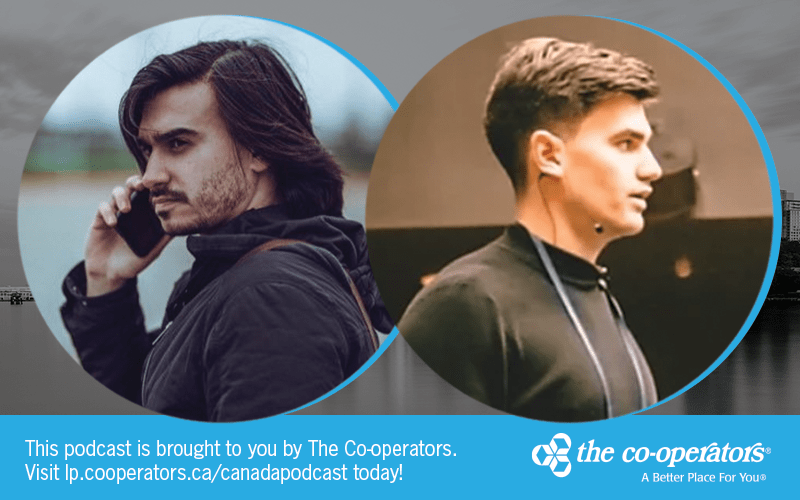
Matthew & Chris Caldaroni founded Molliteum and work with professional athletes of all kinds
Episode
Matthew & Chris Caldaroni founded Molliteum and work with professional athletes of all kinds to better their resilience in...
Key takeaways
- Always operate your business as if you're preparing to take on an investor, forcing you to systematize processes and maintain professional standards from day one.
- Expect to face a challenge every single day in entrepreneurship and embrace setbacks as part of the process rather than hoping for easy days.
- Success requires extensive legwork and personal outreach in the beginning, including being willing to reach out hundreds of times and do free work to prove your value and build credibility.
- As soon as you feel like you've won and stop pushing forward, you set yourself up for a decade of setbacks, so maintain constant momentum even during high points.
- Recovery and holistic lifestyle factors are often more important to high performance than just hard work, requiring attention to family time, nutrition, and proper rest.
Transcript
Full transcript page · Interactive episode
============================================================
TRANSCRIPTION WITH SPEAKERS
============================================================

[00:00] SPEAKER_04: Today's podcast is sponsored by the Co-operators.
[00:03] SPEAKER_04: As part of your local community, their advisors understand the challenges
[00:07] SPEAKER_04: basing businesses like yours.
[00:10] SPEAKER_04: They're here to help you protect what you've worked so hard to build
[00:13] SPEAKER_04: and ease your mind with professional advice,
[00:16] SPEAKER_04: the right insurance solutions and a full range of coverage options.
[00:20] SPEAKER_04: Visit Co-operators.ca to find a local advisor today.
[00:27] SPEAKER_04: Welcome to Canvas Podcast.
[00:29] SPEAKER_04: The number one podcast for entrepreneurs by entrepreneurs.
[00:36] SPEAKER_04: Hi everyone, welcome to Canvas Podcast.
[00:38] SPEAKER_04: I'm Philip Liske, I'm from Toronto.
[00:41] SPEAKER_04: Today we're going to meet with Matt and Chris Calderoni.
[00:45] SPEAKER_04: They both are on a good-and-go-dum-cold molecule
[00:47] SPEAKER_04: and work with professional athletes of all kinds
[00:50] SPEAKER_04: to better their resilience in sport and life.
[00:54] SPEAKER_04: They cater to athletes in most of the pro-spots world
[00:58] SPEAKER_04: but also many youth athletes and business professionals
[01:01] SPEAKER_04: working with them.
[01:03] SPEAKER_04: The operator of Pickering Ontario.
[01:06] SPEAKER_04: They've built a very solid base over the last five years.
[01:10] SPEAKER_04: I think what you'll find is pretty intense thinking
[01:17] SPEAKER_04: which you'd expect from three to very accomplished
[01:22] SPEAKER_04: professional athletes themselves.
[01:24] SPEAKER_04: So I'd like to introduce you to Matt and Chris.
[01:28] SPEAKER_04: Welcome Matt, welcome Chris.
[01:30] SPEAKER_04: Great to see you guys and I think you've got an interesting story
[01:34] SPEAKER_04: to tell.
[01:35] SPEAKER_04: So before we get going, I don't know how we're going to do this
[01:39] SPEAKER_04: in the double act but maybe as brothers,
[01:42] SPEAKER_04: you've got some kind of intuition thing.
[01:46] SPEAKER_04: Tell us a little bit more about yourselves.
[01:49] SPEAKER_04: Each one of you, maybe Chris, you start,
[01:51] SPEAKER_04: Matt, you dive in and then tell us about
[01:55] SPEAKER_04: how you've gotten to where you are at the moment
[01:57] SPEAKER_04: as entrepreneurs.
[01:59] Speaker UNKNOWN:
[01:59] SPEAKER_01: Well Phil, thank you so much for having us on.
[02:01] SPEAKER_01: We really appreciate it.
[02:03] SPEAKER_01: And so my background, I started out as a soccer player
[02:09] SPEAKER_01: playing at the rep level in Canada
[02:13] SPEAKER_01: and then moving up to the collegiate level as well.
[02:16] SPEAKER_01: My background in schooling is with organizational leadership
[02:22] SPEAKER_01: taking on the different aspects of company management,
[02:28] SPEAKER_01: managing people and Matt and I joined up,
[02:33] SPEAKER_01: joined forces to start this company which was formerly known
[02:37] SPEAKER_01: as Mind Body Fusion, now as Mollitium and started up in 2015.
[02:43] SPEAKER_01: We've been working with athletes, individuals,
[02:47] SPEAKER_01: high performing individuals on both their lifestyle
[02:50] SPEAKER_01: as well as the mental side of their game.
[02:53] SPEAKER_01: And we've really taken quite a few people now
[02:56] SPEAKER_01: to areas of their life where they didn't believe
[02:59] SPEAKER_01: that they could go.
[03:02] SPEAKER_01: And like I said, Matt started the company back in 2015
[03:05] SPEAKER_01: and maybe you can give some background on that.
[03:08] SPEAKER_02: Yeah, totally.
[03:09] SPEAKER_02: So we really specialize in this topic of resilience
[03:12] SPEAKER_02: which is something, you know, it's not necessarily
[03:16] SPEAKER_02: we like to look at it like a sports psychology,
[03:18] SPEAKER_02: kind of like Chris was saying, it's not just a mental skill.
[03:22] SPEAKER_02: We really see it as a lifestyle and you know,
[03:24] SPEAKER_02: kind of where the company started to be honest with you
[03:27] SPEAKER_02: is when I started playing soccer.
[03:29] SPEAKER_02: I went to the pro level and I'll be honest with you.
[03:31] SPEAKER_02: You know, Phil, it was like, it's a different game
[03:34] SPEAKER_02: when you're playing overseas in Europe or Italy and whatnot
[03:39] SPEAKER_02: and it's like, you know, you're pretty good at one aspect
[03:41] SPEAKER_02: here in North America and then you're forced to take your game
[03:45] SPEAKER_02: to another level in a culture that you've never seen before.
[03:48] SPEAKER_02: And you know, as much as we have the Nano and Nanas
[03:51] SPEAKER_02: from Italy and the lifestyle we've been raised to live,
[03:54] SPEAKER_02: it was a complete shock to me and it was really, really tough.
[03:58] SPEAKER_02: So where I struggled when I was over there, you know,
[04:00] SPEAKER_02: was with this whole aspect of not necessarily just psychology
[04:04] SPEAKER_02: and such, but you know, this whole idea of being a tough individual
[04:08] SPEAKER_02: from being able to work through pain,
[04:11] SPEAKER_02: to not eating the same foods that I was used to eating
[04:14] SPEAKER_02: when I was here, to having a recover in different weather.
[04:16] SPEAKER_02: Like it was, it's a strain and it was something that gave me a big challenge
[04:20] SPEAKER_02: and kind of like I was saying, you know,
[04:22] SPEAKER_02: it was something that was more than just a psychology to me
[04:26] SPEAKER_02: that we had to kind of discover a better way of kind of training
[04:30] SPEAKER_02: this side of it.
[04:31] SPEAKER_02: You know, we always know that this lifestyle aspect
[04:34] SPEAKER_02: of high performance is there.
[04:36] SPEAKER_02: I don't really feel like there were a lot of people addressing it.
[04:39] SPEAKER_02: So we decided to go on this, you know, sort of mission,
[04:41] SPEAKER_02: if you will, back in 2015, when we really started this
[04:44] SPEAKER_02: to really dive deep into the lifestyle of resilience.
[04:47] SPEAKER_02: And that's where we're at now.
[04:48] SPEAKER_02: Like Chris was saying, you know,
[04:50] SPEAKER_02: we've had the amazing privilege to work with just over 5,300 people to date
[04:54] SPEAKER_02: and we've really helped them not only see a side of performance
[04:57] SPEAKER_02: that's different, but more so kind of see life and, you know,
[05:01] SPEAKER_02: being an athlete or being a high performer in a different light
[05:03] SPEAKER_02: where I feel like a lot of people talk about the Michael Jordan story
[05:06] SPEAKER_02: of how hard you have to work and, you know,
[05:09] SPEAKER_02: it's all about tough and hard work.
[05:10] SPEAKER_02: When in reality, what we're starting to notice with a lot of these high performers,
[05:13] SPEAKER_02: is that a lot of it has to do with their ability to recover
[05:17] SPEAKER_02: and their ability to be, you know, holistic and to spend the time
[05:20] SPEAKER_02: with the family and so on.
[05:21] SPEAKER_02: So that's where we're at today working with a lot of different individuals,
[05:25] SPEAKER_02: but it's an amazing privilege to do so.
[05:28] SPEAKER_04: So, you know, maybe it's because you were both athletes and used to,
[05:35] SPEAKER_04: you know, the physical risks that that brings on you.
[05:39] SPEAKER_04: But, you know, what made you decide to become entrepreneurs?
[05:43] SPEAKER_04: Matt, you started off and Chris joined you,
[05:46] SPEAKER_04: you were chatting before and you told me that.
[05:49] SPEAKER_04: But, you know, why kind of, why aren't, why aren't you to produce it?
[05:54] SPEAKER_04: What, you know, when it go into an organization,
[05:56] SPEAKER_04: there's lots of organizations that do this.
[06:00] SPEAKER_04: You know, why, why break new ground and do it yourself and take the risk?
[06:04] SPEAKER_01: Actually, I'd love to go first on that.
[06:06] SPEAKER_01: Yeah, go ahead.
[06:07] SPEAKER_01: He gets, in my, actually, in university at Laurier,
[06:12] SPEAKER_01: I had one class in my final year there, my fourth year,
[06:16] SPEAKER_01: before I graduated and it was entrepreneurship.
[06:20] SPEAKER_01: And it was, it was the dean of my major.
[06:25] SPEAKER_01: He took us through the different building blocks of how to start a business
[06:29] SPEAKER_01: and kind of took me through the,
[06:33] SPEAKER_01: yeah, the building process from absolutely nothing to something.
[06:37] SPEAKER_01: And putting together a project and stuff like that,
[06:39] SPEAKER_01: it was very interesting to me.
[06:41] SPEAKER_01: My, like, me, myself, I love putting things together from nothing.
[06:46] SPEAKER_01: You know, whether it be LEGOs or even Rubik's cubes or games that require you to level up in some way.
[06:55] SPEAKER_01: And entrepreneurship, it's, to me, it started there.
[07:00] SPEAKER_01: I did not know the exact pieces which with, or the business,
[07:04] SPEAKER_01: sorry, that I wanted to go into.
[07:06] SPEAKER_01: I just knew that I kind of, I liked having that freedom and that ability to build something from nothing.
[07:13] SPEAKER_01: And to be honest, I didn't know what I wanted to do.
[07:16] SPEAKER_01: I was actually ready to go into a corporation or an organization that was already established and then Matt came along.
[07:23] SPEAKER_01: And actually it was painting with our cousin that Matt started this out.
[07:28] SPEAKER_01: And I thought, you know what? I love painting with my cousin, but maybe hop on this train with what Matt's doing.
[07:36] SPEAKER_04: So Matt, you know, just because your brothers doesn't mean you have the same thing.
[07:41] SPEAKER_04: So what brought you, you know, from pro sports to working with athletes?
[07:50] SPEAKER_02: I'll be honest, feel like for me personally, two things.
[07:54] SPEAKER_02: Number one, I absolutely did not do well in a corporation when I worked there.
[07:58] SPEAKER_02: I think I lasted about five months and then came along.
[08:01] SPEAKER_04: Some of my stuff was similar things.
[08:04] SPEAKER_02: Absolutely, like that, that number one is for me.
[08:07] SPEAKER_02: But you know what?
[08:08] SPEAKER_02: Like I do have the typical, if you want to call it like kid in a lemonade stand for being a young kid.
[08:14] SPEAKER_02: Like I always took on jobs that I could do myself.
[08:17] SPEAKER_02: I never forget the first quote-on-quote entrepreneurial experience that my neighbor and I did.
[08:23] SPEAKER_02: I think we were like six and seven years old.
[08:25] SPEAKER_02: We figured, you know what? Like what's something that people would be interested in?
[08:29] SPEAKER_02: It started with that whole lemonade stand side and then my friend said to me, he goes, Matt, like nobody's walking by.
[08:34] SPEAKER_02: We should figure out how to go door to door.
[08:36] SPEAKER_02: So he goes, hey, you know what? Why don't we give people, because you know, being a seven-year-old, we totally knew this.
[08:41] SPEAKER_02: A health assessment and go up to their door to door and basically ask them what kinds of foods that they eat and why they've gained the weight that they did.
[08:49] SPEAKER_02: It's a terrible way to try and build a business because I'm sure you can know how many people were susceptible to that.
[08:56] SPEAKER_02: And then you know, it was kind of just, it was the typical way of just figuring it out for yourself.
[09:00] SPEAKER_02: I guess it was more so maybe freedom, but I think for me it was more control, right?
[09:05] SPEAKER_02: Like you know, I worked a paper route when I was in grade eight and I think that's where I first realized.
[09:10] SPEAKER_02: I saw at Christmas time you got better bonuses from everybody on the street when you went collecting for the newspapers.
[09:14] SPEAKER_02: And it's like, wow, this is probably something that would translate into it.
[09:20] SPEAKER_02: And you know, we had a grandfather who actually owned his own construction company and had very vivid memories of, you know, way back when we were younger, being able to ride in the truck that he owned.
[09:31] SPEAKER_02: And it was like, he always told the stories about running an asphalt company and something like that.
[09:36] SPEAKER_02: And it's just, I feel like it was something that was always there.
[09:39] SPEAKER_02: And to be honest, if you're a little bit of our culture, like we come from a family that really had to figure it out when they came to Canada.
[09:46] SPEAKER_02: And it's just something that's always been there, right? And it's kind of figured out for yourself.
[09:51] SPEAKER_04: So, you know, you'd be on it for five years, guys. You know, just over five years.
[09:58] SPEAKER_02: Yeah.
[09:59] SPEAKER_04: What do you mean, you know, you know, family funded, scramble funded, whatever, whatever.
[10:06] SPEAKER_04: I mean, what have you learned in the last five years in terms of, you know, you got a great idea you dive in and, you know, what next kind of thing?
[10:21] SPEAKER_04: What can you pass on to others? Because, you know, we've got a free just as we've got to eat.
[10:26] SPEAKER_04: We got to grow kind of thing.
[10:29] SPEAKER_02: And honestly, it's not like, I know a lot of people talk about this is all a mindset thing.
[10:34] SPEAKER_02: And it's part of it is. It's also a knowledge part. If there's one thing that I can honestly say that I probably should have, or we should have done right from the start of this is always look at it.
[10:44] SPEAKER_02: Like you're going to be hiring 50 people next week, even if it's just you, because it forces you to process everything. Right.
[10:50] SPEAKER_02: And it forces you to create manuals and scripts like, that's a huge one that I've noticed that we're having to do now as we are growing and bringing on more coaches.
[10:58] SPEAKER_02: And bringing on sales people and so on. You know, the part of processing everything out huge, but I think a lot of it too is like you really just have to be comfortable to step out of your shell in a second and say like, even if this is my idea.
[11:11] SPEAKER_02: And it's great and it's awesome. Nobody knows that I'm alive unless I go speak it to the world. And I feel like we're in this spot now too with, you know, digital content age and social media and all that where we feel like we can do a couple Instagram posts and tweet.
[11:23] SPEAKER_02: And people are going to come through our doors, but you know what? Like I know for me it started with reaching out to about 255 different NHL agents four times before I got one agent that decided to call me and gave me my first $350 client back in 2015.
[11:39] SPEAKER_02: And it's like from that, then you do better piecework and somebody else here is a bit may refer a friend and it's like things just roll.
[11:46] SPEAKER_02: But it really is like what people I think need to understand if they're going to start out in any venture, there's a lot of legwork to put in.
[11:53] SPEAKER_02: Right. And it's it's nothing that should be discouraging. It's almost be glorified as a part of the process.
[11:59] SPEAKER_04: So I like to talk about challenges and we all will learn from overcoming challenges.
[12:06] SPEAKER_04: What's you know, you get into the sector if you want. I mean, what do you see as the greatest challenge you faced in the business to date?
[12:15] SPEAKER_01: For me, in the business, it's the fact that there will be actually a setback or a challenge each and every single day, no matter how big or how small.
[12:28] SPEAKER_01: And you should expect that there should not be for me anyways, there should not be a day where you wake up and be like, wow, I hope this is easy today.
[12:38] SPEAKER_01: It should be okay, there's going to be something that's going to be there face it head on.
[12:43] SPEAKER_01: So for me, it's regardless whether it be something payroll, something with a client that we have or something with a relationship that we're currently trying to build.
[12:55] SPEAKER_01: There's going to be a challenge each day and why expect anything different when you expect that there's going to be a challenge.
[13:06] SPEAKER_04: I'm going to throw this one at that, but I mean, is there any sort of killer that you know, you hit at a certain point in the last five years that had the two of you, you know, not sleeping till you found you.
[13:25] SPEAKER_03: You're way around the world kind of thing.
[13:29] SPEAKER_02: You know what? I will honestly say probably for about two and a half years, it was like that because it's feast or famine for a little bit.
[13:38] SPEAKER_02: And it's like, I think one of the biggest challenges that we've had to face to date, like now we're very fortunate to get a lot of referrals and we're known and we've really started to build out this brand that we have.
[13:52] SPEAKER_02: But for the first bit, it's like, it's kind of like you said before about this whole side of feeding yourself.
[13:59] SPEAKER_02: And it's like you're always going out and hunting. Like I'll never forget when we first started this, I think it was about 2016 and it was Christmas day and I was still sending out, you know, different emails to different people to talking about.
[14:12] SPEAKER_02: And it's like, this really never stopped. Right. And you have to almost realize that for the first bit that it's always going to be that way.
[14:19] SPEAKER_02: I think we were able to finally breed on that maybe just last year, where we really turned the corner. Actually, we had this conversation, Chris, where we said, you know, thank God that COVID didn't happen year before from us because we weren't around that corner yet.
[14:32] SPEAKER_02: Right. And it was still constantly building ourselves and building this idea. So I would say the biggest challenge, honestly, is really having to establish yourself in a market and really trying to gain that credibility the entire time.
[14:46] SPEAKER_02: Right. Like, I mean, it's no secret for any entrepreneur of any way that piecework has to happen. You do have to prove yourself and you do have to have that period of doing through work. Heck, we still even do it for new agents that we talk to.
[14:58] SPEAKER_02: Hey, can we work with an individual, you know, give us four weeks and see what the results are. And then we get in, but it's like it's the biggest challenge is constantly understanding that you're never, you're never fully around that corner, which is okay because it forces you to innovate.
[15:13] SPEAKER_02: But I would honestly say the start of onboarding clients was probably one of the hardest things we had to do, especially because we're selling a product like mental coaching or resilience, how whatever category you want to put it into.
[15:24] SPEAKER_02: It's an intangible, right. And it's tough because it's not like a hardcore product where, hey, here's this journal, go nuts with it. It's more so the idea of you're going to expect this results. You know, we know a lights there, but we can't touch that light.
[15:40] SPEAKER_04: Today's podcast is brought to you by the cooperators. You can count on them to support you and your business with a full range of insurance coverage options.
[15:49] SPEAKER_04: The products provide the flexibility you want with the protection you expect to find a cooperators advise and they're you visit cooperators dot c a.
[16:03] SPEAKER_04: This is one for each of you to answer unless it's the same answer.
[16:09] SPEAKER_04: It's kind of more on the mentoring side.
[16:12] SPEAKER_04: You know, start with Matt, okay.
[16:16] SPEAKER_04: What's the best piece of advice you've ever received and that you keep on using it? It's not you will get good advice, but there's one of those one or two that you keep with the state with you and you keep applying.
[16:30] SPEAKER_02: Everything you do, pretend you're taking on an investor. Everything you do, pretend you're taking on investor because that forces you to do everything by the book.
[16:39] SPEAKER_02: It forces you to do everything in a process and systemized way. And you know, I noticed with a lot of entrepreneurs, I think, and this was something I used to do when we first started out too.
[16:49] SPEAKER_02: You kind of go off this mental process, right where it's like, okay, on board a client, sign them up. Here's the paperwork. Here's a sale that it up.
[16:56] SPEAKER_02: But if you're looking to expand something, which that's what our goal is, I know there's a lot of solar printers out there too, which is totally fine.
[17:03] SPEAKER_02: But I know for us personally, the best piece of advice I got is that you're always going to be pretending to take on an investor so that everything is always laid out.
[17:10] SPEAKER_02: But if you have to show someone your book, here are my processes, here, here's how we do things. Here's our code of ethics, here's our policy.
[17:17] SPEAKER_02: That's the biggest one I think that I always have to look at. And it's something that we're always playing catch up on because there's always something different to do.
[17:23] SPEAKER_00: What about you, Chris?
[17:25] SPEAKER_00: I would say for me, it's the one, yeah, the one that really sticks out to me would be,
[17:34] SPEAKER_01: as soon as you feel like you've won, you've lost, and you set yourself up for a decade of just setbacks, where it's more so, as soon as you stop pushing every single day, you're on that high.
[17:50] SPEAKER_01: As soon as you stop pushing on that high, it allows you to explain.
[17:56] SPEAKER_01: It's hard to explain. It allows you to really fall into those setbacks, where if you're just constantly going, constantly moving forward, it's easy to stay on that path.
[18:09] SPEAKER_01: So like you said, map before, it's like the turn of the corner is there, but you just consistently keep going.
[18:16] SPEAKER_04: Interesting. I mean, what you see as the future, I mean, you know, obviously what you're doing isn't new.
[18:22] SPEAKER_04: But I've noticed and I know a few people that is evolved.
[18:28] SPEAKER_04: Okay, it's become more ordered, more organized, more regulated, which is all of which I completely approve of.
[18:41] SPEAKER_04: I mean, what's the future?
[18:43] SPEAKER_04: I mean, you know, is what we're going through, not so much the pandemic side of it, but the change of lifestyle and the fact that we know that the lifestyle won't go back to where it was.
[19:00] SPEAKER_04: You know, what's the future of your business, basically?
[19:06] SPEAKER_02: Honestly, feel like I think kind of looking at the pandemic, I know it's not supposed to be the main play, but I think a big thing that it did.
[19:14] SPEAKER_02: I don't think it shed a new light on all this like mental health stuff going on and so on. I think it was always there.
[19:20] SPEAKER_02: I think it just kind of brought it to the surface finally because we had some time to reflect and understand it.
[19:25] SPEAKER_02: I personally believe like we look at sports teams, for example, this is the best one.
[19:30] SPEAKER_02: It's not necessarily mandated at all levels across like at the junior levels and the senior, so on, to have, for example, a mental resource of sorts on hand.
[19:40] SPEAKER_02: Also with corporations, I think that's going to change completely.
[19:43] SPEAKER_02: I think that's going to be a complete 180 clip where everybody's going to have to pay attention in some way, shape, or form to, you know, corporate wellness in some way, for example, or team wellness and so on because it's like, you know, you look at this, you got people, for example, at home now, which it is going to be the new norm.
[20:00] SPEAKER_02: Most likely, I would personally predict that you're going to even have an option potentially to work from home or come into the office or you're going to have some really smart, you know, CEOs who realize that it's more cost effective to not even have an office space for more than two or three maybe top head individuals that are working at the company or whatnot.
[20:18] SPEAKER_02: So I mean, if we're looking at this in the future of it, I think people are going to have to get a lot more talented now at being able to control people from a distance, if they're working for you, being able to mandate things from a distance, having buy in from a distance, and that's kind of what we do in regards to helping cultures understand what it means to build a team that's resilient together.
[20:37] SPEAKER_02: So I think personally just looking at it, that's probably one of the biggest is realizing that this is something now that it's going to be real for the next bit, right? I mean, even dealing with post traumatic stress disorder from this COVID zoom fatigue is a real thing now.
[20:54] SPEAKER_02: I'm not a bit myself.
[20:57] SPEAKER_02: Right. Like what the hell when was that even a real thing? So I mean, looking at it, I think there's just a completely magnified market now that maybe was always there, just not really realized.
[21:09] SPEAKER_04: So, you know, let's move on with some rapid-fire stuff and good discussion guys.
[21:18] SPEAKER_04: So, you know, what books would you know, have you read that you would recommend that it being kind of, you know, not so much game changes, but directives, if you like, in terms of, you know, oh, yeah, I could do that. I should do that kind of thing.
[21:35] SPEAKER_00: Yeah. Chris, you go ahead first.
[21:38] SPEAKER_01: To be honest with you, I read a, it's more so based on the management side and there's actually a soccer coach. I'm Carlo and Chilatti, his, his book on on leadership and management style, how to deal with so many high performing individuals with different egos, soccer players, essentially, right?
[22:00] SPEAKER_01: And the egos that they have, you know, it's insane, right?
[22:02] SPEAKER_01: So, I'm European guys. There you go.
[22:07] SPEAKER_01: Right. So, actually him for a management style, a different approach on it, not just a, a typical management book, different egos at different levels and had to manage those people.
[22:20] SPEAKER_01: Like, I think it was even Joseph Murrino that said, like, I'm not going to teach you how to play the game. You know how to play the game. I'm going to manage your, your ego in the sense of, okay, players go here there and everything.
[22:33] SPEAKER_01: So, to me, that was one of the best books. I can't remember the title for the life of me, but I can definitely send it over.
[22:41] SPEAKER_04: Okay. All right. Let's do that. I'd like to read it actually.
[22:44] SPEAKER_02: Yeah. For sure. For me personally, I would say there's actually three of them that are kind of like the Holy Grail for me.
[22:53] SPEAKER_02: Number one is traction. I forgot the author's name, but it was an amazing book that I was able to read. Of course, the emith revisited by Mr. Gerber, though, that was amazing.
[23:03] SPEAKER_02: And then the ultimate sales machine, machine by Chad Holmes, that was probably, that honest to God that was probably the game changing book for me.
[23:13] SPEAKER_02: Simply because of the fact that it does, it just shows you the beautiful connection between marketing sales and all that stuff.
[23:21] SPEAKER_02: It's a little bit older school, if you will, we're hard core, pound the pavement mentality.
[23:25] SPEAKER_02: But honestly, if you're building a real corporation, it's got every single process in there that you need to build that corporation totally.
[23:37] SPEAKER_00: Chris, you are mourning or a night person?
[23:40] SPEAKER_00: Me? I am mourning, I would say.
[23:45] SPEAKER_00: Matt?
[23:46] SPEAKER_00: Definitely mourning.
[23:49] SPEAKER_00: That must have been a mourning person.
[23:55] SPEAKER_00: Definitely mourning.
[23:57] SPEAKER_04: Okay. This is another funny one. If you had to pick one word to describe yourself, Chris, what would it be and why?
[24:06] SPEAKER_00: What would it be and why? I would say one word to describe myself.
[24:15] SPEAKER_01: I would say unbreakable in the sense of just working with your brother, a younger brother, by the way, for so long.
[24:24] SPEAKER_01: Our business meetings are absolutely insane. They're amazing.
[24:28] SPEAKER_01: We should actually record them and put them on YouTube.
[24:30] SPEAKER_01: I would say unbreakable in that sense of just...
[24:36] SPEAKER_01: Strong debate.
[24:37] SPEAKER_01: Taking in different daily challenges and kind of staying calm.
[24:42] SPEAKER_04: What's a good one? What about you, Matt? What Joe would?
[24:48] SPEAKER_02: Probably hungry. I would say, you know, just for a lot of different things, for debating my brother, for being able to want to do more in the industry,
[24:59] SPEAKER_02: to really looking for the next thing that would progress us forward to how we can better help people that we work with.
[25:07] SPEAKER_02: Hungry is something that really... I feel like a lot of people take out a context sometimes and it's like, well, I was hungry for that dollar when really it's like...
[25:15] SPEAKER_02: It's not even close to that. It's hungry to really make a change for what you believe in and what you stand for.
[25:21] SPEAKER_02: And that's something that really drives me to do what I have to do.
[25:25] SPEAKER_04: What... I mean, this is kind of a joint question in terms of, you know, being entrepreneurs and in the same business.
[25:33] SPEAKER_04: I mean, what's your ambition? Are you kind of happy in the GTA or where did you take it from here?
[25:42] SPEAKER_02: To be honest with you, we've got some pretty big plans for the next three to six years of how we're going to be expanding this, even in the immediate future for the next six to 12 months.
[25:52] SPEAKER_02: Where we're really looking at a couple different things. You know, we're already widespread over North America.
[25:59] SPEAKER_02: We've got quite a few clients in Europe. We're slowly expanding to the Asia's.
[26:03] SPEAKER_02: And like, looking at it, you know, it's something that what we want to create at least is some sort of a...
[26:09] SPEAKER_02: I guess you could call it like a licensing idea of how we're able to teach people what we do and teach coaches and help other people understand.
[26:18] SPEAKER_02: Like, team coaches, I should say, how to really understand and get a grip on the management side of your people in different ways.
[26:24] SPEAKER_02: You know, we've developed an amazing little process here than a profile called, you know, resilience profiles where we help people understand what type of not personnel,
[26:35] SPEAKER_02: and now, how do they fall into, because I feel like that's something, you know, that's a little bit different and something we got to watch for sometimes when it comes to the mental side because nature versus nurture, that's a whole debate.
[26:45] SPEAKER_02: But we actually have a test that we use that helps people understand the level of resilience that they have.
[26:51] SPEAKER_02: And the cool thing is now we've been using it with pro teams, we've been using it with junior teams, where it's down to about a 90-3% accuracy rating of helping them understand, even if we've never talked to the person before, what they're basically getting upfront.
[27:03] SPEAKER_02: And it's been a game changer because we can quantify the mental side.
[27:06] SPEAKER_02: So the cool thing with it is, you know, we really use that as something that's able to kind of tap into different markets and looking at for the next again, six to three to six years, that's going to be a big forefront of what we're doing.
[27:19] SPEAKER_01: Chris, what about you?
[27:21] SPEAKER_01: Yeah, I would say that, like, pretty much word for.
[27:25] SPEAKER_01: I thought we were going to get a disagreement.
[27:26] SPEAKER_04: Sorry, I'm not going to tap it on the screen.
[27:28] SPEAKER_01: No, I would say just adding, no, not yet, not yet.
[27:32] SPEAKER_01: Maybe the next one.
[27:33] SPEAKER_01: Maybe the next one.
[27:34] SPEAKER_01: But I would say exactly what Matt said and just trying to help as many individuals as possible because we do know the, like going through it as athletes ourselves, we do know the competition and the sacrifice and commitment that's needed.
[27:51] SPEAKER_01: And if we can help kids at a younger age, get to where they want to go, then that's, that's pretty much it.
[27:59] SPEAKER_02: Well, even to tack on that too, like, you know, I think we both gained a really strong respect, not that it wasn't there before, but even, you know, four people working corporate jobs for the entrepreneur, for the person who's starting and doing their own thing.
[28:13] SPEAKER_02: You know, it's, it is, I know a lot of people talk about it, but it's true, right? Like it is tough to get started sometimes.
[28:20] SPEAKER_02: It is tough to move on.
[28:22] SPEAKER_02: And, you know, there is a really big need in that world for what we're doing.
[28:27] SPEAKER_02: And, you know, once we're able to really master the sports side and get it to a level that we want to get it to, our plan is pretty much take it to that next level for sure.
[28:35] SPEAKER_02: And then, like, Chris and I have been talking about, open up a little bit of a capital type of company to really do some different kind of investment.
[28:42] SPEAKER_04: Okay, guys, well, you know, what's been a really interesting session, I really, really have enjoyed it.
[28:47] SPEAKER_04: And people watching and I always ask with me, and how can, how can people get a hold of you if they have any questions?
[28:56] SPEAKER_04: Because that does really does happen.
[28:59] SPEAKER_02: Totally.
[28:59] SPEAKER_02: I would honestly say two of our best ways to get in contact with us, obviously, through our site.
[29:05] SPEAKER_02: We were very responsive through it, our website, malletheum.com.
[29:09] SPEAKER_02: And then, of course, through our Instagram page, we always have somebody monitoring that being in the digital age, which is a big one for us.
[29:15] SPEAKER_02: So simply going through one of those two, you will 100% get a response back within 24 hours.
[29:20] SPEAKER_01: Well, I would say all social media, Twitter, LinkedIn, all the Instagram, Facebook, where I know them.
[29:27] SPEAKER_01: So that would probably be the best way, yeah.
[29:30] SPEAKER_04: Okay, okay, guys, well, thanks very much for coming on.
[29:33] SPEAKER_04: Really enjoyed the session.
[29:35] SPEAKER_04: Thank you.
[29:36] SPEAKER_04: Thank you, Phil.
[29:38] SPEAKER_04: Today's podcast was brought to you by the Cooperators Business Insurance.
[29:43] SPEAKER_04: The head out, make sure you and your business are protected today and into the future.
[29:49] SPEAKER_04: Visit carbreakers.ca to find a local advisor today.