
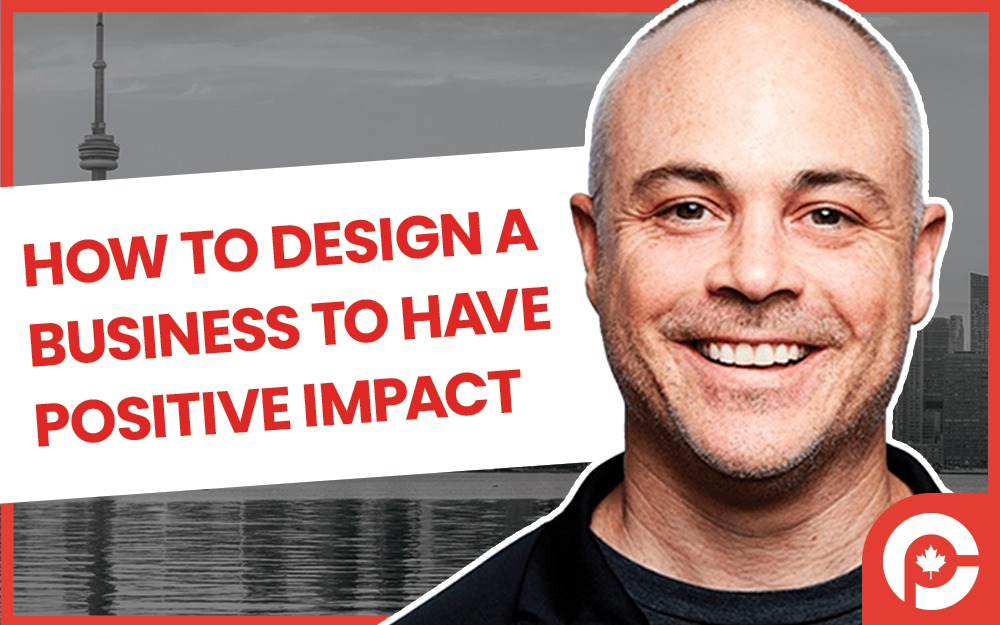
How one social entrepreneur designed his business to have a positive impact on the world, with Matt Wittek
Episode
Matt Wittek, Founder and CEO of Fill it Forward is a social entrepreneur on a mission to inspire the...
Key takeaways
- Taking a strategic pause early in your business journey to define your mission, values, and target clients is worth the investment of time even when resources are limited.
- Building authentic impact into your core business model rather than treating it as a side initiative creates deeper resonance with customers, employees, and partners.
- Pivoting from product-focused to technology-focused solutions can unlock scale and allow you to serve broader markets while staying true to your mission.
- Being patient with yourself and acknowledging where you truly are in your entrepreneurial journey is essential, even as you maintain momentum and forward progress.
- Consumers are smart and can see through inauthenticity, so transparency about your impact and staying aligned with your genuine values matters more than perfect execution.
Transcript
Full transcript page · Interactive episode
============================================================
TRANSCRIPTION WITH SPEAKERS
============================================================

[00:00] SPEAKER_01: Welcome to Canada's podcast.
[00:03] SPEAKER_01: Welcome to Ken's podcast.
[00:04] SPEAKER_01: I'm your host, Celine Williams.
[00:06] SPEAKER_01: And today I am joined by Matt Wittick,
[00:09] SPEAKER_01: who's the founder and CEO of Philip Forward.
[00:12] SPEAKER_01: He is a social entrepreneur on a mission
[00:14] SPEAKER_01: to inspire the world to reuse.
[00:17] SPEAKER_01: Matt has worked with many leading retailers,
[00:19] SPEAKER_01: food service operators, universities, and brands
[00:22] SPEAKER_01: to promote the use of reusable products.
[00:24] SPEAKER_01: His products and programs are used
[00:26] SPEAKER_01: by millions of people around the world,
[00:28] SPEAKER_01: helping to eliminate single-use plastics
[00:30] SPEAKER_01: from our landfills.
[00:32] SPEAKER_01: Matt, thank you so much for joining us today.
[00:34] SPEAKER_00: Celine, it's great to be here.
[00:36] SPEAKER_00: Thanks for the opportunity.
[00:37] SPEAKER_01: I mean, I'm very excited to talk about this
[00:39] SPEAKER_01: for a lot of different reasons,
[00:40] SPEAKER_01: but the first thing I want to do is ask the question
[00:43] SPEAKER_01: of how did you get to this point?
[00:45] SPEAKER_01: How did you get to Philip Forward
[00:48] SPEAKER_01: and to where you and this business are
[00:50] SPEAKER_01: at this point in time?
[00:52] SPEAKER_00: Yeah, it's, Celine, how much time do we have?
[00:55] SPEAKER_00: You know, because...
[00:56] SPEAKER_00: All the time in the world.
[00:58] SPEAKER_00: Oh gosh, it's a long story.
[01:01] SPEAKER_00: But maybe I'll give you the short version.
[01:04] SPEAKER_00: Long story short, I grew up in Peter Waro, Ontario.
[01:07] SPEAKER_00: I grew up with parents that owned a local grocery store.
[01:12] SPEAKER_00: So I got to see firsthand the creativity
[01:15] SPEAKER_00: that goes behind sort of running a business.
[01:18] SPEAKER_00: I got to see the connection to community and to customers
[01:22] SPEAKER_00: and to making an impact very early on.
[01:24] SPEAKER_00: And that's certainly resonated with me.
[01:27] SPEAKER_00: You know, fast forward, I went to the University of Guelph
[01:29] SPEAKER_00: here where corporate headquarters are.
[01:33] SPEAKER_00: Many years ago, graduated in 2003.
[01:37] SPEAKER_00: And I was fortunate to work for a company,
[01:39] SPEAKER_00: a small company at the time that was looking
[01:41] SPEAKER_00: to make an impact, a positive impact.
[01:43] SPEAKER_00: And fell in love, you know, really early on in my career
[01:46] SPEAKER_00: with this idea of reuse and the power of reuse.
[01:50] SPEAKER_00: And for me, every time I was sort of...
[01:54] SPEAKER_00: I did sort of inspired or worked with a customer
[01:56] SPEAKER_00: to encourage them to promote reuse
[01:58] SPEAKER_00: or use a reusable in any way.
[02:00] SPEAKER_00: And I used to literally go grocery store to grocery store
[02:03] SPEAKER_00: trying to convince people to not use
[02:05] SPEAKER_00: single-use plastic bags.
[02:06] SPEAKER_00: If I could do that, if I could convince a customer
[02:09] SPEAKER_00: of the impact that they were making,
[02:11] SPEAKER_00: I believe that it was making an impact, you know,
[02:14] SPEAKER_00: at the time that would mean maybe 500 to 1000 single-use
[02:18] SPEAKER_00: plastic bags being diverted each and every year
[02:20] SPEAKER_00: from just that one customer, that family.
[02:24] SPEAKER_00: So I saw very early on the impact that it could make,
[02:28] SPEAKER_00: but I always sort of had this entrepreneurial spirit
[02:32] SPEAKER_00: that I had from a very young age.
[02:35] SPEAKER_00: And in 2012, I went to my wife at the time
[02:39] SPEAKER_00: who was very pregnant with our third daughter
[02:42] SPEAKER_00: and said, this is the time that I think I should leave
[02:46] SPEAKER_00: my very well-paying job.
[02:48] SPEAKER_00: Working with people, by the way, that I really liked
[02:50] SPEAKER_00: and doing meaningful work, but, you know,
[02:52] SPEAKER_00: I had this other calling, this other sort of direction
[02:54] SPEAKER_00: that I wanted to go.
[02:55] SPEAKER_00: And thankfully, my wife was very supportive
[02:59] SPEAKER_00: and continues to be very supportive.
[03:01] SPEAKER_00: And we sort of sold everything that we had at the time.
[03:04] SPEAKER_00: We had a couple of rental properties that we had sold.
[03:07] SPEAKER_00: And that gave us just one year of runway.
[03:10] SPEAKER_00: And we thought if we could make this thing work
[03:13] SPEAKER_00: in one year, then we could maybe earn a second year
[03:16] SPEAKER_00: or a third year.
[03:17] SPEAKER_00: And here we are almost 10 years later
[03:20] SPEAKER_00: with the Phil Ford company and making an impact
[03:23] SPEAKER_00: and getting to work with amazing clients
[03:24] SPEAKER_00: and an amazing team that all really care
[03:29] SPEAKER_00: about people in the planet.
[03:31] SPEAKER_00: So that's the short version.
[03:33] SPEAKER_00: I'll spare you the long version for now.
[03:36] SPEAKER_01: I love that you were making it work every year
[03:38] SPEAKER_01: because clearly you've done more than make it work.
[03:40] SPEAKER_01: So I love that that was part of the journey
[03:42] SPEAKER_01: is like, let's just get through this
[03:43] SPEAKER_01: and let's just get through this
[03:44] SPEAKER_01: because I think we hear that a lot from entrepreneurs, right?
[03:47] SPEAKER_01: Especially if it's you're not getting external funding,
[03:50] SPEAKER_01: you're not looking outside for the help.
[03:53] SPEAKER_00: Yeah, and we didn't.
[03:55] SPEAKER_00: We didn't for lots of reasons,
[03:56] SPEAKER_00: but one of the reasons that we didn't sort of look
[03:58] SPEAKER_00: for external funding was that we really wanted to sort of
[04:02] SPEAKER_00: control the destiny as much as possible
[04:06] SPEAKER_00: in terms of where the company was going to evolve to.
[04:09] SPEAKER_00: And that would have changed a lot
[04:11] SPEAKER_00: had we looked for outside investment.
[04:12] SPEAKER_00: And I'm not saying, you know,
[04:14] SPEAKER_00: getting outside investments a bad thing,
[04:15] SPEAKER_00: it's not, it can be a really great thing.
[04:18] SPEAKER_00: But for us, we just wanted to take it step by step
[04:20] SPEAKER_00: and maybe evolve at our own pace, which we did.
[04:25] SPEAKER_01: Yeah, I think that makes a lot of sense.
[04:26] SPEAKER_01: So I have two things I want to ask.
[04:28] SPEAKER_01: I'm going to start with one of them.
[04:29] SPEAKER_01: And the first one is what?
[04:32] SPEAKER_01: So this, you know, the space you work in
[04:34] SPEAKER_01: is clearly an arena that you are passionate about.
[04:38] SPEAKER_01: So what is it that drives you about this area?
[04:43] SPEAKER_01: I'm calling it area because it's not, you know,
[04:45] SPEAKER_01: a single narrow thing necessarily.
[04:48] SPEAKER_01: But like what, what is it that makes you so passionate
[04:51] SPEAKER_01: and gives you this drive to keep doing this?
[04:55] SPEAKER_00: Yeah, for me and for our organization as a whole,
[04:59] SPEAKER_00: it's about making an impact.
[05:02] SPEAKER_00: And it's about providing an opportunity
[05:03] SPEAKER_00: for consumers to make an impact.
[05:06] SPEAKER_00: And what draws us to reuse specifically
[05:09] SPEAKER_00: is that it's one of those things
[05:11] SPEAKER_00: that's very accessible for people, you know,
[05:14] SPEAKER_00: you know, fighting climate change can sound daunting
[05:18] SPEAKER_00: and it's certainly something that we should all be thinking
[05:21] SPEAKER_00: about and focused on.
[05:22] SPEAKER_00: But, you know, how we make an impact
[05:25] SPEAKER_00: can be a challenge for people
[05:27] SPEAKER_00: and understanding how to make an impact.
[05:29] SPEAKER_00: Whereas bringing a reusable water bottle
[05:31] SPEAKER_00: with you to work or to school,
[05:33] SPEAKER_00: that's not that challenging.
[05:34] SPEAKER_00: And it can have a real impact and an immediate impact
[05:37] SPEAKER_00: or taking a reusable bag with you
[05:39] SPEAKER_00: when you go to the grocery store.
[05:40] SPEAKER_00: These are things that we can all do fairly cost-effectively
[05:44] SPEAKER_00: and can have an immediate impact.
[05:46] SPEAKER_00: You know, the second part for us is that we believe
[05:49] SPEAKER_00: that reuse is just that first act, you know,
[05:52] SPEAKER_00: that the first act on a sustainable journey
[05:55] SPEAKER_00: and it's the first thing that people do.
[05:57] SPEAKER_00: And so we spend all of our time and energy focused on that.
[06:01] SPEAKER_00: How can we inspire people to reuse
[06:03] SPEAKER_00: so that they can start this sustainability journey
[06:06] SPEAKER_00: that's going to lead to even more action
[06:08] SPEAKER_00: and even more impact throughout somebody's life?
[06:11] SPEAKER_00: So that's why we're so passionate about it.
[06:14] SPEAKER_00: And we know that it's not going to solve climate change
[06:17] SPEAKER_00: on its own, but we know that it's a very,
[06:19] SPEAKER_00: very important first step.
[06:21] SPEAKER_01: Well, and I mean, nothing is going to,
[06:23] SPEAKER_01: there's not one thing that's going to solve climate change
[06:25] SPEAKER_01: on its own, right?
[06:26] SPEAKER_01: Like that's the reality.
[06:28] SPEAKER_01: So I think having that very clear lens
[06:30] SPEAKER_01: that this is a place that people can start the journey
[06:35] SPEAKER_01: and focusing on getting them into the climate change funnel.
[06:37] SPEAKER_01: Let's call it getting them into the sustainability funnel.
[06:40] SPEAKER_01: It has to start somewhere.
[06:42] SPEAKER_01: And so I think it makes sense that you have tied for yourselves,
[06:46] SPEAKER_01: I'm not saying you tie this to the consumers,
[06:47] SPEAKER_01: but you've tied for yourselves the process
[06:51] SPEAKER_01: that people can go through from here.
[06:53] SPEAKER_01: You understand the longer term effects of starting here.
[06:56] SPEAKER_01: And so focusing the energy on getting people into that
[07:00] SPEAKER_01: stepping onto that stage is a great place to put the energy.
[07:04] SPEAKER_01: Because once you're on the stage,
[07:05] SPEAKER_01: it's a lot easier to stay on it.
[07:06] SPEAKER_01: It's a lot harder to get people on the stage
[07:08] SPEAKER_01: in the first place.
[07:10] SPEAKER_00: I appreciate you saying that.
[07:12] SPEAKER_00: And I agree with you completely.
[07:14] SPEAKER_00: We see reuse, we frame it as this simple moment of generosity
[07:18] SPEAKER_00: that shows love for people in the planet.
[07:20] SPEAKER_00: When you actually really think about it, you have a choice.
[07:23] SPEAKER_00: I have a choice to either bring a bottle with me
[07:25] SPEAKER_00: and look for a refill station somewhere,
[07:28] SPEAKER_00: or I can go to my fridge and grab another single use one
[07:32] SPEAKER_00: that will end up having to go to recycling.
[07:34] SPEAKER_00: And most likely not even get recycled in the end anyways.
[07:37] SPEAKER_00: But that's a whole nother conversation, right?
[07:39] SPEAKER_00: But the point is is that we have these choices.
[07:42] SPEAKER_00: And if we can just start making, in our view,
[07:45] SPEAKER_00: better choices than we can have a lasting impact together.
[07:49] SPEAKER_00: So that's what we do.
[07:51] SPEAKER_00: That's all we focus on all day, every day,
[07:54] SPEAKER_00: professionally anyways.
[07:56] SPEAKER_01: OK, so I know you said it's another conversation,
[07:58] SPEAKER_01: but I have to ask the question because I will bet you money
[08:01] SPEAKER_01: that there are people listening to this.
[08:02] SPEAKER_01: And I am a person that I'm obsessed with my metal water bottles
[08:05] SPEAKER_01: that I take everywhere with me, right?
[08:07] SPEAKER_01: But I hear all the time, you know,
[08:09] SPEAKER_01: but I can just recycle the plant, like who cares?
[08:11] SPEAKER_01: I'm just going to, I'm at an airport or whatever the case may be.
[08:13] SPEAKER_01: I'm just going to buy a water bottle because I can recycle it.
[08:16] SPEAKER_01: So can you, very succinctly, because I recognize
[08:19] SPEAKER_01: I'm sure it's a much bigger thing, but what is, why is that bad?
[08:23] SPEAKER_01: If people think, well, it's going to be recycled anyways,
[08:26] SPEAKER_01: where are they going wrong in that thought process?
[08:30] SPEAKER_00: Well, there's a few things.
[08:31] SPEAKER_00: Number one is that you're probably not fully thinking
[08:33] SPEAKER_00: through the impact of just getting it to the store
[08:37] SPEAKER_00: and getting it into your hands, right?
[08:38] SPEAKER_00: That there's a tremendous footprint
[08:40] SPEAKER_00: in just getting that product to store.
[08:43] SPEAKER_00: You think about pallets and pallets and truckloads
[08:45] SPEAKER_00: of single use water bottles in this example, right?
[08:47] SPEAKER_00: That need to run through the distribution process,
[08:50] SPEAKER_00: get into stores, get into your cart, get to your home,
[08:54] SPEAKER_00: right?
[08:55] SPEAKER_00: Be refrigerated for you to use and then to put back in the recycling bin.
[08:59] SPEAKER_00: So that's the first step.
[09:01] SPEAKER_00: The second thing is that, you know,
[09:02] SPEAKER_00: and there's lots of information that's publicly available
[09:04] SPEAKER_00: around what reuse or sorry, what recycle rates truly look like.
[09:09] SPEAKER_00: The recycling rates in Canada aren't,
[09:13] SPEAKER_00: it's not 100% of those single use bottles are going to get recycled.
[09:17] SPEAKER_00: Last I looked, I believe, it hovered around 75% globally
[09:20] SPEAKER_00: in terms of actual bottles that weren't getting recycled.
[09:25] SPEAKER_00: 75% of them weren't getting recycled.
[09:27] SPEAKER_00: Wow.
[09:28] SPEAKER_00: So, I mean, that's a global rate.
[09:31] SPEAKER_00: It shifts, but you know, the point is,
[09:33] SPEAKER_00: we don't have to look too far to see the impact.
[09:36] SPEAKER_00: You know, the snow's just melted where we are here in Canada.
[09:39] SPEAKER_00: You know, you can look outside and see single use bottles.
[09:44] SPEAKER_00: You can see paper cups.
[09:45] SPEAKER_00: You can see single use masks now.
[09:47] SPEAKER_00: You know, you don't have to look too far
[09:49] SPEAKER_00: to see these things not getting recycled.
[09:51] SPEAKER_00: And, you know, in coastal communities,
[09:53] SPEAKER_00: it's not uncommon for them to end up in oceans.
[09:55] SPEAKER_00: And that's how plastics end up in oceans.
[09:57] SPEAKER_00: So there's so many pieces to this.
[10:00] SPEAKER_00: And we haven't even talked about the cost yet.
[10:03] SPEAKER_00: You know, not even the environmental cost,
[10:04] SPEAKER_00: but the cost to you is a consumer.
[10:07] SPEAKER_00: You know, it makes so much more sense to port of the tap.
[10:10] SPEAKER_00: And if you feel better, put it in, you know,
[10:12] SPEAKER_00: a filtration system and your fridge.
[10:14] SPEAKER_00: And, you know, it's just so much more efficient
[10:17] SPEAKER_00: on so many levels.
[10:19] SPEAKER_00: For us, it's just, you know, in many ways, in over an hour.
[10:22] SPEAKER_00: But, you know, we know that people feel differently about it.
[10:25] SPEAKER_00: And those are the conversations we want to have.
[10:29] SPEAKER_01: Thank you for sharing all that.
[10:30] SPEAKER_01: It's really interesting having done some traveling
[10:33] SPEAKER_01: in, you know, Southeast Asia and various parts of the world
[10:36] SPEAKER_01: where you can't drink water from a tap.
[10:38] SPEAKER_01: And you are reliant on bottled water
[10:41] SPEAKER_01: because it's not safe to drink tap water
[10:42] SPEAKER_01: in a lot of parts of the world.
[10:44] SPEAKER_01: I always think, and this is why I love my, you know,
[10:47] SPEAKER_01: metal water bottles I bring everywhere,
[10:49] SPEAKER_01: is because it's a privilege to me
[10:51] SPEAKER_01: that I don't have to use the plastic.
[10:54] SPEAKER_01: I don't have to have that impact.
[10:55] SPEAKER_01: I can drink water out of the tap.
[10:56] SPEAKER_01: I mean, I filter it, sure, but it's safe to drink.
[11:01] SPEAKER_00: That's right.
[11:02] SPEAKER_00: We're very fortunate.
[11:03] SPEAKER_00: In most parts of Canada, not everywhere.
[11:05] SPEAKER_00: Of course.
[11:06] SPEAKER_00: There's many parts that don't have access to clean water.
[11:08] SPEAKER_00: And that needs to be addressed.
[11:11] SPEAKER_00: But most of us do.
[11:14] SPEAKER_00: And, you know, and it's just so much more efficient.
[11:18] SPEAKER_00: Once you get in that habit, it's so much more efficient
[11:21] SPEAKER_00: because you don't need to think about lugging them
[11:23] SPEAKER_00: from the grocery store.
[11:24] SPEAKER_00: You don't need to think about, you know,
[11:26] SPEAKER_00: you have less recycling to roll out to your curb each day.
[11:30] SPEAKER_00: I mean, there's actual like functional benefits
[11:32] SPEAKER_00: and you know, lifestyle benefits of converting
[11:35] SPEAKER_00: to a reusable bottle in this case.
[11:37] SPEAKER_00: But they can have a tremendous impact over a period of time.
[11:41] SPEAKER_01: Yeah.
[11:42] SPEAKER_01: So I'm going to ask the question
[11:43] SPEAKER_01: because I can behind you, you have the sign
[11:45] SPEAKER_01: that says each time you refill, help give clean water
[11:48] SPEAKER_01: to a person in need.
[11:49] SPEAKER_01: And we just spoke about clean water.
[11:50] SPEAKER_01: So can you tell me a little bit about what that means
[11:54] SPEAKER_01: and how, you know, how Philip forward is doing that?
[11:58] SPEAKER_00: Yeah.
[11:59] SPEAKER_00: So we, we in 2012, we started down this path
[12:04] SPEAKER_00: of trying to inspire people to reuse.
[12:06] SPEAKER_00: Very early on, we recognized two things.
[12:09] SPEAKER_00: Number one was that we weren't going to solve this problem
[12:15] SPEAKER_00: on our own, that we really needed to work with other companies,
[12:18] SPEAKER_00: other organizations to make an impact
[12:22] SPEAKER_00: and to make the impact that we wanted.
[12:24] SPEAKER_00: And for us, our mission is to inspire the world's reuse.
[12:27] SPEAKER_00: The second thing that we realized was that product
[12:29] SPEAKER_00: was only sort of part of the solution.
[12:32] SPEAKER_00: And an important part for sure,
[12:35] SPEAKER_00: and that there was many companies
[12:36] SPEAKER_00: that were doing product really, really well.
[12:39] SPEAKER_00: And, you know, so our intention of the product side
[12:42] SPEAKER_00: of our business is to really introduce products
[12:46] SPEAKER_00: that to show consumers, to show people,
[12:49] SPEAKER_00: show the world how to integrate with our technology.
[12:51] SPEAKER_00: And the way that our technology works is that, you know,
[12:55] SPEAKER_00: basically we have these personal reuse trackers,
[12:57] SPEAKER_00: they're little stickers, they can be put on,
[12:59] SPEAKER_00: in this case, a reusable water bottle,
[13:01] SPEAKER_00: but we also have them available for reusable cups,
[13:05] SPEAKER_00: we have them available for reusable food containers
[13:07] SPEAKER_00: and reusable shopping bags as well.
[13:10] SPEAKER_00: And you put these trackers on your product.
[13:12] SPEAKER_00: So bringing it back to the bottle example,
[13:15] SPEAKER_00: because it's the easiest one to sort of maybe build
[13:18] SPEAKER_00: on the previous part of our conversation.
[13:20] SPEAKER_00: Yeah.
[13:21] SPEAKER_00: So you put this personal reuse tracker on your bottle,
[13:25] SPEAKER_00: you download our app for free.
[13:26] SPEAKER_00: It's called the Philip Ford app,
[13:28] SPEAKER_00: and you simply scan that tracker when you reuse.
[13:31] SPEAKER_00: Each time you do that, you're going to provide clean water
[13:34] SPEAKER_00: to somebody in need.
[13:35] SPEAKER_00: So we partner with water charities all over the world
[13:38] SPEAKER_00: to help them fund their water projects,
[13:40] SPEAKER_00: and which means that you can effectively turn the tap on
[13:43] SPEAKER_00: for somebody else at the exact same time
[13:45] SPEAKER_00: that you're turning the tap on for yourself.
[13:47] SPEAKER_00: At the very same time with our technology,
[13:50] SPEAKER_00: we help you understand the impact,
[13:52] SPEAKER_00: the environmental impact of your reuse,
[13:55] SPEAKER_00: because every time you do reuse a product,
[13:58] SPEAKER_00: you are making an environmental impact,
[14:00] SPEAKER_00: you're saving some ocean pollution plastic
[14:02] SPEAKER_00: from ending up in our oceans and our waterways,
[14:04] SPEAKER_00: you're saving emissions, you're saving landfill waste,
[14:08] SPEAKER_00: in short, you're making an impact,
[14:09] SPEAKER_00: and we help capture that within our platform as well.
[14:13] SPEAKER_00: And the way that we fund those programs
[14:16] SPEAKER_00: is through product sales,
[14:18] SPEAKER_00: through tracker, we sell the trackers on their own.
[14:20] SPEAKER_00: So if you have your own bottle,
[14:21] SPEAKER_00: you have a stainless steel one, it sounds like,
[14:23] SPEAKER_00: and that's fantastic.
[14:24] SPEAKER_00: Awesome.
[14:25] SPEAKER_00: You can take a tracker, put it on that bottle,
[14:29] SPEAKER_00: and you can participate in our programming.
[14:30] SPEAKER_00: So you don't need to buy a new product to do it.
[14:33] SPEAKER_00: So we sell those trackers,
[14:34] SPEAKER_00: and then we have corporate partners that help us fund
[14:37] SPEAKER_00: water projects, and we now have nutritious food projects
[14:40] SPEAKER_00: as well within our platform.
[14:42] SPEAKER_00: And we're really expanding and building out
[14:45] SPEAKER_00: the giving part of our technology.
[14:47] SPEAKER_00: And it's been really exciting to see
[14:48] SPEAKER_00: how that connects with consumers.
[14:51] SPEAKER_01: I think there's such an opportunity for
[14:58] SPEAKER_01: the way that you've thought about this in the world, right?
[15:00] SPEAKER_01: Which is that it's not,
[15:02] SPEAKER_01: there's the socially conscious entrepreneur
[15:04] SPEAKER_01: where it is yes, you and your business benefit,
[15:09] SPEAKER_01: but there's an impact externally,
[15:11] SPEAKER_01: there's an impact on other communities,
[15:13] SPEAKER_01: there's not just, I mean,
[15:15] SPEAKER_01: Tom's is the classic example, right?
[15:17] SPEAKER_01: Where it's like, every pair of shoes you buy,
[15:19] SPEAKER_01: they give a pair of shoes to someone in need,
[15:21] SPEAKER_01: where there's a social impact to the ability
[15:24] SPEAKER_01: to grow a very successful and profitable business.
[15:27] SPEAKER_01: It doesn't have to be only me,
[15:29] SPEAKER_01: this can be an us situation.
[15:32] SPEAKER_01: And I love that that's built into the framework
[15:35] SPEAKER_01: of what you do, into the foundation of what you do.
[15:39] SPEAKER_00: Yeah, thank you for saying that.
[15:41] SPEAKER_00: And in fact, our giving model was originally based
[15:45] SPEAKER_00: on the Tom's one for one model,
[15:47] SPEAKER_00: and there's lots of companies that do that.
[15:49] SPEAKER_00: Totally.
[15:50] SPEAKER_00: And these are very effective models
[15:52] SPEAKER_00: that can have an impact, a big impact.
[15:55] SPEAKER_00: What we wanted to do was,
[15:57] SPEAKER_00: and what was kind of working against us in some ways
[15:59] SPEAKER_00: with our traditional one for one,
[16:01] SPEAKER_00: is that it always required you to buy something,
[16:03] SPEAKER_00: to give something.
[16:05] SPEAKER_00: And that's a great model,
[16:07] SPEAKER_00: and if you're looking for a new pair of shoes,
[16:09] SPEAKER_00: Tom's is a great brand to support.
[16:14] SPEAKER_00: But because what we were saying is,
[16:16] SPEAKER_00: we want you to reuse as a consumer
[16:18] SPEAKER_00: and eliminate that single use waste,
[16:21] SPEAKER_00: we wanted to create a giving model
[16:23] SPEAKER_00: that really aligned with that vision.
[16:25] SPEAKER_00: So we sort of created this new model
[16:27] SPEAKER_00: that was a continuous giving model.
[16:29] SPEAKER_00: And it didn't require you necessarily to buy a new product.
[16:32] SPEAKER_00: And of course, there's many challenges,
[16:34] SPEAKER_00: and many challenges in trying to create a model like that,
[16:38] SPEAKER_00: but it was extremely important to us.
[16:40] SPEAKER_00: And we think that we've gotten the business model
[16:42] SPEAKER_00: to a place that makes a ton of sense,
[16:44] SPEAKER_00: and we're able to continue to support.
[16:45] SPEAKER_00: We've now funded over 283 water projects
[16:48] SPEAKER_00: around the world.
[16:49] SPEAKER_00: We've eliminated, we just hit five million single use items
[16:52] SPEAKER_00: from any up in our landfills or oceans or recycling.
[16:56] SPEAKER_00: So we've been able to make that impact,
[16:59] SPEAKER_00: and we've been able to do that scale,
[17:01] SPEAKER_00: which has been a lot of fun,
[17:02] SPEAKER_00: but there's been a lot of learnings,
[17:04] SPEAKER_00: of course, along the way as well.
[17:06] SPEAKER_01: So I'm gonna ask that question,
[17:08] SPEAKER_01: because you brought up challenges in learning.
[17:09] SPEAKER_01: So what have some of your biggest challenges been,
[17:13] SPEAKER_01: or even your biggest?
[17:14] SPEAKER_01: And most importantly, what are the lessons that you learned?
[17:17] SPEAKER_01: Like what is the challenges are great,
[17:20] SPEAKER_01: but like what did you get from them?
[17:22] SPEAKER_00: Yeah, I mean, I think there's been a couple of maybe key moments
[17:27] SPEAKER_00: for us as a more than a couple,
[17:29] SPEAKER_00: but the first two that I thought of when you asked that question
[17:32] SPEAKER_00: was number one for us was this sort of pivot
[17:36] SPEAKER_00: from product to technology,
[17:38] SPEAKER_00: and understanding that if we were going to say to the world
[17:42] SPEAKER_00: that we're not the solution, that we're part of the solution,
[17:45] SPEAKER_00: but we're not the whole solution,
[17:47] SPEAKER_00: that what that meant was that we really needed to move
[17:49] SPEAKER_00: beyond product.
[17:51] SPEAKER_00: Because there was companies, many companies,
[17:53] SPEAKER_00: that are making great products.
[17:56] SPEAKER_00: And we didn't want to,
[17:57] SPEAKER_00: we didn't necessarily want to spend all of our time thinking
[17:59] SPEAKER_00: about how to keep your water cold,
[18:01] SPEAKER_00: or longer, or your coffee hotter, longer.
[18:04] SPEAKER_00: There's companies that are doing that extremely, extremely well.
[18:07] SPEAKER_00: So that pivot into technology,
[18:09] SPEAKER_00: and understanding that if we could take somebody's like,
[18:14] SPEAKER_00: hopefully your users have heard of a company called Nell Jean,
[18:16] SPEAKER_00: they make a reusable bottle for many people,
[18:19] SPEAKER_00: especially in the 90s,
[18:21] SPEAKER_00: and even the 2000s.
[18:23] SPEAKER_00: Like that was the first bottle that people sort of had
[18:26] SPEAKER_00: when they were growing up.
[18:28] SPEAKER_00: We thought wouldn't it be cool if we could tell somebody
[18:32] SPEAKER_00: over a period of time what the impact had been
[18:34] SPEAKER_00: with that old beat up Nell Jean bottle
[18:36] SPEAKER_00: that you're carrying around, wouldn't it be cool to say,
[18:39] SPEAKER_00: you've used that for five years,
[18:41] SPEAKER_00: you've eliminated 3,500 single use bottles,
[18:44] SPEAKER_00: and here's the overall impact.
[18:46] SPEAKER_00: So that technology pivot in 2016 for us
[18:50] SPEAKER_00: was a really big piece
[18:51] SPEAKER_00: because we didn't have a ton of experience
[18:53] SPEAKER_00: in the technology space.
[18:55] Speaker UNKNOWN:
[18:56] SPEAKER_00: So that was maybe learning number one was to say,
[18:59] SPEAKER_00: hey, let's just go for it.
[19:01] SPEAKER_00: We think that this is the right thing to do.
[19:02] SPEAKER_00: We think that the world needs a technology
[19:04] SPEAKER_00: to help connect and engage consumers
[19:06] SPEAKER_00: around sustainability.
[19:08] SPEAKER_00: Let's go build it.
[19:09] SPEAKER_00: So we took a big leap and went down that path.
[19:12] SPEAKER_00: And for a small company, these are big, big decisions.
[19:17] SPEAKER_00: So huge.
[19:18] SPEAKER_00: And then in 2018, we sort of,
[19:23] SPEAKER_00: we saw our Philip Ford one for one model
[19:25] SPEAKER_00: because originally that's how our programming was built,
[19:28] SPEAKER_00: was by the bottle and we'll give clean water.
[19:31] SPEAKER_00: We saw that model, we saw the technology piece
[19:34] SPEAKER_00: starting to come together.
[19:36] SPEAKER_00: And we made this, in my mind, an even bigger leap
[19:39] SPEAKER_00: to say to the world, you know,
[19:41] SPEAKER_00: we want to give every time you reuse.
[19:45] SPEAKER_00: And that is a huge statement to make,
[19:47] SPEAKER_00: especially if you want to really love up to it,
[19:49] SPEAKER_00: which we have been able to do
[19:50] SPEAKER_00: and we'll continue to do,
[19:52] SPEAKER_00: that was a huge statement for us to make.
[19:55] SPEAKER_00: So I think the learning there was,
[19:57] SPEAKER_00: if you really believe in it, which we did,
[20:01] SPEAKER_00: then we built a business model
[20:04] SPEAKER_00: that could really make sense for both consumers
[20:07] SPEAKER_00: to understand and our corporate clients to understand
[20:10] SPEAKER_00: and our charitable partners to understand
[20:13] SPEAKER_00: if we could build that model correctly,
[20:16] SPEAKER_00: then we would be able to sort of
[20:19] SPEAKER_00: inspire that reuse on the scale that we wanted to.
[20:23] SPEAKER_00: And so I guess the learning is, you know,
[20:25] SPEAKER_00: if you believe in it, and it feels in line
[20:27] SPEAKER_00: with your company values and personal values,
[20:30] SPEAKER_00: then just to take that leap because we did,
[20:33] SPEAKER_00: and you know, fast forward to 2018, 2019,
[20:36] SPEAKER_00: after we worked through both of those sort of pivots,
[20:39] SPEAKER_00: and these became our most successful years
[20:41] SPEAKER_00: because when we tied giving to technology,
[20:45] SPEAKER_00: it really changed the game for us
[20:48] SPEAKER_00: and has really paved the way for the growth
[20:51] SPEAKER_00: that we're seeing now,
[20:52] SPEAKER_00: and I believe the growth that we're gonna see
[20:53] SPEAKER_00: in the future as well.
[20:56] SPEAKER_01: So I love that, and congratulations,
[20:58] SPEAKER_01: I think that's an amazing,
[21:00] SPEAKER_01: I mean, a great lesson to learn
[21:02] SPEAKER_01: and amazing turns to take.
[21:04] SPEAKER_01: Thank you.
[21:05] SPEAKER_01: And when you look to the future of,
[21:09] SPEAKER_01: you as an entrepreneur, but also fill it forward,
[21:11] SPEAKER_01: what does that look like?
[21:13] SPEAKER_01: Like what do you see as part of that future?
[21:15] SPEAKER_01: I'm not holding you to any of this,
[21:16] SPEAKER_01: just for the record.
[21:18] SPEAKER_01: This is not set in stone, I'm just curious
[21:20] SPEAKER_01: because I think that's part of a really important part
[21:23] SPEAKER_01: of that entrepreneur journey is being able to vision it
[21:25] SPEAKER_01: and think about what it could be.
[21:27] SPEAKER_01: It doesn't mean that it's guaranteed,
[21:28] SPEAKER_01: but like what do you think is part of that future?
[21:32] SPEAKER_00: Yeah, great question.
[21:34] SPEAKER_00: One that I definitely think about often,
[21:36] SPEAKER_00: and I think, you know, for us at Philip Forward,
[21:39] SPEAKER_00: what we're thinking about is,
[21:40] SPEAKER_00: how do we take the story that we created around bottles?
[21:44] SPEAKER_00: You know, this idea of giving water
[21:46] SPEAKER_00: every time you refill connected to a reusable water bottle.
[21:50] SPEAKER_00: How do we tell that story, both at scale
[21:52] SPEAKER_00: and also into new sort of product categories?
[21:57] SPEAKER_00: And an example, actually, we just launched this month.
[22:00] SPEAKER_00: We launched our new reusable bag program.
[22:03] SPEAKER_00: So what that looks like for consumers is,
[22:05] SPEAKER_00: every time you reuse a bag when you go to the grocery store,
[22:07] SPEAKER_00: now you can give nutritious food to people in need.
[22:10] SPEAKER_00: So it's finding ways to tell those stories
[22:12] SPEAKER_00: in a sustainable way, in a succinct way
[22:15] SPEAKER_00: that can really connect and engage with consumers.
[22:18] SPEAKER_00: And we see opportunities with a lot of reusable items
[22:22] SPEAKER_00: and helping to divert single use items
[22:25] SPEAKER_00: across many different markets.
[22:28] SPEAKER_00: So we're really excited about that.
[22:30] SPEAKER_00: And also the giving model.
[22:32] SPEAKER_00: I think what we've really been working hard to create
[22:35] SPEAKER_00: is a giving model that connects to product
[22:38] SPEAKER_00: in new and interesting ways and helps to tell stories.
[22:42] SPEAKER_00: And I wonder, as we look back five or 10 years from now,
[22:46] SPEAKER_00: if we're known as the organization
[22:47] SPEAKER_00: that helped to develop that model
[22:49] SPEAKER_00: and can continue to make an impact from that perspective,
[22:52] SPEAKER_00: I think that's a real win for the organization
[22:56] SPEAKER_00: and hopefully also for people on the planet
[22:58] SPEAKER_00: all around the world.
[22:59] SPEAKER_00: So I think it's both, it's sort of tying in the sustainability
[23:03] SPEAKER_00: piece with the giving piece
[23:05] SPEAKER_00: and finding new and interesting ways to tell stories.
[23:08] SPEAKER_01: I think that I love that you brought up stories
[23:10] SPEAKER_01: because I think that there's such an important part
[23:13] SPEAKER_01: of any business, like, I mean, lesson,
[23:16] SPEAKER_01: we connect to stories for humans.
[23:17] SPEAKER_01: That's what we do.
[23:18] SPEAKER_01: I think that there's such an important part
[23:20] SPEAKER_01: for any business to be aware of how you tell the story
[23:24] SPEAKER_01: and the stories you tell matter.
[23:26] SPEAKER_01: And I think it sounds like, especially for a company
[23:32] SPEAKER_01: like Philip Forward, there's the added bonus of,
[23:38] SPEAKER_01: when you have a giving model, people can't always,
[23:41] SPEAKER_01: they can't connect to it without that story.
[23:44] SPEAKER_01: So you have a real opportunity to build a whole library
[23:49] SPEAKER_01: of stories that help people really see the impact
[23:53] SPEAKER_01: and why this matters and what they can do next.
[23:56] SPEAKER_01: And I think that that's anyone, I would say,
[24:00] SPEAKER_01: any person who is interested in that kind of social
[24:03] SPEAKER_01: entrepreneur model or involving that,
[24:05] SPEAKER_01: I think the importance of stories
[24:07] SPEAKER_01: cannot be under-emphasized.
[24:10] SPEAKER_01: I couldn't agree with that.
[24:11] SPEAKER_01: Not if I said the wrong thing.
[24:12] SPEAKER_01: Can't be over-emphasized.
[24:13] SPEAKER_00: And I almost said I totally agree with you.
[24:15] SPEAKER_00: Which I do agree with the second part.
[24:18] SPEAKER_01: The second one, yeah, yeah.
[24:19] SPEAKER_00: Yes, yeah, I mean, stories are so important.
[24:22] SPEAKER_00: So important, I mean, we're taking a reusable water bottle,
[24:27] SPEAKER_00: which is quite common.
[24:30] SPEAKER_00: Probably most of your viewers have one,
[24:32] SPEAKER_00: at least one of these in their cupboards.
[24:34] SPEAKER_00: I hope they do.
[24:36] SPEAKER_00: And what we're really trying to do is tell the story of impact.
[24:39] SPEAKER_00: We're not telling the story of function
[24:41] SPEAKER_00: or how it's gonna provide value in your daily life,
[24:45] SPEAKER_00: which it will do those things too.
[24:46] SPEAKER_00: What we're saying is impact matters.
[24:48] SPEAKER_00: And we're providing platforms for people
[24:50] SPEAKER_00: to understand their personal impact,
[24:52] SPEAKER_00: as well as by the way, companies and organizations
[24:55] SPEAKER_00: and schools to understand their impact as an aggregate
[24:59] SPEAKER_00: so that they can understand the community impact
[25:02] SPEAKER_00: and they can tell stories about their impact.
[25:05] SPEAKER_00: And it really becomes about them.
[25:07] SPEAKER_00: It becomes about their company
[25:08] SPEAKER_00: or their organization telling the story of their impact.
[25:12] SPEAKER_00: We're just helping to facilitate that,
[25:14] SPEAKER_00: which I think is even more exciting,
[25:16] SPEAKER_00: as we continue to grow.
[25:19] SPEAKER_01: Yeah, absolutely.
[25:21] SPEAKER_01: So if you were to look back on the mat
[25:24] SPEAKER_01: of almost 10 years ago now,
[25:28] SPEAKER_01: eight years ago, who was sort of starting this journey off,
[25:33] SPEAKER_01: what advice would you give him?
[25:34] SPEAKER_01: What kind of stance out is the advice
[25:37] SPEAKER_01: that you would want to give eight years ago yourself?
[25:41] SPEAKER_00: Oh, wow.
[25:45] SPEAKER_00: So what I didn't tell you,
[25:49] SPEAKER_00: when I'd sort of left my...
[25:50] SPEAKER_01: There's always something, Matt.
[25:52] SPEAKER_00: There is, right?
[25:54] SPEAKER_00: When I left my well-paying job,
[25:57] SPEAKER_00: I thought I had a lot of things figured out.
[25:59] SPEAKER_00: I thought I was fortunate to learn a lot
[26:03] SPEAKER_00: in the nine years I was with the other company.
[26:08] SPEAKER_00: And they provide a lot of opportunity
[26:10] SPEAKER_00: for me to learn and grow.
[26:12] SPEAKER_00: So I thought I had a pretty good understanding
[26:13] SPEAKER_00: of what I was going to do and how I was going to do it.
[26:17] SPEAKER_00: And I learned very early on
[26:20] SPEAKER_00: that I did not have it figured out.
[26:23] SPEAKER_00: At the time, I had just this one product
[26:25] SPEAKER_00: and I was out telling this story.
[26:27] SPEAKER_00: And I came home one day and I said to my wife,
[26:32] SPEAKER_00: you know, I think we have to pause for a few months
[26:35] SPEAKER_00: and really understand, really work to understand
[26:39] SPEAKER_00: the value that we wanted to bring in this space,
[26:42] SPEAKER_00: the types of clients we wanted to work with,
[26:44] SPEAKER_00: what our mission was, all those sort of basic things now
[26:47] SPEAKER_00: that I think about, but it's really, really important.
[26:51] SPEAKER_00: And I said, I think we have to pause for a few months
[26:54] SPEAKER_00: while I sort of figure this part of it out.
[26:57] SPEAKER_00: And I believe we're going to be better off if we do it.
[27:00] SPEAKER_00: But if you remember, I said, we only have,
[27:02] SPEAKER_00: you know, 12 months of runway.
[27:03] SPEAKER_00: So now I want to take 25% of that.
[27:06] SPEAKER_00: And I just want to like hunker down and try to figure it out.
[27:10] SPEAKER_00: And I'm so thankful that we did and that she was patient
[27:13] SPEAKER_00: and that I was patient and that I wasn't that patient
[27:16] SPEAKER_00: to be totally honest, but she was much more patient with me
[27:19] SPEAKER_00: than maybe I deserve.
[27:21] SPEAKER_00: But, you know, we took that time and from that time,
[27:26] SPEAKER_00: you know, we established our mission,
[27:28] SPEAKER_00: we sort of built out this idea of the Philip Ford Initiative.
[27:32] SPEAKER_00: There was so much creativity that really stands out.
[27:36] SPEAKER_00: But I think what I didn't fully learn,
[27:38] SPEAKER_00: even in that three month window,
[27:40] SPEAKER_00: and thankfully it all worked out,
[27:42] SPEAKER_00: but was just to be patient, you know.
[27:45] SPEAKER_00: I tend as many entrepreneurs are, I'm sure listening to this,
[27:50] SPEAKER_00: I'm not extremely patient.
[27:51] SPEAKER_00: I want things to happen quickly, but change takes time
[27:55] SPEAKER_00: and good things take time.
[27:57] SPEAKER_00: And so that's probably the advice I would give.
[28:00] SPEAKER_00: I'm hesitant to say that because the flip side is,
[28:03] SPEAKER_00: you know, if you're not patient,
[28:04] SPEAKER_00: it does sort of force you to maybe move a little bit quicker.
[28:07] SPEAKER_00: So maybe the advice is being patient with yourself, you know.
[28:10] SPEAKER_00: And allowing yourself those moments to grow and learn
[28:14] SPEAKER_00: and acknowledging that good things take time.
[28:18] SPEAKER_01: Well, I think that's a really important point
[28:19] SPEAKER_01: is that it's a balance, right?
[28:20] SPEAKER_01: Like there's a balance to between continuing to move forward
[28:26] SPEAKER_01: in a way that is fast enough that you're still relevant
[28:30] SPEAKER_01: and you're still doing something meaningful,
[28:32] SPEAKER_01: while still being patient to not rush into things,
[28:36] SPEAKER_01: to make good decisions, to allow yourself time to ideate
[28:40] SPEAKER_01: or figure something out.
[28:42] SPEAKER_01: Because I think unfortunately we tend to,
[28:43] SPEAKER_01: a lot of us tend to entrepreneurs, especially,
[28:46] SPEAKER_01: we jump into move forward, move forward, get it done,
[28:49] SPEAKER_01: keep it going, keep it going, and we don't take that time.
[28:52] SPEAKER_01: And I think the flip side, that unfortunately,
[28:54] SPEAKER_01: when we think of a very bureaucratic organization
[28:56] SPEAKER_01: or some of the traditional ways of working,
[28:58] SPEAKER_01: is that they're way more on the,
[29:01] SPEAKER_01: let's, the patient side, if you want to call it where it's like
[29:04] SPEAKER_01: every decision, we really have to slow this down
[29:07] SPEAKER_01: and we need better information, we need more information.
[29:09] SPEAKER_01: And there's a balance between the two
[29:12] SPEAKER_01: is kind of what I heard you say.
[29:14] SPEAKER_00: Yes, you said it better than I did, but yes, you know,
[29:17] SPEAKER_00: it's a good, it is about balance.
[29:19] SPEAKER_00: And I'm not sure, especially then, even, you know,
[29:22] SPEAKER_00: being a little bit younger,
[29:22] SPEAKER_00: I even fully sort of understood that myself,
[29:27] SPEAKER_00: but I'm still working on it, you know,
[29:29] SPEAKER_00: we're still improving every day and, you know,
[29:31] SPEAKER_00: trying to make sense of these things.
[29:33] SPEAKER_01: I fully appreciate that, it's a journey, right?
[29:36] SPEAKER_01: It is.
[29:37] SPEAKER_00: It is.
[29:40] SPEAKER_01: So before we wrap this up, I kind of,
[29:42] SPEAKER_01: I just want to ask this question,
[29:43] SPEAKER_01: is there anything that, so first of all,
[29:46] SPEAKER_01: thank you for sharing your story.
[29:47] SPEAKER_01: It's fascinating.
[29:48] SPEAKER_01: I think what your company is doing is amazing.
[29:50] SPEAKER_01: And I love the impact you're having on the world.
[29:53] SPEAKER_01: And I know it's going to be really interesting
[29:55] SPEAKER_01: for our viewers and our listeners to hear this.
[29:58] SPEAKER_01: And then, you know, go check Philip forward out,
[30:00] SPEAKER_01: which they will all in the show notes.
[30:02] SPEAKER_01: But is there anything that you would want to leave them with,
[30:07] SPEAKER_01: whether it's something from your journey
[30:09] SPEAKER_01: or something about, you know,
[30:10] SPEAKER_01: the impact or the environment or Philip forward,
[30:12] SPEAKER_01: like is there, what would you want to leave them with
[30:16] SPEAKER_01: at the end of this conversation?
[30:19] SPEAKER_00: Wow.
[30:21] SPEAKER_00: You know, trying to think a little bit about your audience
[30:23] SPEAKER_00: and what might be most helpful to them
[30:26] SPEAKER_00: is that I think we've covered a few things on this call.
[30:30] SPEAKER_00: You know, impact matters,
[30:32] SPEAKER_00: making a positive impact matters.
[30:34] SPEAKER_00: Consumers are smart, you know.
[30:36] SPEAKER_00: They see through, you know, any of the BS, right?
[30:40] SPEAKER_00: You know, they get it.
[30:42] SPEAKER_00: So being transparent has been extremely important,
[30:46] SPEAKER_00: at least for us.
[30:47] SPEAKER_00: You know, knowing where you are on your journey,
[30:50] SPEAKER_00: I've miscalculated at times, you know.
[30:53] SPEAKER_00: In terms of where I thought we were
[30:55] SPEAKER_00: on our entrepreneurial journey
[30:57] SPEAKER_00: and thinking that maybe we were a little bit further ahead
[30:59] SPEAKER_00: than we were, and acknowledging that that's okay,
[31:02] SPEAKER_00: you know, wherever you are, it's okay
[31:04] SPEAKER_00: on it's all part of the journey, as you said,
[31:07] SPEAKER_00: and understanding that it is a journey.
[31:10] SPEAKER_00: And, you know, for me, as I reflect,
[31:12] SPEAKER_00: I think what I've grown to understand
[31:14] SPEAKER_00: is I've given maybe been a little bit more patient
[31:17] SPEAKER_00: with myself and allowed myself to understand the journey
[31:20] SPEAKER_00: is that, you know, it's just, it's fun, you know,
[31:26] SPEAKER_00: it's so rewarding, and you get so much of it,
[31:30] SPEAKER_00: you know, as much as you put into it,
[31:32] SPEAKER_00: you're gonna get out of it at the end of the day.
[31:36] SPEAKER_00: So I don't know if that's helpful, to be honest,
[31:38] SPEAKER_00: it's for your audience, but like, yeah, I hope,
[31:43] SPEAKER_00: I hope whoever's listening to this just understands
[31:45] SPEAKER_00: that they can make an impact, and that sounds so cheesy.
[31:48] SPEAKER_00: You know, I get it, trust me, I'm hearing myself say that,
[31:51] SPEAKER_00: and it sounds cheesy, but it's so true,
[31:54] SPEAKER_00: and looking for those places that align with your values,
[31:58] SPEAKER_00: and trying to make an impact really can make the difference
[32:03] SPEAKER_00: between a successful business, and a business
[32:05] SPEAKER_00: that's not so successful, at least that's been our story.
[32:10] SPEAKER_01: So I wanna, so first of all, thank you,
[32:13] SPEAKER_01: and I just wanna acknowledge that I don't think that's cheesy.
[32:15] SPEAKER_01: I think it's, we often, we talk about impact,
[32:18] SPEAKER_01: but I think very few people really get to,
[32:22] SPEAKER_01: are that clear about what they want their impact to be,
[32:25] SPEAKER_01: or what the impact they can have could be,
[32:29] SPEAKER_01: or what that looks like, and we talk about it,
[32:31] SPEAKER_01: but I don't think a lot of people put into action,
[32:33] SPEAKER_01: and I think that what you have done,
[32:35] SPEAKER_01: and what you're talking about is how,
[32:38] SPEAKER_01: is really that getting it to be a real thing,
[32:41] SPEAKER_01: not this idea that we talk about impact matters,
[32:44] SPEAKER_01: but like, how can we practically have an impact,
[32:48] SPEAKER_01: as a human, how can we see our impact,
[32:50] SPEAKER_01: how can a business have an impact,
[32:51] SPEAKER_01: and I think that is actually very practical
[32:54] SPEAKER_01: and important, and not cheesy at all, for the part.
[32:57] SPEAKER_00: I really appreciate you saying that,
[32:59] SPEAKER_00: and just one quick thing I would add is that,
[33:02] SPEAKER_00: you know, impact doesn't necessarily mean just
[33:04] SPEAKER_00: this sort of side initiative that you have,
[33:07] SPEAKER_00: where you give back a certain percent of your sales.
[33:10] SPEAKER_00: It's really finding ways, and that's a noble thing,
[33:13] SPEAKER_00: but I think it's really finding ways
[33:15] SPEAKER_00: to integrate it into your culture,
[33:17] SPEAKER_00: it's finding ways to integrate it
[33:18] SPEAKER_00: into your company and your brand,
[33:21] SPEAKER_00: that are truly organic maybe, and authentic,
[33:26] SPEAKER_00: to who you are, maybe as an individual,
[33:29] SPEAKER_00: or who your company is,
[33:30] SPEAKER_00: because that will resonate with everybody around you,
[33:34] SPEAKER_00: your consumers, your customer's story,
[33:37] SPEAKER_00: your clients, yourself, you know,
[33:39] SPEAKER_00: it's gonna really resonate, and so,
[33:42] SPEAKER_00: I hope that maybe that's the message,
[33:44] SPEAKER_00: is you can make an impact, a real impact.
[33:48] SPEAKER_01: I love that.
[33:49] SPEAKER_01: Matt, thank you for joining me today.
[33:52] SPEAKER_01: It's been a pleasure chatting with you.
[33:54] SPEAKER_01: We will have all the links to your website in the show notes,
[33:58] SPEAKER_01: and I really look forward to seeing more
[34:03] SPEAKER_01: of the impact that you and Philip forward have on this world.
[34:08] SPEAKER_00: Celine, thank you so much for your time and energy.
[34:10] SPEAKER_00: It's been great.
[34:11] SPEAKER_00: I really appreciate the opportunity to share our story.
[34:15] SPEAKER_01: Absolutely my pleasure.