
Louis Stack
Episode
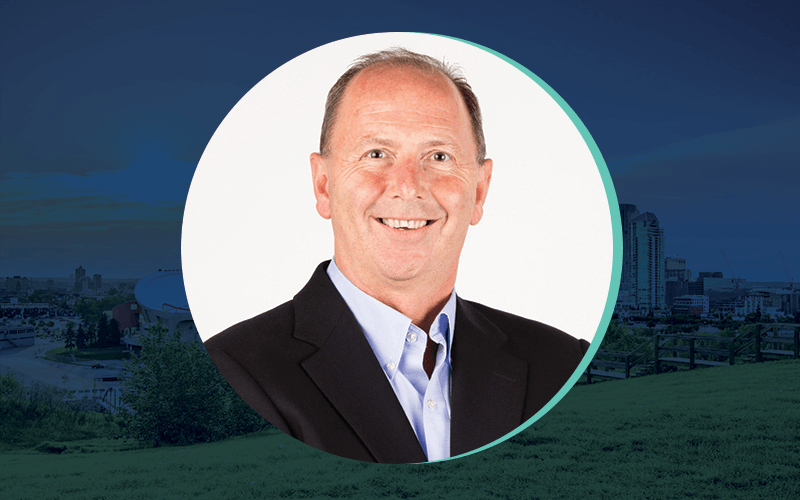
Louis Stack is President and Founder of Fitterfirst, a Calgary-based company leading the world to better balance with a wide selection...
Key takeaways
- Being too early with innovative ideas can be challenging, so it's important to stay with products long enough to capitalize on them when the market catches up.
- Hire slowly and fire fast—if something or someone isn't working, cut your losses quickly and move on to what is working.
- Passion and strong belief in what you pursue are essential for long-term entrepreneurial success and taking the necessary risks.
- Stand up and move every 30 minutes to maintain a good relationship with gravity and age gracefully, as sitting for extended periods takes a toll on your health.
- Cross-pollinating ideas from one industry into others can create unique opportunities by seeing broader applications that others might miss.
Transcript
Full transcript page · Interactive episode
============================================================
TRANSCRIPTION WITH SPEAKERS
============================================================

[00:00] SPEAKER_01: It's Calgary's Podcast on the Canada's Podcast Network.
[00:14] SPEAKER_01: Hello, this is Mario Tonigüzi coming to you today with Calgary's Podcast, a member
[00:20] SPEAKER_01: of Canada's Podcast Network, where we talk to the entrepreneurs who are making it happen
[00:25] SPEAKER_01: here in Calgary, Alberta, so you can listen, discover and engage.
[00:31] SPEAKER_01: Today's guest is Lewis Stack, who is president and founder of Fetter First, an exercise equipment
[00:37] SPEAKER_01: company in Calgary.
[00:39] SPEAKER_01: Welcome to the show Lewis and thanks for taking the time to be here for our listeners.
[00:43] SPEAKER_00: Thanks, Mario.
[00:44] SPEAKER_00: Nice to be here.
[00:45] SPEAKER_01: Okay, let's start off by just telling me what is Fetter First?
[00:49] SPEAKER_00: Well, Mario, it's really started in 1985 when I formed the company on a $3,000 loan after
[00:54] SPEAKER_00: having double foot and knee surgery, and I'd actually lost my balance.
[00:59] SPEAKER_00: It was a tough time in Calgary.
[01:01] SPEAKER_00: We had a particular environmental time in this Alberta back in 1985, and there wasn't
[01:07] SPEAKER_00: a lot of work for a young kid like myself and I was on crutches.
[01:10] SPEAKER_00: And I'd lost my balance from this foot surgery and developed a product called the Profiter,
[01:14] SPEAKER_00: which is like a lateral cross-training ski machine and built two with my help, my brother,
[01:19] SPEAKER_00: and started showing around the physical therapists and actually taught Brooker and Nancy
[01:24] SPEAKER_00: Green my first two customers.
[01:26] SPEAKER_00: And I said, the can read invitation at Lake Louise, Alberta, and they both bought one, and
[01:32] SPEAKER_00: I said, I'm going to quit my job and start building these sinks and decide to try to make
[01:35] SPEAKER_00: a living out of it.
[01:36] SPEAKER_01: So what kind of products do you sell these days?
[01:40] SPEAKER_00: We brought a lot of different products to the market, balance boards.
[01:44] SPEAKER_00: We brought fitness balls into Canada.
[01:47] SPEAKER_00: We do something, you know, we originally brought Bosu into North America, we're in the
[01:50] SPEAKER_00: first dealer for Bosu, TRX, and other product people know of that we were the first
[01:54] SPEAKER_00: distributor.
[01:55] SPEAKER_00: We manufacture a lot of balancing products and wellness products, you know, flat banding,
[02:00] SPEAKER_00: tubing, foam rolls or another product we kind of introduced into Canada.
[02:04] SPEAKER_00: We do a wide variety of products that are used in what we call Sam, instability, agility
[02:10] SPEAKER_00: and mobility.
[02:12] SPEAKER_00: And we kind of had four pillars in our company.
[02:15] SPEAKER_00: We work on injury and rehabilitation, athletics and training, family wellness, and active
[02:21] SPEAKER_00: office.
[02:22] SPEAKER_00: So things that suit those four areas.
[02:25] SPEAKER_01: Okay, you've been in business in Calgary.
[02:28] SPEAKER_01: Tell me what do you think is the main benefits of being a business in Calgary these days?
[02:35] SPEAKER_01: Or just doing business in Calgary?
[02:38] SPEAKER_00: Main benefits?
[02:40] SPEAKER_00: Yeah.
[02:41] SPEAKER_00: That's a stretch.
[02:42] SPEAKER_00: No, no, Calgary is an awesome city.
[02:45] SPEAKER_00: I've traveled the world.
[02:46] SPEAKER_00: I spent five years racing, World Cup ski racing on the National Speed Team, Speed
[02:52] SPEAKER_00: Boys tell people all over the world, I've done over 1,100 shows worldwide that I love
[02:57] SPEAKER_00: being in Calgary.
[02:58] SPEAKER_00: You know, my number one reason for being here is I can drive 40 minutes to the Rocky
[03:02] SPEAKER_00: Mountains West.
[03:04] SPEAKER_00: So our quality of living here is second to none.
[03:06] SPEAKER_00: As I said, I've traveled the world extensively.
[03:09] SPEAKER_00: I love coming home because of the quality of living, the quality of people here.
[03:13] SPEAKER_00: We are blessed to live in Alberta with some very, very fine, fine entrepreneurial, free spirited
[03:20] SPEAKER_00: people that love the prairies, they love being free spirits.
[03:25] SPEAKER_00: We are an entrepreneurial nature people here.
[03:28] SPEAKER_00: We're not a bureaucratically inclined group of folk.
[03:32] SPEAKER_00: We'd like to break trail and go our own way and do our own thing.
[03:37] SPEAKER_00: I personally have very much a trailblazer and I go my own path.
[03:41] SPEAKER_00: And that is what makes Alberta and people of the kind of the Rocky Mountain region special.
[03:47] SPEAKER_00: We're not afraid to go try new and different things.
[03:51] SPEAKER_00: Sometimes the policies aren't very good, but that's okay.
[03:54] SPEAKER_01: Well, that's what I was going to ask you next is what are the challenges and the not so good
[03:59] SPEAKER_01: things of being a business owner in Calgary right now?
[04:04] SPEAKER_00: Well, I think we kind of all know the answer to that.
[04:07] SPEAKER_00: We're a little bit narrow-minded sometimes with our addiction or our habit to stay very
[04:13] SPEAKER_00: dependent to our natural resources.
[04:16] SPEAKER_00: Understandably, I get that between the farming and ranching industry, the natural resource
[04:22] SPEAKER_00: industry.
[04:24] SPEAKER_00: I've always been in my own industry, you know, in the balance business.
[04:26] SPEAKER_00: There wasn't a lot of people in the balance business, but in the world of ziggying, I was
[04:30] SPEAKER_00: zagging.
[04:31] SPEAKER_00: So I've always been doing my own thing.
[04:32] SPEAKER_00: I've always believed strongly that I wish Perry region would work more on being an energy
[04:39] SPEAKER_00: focused region, not just an oil and gas focused region.
[04:43] SPEAKER_00: And we've had many, many years to work that way.
[04:45] SPEAKER_00: And we still kind of stuck focused on oil and gas.
[04:48] SPEAKER_00: And I really just kind of wish we had a bigger vision to focus on energy, whether it be sun,
[04:52] SPEAKER_00: solar, wind, oil and gas or every other kind of energy.
[04:56] SPEAKER_00: We should be leading the world there.
[04:58] SPEAKER_00: And it seems like we're a little bit behind the fall now trying to do that.
[05:02] SPEAKER_01: What is your vision, I guess, for the company as you look down the road?
[05:09] SPEAKER_00: Well, you know, Mario, people always ask me, how is business?
[05:12] SPEAKER_00: And, you know, it's not great right now.
[05:13] SPEAKER_00: It's not bad, but the reality is time is ticking and gravity is pulling us all down.
[05:18] SPEAKER_00: And I like the answer that you know Napoleon and Caesar had the same forces of gravity on
[05:22] SPEAKER_00: them that you and I have right now.
[05:25] SPEAKER_00: So the variables in our product or in my business, if you will, the balance business has
[05:29] SPEAKER_00: not changed a lot in less 10,000 years.
[05:32] SPEAKER_00: And now I hear talk and we hear a lot of talk of Amazon and the space station in 2024
[05:37] SPEAKER_00: on the moon.
[05:39] SPEAKER_00: Well, there's some very interesting changes coming our way because we're now all
[05:43] SPEAKER_00: sudden realizing that gravity is in fact a potential variable for us all.
[05:48] SPEAKER_00: And if we're going to live on the moon or have a space station there,
[05:51] SPEAKER_00: there is going to be changes in how we work with gravity.
[05:54] SPEAKER_00: And the medical and the exercise industry is starting to realize that just like we can
[05:59] SPEAKER_00: turn the volume up and down on our headsets, there is interest now in turning the volume
[06:04] SPEAKER_00: up and down on the forces of gravity or the G's as they're known.
[06:08] SPEAKER_00: NASA has been doing this for many years as they help astronauts recover as they come
[06:12] SPEAKER_00: back from outer space to re-acclimate high to earth at 1G.
[06:17] SPEAKER_00: And we're now doing some experiments with playing with gravity at more than 1G.
[06:21] SPEAKER_00: In fact, less the 1G, which is on the moon.
[06:25] SPEAKER_00: And it's affecting how humans age and how we respond to the forces of gravity in time.
[06:30] SPEAKER_00: So there's a whole new toolbox coming our way about playing with the way we age and the way
[06:37] SPEAKER_00: we respond to the forces of gravity. But the reality is we're all aging and we all want to do
[06:43] SPEAKER_00: it gracefully. And my company, Fitner First, is leading the world to better balance as we have
[06:47] SPEAKER_00: been for 35 years. People have learned to brush your teeth and wear a seat belt religiously every day.
[06:52] SPEAKER_00: We're trying to help them learn to have active offices and move in harmony with gravity
[06:58] SPEAKER_00: frequently every day so the age is gracefully as possible.
[07:03] SPEAKER_01: You know, when you look at things in terms of ideas for your company and where do these things
[07:10] SPEAKER_01: come from? You know, in your mind, like, do you get ideas sitting around your office?
[07:18] SPEAKER_01: Or do you get ideas sitting on top of some of, or being on top of some of your equipment?
[07:24] SPEAKER_01: Or as you say, you like the hike and it'd be a trailblazer.
[07:26] SPEAKER_01: Where do ideas form in your mind for the business?
[07:31] SPEAKER_00: Well, really because I'm a bit of an adventurer, I do like the mountains and I go hiking,
[07:35] SPEAKER_00: but I hate to say sleeping is where I have some really good ideas.
[07:40] SPEAKER_00: But because I've gone to roughly 1100 trade shows worldwide, like last year I made a very specific
[07:46] SPEAKER_00: effort to go to CES, the Consumer Electronics Show. It's one of the biggest shows in the world.
[07:52] SPEAKER_00: And I walked every ounce of that show and when I was in Chicago after five years ago,
[07:57] SPEAKER_00: after major injury had gone through surgery, I wasn't in any condition to be traveling,
[08:02] SPEAKER_00: but I wanted to go to the Nealcom show. Places like Smed goes down there with his company dirt
[08:07] SPEAKER_00: and with his various different things. But it's the world's biggest leading office furniture show,
[08:13] SPEAKER_00: but I had an idea for active office and I wanted to learn that industry. So I went and walked that show.
[08:17] SPEAKER_00: That's where I learned about Veridesk and that's where we became affiliates working together.
[08:22] SPEAKER_00: We started a whole new category called the Desktop or Veridesk Standing Desk Solution,
[08:28] SPEAKER_00: which created a worldwide phenomenon along with the guys, our friends from Dallas, Texas,
[08:34] SPEAKER_00: changing the world with those guys. I go to shows and I look for ideas. I consider myself a product
[08:40] SPEAKER_00: expert and I have the foresight, I guess, to go into various different industry shows and see
[08:47] SPEAKER_00: something that's used in one industry and I see the ability to cross-pollinate it into four or
[08:53] SPEAKER_00: five other industries and take one idea and shape it and use it in a much broader way in other
[08:59] SPEAKER_00: industries. I've been doing that for many, many years. So I listen to the experts in sub-sectors
[09:05] SPEAKER_00: and then take those ideas and try to expand them into broader applications. And that's really
[09:09] SPEAKER_01: become my niche. Okay, being in business for such a long time, what would you consider that's been
[09:17] SPEAKER_01: your, I guess, greatest challenge in business and in operating a business? You know, I've been told
[09:24] SPEAKER_00: this often and I think it's very true. I'm often far too early. I see opportunities of things that
[09:31] SPEAKER_00: are often, I'm so early at the vision or the idea of this thing that comes my way that other people
[09:39] SPEAKER_00: come and look, I had to describe something the other day. I kind of in Henry Ford and his brothers
[09:44] SPEAKER_00: and the Wright brothers were building the first car people would ride in on their horses and look and
[09:47] SPEAKER_00: go, wow, isn't that something? And then right away on the horse, I go, wonder why in the world you
[09:52] SPEAKER_00: want to do that? They just didn't see why you'd want to build that. You know, they didn't understand
[09:57] SPEAKER_00: it and they just said, well, my horse seems to work pretty good. Why would I want something else?
[10:01] SPEAKER_00: And I've Steve Jobs is that way, many people are that way. They see something before society
[10:06] SPEAKER_00: understands the need for it and I, I've often went to the first profiter. You know, a lot of people
[10:12] SPEAKER_00: both will often say what a silly idea that is. For many years at trade shows, the fitness industry
[10:17] SPEAKER_00: thought I was utterly crazy. I was 10 years early with that product for the fitness industry and then
[10:21] SPEAKER_00: something happened called the functional fitness revolution. That started 10 years after I was
[10:27] SPEAKER_00: already promoting functional fitness to that industry. So it's happened time and time again to me.
[10:31] SPEAKER_01: Now, knowing what you know now, would you have changed anything when you first started up the company?
[10:40] SPEAKER_00: I guess the trick is really staying with products long enough to capitalize on them. Another
[10:46] SPEAKER_00: funny little one is the five finger shoes or the barefoot shoe technology. We were the first
[10:51] SPEAKER_00: people to ever bring that barefoot shoes into Canada at least. We wanted to wear them. Those
[10:57] SPEAKER_00: are funny little barefoot finger toes. No one sold them. My son had them at God,
[11:02] SPEAKER_00: them at OR and we bought a bunch of pairs of them. We loved them. They're great for our products.
[11:07] SPEAKER_00: So we ended up having to sell them because no one carried them. So we had them in our stores for
[11:11] SPEAKER_00: five years and all the therapists and a lot of athletes loved them. They finally became mainstream,
[11:18] SPEAKER_00: like literally six to seven years after we started carrying them and we stopped carrying them because
[11:23] SPEAKER_00: they finally became mainstream. So we tend to be early adopters of ideas and then by the time
[11:28] SPEAKER_00: we become mainstream, we tend to step out of it. And I guess sometimes it'd be nice to be able to
[11:33] SPEAKER_01: capitalize on the mainstreaming process, if you will. Yeah, okay then. What's the best piece of advice
[11:40] SPEAKER_00: you've ever received about being an entrepreneur? Well, it's good to make money. Who told you that?
[11:50] SPEAKER_00: No, I mean, I've always been very passionate about it. If you're not really passionate about something
[11:55] SPEAKER_00: you're doing, it's very hard to put your life and soul into it. I think really the reality is
[12:02] SPEAKER_00: higher, slow and fire fast. If something's not working, wash your hands, get out of it quickly
[12:10] SPEAKER_00: and move on to what is working. It's too easy to sometimes stick with people or things
[12:16] SPEAKER_00: that just aren't right and aren't working and you really have to know when to cut your losses.
[12:22] SPEAKER_00: And I've hung on to a lot of things that took 10 years before they worked. So you know,
[12:28] SPEAKER_00: they can always use that logic on everything, but getting the right people, doing the right job
[12:33] SPEAKER_01: is so important. Good to switch gears a bit here and ask you some more kind of personal type
[12:39] SPEAKER_01: questions. Everybody these days seems to have like a quote unquote bucket list. Do you have one
[12:46] SPEAKER_01: and just wondering what might be a top-your bucket list? Well, it's funny. My wife and myself took
[12:53] SPEAKER_00: a trip to Cuba in the spring for a 25th anniversary and I always wanted to go to Cuba and that was
[13:01] SPEAKER_00: very, very interesting to go see the old cars. And as we learned, as we pulled in the harbor and
[13:06] SPEAKER_00: the cruise ship, they look good from far, but they're far from good. I'm a little car guy,
[13:13] SPEAKER_00: so I appreciated that. But you know, I love the travel and seeing places and I don't have a
[13:20] SPEAKER_00: formal bucket list that I've written out, but there's certainly things that I want to do. Like
[13:25] SPEAKER_00: kite surfing is very high on my list of things to achieve. I love racing cars. I don't own a race
[13:32] SPEAKER_00: car, but a driving lap that Laguna Seca is extremely high on my list and also spa in Belgium. It's
[13:40] SPEAKER_00: a F1 race. I strongly desire to go watch the Monterey Automobile Festival. It'd be another
[13:48] SPEAKER_00: thing that's very high on my list of things to be part of. Oh, well, cool. If you weren't doing what
[13:54] SPEAKER_01: you're doing now, what do you think you would have picked or would pick as a second career
[14:01] SPEAKER_00: or as an option to what you're doing? In the area, I can believe, so in born in October,
[14:07] SPEAKER_00: I've always had a balance disorder and I have and I've always had a balance affliction. I've
[14:14] SPEAKER_00: loved balance and I play balance games and I've always just loved things that tied into balance.
[14:19] SPEAKER_00: I didn't understand why, but then I found out I had a bit of a balance disorder. So I like
[14:23] SPEAKER_00: challenging myself. You know, I did five years of the World Cup speed skiing circuit. I did lose.
[14:28] SPEAKER_00: I love speed. Obviously, it has my interest in kite surfing and I love the ski. I do enjoy
[14:36] SPEAKER_00: professional speaking. So getting on stages and talking in front of large groups of people
[14:41] SPEAKER_00: about motivational presentations, I've done a lot of that. I was out for a major surgery a couple
[14:47] SPEAKER_00: years ago to do a sleep apnea. So learning to speak again was a bit of a challenge.
[14:52] SPEAKER_00: You just sort of take for granted your ability to eat and breathe and talk and I've had to
[14:58] SPEAKER_00: relearn some of those things, which has been a bit challenging. But I would suggest things that
[15:03] SPEAKER_00: involve traveling, educating, speaking to groups and going really fast. I'm curious, right? I
[15:09] SPEAKER_01: curious, where did this kind of fascination for speed come from? Yeah, I do a lot of road biking
[15:16] SPEAKER_00: and I out climb hills very well, but I certainly don't use breaks on the way down. I was built to go
[15:23] SPEAKER_00: fast. When I started speed skiing, I was naturally good at it. I love downhill ski. I've never hesitated
[15:30] SPEAKER_01: to want to go fast, whatever I'm doing. A lot of people these days don't read anymore. I'm just
[15:38] SPEAKER_00: wanting to read like bucks. Yes, I do. I actually just recently finished taking a mind-velly speed
[15:44] SPEAKER_00: reading course to improve my reading. I was never a fast reader. I made a point of reading almost
[15:51] SPEAKER_00: every morning and I recently did a 21-day intensive speed reading course to improve my reading.
[15:57] SPEAKER_00: I make a point of trying to make sure I read almost every morning and I also journal every morning,
[16:03] SPEAKER_00: not every morning, but most mornings I journal. What kind of books do you like reading?
[16:07] SPEAKER_00: I like reading autobiographies a lot. I really quite enjoy autobiographies. You know,
[16:12] SPEAKER_00: historical stories about people basically fascinating entrepreneurs, fascinating politicians.
[16:18] SPEAKER_00: People that have made a dent in the universe. I love Steve Jobs book. I didn't necessarily love
[16:23] SPEAKER_00: Steve Jobs, for say, we've got a jerk in some ways, but I just, I love people are willing to go out
[16:29] SPEAKER_00: on an limb and willing to try to make the world different. I just read Jeff Bezos book,
[16:36] SPEAKER_00: his Amazon from 1995 to 2014. That was actually I listened to it. I was in a car. I had to go
[16:42] SPEAKER_00: clotted in back last week. So I listened to that, but I really enjoyed that kind of educational
[16:49] SPEAKER_01: story. Okay. If you had one word to describe yourself, what would it be and why? I would have to
[16:56] SPEAKER_00: say passionate. I'm very, very high level integrity. I believe strongly in what I pursue in my life,
[17:03] SPEAKER_00: and I'm always looking to make the world a better place. Now, we're creatures of habit in many ways.
[17:12] SPEAKER_01: Are you have a daily routine that you follow all the time? Probably pretty close. I wouldn't
[17:18] SPEAKER_00: say I'm a creature habit, but yeah, I'm not pretty early most days, and I've been making a habit of
[17:23] SPEAKER_00: trying to do some reading every morning. I certainly have my morning coffee.
[17:29] SPEAKER_00: You're here. And it's almost always black. Yeah, mine too. You know, I used to ski about 40 to
[17:36] SPEAKER_00: 50 times a year. I haven't been doing as much due to a few knee complications, but I tend to
[17:41] SPEAKER_00: want to get cycling or skiing or get out and do some physical activity quite often. I like
[17:45] SPEAKER_00: working on my old car when I can. And I just stay pretty active. I'm usually on the move.
[17:50] SPEAKER_01: So you have obviously you have a lot of interest and passion for sports. What do you think you learn
[17:59] SPEAKER_01: from sports that help you in the business world and being an entrepreneur? I think it's persistence,
[18:07] SPEAKER_00: you know, focus and passion really all three of those. You've got to really be focused on what
[18:13] SPEAKER_00: you're doing. You really, you know, in sport, if you're not passionate about it, you're not going to
[18:18] SPEAKER_00: take the risks associated with success in sport. You really got to believe in what you're doing.
[18:22] SPEAKER_00: Like anything else, 10,000 times, a speed skiing was a very interesting thing. So it was loose.
[18:27] SPEAKER_00: You don't you go, don't go into a speed run halfway. When you're in a loose track, you're in a
[18:33] SPEAKER_00: loose track, you know, you don't say, I think I'll just stop now. You're going the whole way.
[18:37] SPEAKER_01: I know that well. I did one one year years ago, I was in the four man Bob sled,
[18:43] SPEAKER_01: where it was a media event where they had they had the whatever you call the the guy at the front,
[18:49] SPEAKER_01: the guy at the end and two of us in the middle of you nothing right. Most terrifying experience
[18:54] SPEAKER_01: I've ever had in my life. So speed is great, but it can also be terrifying. Yeah,
[19:01] SPEAKER_00: we did the Grand Canyon on rafts pad where we're paddling and we also had some paddle boards and
[19:06] SPEAKER_00: up behind me just up here. My son was with us and we took pictures. I was paddle boarding down
[19:11] SPEAKER_00: the Grand Canyon and this part's going through Rapids where it was like the loose like a Bob sled
[19:16] SPEAKER_00: track. You once you get into that water on a paddle board, you're not doing anything about
[19:21] SPEAKER_01: paddling like hell because you're not turning around. No, no, you're just waiting for it to finally end.
[19:28] SPEAKER_00: Yeah, that's what Lucia is like that for sure. I love it. I think it was an awesome
[19:32] SPEAKER_01: and you have to come in. I'm going to present a scenario to you, Lewis. Just imagine a small
[19:40] SPEAKER_01: beautiful tropical island in the middle of the ocean with only one foam booth and no technology,
[19:46] SPEAKER_01: no internet. We're going to drop you off there and anytime you can use the one foam booth that is
[19:53] SPEAKER_01: on the island to call us and we'll come pick you up. How long do you think you would last before
[19:59] SPEAKER_01: making that foam call? And what do you think you've been doing until you made that foam call?
[20:05] SPEAKER_00: I would last pretty long. I mean, I wouldn't worry about finding food and stuff. I assume I can
[20:10] SPEAKER_00: keep myself alive for a long time. That's not usually a problem. And if there's waves and
[20:15] SPEAKER_00: there's sand, I'm going to be pretty happy guy. I'd figure out something to float on. I love the
[20:19] SPEAKER_00: water and I love finding things to go. I can paddle board and play on waves and water for days on end.
[20:29] SPEAKER_00: I can make myself busy forever on an ocean. What's the point of the foam booth, sorry?
[20:36] SPEAKER_00: I guess you're not making that foam call. I need to see my oil. I see oil. I know why. I'd
[20:47] SPEAKER_00: go. I wouldn't be a huge hurry unless I needed food or water or something like that. To me,
[20:52] SPEAKER_00: that would be heaven. Excellent. Is there anything you'd like to add, Lewis, before you leave us today?
[20:59] SPEAKER_00: Well, I like to show this with everybody that people always say, well, I wonder what I should do to
[21:02] SPEAKER_00: make my life a little better every day. And I think the answer is, there's a book called Sitting
[21:07] SPEAKER_00: Kills and Moving Heels. The point, like I said earlier about brushing teeth and wearing a
[21:11] SPEAKER_00: teeth out, we've learned to do those things. In life, our objective is humans is to age gracefully.
[21:16] SPEAKER_00: And if we want to do that successfully, we need to move frequently. And all the research says,
[21:21] SPEAKER_00: move every half an hour. That means standing up. You have to stand if you're going to move. I've
[21:26] SPEAKER_00: been standing this whole time. You've seen me moving a little bit. You've got to keep your head on
[21:30] SPEAKER_00: your shoulders and move frequently. So keep a good relationship with gravity each and every day,
[21:36] SPEAKER_00: every 30 minutes. If you're not standing up, you're paying a price. You're basically telling time and
[21:40] SPEAKER_00: gravity, I ain't going to let you win right now. And every time you do that, you have to understand
[21:45] SPEAKER_00: time and gravity is going to win. You want to win every hand along the way. For everybody, if you're
[21:51] SPEAKER_00: in doubt, what you should do next, that's good for your health, stand up with your head on your
[21:55] SPEAKER_00: shoulders, breathe for one minute and let your body just recalibrate. It's the most valuable thing a
[22:01] SPEAKER_00: person can do. And the more times they do it in a day, the healthier they'll become. It's the most
[22:06] SPEAKER_00: single important thing we can do as human beings. Okay, thanks for joining us today, Lewis.
[22:12] SPEAKER_00: My pleasure. I always say balance is the essence of movement and movement is the essence of life.
[22:18] SPEAKER_01: Hey there, thanks for taking the time today to listen to Calgary's podcast on Canada's podcast
[22:25] SPEAKER_01: network. We hope you enjoyed the show today. Make sure you sign up for our newsletters and write a
[22:32] SPEAKER_01: review for us on iTunes and then connect with us on Twitter, Facebook, Instagram, LinkedIn at
[22:38] SPEAKER_01: Canada's podcast. You can also check out what other entrepreneurs are doing across the country.
[22:45] SPEAKER_01: See you next time.