
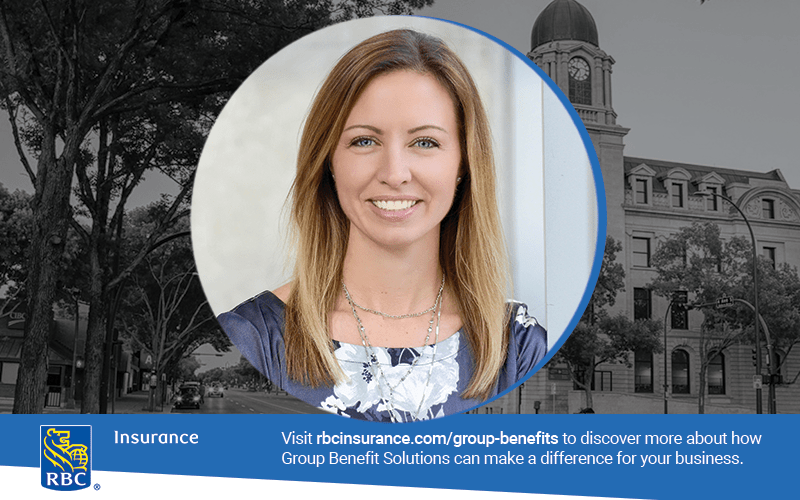
Julie Gaudry discusses how to attract talent and keep employees happy with RBC Insurance’s Group Benefit Solutions
Episode
Julie Gaudry leads a team with overall responsibility for the product development and strategic direction for RBC Insurance’s Group...
Key takeaways
- Mental health has evolved from a stigmatized topic to a central workplace conversation, now representing one of the top reasons employees go on disability, making proactive support and open discussion essential for any organization.
- Group benefits have transformed beyond simple claim processing to include comprehensive wellness programs, virtual care options, and self-directed mental health tools like cognitive behavioral therapy modules that meet employees where they are.
- Smaller and medium-sized businesses are now competing for talent by offering the same level of benefits and wellness support that were once exclusive to large corporations, making robust group benefits a competitive necessity rather than a nice-to-have.
- The pandemic accelerated the adoption of virtually delivered healthcare across all types of providers, permanently changing how employees access care and creating more flexible, accessible options for mental and physical health support.
- Employers benefit most when insurance providers support both employees and managers simultaneously, offering manager training on mental health recognition and referrals alongside employee wellness resources, especially for smaller businesses where staff wear multiple hats.
Transcript
Full transcript page · Interactive episode
============================================================
TRANSCRIPTION WITH SPEAKERS
============================================================

[00:01] SPEAKER_02: Today's podcast is sponsored by RBC Insurance.
[00:04] SPEAKER_02: RBC Insurance, we believe that employers play a central role in supporting the health and
[00:11] SPEAKER_02: wellness of Canadians.
[00:12] SPEAKER_02: We're here to help.
[00:14] SPEAKER_02: Go to rbcinsurance.com slash group-benefits.
[00:20] SPEAKER_02: Welcome to Canada's podcast, the number one podcast for entrepreneurs by entrepreneurs.
[00:28] SPEAKER_01: Hi, welcome to Canada's podcast.
[00:31] SPEAKER_01: I'm your host, Celine Williams.
[00:32] SPEAKER_01: And today I'm joined by Julie Godry, who is the head of group benefits at RBC Insurance.
[00:38] SPEAKER_01: And who has a fascinating story of how she got into the insurance game.
[00:43] SPEAKER_01: So Julie, welcome to Canada's podcast.
[00:47] SPEAKER_01: Thanks for having me, Celine.
[00:48] SPEAKER_00: It's a pleasure.
[00:50] SPEAKER_00: So, yeah, I do have an interesting background.
[00:53] SPEAKER_00: Often people wonder how somebody with my background ended up in insurance because prior to joining
[00:58] SPEAKER_00: RBC, I was practicing car practice for about five years or so.
[01:03] SPEAKER_00: And one might wonder how you go from clinical practice into working for a really large bank.
[01:09] SPEAKER_00: But at the time, I was really, really passionate in terms of my patient care.
[01:14] SPEAKER_00: The piece I loved the most was the health promotion piece.
[01:16] SPEAKER_00: So the advice I was giving my patients on how they could lead a healthier lifestyle to improve their health.
[01:21] SPEAKER_00: And honestly, probably need me less.
[01:24] SPEAKER_00: And so that was the piece I really was passionate about in my work.
[01:28] SPEAKER_00: And so around mid 2000s or so, I started thinking about, how can I focus that my career in that direction more so?
[01:36] SPEAKER_00: And around that time, RBC was one of those leading employers that was thinking about employee wellness when a lot of companies weren't yet.
[01:44] SPEAKER_00: And so I was hired specifically to develop and launch our employee wellness strategy at RBC.
[01:50] SPEAKER_00: And had the fortunate position of now, instead of counseling one on one, five patients, I could do that for all of our employees at RBC.
[01:58] SPEAKER_00: And so spent quite a bit of time doing that there in human resources responsible for our wellness and our group benefits for employees.
[02:05] SPEAKER_00: And then in about 2014, I made the move from RBC over to RBC insurance to lead our group benefits business, which is what I do now.
[02:14] SPEAKER_00: So now I'm getting the opportunity to not only, you know, continue to support groups of people, but we're encouraging employers to bring all of our products and services to help their employees lead a healthy lifestyle.
[02:26] SPEAKER_00: So getting to affect many, many Canadians with the products and services we make available.
[02:30] SPEAKER_01: I love the focus on the impact, right? It's the it's that one to many kind of impact that you clearly have now. And that's pretty amazing.
[02:39] SPEAKER_01: Yeah, it's great. Very rewarding for sure.
[02:41] SPEAKER_01: I bet. I'm curious. And my guess is that our listeners and viewers, some of them may not understand or know what a wellness program is that you mentioned or what I, you know, how that relates to group benefits or if it does or what that is.
[02:56] SPEAKER_01: And I'd love if you could explain that a little bit for those that are thinking, I don't know that I necessarily know what that's.
[03:03] SPEAKER_00: Yeah, sometimes people aren't sure even, you know, the nature of the insurance we provide. And so I often tell people, well, well, if you work for an employer that provides group benefits, that's that coverage you have when you go to the dentist or go to see a massage therapist or if you ended up unwell enough to not work and had disability coverage, that's what group benefits is.
[03:22] SPEAKER_00: So that's the product that we sell employers to make available to their employees to support them for their health care claims costs.
[03:29] SPEAKER_00: But related to that, you know, employers and the group benefits providers that support them over the years have increased our focus on what else can we do beyond just make it easy for you to submit a claim.
[03:40] SPEAKER_00: What can we do to proactively help you lead a healthy lifestyle or if you end up unwell, how can we support your recovery.
[03:49] SPEAKER_00: So it goes beyond just paying claims and helping people lead a healthy lifestyle, whether that's making it easier for them to access care, making programs and services available that they actually can follow along in terms of healthy living advice.
[04:04] SPEAKER_00: And so there's a variety of things we do beyond sort of the traditional role of group benefits.
[04:09] SPEAKER_01: And are those wellness programs and forgive my ignorance if this is an obvious question, but are they sort of part and parcel of group benefits or are they like the add on or, you know, I have no idea how it works.
[04:21] SPEAKER_00: Well, well, that's evolved too over the years. So, you know, I think when I joined RBC in 2006, I mean, wellness was certainly not something all employers were doing and it definitely was not included in your group benefits.
[04:33] SPEAKER_00: So, you know, that was just not the way we still had to sell the idea of wellness back then to companies.
[04:42] SPEAKER_00: And nowadays wellness is no longer that nice to have. It's that need to have right. So employers, they have a vested interest of course in their employees being healthy, happy and productive.
[04:53] SPEAKER_00: And so they want to make programs available to support an employee's health and are more likely to be engaged and productive with your employee with your with your work.
[05:02] SPEAKER_00: So employers are looking for an easy way to support their employees health and well-being. And that's the role that we play as group benefits carriers. And in terms of whether it's included or not, I mean, not too long ago, it wasn't.
[05:14] SPEAKER_00: It was something that employers had to to buy. And definitely there are some services that employers will choose to purchase and invest in their employees health and well-being.
[05:23] SPEAKER_00: And then there are other aspects that we isn't ensures include in the cost of group benefits because we know that it's just become in need to have in terms of the products and services we bring to our clients.
[05:34] SPEAKER_01: It's really interesting because it sounds like there's been a very distinct evolution from what you're saying and my minimal knowledge inside the group benefits industry.
[05:44] SPEAKER_01: And I recognize maybe you can't speak on the behalf of the whole industry, but it sounds like you're experiencing these trends and changes. And this is one of them.
[05:53] SPEAKER_01: Are there any others that you've seen or are there any other kind of trends that maybe you're seeing are coming as well.
[06:00] SPEAKER_00: Yeah, I think one of the other biggest trends or topics that has gone from a little bit of discussion to a key area of discussion over the years has been around mental health.
[06:12] SPEAKER_00: So, you know, when I am mental health has been important, obviously, for a very long time. But not that long ago, it wasn't a topic that employers and employees were really comfortable talking about.
[06:23] SPEAKER_00: We certainly didn't talk about it at work, right? We didn't we didn't admit that we needed the rear struggling and needed some help.
[06:29] SPEAKER_00: Employers were nervous about talking about it because how might employees interpret that and what if people end up second off off work.
[06:35] SPEAKER_00: So it just was a subject that had a lot of stigma around it. And while that stigma still exists today to in some capacity, you're seeing now a tremendous growth in terms of people's comfort sharing that they're struggling and needing some support putting up their hand and saying what's available to help me.
[06:52] SPEAKER_00: You're seeing employers talk about mental health and well being way more in the workplace, whether that's having discussions around what it means to promote your mental health or speaking openly about the mental illnesses that people face and how people can get the help they need to recover.
[07:10] SPEAKER_00: So it's a topic that has grown. It's always been important, but it's grown in prevalence in terms of how much we're hearing about it and also the role we play as employers and as group benefits providers in supporting employee mental health.
[07:26] SPEAKER_00: So that's been a huge evolution as well in terms of comfort, understanding of the importance and sort of the obligation to do something about it because how much people are struggling.
[07:37] SPEAKER_01: It's really interesting because while I haven't worked in like a full-time corporate job in a while, I did for 11 years and I distinctly remember that that was something that was not spoken about and I worked and you know I did HR coordinator role stuff for it.
[07:52] SPEAKER_01: And it was like theoretically part of what we were talking about, but it wasn't in practice and it was very much sort of under the carpet and I love that it is much more out in the open.
[08:04] SPEAKER_01: And I love that in general in the world we talk about neurodivergence and all these different things now so it allows people to be themselves right and there's other authors and psychologists and people getting more and becoming more and more prominent talking about this.
[08:19] SPEAKER_01: So I think it's really interesting to hear how and what the changes are inside the world of group benefits and how it's showing up there as well.
[08:32] SPEAKER_00: Yeah, I mean group benefits, mental health, so depression, anxiety and other mental illnesses.
[08:37] SPEAKER_00: I mean we all know right we've all heard the stats that one in five people will be impacted either personally or through someone that they know over their over their lifetime.
[08:46] SPEAKER_00: And as a group benefits provider and as an employer you're aware of that for a variety of reasons.
[08:51] SPEAKER_00: I mean one, you know if somebody's at work and struggling their productivity or their ability to deliver on their job maybe negatively impacted.
[09:00] SPEAKER_00: If they've unfortunately become so unwell that they're not at work, you know it's one of the top reasons why people are on disability is for mental health related claims.
[09:10] SPEAKER_00: So it's really important in a big area of focus for employers and insurers that support them.
[09:17] SPEAKER_01: I did not know what that what you just said. I did not know that fact that it's one of the biggest reasons that people are on disability.
[09:24] SPEAKER_01: I think that's really important to highlight as you know as we're talking about the changes in the industry what's happening is that by including mental health by having this be part of the conversation that the impact is that you will enable people to not have to take that or take it less or and it's not about them right them feeling healthy.
[09:45] SPEAKER_01: They don't have to take that step back.
[09:47] SPEAKER_00: That's right and knowing knowing where to turn I mean of course we'd all love as employers as employees to to prevent all illnesses that end up people and of course you know the likelihood to do that is you know ambitious perhaps but you know what can we do we can certainly make people more aware of well for one as employer first we can say okay do I have supports in place right and that's where the insurer comes in you know working together with the employer to see what can you do to make things available and support them.
[10:17] SPEAKER_00: We're available to those employees and then as employees right we need to know about them we need to actually reach out and use those services so you know there's been a lot of change over the years in terms of not just speaking about the issues but also the nature of the support that's provided you know I mean back in the day the only support we might have provided an employer might say well I have an employee assistance program and that is super important and we make that included in all of our group benefits as well to our clients because it's that spot that people can pick up the phone.
[10:46] SPEAKER_00: Whether it's in a crisis type situation and they need counseling or they're thinking more proactively about some of the challenges they're facing but they need more than just that right is it about how much coverage you provide for psychology benefits that too is seen a lot of growth over the years there was a time we didn't provide a lot of that as employers and now you're seeing employers and and our clients are investing in in greater limits in terms of the amount of coverage available on a year for mental health support and then there's other aspects too right a way to get a better job.
[11:16] SPEAKER_00: What else can we do can we provide self directed online tools that people can use at their leisure to address some of the challenges they're facing you know so that might be I'm not sure if you're familiar with cognitive behavioral therapy but it's a modality used by many mental health therapists and there's a lot of great CBT type tools out there that we can make available digitally that people can self serve work through you know CBT based modules or challenges to help think about the things that we can do.
[11:49] SPEAKER_00: So there's a lot of additional support that we can make available now then perhaps the traditional which was just you know a small amount of group benefits coverage and a nebulous EAP that nobody knew what it was back and you might call it if you're in crisis it's it's really changed now in terms of what we do.
[12:08] SPEAKER_01: So it's interesting because it's sound and I remember having an EAP and not understand like I remember not understanding what it was exactly or when to use it so it sounds like one communication has around what these are has changed significantly and improved but it also sounds like there's more ways of accessing information more there's a more of a variety of how you do what you do that's going to work for you as an employee probably also as an employer but as a whole.
[12:38] SPEAKER_01: So that's an employee right like if I want to be self directed and do some online courses or watch some videos it sounds like there's more options that would work for me now when then there was when I had an EAP.
[12:49] SPEAKER_00: Absolutely right and listen we still need that traditional employees assistance program type support regardless of who you are you need to sometimes be faced to face with that counselor to work through that traumatic or short term situation you're facing.
[13:03] SPEAKER_00: But it does you're right it provides a ton more support beyond what people think of there's other online articles educational tools self assessments supports for researching you know support that's available in your community so there's lots of lots of ways in which you can leverage a traditional employees assistance program and then to your point what else are we providing so again it's perhaps it's a digitally delivered wellness solution where an employee can through their app they can look up quick.
[13:32] SPEAKER_00: So I think it's a very important thing to do is to work short videos or articles about a topic of interest to them whether it's healthy eating or how to manage a specific stressful situation or how to work physical activity into their daily routine especially now that we're all at home.
[13:46] SPEAKER_00: But you know or they can you know take it a step even further and can they use their benefits coverage perhaps to go the traditional route and go meet with a therapist they need to speak with or if they can't do that because there isn't one close to them or they're not comfortable leaving home because maybe they're in the middle of a pandemic.
[14:04] SPEAKER_00: They can use their phone and they can connect just as we are today and access the care so we're removing a lot of obstacles and recognizing that what's right for one person to help them lead a healthy life sounds very different for someone else so we have to bring a variety of resources available and meet people where they are and help them do what they need to do to get well.
[14:27] SPEAKER_01: I love that I got very excited when you said that because to me that's the most important thing right is you can't force someone to do something that's never going to work for them that's not in line with how they learn that's not in line with where they are right now with their comfort level is so I love that there's this that there are options and it really is about here's a number of ways we can do this you get to choose what's going to work for you in this moment as an employee I think that's so powerful.
[14:56] SPEAKER_00: Yeah absolutely and and having sort of the that recognition from your employer that they recognize that for you that might mean you know taking a walk or run in the morning before work that not only is good for your physical health but for me I'm a runner so I mean I clear my head a lot on my runs and I joke that I've probably saved lots in therapy by by being a runner but you know that's me that's not for everybody right somebody else is going to do that.
[15:26] SPEAKER_00: I want to take a different approach to their physical and not so well being and and yeah we have to make different different approaches available.
[15:35] SPEAKER_02: Through RBC Insurance Group Benefits Solutions business owners and employees have access to a range of flexible solutions including a state of the our wellness program virtual healthcare life disability health and dental insurance and more go to RBC Insurance.com slash group dash benefits.
[15:57] SPEAKER_01: So I'm curious with the you know 2020 being what it was and still sort of is.
[16:05] SPEAKER_01: It's like the number ends was what 2020 apparently is but I'm curious if you saw any trends or changes in how people are access or what they're looking for in these benefits or or how they're being offered or like I mean I'm sure there were my guesses there were quite a few and I'm curious
[16:25] SPEAKER_01: what you saw if you can speak to any of that.
[16:28] SPEAKER_00: Yeah there's definitely a few critical things we saw so and and we're not unique all all benefits carriers where we're seeing this.
[16:35] SPEAKER_00: So I think a few key things happened one you think back to March April and when the public health measures were introduced to help well what we didn't know it was before us and we're all asked to stay home and businesses were closed.
[16:47] SPEAKER_00: So the impact there was twofold one is our clients who are businesses were struggling with the day to day operation of their business and depending on what industry they were in very disrupted and so we had to think differently about how we support them in terms of their ability to continue to provide much needed benefits to their employees.
[17:05] SPEAKER_00: Then there was the impact to the employees themselves all of a sudden they couldn't get to the care that they wanted to get to I mean the clinicians that they were visiting with their offices many of them their offices were closed.
[17:18] SPEAKER_00: So we in the very early days you know we had a few hypotheses if you all that we thought that we're going to have it.
[17:25] SPEAKER_00: We were pretty sure we were going to see a dramatic drop in in claims use in the early days which we did across most claims types not all but definitely all of those claims types that require face to face kind of care so seeing your dentist one of the car practice or giving a massage.
[17:44] SPEAKER_00: Massive drop obviously that happened and hit its lowest point in the early summer months but we also saw others that didn't change so much so for example if we looked at visits to the psychologist or to see a psychotherapist or a social worker.
[18:00] SPEAKER_00: While they are and is prevalent to begin with the drop off that occurred was much less significant and you know we said okay why is that is it because the demand for mental health was obviously there and remained high if not heightened over that period of time that's probably one reason why we didn't see a drop off.
[18:19] SPEAKER_00: The other reason is you know like we're talking about earlier psychologist probably had a much earlier pivot to virtual delivery they were already doing this long before March 2020 it's just the prevalence of video counseling now is much more significant so what we've seen is in the early days you had a lot of practitioners scrambling to figure out how they were going to continue to provide much needed care whether that meant PPE or new public health and physical distancing measures or whether that meant what what part of my.
[18:49] SPEAKER_00: So I think that's a good thing to do is to get a good practice can I pivot to digital and so we saw a tremendous move towards virtually delivered care and I mean we were seeing that move prior to 2020 right the way we get all our goods and services has been moving to online but all of a sudden we were thrust in a new environment where most people were asked to stay home right and certainly if they were had the type of job that didn't allow them to work from home outside of work hours they certainly were home more and they couldn't just go pick up work
[19:18] SPEAKER_00: and go visit the providers they normally to see and so we saw a quick move to virtually delivered care and so you saw group benefits carriers make a lot of announcements ourselves included in 2020 around new or expanded virtual care solutions to support because we recognize people needed it we needed to find a way to get to people where they were in their homes and get them the care that they needed because the care the need we talked about mental health being important.
[19:48] SPEAKER_00: For a long time it was there already now we just knew it was going to be exacerbated and that's something we've been monitoring to is what has the mental health of our of the employees that we support how has that changed over this time our people struggling more you've seen all the headlines we all have right I mean mental health is a is a struggle already but that much more so in 2020 and so we've all sort of rallied to say what else can we do to support people through this really troubling time.
[20:16] SPEAKER_01: So I'm curious and it's you know I want to make a really quick comment it's funny say that because my doctors office my doctors in a hospital and and they send out a couple of you know I've had a few virtual meets and they send out all these surveys like how would you feel of this continues to remain virtual how it how was your zoom consult all of that sort of thing so I think that that even in the more traditional settings of clinic in a in a hospital they're really starting to think that way and so I can see very well what you're talking about.
[20:45] SPEAKER_01: In the shift I'm curious because you mentioned that as an insurance provider incorrect please correct me if I have miss understood what you said but it sounded to me like you said as an insurance provider you've been looking at different ways to support people virtually and provide that virtual support consults whatever it is what does that look like from the insurance provider perspective like if my doctor goes virtual she goes virtual it feels kind of like that's her decision so what is it how is it what does it look like for someone who has one of the
[21:15] SPEAKER_01: programs that includes this now or could include this.
[21:19] SPEAKER_00: Yes so there's a couple angles there one probably the most simplistic one is what types of care can be delivered virtually and do those remain an eligible claim under your
[21:29] SPEAKER_00: benefits plan so as an industry we got there really quick right in terms of I mean all of the healthcare
[21:35] SPEAKER_00: colleges also got there fairly quick in terms of what can and can't be delivered virtually and therefore you know
[21:41] SPEAKER_00: what is going to be covered if you submit a claim so so that I think we got over that hurdle really quick and you know forced to really would we have gotten there as fast as we did
[21:50] SPEAKER_00: in the absence of what happened in 2020 probably not so that's that's one angle the other angle is okay what else so beyond just covering the claim that they have whether they went to go see a psychologist or you know did an emergency consultation with their physiotherapist on an injury that they sustained you know beyond
[22:11] SPEAKER_00: being able to cover those things virtually what else can we do and so you know one of the things we thought about in 2020 was okay we've got it needs from the employee side of things and from the employer right they're struggling to you know imagine now having a manage for many industries certainly not all manage a remote workforce even if your employees are in person you're now managing a workforce that is experiencing something they've never experienced before right so there's fear of getting sick.
[22:41] SPEAKER_00: There's financial uncertainty right as my job stable and look around what's happening around us social isolation right yeah those those aspects are really significant drivers of people's mental health and so now you're managing a workforce that is likely facing all of those challenges what do you do as an employer especially if you're an employer who's working from home.
[23:02] SPEAKER_00: So when we set out to say okay what else can we do we wanted to make sure one that there was support in place for the employees so beyond the traditional group benefits coverage and a wellness program we already had in place and some other services we already had in place we said okay let's make sure people can get the self directed online type of care that they can.
[23:22] SPEAKER_00: And so some provinces made that free and some didn't so we filled in the gaps for those provinces that didn't have coverage so we made sure that our employees that were covered through us could get an online self directed CBT type care and then for the employer it was okay what can we do for them I mean most employers aren't spending their day to day certainly in a disruptive year like 2020 thinking about designing and implementing a new mental health strategy as important as it is they're just trying to survive and manage their business yeah and so how can we help them with that.
[23:52] SPEAKER_00: And so we brought in online webinars for all of the people managers in benefits plans with us that they could get free manager mental health training so we partnered with our EAP and wellness program provider and we brought to them webinars on topics like you know managing a remote workforce basic mental health training even what to look for what's the role you play as an employer if you identify someone struggling how do you make an effective referral to somebody to get the care that they have.
[24:22] SPEAKER_00: So we provided that training to managers as well because we recognize they needed support to wasn't just about the employees and the employers themselves needed some support in weathering this year and knowing how to leverage all the benefits and wellness solutions they already pay for and bring them available to their to their employees so that was that was really well received we had some tremendous feedback from.
[24:44] SPEAKER_00: From managers who took the training and most of which saying I mean not only did they appreciate and really enjoy the training but said that they could take practical things that they learned and apply them in their day to day work and supporting their employees so something that we're planning on continuing to to look at ways we can support with managers so that the employers as well as the employees is being afford.
[25:06] SPEAKER_01: I think that's really powerful that you that it was a focus on both pieces right I think oftentimes the reaction is to provide extra assistance or whatever it is to the employees and we forget that because yes managers are also employees and leaders are also employees but there is a different level of what they're handling and so I really like that that you were very intentional and thoughtful about.
[25:28] SPEAKER_01: We want everyone to feel supported in the way that works for them to meet them where they're at to go back to that.
[25:34] SPEAKER_00: Yeah absolutely yeah we saw that as really important to do at the end of the day it's it's the employer right who members making the benefits decisions you know they're choosing what products and services to make available to their employees but they also you know that doesn't make them experts in what's available and how to refer to it especially if they're in a smaller you know a middle size business where an employee you know the person making benefits decisions is probably also making payroll decisions and you know they're wearing many many hats.
[26:04] SPEAKER_00: And they're not group benefits or employee wellness program experts in North should be expect them to be so how can we help them leverage what they have because they might not even know they might not even know some of the really great features in there that they could take advantage of and to better support their employees.
[26:20] SPEAKER_01: I'm curious and I think that's a really and this is why I'm curious because I think that's a really valid point that those smaller medium size businesses I'm guessing.
[26:28] SPEAKER_01: There are those people are not going to be aware of all that it's there are there's many things on their plate so I'm curious if you found that there were more or there was more interest or more sort of leaning into the group benefits from that size of company as an example because now they are more aware of what's happening or this changed their use of or leaning on group benefits.
[26:55] SPEAKER_00: Yeah I mean I think time will tell a little bit there I don't really what you know you still see what happens but you know in general I would say it tends to be the larger employers with a bigger HR department somebody who specifically focused on benefits perhaps that they're going to lead the pack as it relates to you know how much increasing the amount of coverage they provide implementing a virtual care platform for their employees.
[27:18] SPEAKER_00: Running leadership led mental health seminars in the office rated tends to be the larger employers that lead the way that way but not always but what we're seeing is that sort of what used to be.
[27:29] SPEAKER_00: You know if that was your experience as an employee of a large company and that used to be unique to only large companies and even long before 2020 happened sort of that expectation of the employee experience and what your employer does for you has come downstream big time right I mean.
[27:45] SPEAKER_00: Small companies are competing for the same talent and you know so kind of gone are the days where you can just have a bare bones program and not offer some of these other services that the competing employer happens to make available so we definitely are seeing.
[28:02] SPEAKER_00: And need amongst smaller companies to make those services available but you know they like all companies are facing financial challenges in general and especially this past year.
[28:14] SPEAKER_00: And so looking and saying okay where can I invest it is it about incremental investment or can I just get more at what I'm already paying for today.
[28:23] SPEAKER_00: So we are helping them leverage what they already have access to but their surveys out there that ask employers you know what's your plan or do you plan on how much do cover today and do plan on unincreasing it.
[28:35] SPEAKER_00: And while we haven't seen tremendous movement in the smaller companies in terms of the amount of of coverage available each year.
[28:43] SPEAKER_00: A big chunker saying that i'm thinking about it and and they're wondering how to do that and so we're thinking about that too is how do we help employers make some strategic decisions around their plan design so what's covered.
[28:57] SPEAKER_00: As well as you know the experience of group benefits what how can we make it easy for them to tell their employees about these services or tell the employees directly using the app instead of relying on the employer to cascade messages who.
[29:11] SPEAKER_00: Honestly has a lot of things to do today so we're thinking about that all the time and we know that the need is there they just might not have as much time or the know how.
[29:22] SPEAKER_00: To do that as a company that happens to have a margin and resources team that is not doing benefits and on the softest side of their desk yeah.
[29:30] SPEAKER_01: I love that it's I love that this is really being thought of whether it's on you know RBC insurance is behalf or the company or the you know the clients behalf but it's really being thought of as.
[29:43] SPEAKER_01: Part of the full employee experience because I think for a long time.
[29:47] SPEAKER_01: Insurance felt like it was kind of it was just like an add on it wasn't part of the full employee experience but it really it is right all these things we are whole humans when we show up to work so it is all of the health pieces all these pieces.
[30:00] SPEAKER_01: They are part of the full employee experience and I think it is I think it's a wonderful thing that employers are really starting to think about it that way and being thoughtful of the future of what that looks like as well from from what you're seeing in the service.
[30:14] SPEAKER_00: Yeah and and and we'll ask right will ask employers sort of what do they expect of us right is it our job to do that for them you know and as employees will ask.
[30:23] SPEAKER_00: You know what do you what do you expect or would you appreciate from your group benefits provider and routinely we see it right that's who they expect it to come from it's us if the group benefits provider it intuitively makes sense that.
[30:34] SPEAKER_00: The person that provides your health and dental and life and disability coverage is also going to make services available to help me lead a health like style or to recover if I get on well so.
[30:46] SPEAKER_00: That expectation is there the the understanding that it makes sense that we provide the services and and so.
[30:53] SPEAKER_00: Yeah it's no longer just that nice to have add on on the side it's really core to what does your employer do to support you.
[31:01] SPEAKER_00: Yeah and your group benefits coverage as well as all those other answering services we've chatted about our part or a big part of that yeah absolutely.
[31:09] SPEAKER_01: I want to thank you for your time Julie this has been a really interesting conversation very revealing I appreciate you sharing some of the trends that you've seen in some of the.
[31:19] SPEAKER_01: The realities of 2020 and covid 19 on the industry and the employers and what you're and everything that is out there it's really interesting and I appreciate your time very very much.
[31:31] SPEAKER_01: Thank you for having me absolutely look forward to chatting again yes enjoy the discussion thanks.
[31:38] SPEAKER_02: So let's go to rbcinsurance.com slash group dash benefits to discover more about how group benefit solutions can make a difference to your business we're here to help.