
Judy Riege is coaching and training everyone from students to athletes to CEOs – Calgary – Canada’s Podcast
Episode
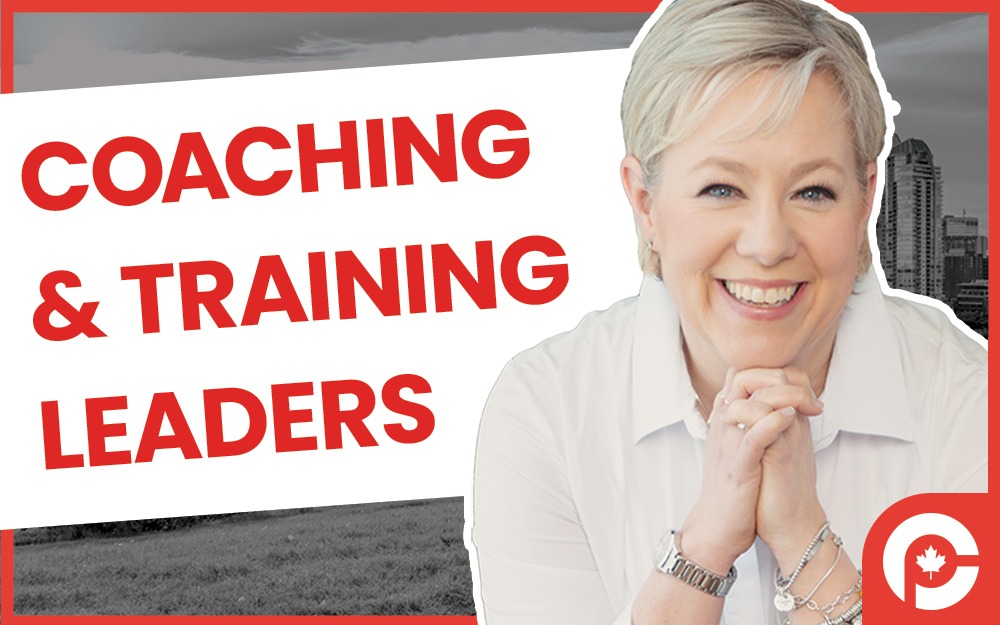
Judy Riege of Connected Leaders does coaching and training with everyone from students to athletes to CEOs. She’s basically...
Key takeaways
- Leadership is a mindset and set of skills that requires continual learning and evolution, not a position you land in once and master.
- Effective leadership development requires depth of conversation, coaching follow-up, and commitment to behavioral change rather than one-time training programs that don't stick.
- Creating a feedback-rich environment where you understand how you actually show up to your team is essential, as most leaders are blind to how their words and actions impact others.
- Good feedback should be factual, necessary, helpful, and kind—nourishing people with information that helps them see what's invisible to them while building their confidence.
- Before starting a business, define your purpose beyond money by identifying what problems you solve, for whom, and how you'll measure success in terms of meaning and service to the world.
Transcript
Full transcript page · Interactive episode
============================================================
TRANSCRIPTION WITH SPEAKERS
============================================================

[00:00] SPEAKER_01: Welcome to Canada's podcast.
[00:05] SPEAKER_01: Hello and welcome to Calgary's podcast with Mario Tonoguzzi on Canada's podcast network.
[00:12] SPEAKER_01: Joining me today is Judy Rieke, who is the founder of Connected Leaders here in Calgary.
[00:19] SPEAKER_01: Thanks for joining us today Judy.
[00:21] SPEAKER_00: Thrilled to be here Mario, thank you.
[00:23] SPEAKER_01: Tell me what Connected Leaders is and what you do.
[00:28] SPEAKER_00: So, Connected Leaders is a coaching and training organization and we work to redefine and I'd say elevate the practice of leadership and learning from the classroom to the boardroom.
[00:41] SPEAKER_01: Okay and who do you usually target as your audience for this?
[00:46] SPEAKER_00: Well this is where it's a little bit unique.
[00:47] SPEAKER_00: I started sort of mostly in the corporate sector because that's certainly where my career was formed and developed but I also have the privilege of working in the classroom with teachers and students around what is leadership.
[01:01] SPEAKER_00: And then I also have a very big part of my practice working within our high-performance sports system here in Canada.
[01:07] SPEAKER_00: So working with Olympic and Paralympic programs, working around leadership, mindset and teaming in that space as well.
[01:15] SPEAKER_01: Okay can you tell me a little bit of the history of how you got started in this and the why?
[01:21] SPEAKER_00: That's okay.
[01:23] SPEAKER_00: The simple why is I made a decision that I needed to design my career around my family versus my family around my career.
[01:32] SPEAKER_00: And so 15 years ago I left a very exciting and successful career as a senior HR practitioner in a number of large organizations.
[01:44] SPEAKER_00: And decided to go it on my own and work with small mid-sized businesses around solving some of the people and purpose problems that I was certainly had experienced in the large sector and working with entrepreneurs helping them really define who they were as leaders.
[02:02] SPEAKER_00: How did they take the purpose of their business and their people along with them on the ride as they look to grow evolve and obviously perform make a difference.
[02:11] SPEAKER_01: Okay then. And how has it been to be on your own so to speak?
[02:16] SPEAKER_00: Well I'm in year 16 so I would tell you it's been a ride. It's been exciting and certainly my practice has morphed significantly over that period of time.
[02:30] SPEAKER_00: Certainly in the last eight years really growing beyond the corporate sector and and playing in both education and sport on time.
[02:39] SPEAKER_01: Can you talk a little bit about some of the qualities or the skills or talents or whatever that are needed by individuals to be successful.
[02:53] SPEAKER_00: So when I look at leadership I see it less as a position and more as I look to the future as to where you know the exponential change we're dealing with.
[03:04] SPEAKER_00: And I think that COVID has been a great example of that. It's the mindset, it's the skills and it's actually the habits and practices or the support structure that leaders put around them to ensure that they actually bring their best to their game.
[03:17] SPEAKER_00: And I do believe it is a game we have to play as leaders and that this idea of skills is I'm always adding to my toolkit.
[03:24] SPEAKER_00: So it's really taking a look at this idea of continual learning and continual evolution we never really land as leaders I believe.
[03:35] SPEAKER_01: Oh and how receptive are people for that?
[03:41] SPEAKER_01: Well sorry the reason I asked because you know what?
[03:48] SPEAKER_01: I've gone I've seen a lot of this before right I've seen people take training programs and sometimes some of these big companies especially right get on that bandwagon okay we got a train our leaders to then I'm going to
[04:02] SPEAKER_01: and the leaders go in they take the courses they come out and then within a week they're back doing what they normally did in the pack right so I guess that's the question I guess you've got to start with a willingness to embrace this right.
[04:22] SPEAKER_00: Well you just nailed my very first and favorite question I ask all my clients are you willing and what's did going to be different as a result of that so I like to say that I bring depth of content but we're going to go deep in conversation to build a connection towards and a commitment so what's going to be different and what are the behaviors that we want to kind of do so I don't do the in and out let's just dip people into a training program that's not
[04:50] SPEAKER_00: the services that I I actually offer at all any longer it really is about what are we going to learn but then more importantly what are we going to choose to do choose not to do and how we're going to practice it and so most of the training I do is wrapped with coaching and follow up so that we're actually going to
[05:07] SPEAKER_00: we're going to make this investment we're going to make it stick and we're going to make it matter.
[05:10] SPEAKER_00: Yeah and I think the thing that's been also a shift is for me anyway is the space of neuroscience and neuro biology so how we're wired as humans and how we learn so in the early days everyone says oh you work on that soft stuff.
[05:29] SPEAKER_00: I actually think I I build the people strong stuff that actually is the foundation for what makes a great teams great companies but the stuff that I'm trying to offer it simple if you do it well often but it's not necessarily easy because we're having to actually create some discomfort between the way I've always done it and where I'm where I need to go.
[05:53] SPEAKER_01: Now changes talk for people are isn't that.
[05:57] SPEAKER_00: But I guess I I'm I guess that it is difficult the focus for me is is less about because I think changes a bit of a buzzword what's the movement we're going to create what's the action we're going to create because I think movement and progress are a better conversation than just hanging out we're going to change yeah we're going to talk about where we're going why we're going there.
[06:22] SPEAKER_00: How we're going to get there and for me it becomes let's build a game plan that I can make help people make those moves in a way that feels safe.
[06:31] SPEAKER_00: It feels supported and dare I say fun.
[06:36] SPEAKER_01: I was good to have fun.
[06:40] SPEAKER_01: So I'm just curious about the couple of segments there that that that you have right is the education side of the athlete side and maybe talk a little bit about each what's unique about on the education side of the people that are involved in that area.
[07:01] SPEAKER_00: So the work in education for me almost started by accident as an intervention with my son's class in grade five eight years ago.
[07:12] SPEAKER_00: But we went in and looked so that space to me is about leadership is a loaded word lead is a loaded word and I think that working within schools and education I've reframed it through a program I call role model academy both for teachers.
[07:29] SPEAKER_00: And for students and it's building social emotional or emotional intelligence and the leadership mindset and all these skills.
[07:37] SPEAKER_00: In an interact ways there's a curriculum there's an experience both for teachers and and for students and so that whole place and space is how do I help and work with teachers to elevate their leadership presence in the classroom.
[07:52] SPEAKER_00: And then those schools that engage with the curriculum it becomes how do we help each individual kid in that classroom start to understand what is leadership what is followership what are the people strong skills that all of them can start to build and learn so they can be a role model in whatever space whether it's in their sports space their academic space their friends space their art or music space.
[08:16] SPEAKER_00: But it's realizing I guess I come from a place of again leadership some mindset not a position and I believe every single one of us needs to learn sooner that there's there's actually skills we can practice and hardware in now versus trying to do this stuff later on in the workplace around let's make you a leader.
[08:36] SPEAKER_00: So let's build leadership capacity and thinking now and then I think that translates into better sports better families better workplaces down the road.
[08:46] SPEAKER_01: What about athletes what kind of issues things at the deal with there.
[08:53] SPEAKER_00: So most of the work in sport for me has been around this idea of emotional intelligence especially under pressure and in conflict and so how do we team how do we connect through communication.
[09:04] SPEAKER_00: And a big part in sport right now is safe sport the safe sport movement and so when we start to actually be more aware as coaches and even athletes how do I show up in this space and how do I team with you and work with you.
[09:20] SPEAKER_00: So that we bring out the best in each other so there's a ton of work right now for me in through this last year especially is helping coaches reframe what the training environment looks like through COVID and in some cases with the constant changes helping them navigate that change to create certainty clarity and and stay connected with their athletes when they're trying to figure out where am I going to train how am I going to train depending on where they were in the country.
[09:46] SPEAKER_01: So from what you do over time where have you found I guess the inspiration for what you do and and maybe the the knowledge and the background or is there any people in this field that you kind of look up to and kind of share ideas not not share ideas like back and forth but but just picked up on ideas that they've had as well.
[10:18] SPEAKER_00: So there's can I can I answer this in two parts your can there's actually the inspiration for me in this space came from actually a really dark time in my career if that's relevant to the conversation is I was seen as a high performing leader in my early career and I was leading a very large team and some large national programs.
[10:42] SPEAKER_00: And one of the things we're doing around leadership development was 360 feedback anyway long story short I felt that in order for me to launch the program with leaders in the organization I had to go through the process myself and it was a disruptive and in I open experience because I got my feedback from people around me about my leadership and the long and short of it was my boss that I was a strong leader my peers were saying K you're young but you got lots of potential here something.
[11:12] SPEAKER_00: I was a big pick up for things you can work on and it was my team that actually told me and this was a team I'd hand picked over two years my team feedback was not very positive and it was the message of I wonder if Judy knows her nickname is dick short for dick tater
[11:29] SPEAKER_00: And that was the game changer for me because what I do know is most of us go into work and into our leadership rules wanting to do a good job but because none of us get up and put on a GoPro and go about our day and then actually sit down and understand how do I show up today we're actually blind to how our words our actions and just who we are shows up on our teams.
[11:54] SPEAKER_00: Yeah, and so that moment was a time in my career where I sat down with my team and said who's this dick tater what does she say what does she do when does she show up and luckily for me this group started me on a journey of understanding how do you break down behavior change.
[12:14] SPEAKER_00: And how do you build a feedback rich environment for yourself so hence that was the beginning of then going down into the speaking training speaking becoming a coach but really starting to understand the neuroscience of how we learn and the emotional intelligence around what causes us to react to other people versus lean in and stay curious.
[12:36] SPEAKER_00: Yeah, and so that's a bit about my story that got me here. It's been I'm a work in progress and I and I meet every leader where they are we create a starting point we know where we want to go people who inspire me.
[12:50] SPEAKER_00: I'm a huge fan of Jim Collins and his work around creating long term sustainable great companies.
[12:58] SPEAKER_00: Brane Brown in her work around shame and vulnerability is a huge influencing space for me and I would also tell you that the work that continues to emerge from Dan Seagull and Mark Brackett both in the space of emotional literacy.
[13:13] SPEAKER_00: Brain development over the course and through the different stages of our lives and just what neuroscience is continuing to show us is the muscle that leaders really think about training is the one that's in the head.
[13:25] SPEAKER_00: And that's the muscle I guess I say is leadership some mindset not a position and your mindset is a muscle and I'm here to actually be the coach to help you train that so that you get to show up your best in those spaces where you're choosing to lead.
[13:39] SPEAKER_00: That makes sense.
[13:40] SPEAKER_01: You know, I was thinking what when you were talking about your experience right I was thinking about how.
[13:47] SPEAKER_01: You know a lot of companies like to you know the get feedback they want you know the leaders want feedback from people and staff etc.
[13:56] SPEAKER_01: But what I found over the years and experience not just personally but but also just from other companies and stuff like that is.
[14:07] SPEAKER_01: The feedback isn't really welcomed when it's when it's not good right it's so sometimes the leaders hit back well well a denial or then be they hit back an anger right that that you're giving them sort of the negative feedback well you wanted that feedback so.
[14:31] SPEAKER_01: So it's got to come from a willingness to accept right what you're going to get.
[14:39] SPEAKER_00: So it's some feedback is a word so feedback office say feedback is an f word most of us don't actually really want yeah and so when I think of the word feedback I see two four letter words that actually are kind of in really important piece feed is what I'm saying to you offering to you.
[14:57] SPEAKER_00: Am I saying it in a way that it's the truth in other words I can tell you it factually in terms of your behavior your words your actions is it necessary is it help you.
[15:07] SPEAKER_00: And is it kind because if I'm feeding you something that is helpful well you get it's just like food right I'm nourished I get something from it the back part of it is am I building your confidence and I'm actually growing growing sort of this back of yours is a leader that you can stand taller and do what you do better.
[15:26] SPEAKER_00: Yeah but I think what we do is we do an awful lot to actually hurt people or diminish them or we go into that idea of feedback is for most of us has been something that hasn't been helpful it's been more hurtful yeah and I think that's the shift that I'm trying to create is what are the skills and how do we go into those conversations in a way that we're actually feeding people information them helps them see what that is invisible to them.
[15:52] SPEAKER_00: And do it in a way that they'll at least be open to reflecting on it and learning from it again I go back to that idea of a GoPro I don't know what I don't know how I'm showing up unless I create that space where I'm getting feedback that's telling me this is what I do really well this is what people want me to continue doing maybe here's the places I could stop and what could I start doing that would actually empower people get things done better or be more clear.
[16:21] Speaker UNKNOWN: I think I'm not sure what I'm doing here in setting the direction.
[16:24] SPEAKER_01: Okay what do you like about being an entrepreneur?
[16:28] SPEAKER_00: I love the freedom in you know setting my own schedule I think the other thing that for me has been important in my kind of journey is starting to actually create I guess how do I take my own ideas and package them in a way that are simple that's clear and I can meet people where they're starting to get things done better.
[16:51] SPEAKER_00: So rather than being given here's what you have to do and what you should do I like the idea of being able to show up understand where people are starting from and then be able to almost reach into my toolkit and go okay let's like Lego let me just build something here and offer it up to say okay how does this fit for a starting place and then how do we keep adding to it like Lego block so that the structure of you as a leader is more colorful it's stronger and then we get to change it depending on the color.
[17:21] SPEAKER_00: So I think that's the context yeah that you're in so I'm the creative.
[17:26] SPEAKER_01: So it if you're talking to an aspiring entrepreneur what advice would you get?
[17:35] SPEAKER_00: I'd actually give them three pieces of advice.
[17:39] SPEAKER_00: First one is know why you're starting your own business more than just the money what's the purpose or what are you doing to serve the world in a way that might be better what problems and for whom do you solve them?
[17:59] SPEAKER_00: And what are the measures or metrics of success beyond the profit and like the revenue profit dynamic like more than money what's the meaning or the service of what you're trying to do.
[18:12] SPEAKER_00: It's both hand it's not either or but I think it's like who are you how do you want to serve the world and how will you measure the success in a way that tells you that it's feeding you you're getting better stronger but hopefully you're creating some value out in the marketplace that people turn around and say I'm better because of or things are better for me because of the work that you do.
[18:34] SPEAKER_01: Okay.
[18:37] SPEAKER_01: Obviously as a leader you know most leaders, entrepreneurs you know work is basically their lives in many ways.
[18:49] SPEAKER_01: I'm just wondering from your perspective how do you find that work life balance and juggle that in your career.
[19:02] SPEAKER_00: First things first I tend to call it my the synergy between my work and my life does it feel congruent I'm not sure it's always in balance but I do know that I'm very intentional around how I make sure I'm creating space and time to bring like fire fuel me.
[19:22] SPEAKER_00: So where the place is to kind of add to my thinking where's the places that make sure I'm resting and playing so that when I am working in because I'm dealing with individuals and teams and with people I guess I I know that my tank isn't full right then the journey I get to go on with my clients isn't necessarily a road trip that's a memorable one so for me it becomes.
[19:47] SPEAKER_00: The connections and the play the places I hang out outside of work and it also becomes sort of my routines and practices to sort of refuel and recharge my battery.
[20:00] SPEAKER_00: What kind of things do you do for that I'm a huge huge I'm addicted to the peloton community and my peloton bike so.
[20:10] SPEAKER_01: You'll be one of those people on TV that show that commercial I see it every night.
[20:16] SPEAKER_01: I see that every night that those guys and the lady they're on that bike and on that truck felt like crazy.
[20:23] SPEAKER_00: Well I made the investment just three months before covid hit and I it's been so there's that I do an awful lot of reading and meditation will go exercise and then I have a regular crew of people in the in the social spaces were allowed to be in that fuel fuel my tank.
[20:47] SPEAKER_00: Get me away from work I'm not allowed to be work to be it's all about a different conversation and those kinds of things for me and then obviously.
[20:57] SPEAKER_00: The things that I get to do with my family have two teenagers and I've been married for nineteen years and so my family it becomes this sort of place and space where you know the conversations of things we get to do and the time and nature that we spend always to help me keep things in perspective.
[21:16] SPEAKER_01: Super alright well thanks very much for joining us today Judy.
[21:21] SPEAKER_00: Thanks for having me Mario.
[21:23] SPEAKER_01: Okay that was great that was Judy Riggy who is founder of connected leaders in Calgary this has been Calgary's podcast on Canada's podcast network with Mario Tonoguzzi thanks for joining us today.