
Helping Veterans Succeed in Business and Beyond
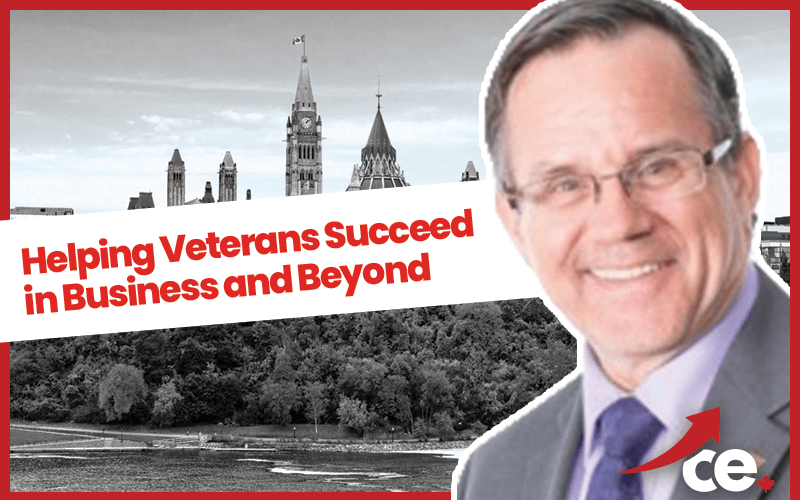
Watch episode
Episode
Joe Blanchard is a results-oriented Senior Executive. He runs VeCATS to assist Soldiers and Veterans transition into Corporate Canada...
Key takeaways
- Veterans transitioning to entrepreneurship need to focus on acquiring entrepreneurial knowledge through industry associations, networking, and understanding business terminology before starting their venture.
- Before investing significant money into a business idea, validate it by getting at least ten potential customers to commit to purchasing your product or service.
- Resourcefulness is essential for entrepreneurs—the ability to identify problems, gather the necessary resources, and leverage experience to find solutions is what drives success.
- Developing a comprehensive business model canvas is critical as it helps you understand your clients, direction, and timeframes while providing a clear roadmap for your business.
- The transition from military to entrepreneurship requires a significant mindset shift from long-term planning cycles and structured environments to profit-driven, fast-paced decision-making in the private sector.
Transcript
Full transcript page · Interactive episode
============================================================
TRANSCRIPTION WITH SPEAKERS
============================================================

[00:00] SPEAKER_01: Welcome to Canada's Entrepreneur, where we talk to the entrepreneurs who are making it happen
[00:05] SPEAKER_01: across Canada and deliver the news, trends, knowledge and opinions from entrepreneurs and business
[00:13] SPEAKER_01: influences across the country. Hi everyone, I'm Phil Bus, founder and CEO of Canada's Entrepreneur,
[00:21] SPEAKER_01: coming to you today from Toronto. Joe Pineshield is a result-oriented senior executive
[00:28] SPEAKER_01: with extensive and multifaceted experience in the military as a corporate executive and as
[00:35] SPEAKER_01: an entrepreneur. He is a proven performer who moves easily from vision and strategy to implementation
[00:44] SPEAKER_01: and follow through. An innovative and strategic thinker with sound business judgment and
[00:50] SPEAKER_01: proven analytical troubleshooting and critical thinking abilities, today we're going to really
[00:57] SPEAKER_01: talk to Joe about his military background and his life as a successful veteran entrepreneur.
[01:06] SPEAKER_01: So Joe, welcome to Canada's Entrepreneur and before we go deeper into questions and things like
[01:15] SPEAKER_01: that, let's find out a bit more about you and your entrepreneurial journey so far. Okay, so give
[01:25] SPEAKER_00: us a four minute five minute summary basically. Okay, well thank you Philip. My name is Dr. Joseph
[01:33] SPEAKER_00: Blanchard. I hail from the East Coast of Canada. I was a military soldier for approximately 30 years,
[01:44] SPEAKER_00: regular and regular and reserve force. I ended up with finalizing my career in the medical services as a
[01:54] SPEAKER_00: healthcare administrator so ran hospitals and ran medical operations. I did what we call broken
[02:03] SPEAKER_00: service or I did two terms in the military. The first time back in the 90s I was released because
[02:09] SPEAKER_00: I had a series of knee surgeries. I was no longer combat ready at that point. So when I got out of
[02:19] SPEAKER_00: the military, there was no middle management in healthcare in Ontario. The government at the time
[02:27] SPEAKER_00: had gotten rid of all middle management in healthcare. I was fortunate enough to have a friend that
[02:33] SPEAKER_00: took me into a high tech company here in the Ottawa region and I started my journey in technology.
[02:42] SPEAKER_00: I've been in I call it a technology thirst type person because I started with technology in the 70s.
[02:52] SPEAKER_00: I loved it. I had my first computer in the early 80s and just progressively over the years
[03:00] SPEAKER_00: anything and everything that was new in technology I bought. So when I got out to in 97, the first time
[03:07] SPEAKER_00: technology was it. I went to work in the yeah. So I continued in the high tech here in the Ottawa region.
[03:22] SPEAKER_00: I went to work in our technology sector in the West End or Canada Ontario and I worked for several
[03:31] SPEAKER_00: companies. I returned and did an Oracle certified course and then in 2000 and sorry 2000,
[03:42] SPEAKER_00: tell us integrated systems moved to Ontario and they were looking for sales managers. So I became
[03:51] SPEAKER_00: a sales manager for them and of course they provided a technology training through Tel Cordia where we
[03:59] SPEAKER_00: were schooled on all the different Tel Cordia technologies there were. I probably fell on my head
[04:09] SPEAKER_00: and a friend of mine asked me to get back in the military in 2004. I returned and did approximate
[04:16] SPEAKER_00: 10 more years in the military with my last stint being a tour in Afghanistan where I got injured on
[04:26] SPEAKER_00: the base. It was at the end of my tour. I came home. It took me a year for surgery a year to recover.
[04:34] SPEAKER_00: They said, hey, we don't love you anymore. Joe, goodbye. And I was released from the military.
[04:41] SPEAKER_00: At that point I returned to the high tech sector with one of the best companies we had in Canada called
[04:48] SPEAKER_00: Rim or Blackberry as many know it and we understand the demise of that. I continued in technology working
[04:56] SPEAKER_00: for private industry companies, our system integrators and worked managing global clients,
[05:06] SPEAKER_00: Fortune 500 clients with them in delivering a program and project management services at a
[05:14] SPEAKER_00: senior executive level. When I finished that I went into the banking sector. I was a director of
[05:22] SPEAKER_00: special projects for a bank in Toronto and technology was the biggest flavor of all of that,
[05:29] SPEAKER_00: how to modernize a system that they had put in place and integrate sales and marketing and
[05:38] SPEAKER_00: contracts and HR into utilization of this key system. So I've been in high tech. I started in 2014.
[05:48] SPEAKER_00: I started a company called VCATs, Veterans Career Assistance and Transition Services.
[05:54] SPEAKER_00: And since then I've been helping soldiers and veterans transition to the private sector.
[06:00] SPEAKER_00: We had a four step program which was soft skills like resumes and how to talk and interviews
[06:06] SPEAKER_00: to hard skills, what training they needed to get in certain industries that they wanted to go,
[06:13] SPEAKER_00: job experience program and then a job placement. Today the government has implemented all four of our
[06:21] SPEAKER_00: steps between Canadian Armed Forces or CAF and Veterans Affairs Canada or VAC.
[06:29] SPEAKER_00: So today I work on I'm an advocate for programs that veterans need. And we've identified
[06:40] SPEAKER_00: key four key priorities which is an Indigenous Veterans Wellness program which I will look to run
[06:49] SPEAKER_00: a pilot down east for Halle Pufers Nation where a large portion of my family are members of.
[06:58] SPEAKER_00: And then from there the second initiative was a national veterans housing strategy
[07:04] SPEAKER_00: with hopefully a pilot here in the Ottawa region. People will know something called Tunis pasture.
[07:10] SPEAKER_00: There's a large track of land back there. The train goes by there. The river is right beside it so
[07:16] SPEAKER_00: it's very central to downtown Ottawa which is a perfect place for veterans to retire.
[07:23] SPEAKER_00: The housing project will be low cost housing and not at today's market rates which are 23, 24,
[07:30] SPEAKER_00: 25, $500. It'll be more around the $12,000 to $1100 range. The third initiative that's gaining a lot
[07:38] SPEAKER_00: of traction right now is Canadian Military University where we are going to provide bachelor
[07:45] SPEAKER_00: masters and doctoral programs supported by the infrastructure. We'll leverage from different
[07:52] SPEAKER_00: universities in Canada and then from there all our programs will be structured to the job experience
[08:00] SPEAKER_00: piece so that when people get out of the military they're going to have a good understanding
[08:05] SPEAKER_00: of what it means to work in the private sector which is 100% turn around from what would they
[08:12] SPEAKER_00: have done in the military. So in the private sector we look at things called P&L,
[08:18] SPEAKER_00: profit loss and in the military we have a three-year planning cycle for financial expenditures
[08:25] SPEAKER_00: and equipment procurement. And the final piece to that would be the National Veterans Entrepreneurship Hub
[08:33] SPEAKER_00: which is one of the key items. So I have a doctorate in entrepreneurship. I've got an MBA
[08:40] SPEAKER_00: and I had a bachelor in international business so I wanted to take all of that experience
[08:46] SPEAKER_00: and develop an entrepreneurship center that can help soldiers and veterans and RCMP when we transition
[08:55] SPEAKER_00: out of service to be able to if you want to start a home-based business we'll be able to support
[09:02] SPEAKER_00: you with low-cost loans, get you up and running mentorship on how to manage your business
[09:08] SPEAKER_00: and every component of your business. POE or Princess of Operations Entrepreneurship was an
[09:14] SPEAKER_00: excellent training program in Canada for veterans and and serving members. It was in one week
[09:24] SPEAKER_00: boot camp if you were lucky enough to get on the one-week boot camp or they had one day
[09:29] SPEAKER_00: events where they would showcase here's a business and these are the elements of that business you
[09:35] SPEAKER_00: need to be focused on. I've found over the years with research that there was a gap a lot of people
[09:41] SPEAKER_00: were getting out they didn't have the mentorship and a lot of the businesses were kind of failing
[09:47] SPEAKER_00: because they did not have the understanding of how do I set up a proper marketing campaign?
[09:54] SPEAKER_00: How do I do social media marketing? How do I run a sales program? How do I manage the financial
[10:01] SPEAKER_00: piece of my business? So all of those elements are very difficult for people that have never been
[10:07] SPEAKER_00: in that industry. I started in entrepreneurship back in 2000 after my stint with Tellus
[10:15] SPEAKER_00: startup company came asking me to be their global director of sales because of my technology
[10:22] SPEAKER_00: background and that was an introduction to something that I really loved but I thirsted for
[10:29] SPEAKER_01: the entrepreneurship side of the business. So let's still be a bit more I mean great
[10:35] SPEAKER_01: great journey very I mean you know you know military corporate and entrepreneurship and you know
[10:45] SPEAKER_01: let's let's focus on the entrepreneurship side of things I mean you stepped into it but it's not
[10:54] SPEAKER_01: you know it's not the normal direction of someone with a military background or absolutely
[11:04] SPEAKER_01: not. Yeah I didn't think so. What made you to make that step? I mean you spent you know from Tellus
[11:13] SPEAKER_01: to this to you know some of the biggest names on the corporate side what made you move away from
[11:21] SPEAKER_01: that I mean both of those are you know all the types of organization the military side and that
[11:28] SPEAKER_01: that wrap around you if you like. What made you move to the outside you know and lose that
[11:38] SPEAKER_00: that security if you like. I think I'll start it off by I had a major knee surgery in 1986
[11:47] SPEAKER_00: in Halifax and I had lost my ACL because of military fun I call it pushing a toboggan up a hill
[11:57] SPEAKER_00: and the hills like you know a huge incline. When I was there the cast that they put on my leg from
[12:06] SPEAKER_00: toe to hip weighed about a hundred pounds and you can imagine with a pair of crutches it was very
[12:12] SPEAKER_00: difficult to work. One of the casting technicians put on something we call gun sites or two hoops
[12:21] SPEAKER_00: on my cast and he put a loop around my neck with a turnicky and said use this this will help you
[12:28] SPEAKER_00: manage your balance and I thought to myself we there's something that should be patented
[12:35] SPEAKER_00: because at that point it's something that's everybody's going to need for a period of time when
[12:41] SPEAKER_00: to get these large casts. So I'm not sure if it was him but I help you know kind of that mental
[12:47] SPEAKER_00: picture for him on you know if you built something that was around the shoulders with two hooks in
[12:53] SPEAKER_00: the front that was held by a device that hooked into the cast that would be the perfect thing. So
[13:01] SPEAKER_00: I understand that that was taken to the next step. Over those years I've always been and I go
[13:08] SPEAKER_00: back to my father I've always been an idealist. I love technology. So when I get into it in 2000
[13:15] SPEAKER_00: dragging through the entrepreneurship mentality and the entrepreneurship drive it takes
[13:24] SPEAKER_00: to manage a business was my introduction and I was very fortunate to have several
[13:32] SPEAKER_00: technology mentors and entrepreneurship mentors in our CFO who was Paul Havi. Also there was a
[13:46] SPEAKER_00: technical or CTO was Rajeev Moradia who was a serial entrepreneur here in Ottawa. He's been
[13:53] SPEAKER_00: bought and sold and built businesses and Ken Davison came in as a CMO and I think Ken he was
[14:01] SPEAKER_00: going to actually take over the CEO position. Those gentlemen provided me kind of like that
[14:10] SPEAKER_00: base mindset because I'm a go go go go go go type guy and when you're in an entrepreneurship
[14:16] SPEAKER_00: environment you need to be able to go go go and you need to be able to have an understanding of what
[14:23] SPEAKER_00: it takes to get things done and that's what that sent me up for the entrepreneurship side and then
[14:30] SPEAKER_00: of course I went back to the military but when I get out I've worked for several other startups
[14:36] SPEAKER_00: and the the ability to be able to build and either I call it there's a framework I use it's called
[14:46] SPEAKER_00: start my business and I want to help soldiers understand about that start or veterans I should say
[14:53] SPEAKER_00: help the start and then how to build your business and at the top of my framework is manage your
[14:59] SPEAKER_00: business and that's key in in the managed piece for for the mentorship or I call it fractional
[15:07] SPEAKER_00: leadership that has to take place where I'm going to make available with the vet hub a mentorship
[15:13] SPEAKER_00: model where you can you know leverage one-tenth of a CMO's time or one-tenth of a CFO's time to be
[15:20] SPEAKER_00: able to understand how to manage your business so that entrepreneurship thing to me is the exciting
[15:26] SPEAKER_00: piece of being able to start manage and exit a business or sell a business and of course everybody
[15:34] SPEAKER_00: has the big eyeballs on selling a business where I can set myself up retirement and go from there
[15:40] SPEAKER_00: and I look at it as okay what can I do next which is another great piece of entrepreneurship
[15:47] SPEAKER_00: is that that when you get into an organization some would say you start developing your exit strategy
[15:55] SPEAKER_00: am I going to be here for five years this is what I want to accomplish in five years
[15:59] SPEAKER_00: and then you exit the business take the financial gain and then from there go start something new
[16:06] SPEAKER_00: and I'm always a start something new guy I mean my son and I he he listens to me at nauseam in
[16:14] SPEAKER_00: regards to okay we got to do this as a business and last night we started another one so we've
[16:20] SPEAKER_00: got a framework on another business that we're going to launch and and I'll look at kind of like
[16:25] SPEAKER_00: transitioning that went to him and not me so let's think about this we're we're we're talking
[16:33] SPEAKER_01: veterans and we got talking you know on forces in general so let's don't move out of that because
[16:38] SPEAKER_01: that you have specific knowledge of that you know what advice would you give I mean some of it you
[16:49] SPEAKER_01: said but let's be specific you would give you know somebody coming to the end of their military
[16:58] SPEAKER_01: career and thinking about or getting to that decision phase I really fancy being an entrepreneur
[17:09] SPEAKER_01: but I could probably get in you know a fairly straightforward job here well what what advice would
[17:17] SPEAKER_01: you would you give them is there any secret to make to making the decision is there any thought
[17:23] SPEAKER_01: process you know you know what I'm saying yeah absolutely um one of the big things about entrepreneurs
[17:30] SPEAKER_00: is is something we called risk when I got out the far first time from the military medically
[17:37] SPEAKER_00: I was scared I had nobody to support me I had nothing to support me from D&D or from the Canadian
[17:45] SPEAKER_00: military at the time and so my my decision was okay I need to find a stable job that gives me a
[17:53] SPEAKER_00: stable paycheck although I had different ideas in my head and so that security piece is what kind of
[18:01] SPEAKER_00: helped me back initially until I understood that in order to to explore the ideas of what I wanted
[18:09] SPEAKER_00: to do start a business I needed to be able to take those chances and I always say for anybody
[18:18] SPEAKER_00: getting out the first thing I I I I suggest is go to an industry association where you want to be
[18:27] SPEAKER_00: and and start understanding that mindset because mindset is the key piece here once you understand
[18:34] SPEAKER_00: the mindset understand the technology understand the terminology and then do the networking
[18:40] SPEAKER_00: piece and that will give you a very comfortable feeling that you're going to make the right decision
[18:46] SPEAKER_00: when you get out I've had several friends get out and start businesses and do not have the tools
[18:53] SPEAKER_00: and did not have that understanding so for me the understanding comes from a guy like Joe Blanchard
[19:00] SPEAKER_00: I'm embarking on awareness campaigns now especially for the veterans entrepreneurship hub
[19:06] SPEAKER_00: we're going to start doing podcasts and I'm going to learn from you it regards the podcasts or
[19:16] SPEAKER_00: partner with people that really understand the podcast industry better than I and then be able
[19:22] SPEAKER_00: to deliver this entrepreneurship understanding and mindset so that when they get out they know they
[19:29] SPEAKER_00: can make a competent decision and say I'm going to give myself six months here's a block of money
[19:35] SPEAKER_00: I'm going to leverage those friends I'm going to leverage the veterans entrepreneurship hub or
[19:42] SPEAKER_00: BetHub and I'm going to be able to learn what I need to learn and there's only one way to get
[19:48] SPEAKER_00: things done and that's by doing them yourself and getting dirty at it so you get your hands dirty
[19:55] SPEAKER_00: so I think that is a significant change in mindset that has to happen for people to get out
[20:01] SPEAKER_00: and I've got friends that got out and started a home-based business they're still lost but it's a
[20:08] SPEAKER_00: home-based business or something they want to do like Carpentry a friend of mine got out and he
[20:12] SPEAKER_00: was doing cabin training and he really enjoys that but he didn't understand those pieces so he went
[20:19] SPEAKER_00: POE who no longer exists princes of operations entrepreneurship so I think I'm trying to fill that gap
[20:26] SPEAKER_00: to be able to provide the mindset and provide the training and and mentorship so that they don't
[20:35] SPEAKER_00: fail when they get out and do what they want to do and it's all about doing what you want to do
[20:42] SPEAKER_01: well what do you see as the biggest challenge in you know the future for a veteran but you know
[20:53] SPEAKER_01: a potential veteran entrepreneur I mean you there's lots of challenges but you know it's coming from
[21:01] SPEAKER_01: one life to this life you know both right just choose one that's the biggest challenge to overcome
[21:10] SPEAKER_00: I think the biggest challenge to overcome is knowledge the entrepreneurial knowledge that's required
[21:19] SPEAKER_00: so and and there's several ways of overcoming that knowledge and and one as I indicated it is
[21:26] SPEAKER_00: you know joining a group and then after that group then you get to understand those four pieces
[21:32] SPEAKER_00: and and that mindset and then education or knowledge transfer is a key piece that would be able
[21:41] SPEAKER_00: to support that mindset required so I think knowledge is is the key in all of this piece
[21:51] SPEAKER_01: well you you you started your own business
[21:57] SPEAKER_01: and you know what's the best piece of advice that you've received this allowed you to do that successfully
[22:08] SPEAKER_00: one of the pieces that I received from my buddy Rajeev that that I really go at is it's all great
[22:17] SPEAKER_00: to have an idea build upon that idea and the building upon for me was develop a business model
[22:31] SPEAKER_00: and understand your business model and don't sink a lot of money into the idea
[22:38] SPEAKER_00: unless you can go out and get 10 businesses to sign up so when I I took that advice from Rajeev
[22:48] SPEAKER_00: I sat there and I said okay that way I'm not going to sell my house like I heard guys like
[22:55] SPEAKER_00: go remorage their homes and although it's a great thing if I could say here's my tool
[23:04] SPEAKER_00: I want to build that tool but I get 10 businesses that want to pay money for my tool
[23:12] SPEAKER_00: that was the ability for me to push forward and look at different type of funding envelope
[23:17] SPEAKER_00: seed funding that could help me get that MVP started minimum by a product so that piece of
[23:26] SPEAKER_00: advice has gone a long way in in providing a mindset for me and a knowledge thirst so that I could
[23:36] SPEAKER_00: understand a business model okay got my business so how do I sell this to my business and when
[23:43] SPEAKER_00: you develop this business model canvas it will provide everything you need to know about your
[23:49] SPEAKER_00: clients about you about your direction and time frames of why you want to go so there's several
[23:57] SPEAKER_00: elements of a business canvas model that will really create that opportunity to go to 10
[24:05] SPEAKER_00: businesses and sell it and if they say on paper they want to buy it you've got it and you go from
[24:12] SPEAKER_01: there that's really good advice actually okay that's enough of that that's a little bit of fun that's
[24:20] SPEAKER_01: pretty pretty serious stuff over the last 20 20 minutes let's just have some fun you mourning
[24:27] SPEAKER_00: or a night person I'm a night I'm a night guy yeah I get I go to bed and you know I get you
[24:34] SPEAKER_01: you know what you guys you have to be a night guy a little trick guy well a good soldier gets
[24:40] SPEAKER_00: sleep anytime they can because you never know what's gonna happen and and you could tell you that
[24:46] SPEAKER_00: me I've always been I get like four hours sleep a night and I've tried different methods including
[24:55] SPEAKER_00: sleeping pills to get more but I thrive on four to five hours max I go to bed at midnight only
[25:03] SPEAKER_00: because if I go to bed at 10 I'm up at two and I can't go back to sleep so I'm up normally about four
[25:10] SPEAKER_00: or five o'clock in the morning six o'clock my beautiful little granddaughter Charlotte shows up
[25:15] SPEAKER_00: and the two of us sit there and we do social media first thing in the morning so yeah I
[25:23] SPEAKER_00: try to get better on that four or five hours of sleep and then I'm going at it and if I ain't
[25:32] SPEAKER_00: thinking like I swear I have a ADD or high functioning autism they call it where your brain
[25:40] SPEAKER_00: just doesn't stop and that's me my brain don't stop and I'll I'll sit in the morning I've got a
[25:47] SPEAKER_00: recorder now and I utilize this fly tech recorder which is incorporated with AI technology in it
[25:56] SPEAKER_00: and I give it notes and it prepares them and I can put them into a notes file and then I got all
[26:05] SPEAKER_00: my ideas and then I use mine map and and I map out everything and I got a new business so now I go
[26:11] SPEAKER_00: register a business register to U.R.A.L.s so I go through that process right if you have to put
[26:18] SPEAKER_01: one word to describe yourself what would it be and why would you choose it
[26:28] SPEAKER_00: very hard I would say resourceful and I've always been this way
[26:34] SPEAKER_00: I see a problem I understand a problem I think of the different resource elements that I need
[26:45] SPEAKER_00: to be able to make that problem either go away or develop something to solve the problem so I think
[26:54] SPEAKER_00: I'm very resourceful I know where to go to get things I know what elements today and you know
[27:00] SPEAKER_00: it's a wealth of experience because entrepreneurship is is an ability to not only acquire knowledge
[27:07] SPEAKER_00: but be able to utilize that knowledge through and to me resourcefulness is somebody that has the
[27:15] SPEAKER_00: ability to look at all those different elements and what I need for those different elements and how
[27:21] SPEAKER_00: to get those resources that I need so yeah I think that would be it.
[27:28] SPEAKER_01: What book are you currently reading podcasts you're listening to that you'd recommend to the
[27:35] SPEAKER_00: audience no I so I've taken a turn totally a 180 degree I'm reading I have one book on Neil DeCrasse Tyson
[27:48] SPEAKER_00: I understand ending astrophysics I have a book on black holes I'm reading I've got a book a third book
[28:01] SPEAKER_00: on the go from Brian Dr. Brian Cox in regards to the universe and then the other one that I've
[28:09] SPEAKER_00: started my granddaughter is being tested my oldest granddaughter McKenzie at nine is being tested for
[28:18] SPEAKER_00: I a high functioning autism and because she displays everything that I've got she's up until
[28:25] SPEAKER_00: 10 11 o'clock at night she gets up at seven goes to school and she's you know she's there she
[28:32] SPEAKER_00: she can't focus on one thing she's got to focus on a hundred things so I'm reading a book that
[28:38] SPEAKER_00: talks about recognition and adaptation to high functioning autism and finally what's keeping
[28:48] SPEAKER_00: you up at night these days I think what keeps me up at night is too many things on the go
[29:01] SPEAKER_00: and Rajeev said you got to pick one thing and just focus on the one thing and I think what keeps
[29:08] SPEAKER_00: me up more is is trying to make sure I meet everybody's needs especially when it comes to like the
[29:17] SPEAKER_00: four key priorities I have for veterans today is to be able to I got this I got that I got this I got
[29:25] SPEAKER_00: that I got to go meet the minister for this and I've met him once and a deputy minister sorry
[29:31] SPEAKER_00: of veterans affairs and he said you need to come see me in my office to talk about these initiatives
[29:36] SPEAKER_00: and then be able to go so I got to get everything prepared to that I may I'm a financial
[29:42] SPEAKER_00: a treasurer for Amacitio Fras canado which is an association that commemorates the 475 years of
[29:53] SPEAKER_00: relationship with France and Canada so I'm with them and then I'm the national chairman for the
[29:58] SPEAKER_00: Armed Forces Pensioners Association and we've met our mandate now we're looking at closing
[30:03] SPEAKER_00: down the organization so we have to I have to give time to that so I think it's just okay I got to
[30:10] SPEAKER_00: put my thoughts all together I take about an hour to try and get it out of my head so we can get some
[30:16] SPEAKER_01: sleep. Yeah let's agree I don't say you're up and I anyway so everything can't be over night.
[30:27] SPEAKER_01: You know what there's some really good stuff in there and I I'm going to make a big push to
[30:34] SPEAKER_01: to attract some people that from from from from the veteran side to take a listen to some very good
[30:44] SPEAKER_01: advice you just passed on so Bill thanks for coming on it's been been been great having you.
[30:51] SPEAKER_00: Thank you very much Philip and it was great meeting you in Toronto at the business transition
[30:55] SPEAKER_00: form that is another eye opener so my going forward is to be able to provide those type of resources
[31:04] SPEAKER_00: to our veteran entrepreneurship community thanks Bill. Well that was a very interesting
[31:11] SPEAKER_01: perspective on entrepreneurship from an military veterans viewpoint it's great to think how veterans
[31:17] SPEAKER_01: with the right talent knowledge and drive can build a new business after serving their country
[31:24] SPEAKER_01: very thought-provoking. I'm Phil Bliss don't forget to subscribe to our newsletter on our website
[31:31] SPEAKER_01: and subscribe on the YouTube channel as well as any of the other major podcast channels.
[31:37] SPEAKER_01: Thanks for listening or viewing Canada's entrepreneur where you meet the entrepreneurs that drive
[31:44] SPEAKER_01: Canada's economy. See you soon.