
Derick Hsieh
Episode
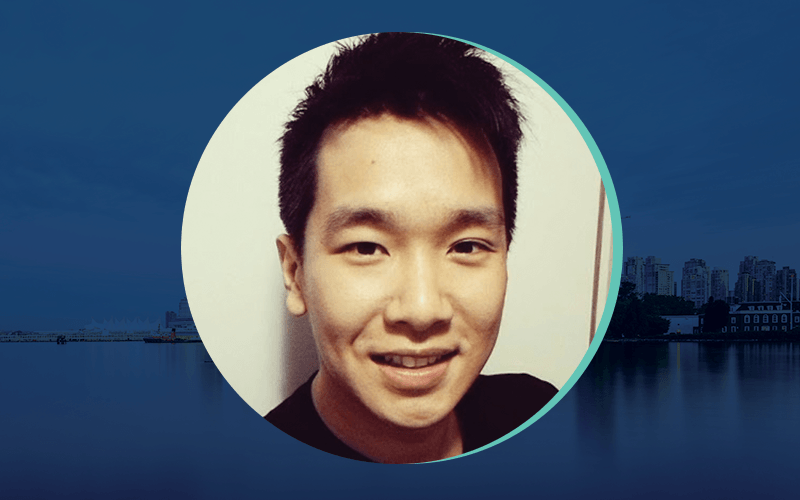
Derick Hsieh is the Product Manager of Liv.Rent. A serial entrepreneur, he had several start up engagements under his...
Key takeaways
- Understanding your users' pain points requires deep observation in real-world environments like coffee shops and public spaces, not just asking survey questions or working behind a computer.
- Building the right team that you trust and can work with collaboratively is more valuable than hiring a single superstar player, as success requires everyone working together toward a shared vision.
- Don't be afraid to fail, but learn to fail fast so you can validate ideas quickly and pivot before wasting too much time, money, or resources on the wrong direction.
- Focus on solving real problems for your customers first rather than chasing revenue, because if you truly help people and address their needs, the business success will follow naturally.
- Patience and persistence are essential for entrepreneurial success, as building a meaningful product takes much longer than expected and requires giving value to others long before you see returns.
Transcript
Full transcript page · Interactive episode
============================================================
TRANSCRIPTION WITH SPEAKERS
============================================================

[00:00] SPEAKER_01: It's Vancouver's podcast on the Canada's podcast network.
[00:27] SPEAKER_02: Hello, this is Robert Smil, coming to today with Vancouver's podcast, a member of the Canada's podcast network,
[00:33] SPEAKER_02: where we talk to the entrepreneurs who are making it happen here in Vancouver, British Columbia.
[00:38] SPEAKER_02: Derek Shea is the product manager of Live.rent. As serial entrepreneur, he had several startup engagements under his belt prior to this,
[00:48] SPEAKER_02: performing a variety of roles, including consulting on agile development and building biomedical solutions.
[00:54] SPEAKER_02: A curious software engineer at heart, Derek's interest in emerging technologies and innovative user experiences led him to join Live.
[01:04] SPEAKER_02: Bill the team, create and oversee the product from inception to launch this past summer.
[01:10] SPEAKER_02: Well, Derek, welcome to the show. Thanks for taking the time today to be here for all our listeners.
[01:16] SPEAKER_00: Well, no, thank you. Thank you for inviting me to be here.
[01:18] SPEAKER_02: Great. Okay. I want you to tell us a little bit more about yourself, where you're from, and give us the details on your current business.
[01:27] SPEAKER_00: So I was originally from Taiwan, Taipei. I was born there and I moved here around nine years old. When I came here, I kind of was always a technical,
[01:39] SPEAKER_00: I guess very technical kid and kind of interested in all the computers.
[01:44] SPEAKER_00: You know, it started out always as gaming for all the kids out there.
[01:48] SPEAKER_00: And then it kind of just grew on me more and more about computers and wanting to know how it works.
[01:54] SPEAKER_00: And then, you know, studying engineering through my university degrees in my grad school.
[02:00] SPEAKER_00: And that's how we kind of got into more on the technical and engineering side of things.
[02:04] SPEAKER_00: To kind of always tinker around figuring out how products and merge, you know, different solutions, you know, tinker with different little products at home.
[02:14] SPEAKER_00: To kind of make small automations and making things work, making life easier.
[02:19] SPEAKER_00: And then it kind of just went into my career in that sense.
[02:23] SPEAKER_00: And before so, before doing this, why you kind of talked about in the bio, I was working with a lot of kind of more on the biomedical side of things into empowering.
[02:33] SPEAKER_00: Doctors and radiologists to function in their workspaces, typically in the surgical rooms to be better.
[02:44] SPEAKER_00: And from there, so I was always kind of interested more in how the human interfaces with technology, whether it's through software or hardware itself.
[02:55] SPEAKER_00: It was always kind of interesting on how people kind of interface between those kind of things.
[03:02] SPEAKER_00: And so that's why it led to me in where I am today, when I was asked to be joined by the founder of Live.Rent, Olivia Lam.
[03:13] SPEAKER_00: And she asked me to help her with her process in her world, how rentals has always been a nuisance, and how wide there is a technology that kind of help with that side of the world.
[03:30] SPEAKER_00: And why rentals has been so hard, why renting is a very stressful situation, yet there's not enough technology out there to help with everything.
[03:39] SPEAKER_00: Then how a landlord also faces problems when they are renting out to renters.
[03:45] SPEAKER_00: So this is where we started back in 2015 to start talking about this whole product to shipping into Live.Rent today.
[03:54] SPEAKER_02: Okay, now did you need financing to start your company and how do you currently make money in the business now?
[04:01] SPEAKER_00: So I guess luckily the founder actually had previously lots of money saved.
[04:08] SPEAKER_00: And we were able to kind of privately finance all these kind of operations.
[04:13] SPEAKER_00: Currently the app is still free.
[04:15] SPEAKER_00: What we're hoping is to monetize later on at the end for any other added services.
[04:22] SPEAKER_00: But at this moment is really more about helping the community out.
[04:26] SPEAKER_00: So we're here to bring the community together between the renters and the landlords.
[04:31] SPEAKER_00: They don't need to be on two sides.
[04:33] SPEAKER_00: They can be in one side together working with each other and making the best out they can be in their rental situations.
[04:40] SPEAKER_02: Yes, and I guess with Vancouver the rental, the price of living and renting proper type of apartments and things like that is real challenge on both sides isn't it?
[04:52] SPEAKER_02: So this is a product service that would really come in handy for a lot of people correct?
[04:57] SPEAKER_00: Yeah, yeah, correct.
[04:58] SPEAKER_00: It is. And I mean when you're looking at major cities, I don't even have to say Vancouver.
[05:03] SPEAKER_00: I would say the internals America and the entire world.
[05:06] SPEAKER_00: The vacancy rate is very low like there are less than a 1%.
[05:11] SPEAKER_00: So especially professionals or any people that who are moving to the city or they are just trying to find a place to move closer to their work to their family.
[05:21] SPEAKER_00: It's a challenge, right?
[05:22] SPEAKER_00: Going through multiple showings and going through all the weight and trying to be competitive against other renters.
[05:31] SPEAKER_00: It's hard and stressful, especially that window of that looking for a place in an all the way to moving in it's very short.
[05:39] SPEAKER_00: So we really wanted to kind of get rid of that stress and kind of make everything much easier and flow nicer.
[05:46] SPEAKER_00: Last time we said for both renters and landlords, give you more informative information and present you a bit better so that you can get the place that you want.
[05:55] SPEAKER_00: And without all the households like Craigslist for example, all other security issues, you know, a lot of scams you see and people not knowing that they are actually the real landlords behind the right proper places verified listings, right?
[06:12] SPEAKER_00: Okay, so that's why we're kind of here to help in that sense.
[06:15] SPEAKER_02: So do you, in essence, make money off the rental when someone rents? Do you get a commission on that? What does that look like?
[06:21] SPEAKER_00: Well, so we have a couple of features, right? Right now for every single thing is free. So what that means is from looking for a place all the way to moving out submitting your tendency application, booking showing, signing a digital contracts, chatting with between the landlords and the renters, that's all free.
[06:41] SPEAKER_00: We wanted to, right now to be honest, we're also testing the market to see how well we can make this even better before we even talk about making money because I think the first step is to make the product right to make sure that we are actually benefiting both the renters and the landlords before we think about even our profits and revenue.
[07:00] SPEAKER_00: So we're here to kind of make that process better.
[07:03] SPEAKER_00: Now, we did release one special feature that actually does allow that is charged people and that is the rental payment right now.
[07:14] SPEAKER_00: Rental payment, we can actually take via credit card right now for ease of access. And that is actually charged by our payment gateway processor. It's not even by us.
[07:24] SPEAKER_00: So that's the only paid feature right now within the system, but of course more and more to come a lot of more on the enterprise level solutions on the landlord side.
[07:33] SPEAKER_00: We will also charge them for different services that we offer for parts of their screening tenant services and also other services that we plan to help them with.
[07:43] SPEAKER_02: Okay, what is the long term vision and what will your company look like in the future? Do you see the company expanding into other areas and where beyond Vancouver BC or even Canada?
[07:55] SPEAKER_00: Good question. So to be honest, actually right now Vancouver is our testing bed.
[08:00] SPEAKER_00: This is the first city that we're launching to test us because BC tendency has one of been the most stricter lawns in the provinces in Canada.
[08:12] SPEAKER_00: And our next cities could be actually over or Ontario on Montreal. So for us is understanding what model works for people here and then we will replicate across the entire Canada after that.
[08:27] SPEAKER_00: Now the idea is really to kind of see what we can benefit the renters with and what we can benefit the landlords with.
[08:36] SPEAKER_00: There's a lot of things that are missing from what we see today.
[08:40] SPEAKER_00: You know, from the different rental processes, the different solvers out there, it's all missing.
[08:46] SPEAKER_00: So we wanted to keep everything in one place and to help facilitate that entire process in a more efficient manner.
[08:53] SPEAKER_02: Okay, now we learned a lot about lib.rent and we've learned a lot about you. So we want to talk a little bit more about doing business in Vancouver.
[09:05] SPEAKER_02: Okay.
[09:05] SPEAKER_02: Okay.
[09:06] SPEAKER_02: What are the biggest benefits for you and being an entrepreneur here in Vancouver BC?
[09:11] SPEAKER_02: I want you to give us some of the good points about starting a company here, but I also want you to give us some of the tough things or challenges for listeners so they can keep an eye out for them.
[09:21] SPEAKER_00: Good question.
[09:23] SPEAKER_00: So in Vancouver, I guess one of the things is that I think people here are joining very nice and very susceptible to new products and new ideas.
[09:36] SPEAKER_00: So as a startup, I think everyone is very excited about new products and new technology coming into healthier lives.
[09:43] SPEAKER_00: So in that sense, it's easy to gather testers, to gather people to kind of try things out.
[09:50] SPEAKER_00: Now, because Vancouver is a relatively young city, that also hamper quite a lot in the operations side of things.
[10:00] SPEAKER_00: It's hard to find good developers actually and the resources to make some of the things work.
[10:08] SPEAKER_00: Now, we're looking at something like, you know, we wanted to become a medium-sized company, but I think the idea is to become very nimble at producing products that make sense and help benefit other users fast.
[10:26] SPEAKER_00: So we're not a traditional startup in that, in a sense, where we want to become the Microsoft of the world.
[10:34] SPEAKER_00: But we want to make sure that our product can take in a lot of feedback as fast as possible.
[10:42] SPEAKER_00: And with that, sometimes it requires very good resources in terms of human resources.
[10:47] SPEAKER_00: So that's where that challenge comes from. Vancouver is well as young and relatively small.
[10:54] SPEAKER_00: So we're always kind of reaching out to look where a talent to kind of get that process up and fast, because hiring the right person benefits quite a bit into how your product gets shaped further down into the world.
[11:09] SPEAKER_02: So just hiring right people is a real challenge overall.
[11:13] SPEAKER_00: Yeah, and I would say people are our greatest assets, right?
[11:16] SPEAKER_00: I think with a amount of teamwork, anything is possible.
[11:22] SPEAKER_00: But without the right team, it's also very hard.
[11:25] SPEAKER_00: So that's where it's, we've got a lot of young entrepreneurs, but at the same time, we lack enough of the knowledge is that we can kind of share with each other.
[11:36] SPEAKER_00: And as a young city, that something is up and coming.
[11:40] SPEAKER_00: I mean, you see people also hosting more meetups trying to share that knowledge as well.
[11:44] SPEAKER_00: So hopefully, you know, in the two to three years on the road, Vancouver can be a greater start at HUD, right?
[11:51] SPEAKER_02: And it is growing in that realm as well, really quickly.
[11:55] SPEAKER_02: So I think we'll see a lot more of that.
[11:58] SPEAKER_02: Okay, we do some of our best work outside the office.
[12:01] SPEAKER_02: Is there a place in the lower mainline close to where you live or work where you like to go recharge or get inspired or think about ideas?
[12:06] SPEAKER_02: Or even just think about your business?
[12:09] SPEAKER_02: And does it change with the season, considering all the rain we get here?
[12:14] SPEAKER_00: Of course, of course.
[12:15] SPEAKER_00: And I would say every product affects users, you know, unless you're making a very specific niche product that deals with machines and itself.
[12:24] SPEAKER_00: But every single software mobile application deals with users.
[12:29] SPEAKER_00: My basis to be is literally in a coffee shop.
[12:32] SPEAKER_00: I coffee shop hop all the time.
[12:36] SPEAKER_00: And this is actually where I turn on my observation glasses and goggles and look to see how people are interacting with each other.
[12:48] SPEAKER_00: I guess at what people are doing.
[12:50] SPEAKER_00: Notice from the different Saturdays that they do in their daily lives that you don't notice as often.
[12:56] SPEAKER_00: And I think one thing that I learned a lot from my previous experiences, the fact that a lot of times it's not asking them right survey questions to come up with a really good survey question to ask about what is wrong is usually the hardest things in the world.
[13:12] SPEAKER_00: I'm not sure if you had any experience with that, but together the right data is really to observe very deeply into what people are doing.
[13:19] SPEAKER_00: And so this is kind of where I would suggest everyone to do if they want to observe their users, you know, sit on the bus.
[13:27] SPEAKER_00: Look at how people are using their smartphones on the bus.
[13:30] SPEAKER_00: Look at how people are in the cafe and doing their whatever their work they're doing or they're studying.
[13:36] SPEAKER_00: See how people interact with each other because that interaction helps you build a lot of your product and helps you simulate a lot of the experiences that may have not have happened if you were just sitting in the office.
[13:49] SPEAKER_00: And I would actually say that this actually helped me.
[13:52] SPEAKER_00: An hour out in the coffee shop helps me understand human access much faster than sitting in an office and having to work on something blindly on that sense.
[14:04] SPEAKER_00: And that helps me cut out a lot of my validations when I work with real customers because I've seen it firsthand on how people what's their tendency to react and response.
[14:14] SPEAKER_00: And this is one of the best places to be actually.
[14:18] SPEAKER_00: We have so many coffee shops. We can be out there because of the great weather in the summer and in the winter, you know, although we have to be indoors, but it still kind of shows you how people are interacting with the space itself when it's crowded.
[14:33] SPEAKER_00: So all of these are kind of like the feedbacks of what you can bring to all your technology and your applications.
[14:39] SPEAKER_02: So the big lesson here is get outside, see your market, see the world they live in so you understand better as opposed to just being developing all the time or working behind a computer.
[14:50] SPEAKER_02: Live a little.
[14:51] SPEAKER_02: Yeah.
[14:52] SPEAKER_02: Yeah.
[14:52] SPEAKER_00: Because you get very siloed, right?
[14:54] SPEAKER_00: You're kind of looking through a different glass when you're just in front of your computer imagining things.
[15:00] SPEAKER_00: But when you go outside, you start gathering the information from all the people outside, right?
[15:05] SPEAKER_00: So it's a much quicker and easier way to just see what people are doing.
[15:09] SPEAKER_02: Okay, and this segway is nicely into our next question.
[15:12] SPEAKER_02: We have a lot of international listeners that like to listen to this podcast.
[15:16] SPEAKER_02: So this next question I want you to speak to them.
[15:19] SPEAKER_02: If you were to start all over again and you just moved here to Vancouver, BC, but this time you don't know anyone knowing what you know now, what would you do?
[15:28] SPEAKER_02: And how would you go starting all over again as an entrepreneur?
[15:33] SPEAKER_00: Oh, this one is the tough one.
[15:35] SPEAKER_00: I am.
[15:37] SPEAKER_00: I think knowing what I know now, I think I should have spent more time in a coffee shop.
[15:45] SPEAKER_00: I learned a hard way in not observing a lot of people early on and asking the right questions and looking to see what their true pain point is.
[15:55] SPEAKER_00: I think this is the challenge, not just even in Vancouver or any entrepreneur, it's just anyone in the tech space looking to create a product itself.
[16:07] SPEAKER_00: It's understanding what they need and truly understand when I say that is having a lot of empathy in the pain that they have and really identifying what causes it and what solves it.
[16:21] SPEAKER_00: It's really irrelevant where you are because there are so many people out there that you can interact with.
[16:28] SPEAKER_00: And so the really main idea is focus less on making money, but really focus on what you can do right and without itself, it will bring you the customers you need.
[16:42] SPEAKER_02: Okay, let's talk a little bit about your routine.
[16:44] SPEAKER_02: What does the first hour look like for you when you get up in the morning? Do you have a specific routine or a ritual that helps you get motivated to start your day?
[16:53] SPEAKER_00: Honestly, I don't have a routine.
[16:55] SPEAKER_00: I actually try to switch up my routines to make my days interesting.
[16:59] SPEAKER_00: So there are some days I wake up late, there are some days I wake up at four.
[17:03] SPEAKER_00: I think the idea is to not be comfortable for a lot of people.
[17:07] SPEAKER_00: The way they do it, they like to prepare a routine, but for me is understanding and for C changes and things that helps me adapt to changes and help me adapt to surprises because I can be uncomfortable at any time.
[17:21] SPEAKER_00: And that helps me see today I'm doing something different than yesterday and it kind of spice my life up a little bit more.
[17:28] SPEAKER_00: So typically the first thing I do is definitely grab a coffee, but understanding what's happening in the world is also very important because you are not the only one here to be discovering and solving different problems.
[17:43] SPEAKER_00: So understanding what people are also doing helps you understand what you can improve better.
[17:48] SPEAKER_00: So understand your competitors, looking at what people are doing, really study why people do things the way it is and take a lot of feedback.
[17:58] SPEAKER_00: That's all you can do.
[18:00] SPEAKER_02: Do you think entrepreneurs have to be weird or unique in a positive way or wired differently?
[18:08] SPEAKER_00: No, I don't think so. I think really the main reason is are you curious enough because if you're curious enough you can solve anything.
[18:15] SPEAKER_00: So I would say that that would be the entrepreneur trade in that sense because if you're curious enough then no problem will stop you because you will keep digging and digging and digging until you find a better solution.
[18:29] SPEAKER_00: And I said that that that would be me because it's always about curiosity. What can I do better? What can I be more efficient?
[18:36] SPEAKER_00: I plan my best route to work every single day trying to optimize even the one corner after turn.
[18:44] SPEAKER_00: So that speaks a lot into what you're trying to do and enters your daily lives and how you then apply that into your product itself because you try to optimize it.
[18:55] SPEAKER_00: You try to make your life better. Therefore you're also wanting to optimize other people's life.
[19:00] SPEAKER_02: What books are you reading now and why or even audiobooks and can you recommend any books for listeners who are also aspiring entrepreneurs?
[19:10] SPEAKER_00: Yeah, so currently the book that I'm reading right now, oh shoot.
[19:18] SPEAKER_00: The title is the subtle art of not giving the fuck.
[19:23] SPEAKER_02: Yeah, I read that one. That's a good one.
[19:27] SPEAKER_00: I think that one is a very good one because I think especially with everyone being so busy learning to take in what is the most important things really matters because every single minute of your time and your
[19:42] SPEAKER_00: life is being youth on something you're not getting it back as soon as it's passed.
[19:48] SPEAKER_00: So understand what's most important and fight for it is what's the most important that everyone should do and don't hang up on things that may make you upset in that way or
[20:00] SPEAKER_00: anything because you know it's another wasted minute of being sad or being emotionally feeling like a tap to anything on your
[20:08] SPEAKER_00: feedback or anything. The only real problem is just to figure out what can be done going forward and improve on that.
[20:15] SPEAKER_02: Any online or offline tools that you use on a daily basis?
[20:22] SPEAKER_00: No offline. I would say online not as much offline. I would say paper. I love paper. I know this is not the most environmental friendly things to do but something about the paper of
[20:35] SPEAKER_00: jotting down thoughts, drawing things. I love drawing diagrams, flows. I like to picture the flows of how things work. So I love at any time drawing that flow out, mapping it out, seeing what went wrong, what was core about it, what was interesting.
[20:54] SPEAKER_00: That's what the most still.
[20:57] SPEAKER_02: Okay, as we had mentioned before about Vancouver, you can do a lot of things here. We have a lot to offer. People that live in the city. We have mountains, we have rivers, we have lakes, oceans, you name it. It's all here.
[21:11] SPEAKER_02: How do you balance work and how do you relax and not think about work and what are your favorite activities to do here in BC? Do you ski? Do you bike kayak golf? Hike or simply go for a drive?
[21:23] SPEAKER_00: It's actually very simple. Like you said, I simply go for a drive. I think cruising on the highways is the best you can do in Vancouver, especially with the scenery going through sea to sky. That's actually one of my favorite things to do when I'm stressed.
[21:37] SPEAKER_00: I literally turn up the music and I just drive until I feel tired. I think that's a very good way that you can contemplate things and look at what's happening around you and just kind of remove yourself from that.
[21:51] SPEAKER_00: I'm in a busy side of the city. To me, I'm a workaholic. So I don't think work is work, but that's why I do actually spend and enjoy most of my time working and solving problems.
[22:04] SPEAKER_00: When you like your work, it's almost not called work anymore. I prefer it just being doing what I love. So I actually spend most of my time working on the product that I'm doing or literally just exploring what other people are doing.
[22:20] SPEAKER_00: And kind of enriching myself with all the different knowledgees and different things that they're doing.
[22:24] SPEAKER_02: If you weren't doing what you do now, what would you like to do for a profession?
[22:31] SPEAKER_00: Hmm, interesting. I think it would be a chef.
[22:35] SPEAKER_02: Okay.
[22:37] SPEAKER_00: Very different. And I guess...
[22:40] SPEAKER_00: Do you cook at home?
[22:41] SPEAKER_00: I do. I do. I do. I do. I think for me is understanding that I like to cook for other people as well.
[22:51] SPEAKER_00: I love seeing the smiles and the satisfaction of my family when I do cook.
[23:00] SPEAKER_00: I think it's very important for me that I just want to do something I love and very simple. You can be focused on it and not too much distraction.
[23:08] SPEAKER_00: So for me, cooking is also a work of art and being creative about what you can do.
[23:14] SPEAKER_00: There's a thousand things that you can tweak between the fire, the timing, the seasoning and everything.
[23:20] SPEAKER_00: So that's something that I think I would have been if it was something that if I wasn't an entrepreneur right now.
[23:29] SPEAKER_02: What kind of a job would you not like to do? Couldn't do it.
[23:34] SPEAKER_00: I think being something like more like a desk job, repetitive task.
[23:40] SPEAKER_00: Like I said, I don't have a routine. I like my days to be different every single day.
[23:46] SPEAKER_00: So typically I don't like routines of not that I don't have any routines of that I have to complete every day.
[23:52] SPEAKER_00: But as much as possible, I like to change my days around moving things around, having just experiencing different things every day.
[24:01] SPEAKER_00: So nothing repetitive.
[24:03] SPEAKER_02: In business, what is your favorite word, quote, or sentence that you like to use?
[24:11] SPEAKER_00: This is what I tell 20. Don't be afraid to fail, but fail fast.
[24:19] SPEAKER_00: I think failing is never a bad thing. I think failing is actually one of the fastest way to validate different behaviors and different needs.
[24:31] SPEAKER_00: But the only thing is learn to fail fast. So you can circumvent from either a fail is business and not spending more money or different costs and different things that you cannot repair afterwards.
[24:45] SPEAKER_00: So always okay to fail, but just have to fail fast.
[24:50] SPEAKER_02: What is your least favorite word or sentence you do not like to hear?
[24:54] SPEAKER_00: It's impossible.
[24:57] SPEAKER_00: I think nothing is impossible. I think it is understanding what can be done.
[25:02] SPEAKER_00: It is not impossible. It takes time in different technologies and different things to solve a problem.
[25:11] SPEAKER_00: I don't think anything is impossible. So when people come to me and say, you know what, this is impossible.
[25:17] SPEAKER_00: I doubt that. I doubt that. I think it is something that we haven't yet found a way in a solution, but it is not impossible.
[25:24] SPEAKER_02: If you had to pick one or two words to describe yourself, what would it be and why?
[25:32] SPEAKER_00: I would say I am very persistent and resilient.
[25:44] SPEAKER_00: Two words are almost similar in that same sense as well.
[25:50] SPEAKER_00: Because I am quite patient.
[25:56] SPEAKER_00: In order for a product to be successful, I think a lot of patients come with that.
[26:01] SPEAKER_00: There is going to be a lot of frustrations.
[26:03] SPEAKER_00: And I think with the previous startups, the experience that I had before joining Liv.Rand,
[26:10] SPEAKER_00: as a young entrepreneur, I always kind of thought.
[26:14] SPEAKER_00: And in here, the news that another company has been become a unicorn.
[26:19] SPEAKER_00: They have been invested 100 million. They value it to billion.
[26:24] SPEAKER_00: I think everyone has that dream that they can also always be the next successful founder or company.
[26:34] SPEAKER_00: But for me, I think it ended up learning the hard way and said, you know what?
[26:40] SPEAKER_00: If you try to really dive in deep to solve the needs of other people, you become successful eventually.
[26:49] SPEAKER_00: Because you took care of other people's pain points.
[26:53] SPEAKER_00: And they will basically come back to help you in many different ways.
[26:59] SPEAKER_00: And it's all about patients.
[27:02] SPEAKER_00: But before you can get, you can expect a return.
[27:07] SPEAKER_00: You always have to give first.
[27:09] SPEAKER_00: And that usually that give is always much longer than what you typically would actually expect.
[27:18] SPEAKER_00: And it really tests out your resistance on how far and how much you can take before you get there.
[27:27] SPEAKER_00: With all the successful stories, there's always the hard work that has been done before that.
[27:33] SPEAKER_00: And so I really believe in that.
[27:35] SPEAKER_00: So for me, I don't rush to the fact that I need to have reached 100k users, a million users in my app by now.
[27:45] SPEAKER_00: But I understand that we must do all the work we need.
[27:50] SPEAKER_00: And continuously to do all the work that we need to help other people to understand what we're trying to solve.
[27:55] SPEAKER_00: And that itself, it will come back.
[28:01] SPEAKER_00: And that was the process, I think.
[28:03] SPEAKER_02: What keeps you up at night if anything?
[28:10] SPEAKER_00: And from maybe on my customers, from anything within the team,
[28:15] SPEAKER_00: I generally dislike conflicts or anything that we cannot do or anything that is less than perfect.
[28:25] SPEAKER_00: Now that's a very personal personality.
[28:28] SPEAKER_00: So I would not expect everyone to be in the same.
[28:30] SPEAKER_00: But that tells me that, hey, have I done enough today to make sure that everyone around me are probably taken care of.
[28:39] SPEAKER_00: So that means my customers on the app, the team that is working with me and helping me pushing this product out.
[28:49] SPEAKER_00: So everything that that usually is what bothers me and kind of keeping you up at night is that self reflection.
[28:56] SPEAKER_02: Okay, I want you to give us the top three things on your inspired lifeless.
[29:00] SPEAKER_02: This can be whether you want to travel more, TEDx talk, write books, biography, anything like that.
[29:08] SPEAKER_00: I think definitely my one of my tablets, I think traveling is something that would top everything.
[29:17] SPEAKER_00: Traveling helps you understand more people and helps you understand more technology and helps you understand culture.
[29:25] SPEAKER_00: It's something that you cannot just read about, what you have to experience.
[29:32] SPEAKER_00: It's that kind of environment that nothing can replace through a video or anything.
[29:40] SPEAKER_00: So I think to me that that would be one of my top one to improve on.
[29:46] SPEAKER_00: Of course, things other research like TEDx and those are all super helpful as well.
[29:53] SPEAKER_00: Whenever you can, that's something that's definitely that you should kind of keep on kind of watching and seeing and enriching yourself.
[30:02] SPEAKER_00: But I think traveling and really actually experience the process.
[30:06] SPEAKER_00: A lot of times whenever I can, I see a new product and it's in a different city.
[30:12] SPEAKER_00: Whenever I do get there, that's the first thing I do.
[30:16] SPEAKER_00: It's really to try and see and experience it for myself.
[30:20] SPEAKER_00: Different little ways of how people do digital payment, transaction, mobile payments, for example.
[30:27] SPEAKER_00: I recently experienced that in China actually.
[30:30] SPEAKER_00: And I would say it's the most amazing experience that I ever learned.
[30:35] SPEAKER_00: How it actually felt about 10 years ahead of North America, the way people pay.
[30:43] SPEAKER_00: So I really believe in travel.
[30:46] SPEAKER_02: Do you have any advice that you may have received that you can pass on to entrepreneurs throughout British Columbia?
[30:54] SPEAKER_00: A advice?
[30:55] SPEAKER_00: I think always work with a team that you trust and trust in your team because they're there with you.
[31:09] SPEAKER_00: It will only work if everyone works together.
[31:13] SPEAKER_00: The team is very important because you can't do everything by yourself.
[31:20] SPEAKER_00: And also you can't depend on just everyone doing everything for you.
[31:23] SPEAKER_00: So it's always a team thing.
[31:26] SPEAKER_00: I think if you have the right team, if you have to write people that you can work with, that you can build a relationship,
[31:33] SPEAKER_00: that will help you more than you can think of, then just hiring one level A player and depending on them.
[31:43] SPEAKER_00: I think it's understanding how you come together as a team and then how everyone can help to realize that entire dream together.
[31:53] SPEAKER_02: Okay, Derek, you ready to have some fun?
[31:55] SPEAKER_00: Sure.
[31:56] SPEAKER_02: Okay. As you know, entrepreneurs are very, very busy people.
[32:00] SPEAKER_02: You said that you were pretty much a workaholic, so you're always connected, whether it be on your mobile phone, on your computers,
[32:07] SPEAKER_02: and you're always out there making sure that your employees are taken care of and keeping the site running and the app so forth.
[32:16] SPEAKER_02: But we're going to take you away from all that.
[32:18] SPEAKER_02: There's a small chopper to island, just off a Fiji that only has one phone booth there. There is no internet.
[32:23] SPEAKER_02: This place does exist.
[32:25] SPEAKER_02: We're going to drop you off there.
[32:26] SPEAKER_02: You won't have a computer or a smartphone or tablet.
[32:28] SPEAKER_02: You can use the phone booth located there any time to call the boat.
[32:32] SPEAKER_02: We'll come pick you up.
[32:33] SPEAKER_02: How long would you last before you made that call?
[32:36] SPEAKER_02: What would you do while you were there?
[32:38] SPEAKER_00: Hmm.
[32:40] SPEAKER_00: Interesting.
[32:43] SPEAKER_00: I think...
[32:45] SPEAKER_00: I think for me,
[32:49] SPEAKER_00: I can last easily a month with all that call,
[32:55] SPEAKER_00: or more, because I think everyone in that team owns that process already,
[33:03] SPEAKER_00: and knowing that what they can do and what the product is about, and the pain points.
[33:08] SPEAKER_00: To me, I'm not too worried about the next processes.
[33:16] SPEAKER_00: I would easily say that I can be away for about a month, and not make that call.
[33:22] SPEAKER_00: I guess for me, while on that island, I think it's resetting myself and trying to think of new things to build,
[33:33] SPEAKER_00: trying to think of things that I wouldn't have gone otherwise.
[33:37] SPEAKER_00: Yeah.
[33:38] SPEAKER_02: So a lot of current to play in reflection?
[33:41] SPEAKER_00: Yeah.
[33:42] SPEAKER_00: I believe the only way to improve is to self-reflect all the time, right?
[33:48] SPEAKER_00: And to understand, OK, what can we do better as either a person or as a business,
[33:55] SPEAKER_00: or as a product manager or a product manager on the team?
[34:01] SPEAKER_00: Everything can be reflected.
[34:03] SPEAKER_00: So you can always try to understand what could be done.
[34:07] SPEAKER_00: What could be fun things that you cannot think about?
[34:10] SPEAKER_00: Now that you don't have all the distractions and all the other noise,
[34:14] SPEAKER_00: this is actually where your mind can actually go crazy and think of things that are impossible.
[34:20] SPEAKER_00: Go crazy, go out of the world, and then come back afterwards and really see what can be done to help.
[34:29] SPEAKER_02: OK, Derek, we're going to wrap things up here.
[34:31] SPEAKER_02: How can our listeners get whole of you?
[34:33] SPEAKER_02: And is there anything you'd like to add before you leave us today?
[34:37] SPEAKER_00: Well, the easiest way to get hold of me is contact me via email, Derek,
[34:43] SPEAKER_00: d-e-r-i-c-k, at l-i-v dot rent.
[34:48] SPEAKER_00: This is the fastest way, or just join the app.
[34:51] SPEAKER_00: And then you can always contact the support line and give us feedback.
[34:55] SPEAKER_00: I will literally be everywhere, including app store reviews, place store reviews.
[35:00] SPEAKER_00: If any of the listeners have any questions, feel free to shoot us.
[35:04] SPEAKER_00: An email will always be there to monitor, to understand what can we do better to help you in that sense.
[35:14] SPEAKER_00: But I would like to say that it was an honor to be on the show.
[35:19] SPEAKER_00: And honestly, we're here to help the entire renter and the lander's community,
[35:24] SPEAKER_00: making rental simpler, making it more efficient, making also the landlord side to facilitate the whole entire rental process
[35:33] SPEAKER_00: in a more time efficient manner to save cost.
[35:37] SPEAKER_00: So let us know if you guys want a demo or anything, we'll always be here to help,
[35:43] SPEAKER_00: and always open to more feedbacks and into what we can do to help you.
[35:48] SPEAKER_00: And perhaps when we have free time, we can also try to build other products to help everyone else out there.
[35:56] SPEAKER_02: And I'm sure you're always open for a cup of coffee if anyone wants to meet you. Talk about your app.
[36:01] SPEAKER_00: Yes.
[36:01] SPEAKER_00: For sure. For sure. Coffee, beer, anything.
[36:06] SPEAKER_02: Okay. We'll probably see coffee shops somewhere soon.
[36:09] SPEAKER_00: Yes, yes. Do you find me there?
[36:12] SPEAKER_02: Okay. Okay, Derek. Thank you for coming on the show. I've learned a lot about you,
[36:16] SPEAKER_02: and I'm sure our listeners have as well.
[36:18] SPEAKER_00: Thank you, Robert.
[36:20] SPEAKER_02: Thank you.
[36:20] SPEAKER_02: We'll see you next time.
[36:21] SPEAKER_02: Bye-bye.
[36:42] SPEAKER_01: You can also check out what other entrepreneurs are doing at drop. So thank you.
[36:46] SPEAKER_01: See you next time.