
Dave Brown is Founder/CEO of QiiQ Healthcare, Focused on the Operational Dysfunction in Hospitals
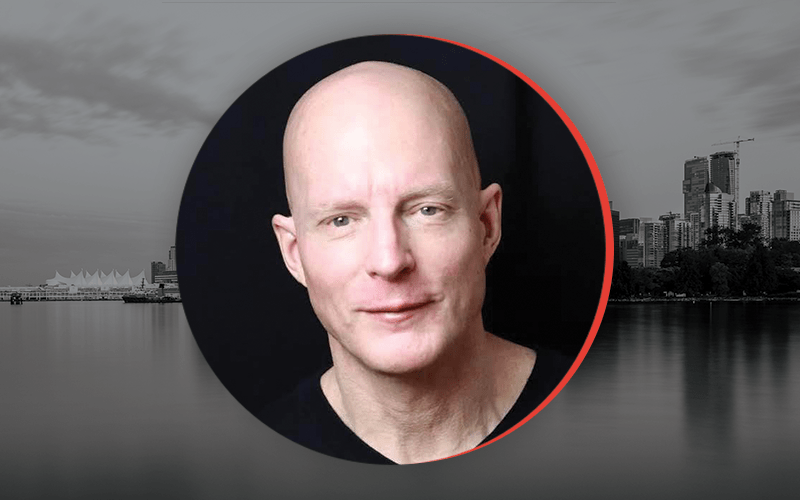
Episode
Dave Brown is an engineer/entrepreneur who emphasizes the centrality of HUMAN-centered DESIGN in the success of any product enterprise....
Key takeaways
- Human-centered design and a strong sense of agency are essential traits for entrepreneurs who want to drive meaningful change from zero to something impactful.
- Building and contributing to a supportive entrepreneurial community creates valuable synergy and opportunities, especially in cities like Vancouver where networking events and meetups offer critical connections.
- Brutal honesty paired with compassion, combined with relentless tenacity, helps entrepreneurs cut through doubt and hesitation to move ideas forward into reality.
- The greatest threat to world-changing ideas is inaction—many brilliant concepts die simply because their creators lack the courage to initiate and make things happen.
- Immersing yourself in wisdom from experienced entrepreneurs and thought leaders, whether through blogs, podcasts, or YouTube, provides faster and more practical learning than traditional books alone.
Transcript
Full transcript page · Interactive episode
============================================================
TRANSCRIPTION WITH SPEAKERS
============================================================

[00:00] SPEAKER_01: Welcome to Canada's podcast, the number one podcast for entrepreneurs by entrepreneurs.
[00:10] SPEAKER_01: Hello, this is Robert Smile, coming to today with a Vancouver's podcast, a member of the
[00:14] SPEAKER_01: Canada's podcast network, where we talk to the entrepreneurs who are making it happen here, Vancouver,
[00:20] SPEAKER_01: British Columbia. Dave Brown is an engineer slash entrepreneur who emphasizes the centrality
[00:26] SPEAKER_01: of human centered design and the success of any product enterprise. He is currently the founder
[00:33] SPEAKER_01: and CEO of Quick Healthcare, focused on the operational dysfunction in hospitals. Quick is building a
[00:42] SPEAKER_01: sophisticated virtual assistant for hospital staff. Well, Dave, welcome to the show. Thanks for
[00:48] SPEAKER_01: taking the time today to be here for all of us. Robert, I'm super psyched to be with you.
[00:55] SPEAKER_01: Great. Okay, I want you to tell us a little bit more about yourself, where you're from,
[00:58] SPEAKER_00: and give us the details on your current business. Well, I'm an engineer, as you said, I come from
[01:07] SPEAKER_00: Ontario and I'm the son of an engineer who was a super geeky guy. He worked in plasma physics
[01:15] SPEAKER_00: for atomic energy and technology was always a theme and it was an important element of my life
[01:27] SPEAKER_00: from when I was quite young. So it didn't take long for me to determine that I was going to be an
[01:33] SPEAKER_00: engineer. And while I was wrapping up my studies between my jobs as a raft guide and studying,
[01:42] SPEAKER_00: I got into working with college pro painters learning a little bit about business in that little
[01:51] SPEAKER_00: universe. Once I was out in the world, I worked in technology for United Technologies, Otis Canada.
[02:00] SPEAKER_00: Then I spent a few years pursuing my growing career. I'm a former national team athlete with
[02:08] SPEAKER_00: growing Canada. Once I retired from full-time training, I returned to technology and did a
[02:16] SPEAKER_00: healthcare startup in here in Vancouver. That's back in the mid-90s now. After trying and failing
[02:24] SPEAKER_00: with that enterprise, I ended up in Silicon Valley and I worked down there in technology and in
[02:30] SPEAKER_00: entrepreneurship as well as design for 12 years. Ten years ago, I returned to Vancouver,
[02:37] SPEAKER_00: dove back into healthcare, another technology startup. I had a couple of false starts
[02:47] SPEAKER_00: learning all the way. I would say it was about three and a half years ago that the concept of
[02:55] SPEAKER_00: quick healthcare started to burn. Now, here we are still early stage, blessed into transform
[03:06] SPEAKER_00: the delivery of care in hospitals. It's a long story, but it is a profound set of dysfunctions and
[03:17] SPEAKER_00: challenges faced by staff who are on the front lines in hospitals, just trying their
[03:24] SPEAKER_00: darkness to survive the chaos in emergency care, desperately trying to help people who are in
[03:31] SPEAKER_00: serious pain or discomfort. Those people, despite the fact that they really are at the leading edge
[03:39] SPEAKER_00: of healthcare delivery, and let's just call it the open mouth of the entire healthcare system,
[03:45] SPEAKER_00: they're working with really crude tools, oftentimes still using clipboards and paper and pencils
[03:53] SPEAKER_00: to document their encounters with patients. That takes time. There are a million other
[04:01] SPEAKER_00: little things that happen that just suck time away from productive attention, decision-making,
[04:09] SPEAKER_00: and treatment for these staff. We see a variety of ways we can help to improve the flow of the work,
[04:19] SPEAKER_00: and of course the journey of the patient from the front desk, the reddish desk, through
[04:26] SPEAKER_00: tree-age, through assessment, through treatment, and back out the door so they can go home,
[04:31] SPEAKER_01: feeling a whole lot better. Okay, go ahead. Did you need financing to start your company,
[04:37] SPEAKER_01: and how do you currently meet money in the business now then? Well, it's still in early stage startup.
[04:43] SPEAKER_00: Of course, financing has been necessary for me to survive this, and I have funded it myself.
[04:51] SPEAKER_00: I have found that the people that are working with me now more than 10 have all
[05:01] SPEAKER_00: assumed a certain amount of personal risk along with me in making this happen, and that has
[05:08] SPEAKER_00: actually been a really good thing because these people aren't here just to make money or to have
[05:14] SPEAKER_00: a job. Everybody that's working with me is a part of a mission to make the world a better place,
[05:20] SPEAKER_00: through a variety of clever methods, and they're all believers along with me in executing this plan.
[05:28] SPEAKER_01: Okay, what is the long-term vision, and what will your company look like in the future? Do you see
[05:32] SPEAKER_01: the company expanding into other areas and where beyond Vancouver, BC, or even Canada?
[05:39] SPEAKER_00: Well, certainly geographically, what we're building should and must work everywhere in the world.
[05:46] SPEAKER_00: The technology we're building, the solution is actually global. Of course, we live here,
[05:55] SPEAKER_00: and because it's a lot less expensive to travel to Vancouver General Hospital,
[06:01] SPEAKER_00: than it is to travel down to Cedar Sinai, and Beverly Hills, we're working with people locally
[06:08] SPEAKER_00: to try to tune the strategy, but our long-term plan certainly is to expand globally.
[06:14] SPEAKER_00: It's less about the geographic distribution. I think more for us, it's as much about the
[06:22] SPEAKER_00: people who are served by this set of applications. And for the time being, our focus is precisely on
[06:30] SPEAKER_00: emergency staff, and of course, the administration that support emergency care delivery, but obviously,
[06:37] SPEAKER_00: eventually, it'll make sense for us to serve the whole hospital. And that will be eventually
[06:43] SPEAKER_00: a very big business that perhaps we will continue to run, or probably more likely somebody will
[06:52] SPEAKER_00: acquire us and give it the financial backing that it needs for that kind of scale.
[06:58] SPEAKER_01: Okay, let's talk a little bit about doing business in Vancouver, and what that's just like for you.
[07:02] SPEAKER_01: What are the biggest benefits for you in being an entrepreneur here in Vancouver,
[07:07] SPEAKER_01: BC? I want you to give us some of the good points about starting a company here, but I also want
[07:12] SPEAKER_01: you to give us some of the tough things or challenges for listeners, so they can keep an eye on them.
[07:17] SPEAKER_00: Sure, well, other people you've interviewed have talked about community in this city. It really is
[07:24] SPEAKER_00: awesome. There are a bunch of people who look past their own business focus with a sort of a conscience
[07:34] SPEAKER_00: about the network of companies that are trying to make it here, and they commit energy to supporting
[07:44] SPEAKER_00: other entrepreneurs. And I really, really believe in that whole philosophy. It's awesome. And anybody
[07:50] SPEAKER_00: coming here with a mission to build something can assume that if they contribute to the community,
[07:59] SPEAKER_00: if they bring their knowledge and their good will to the community, that they can receive lots of
[08:05] SPEAKER_00: support back from it, synergy. And that is really, really great about Vancouver. Another thing that
[08:14] SPEAKER_00: I think describes this city really well is it's something that's probably more obvious to me,
[08:21] SPEAKER_00: given that I lived in Silicon Valley for 12 years. And that is that Vancouver is pretty aspirational.
[08:28] SPEAKER_00: Vancouver tech community kind of aspires to be like Silicon Valley, and it draws from the lessons
[08:36] SPEAKER_00: that are so readily available for us here. And tries to do the kind of adventurous big
[08:45] SPEAKER_00: vision thinking. Sometimes, you know, as Canadians, we can be a little bit too modest, but I think
[08:52] SPEAKER_00: that sentiment of ambition and community allegiance exists here. You asked for some
[09:01] SPEAKER_01: downsides. Yeah, what are some of the tough things that you witnessed?
[09:05] SPEAKER_00: Well, Vancouver is a funny town. I have heard a lot of people say it. It's a beautiful place. People
[09:12] SPEAKER_00: enjoy the lifestyle living in the city. It's fraught with all sorts of opportunities for
[09:19] SPEAKER_00: distraction. You know, parks and of course snowboarding and skiing and golf all sorts of great
[09:26] SPEAKER_00: things that can diversify one's lifestyle. But people can be kind of cliquey. And it can be hard
[09:35] SPEAKER_00: to break in, to feel included, to feel like you're part of a group. Cliques or groups of people are
[09:43] SPEAKER_00: often a little unporous to others. But I would say that the meetup community or sets of communities
[09:56] SPEAKER_00: is a great way to break in. So there are ways of dealing with that issue. You just have to really
[10:01] SPEAKER_00: commit to engaging and some people will say, you know, patience. Right. Just being patient,
[10:09] SPEAKER_01: getting out into the right networks that are accepting you that can help you and enable you to
[10:15] SPEAKER_00: network and connect with the right people. Yeah, I mean, people change, they adapt. They will
[10:22] SPEAKER_00: eventually invite you in if you are persistently present. You know, and I don't mean standing on
[10:29] SPEAKER_00: somebody's doorstep banging on it. I mean, showing up at events and being a generous soul and
[10:35] SPEAKER_00: being interested in what other people are doing. One other thing I want to say about Vancouver
[10:39] SPEAKER_00: that I really have a major beef about. And that is the cost of real estate in this town.
[10:46] SPEAKER_00: It is definitely a huge barrier. It's hard to imagine somebody having the choice of either living
[10:55] SPEAKER_00: here or living in Toronto, all other things being equal, choosing Vancouver, given the high cost
[11:04] SPEAKER_00: of real estate in this town. It's just very hard to afford a property when you've got, you know,
[11:11] SPEAKER_00: family and like two kids. It's just too expensive. And that poses a threat for a lot of
[11:18] SPEAKER_00: local entrepreneurs who want to grow their businesses here and build a team here and bring people in
[11:23] SPEAKER_00: from the outside. That is a challenge that I'm really counting on municipal leadership to
[11:31] SPEAKER_01: solve for us. Okay, we do sort of our best work outside the office. Is there a place in the
[11:37] SPEAKER_01: low and mainline close to where you live or work? We like to go recharge or get inspired with ideas
[11:41] SPEAKER_01: or just think about your business. Is it change with the season considering all the rain we get here?
[11:49] SPEAKER_00: It definitely changes with the season. Heaven knows the North Shore mountains are fantastic for
[11:57] SPEAKER_00: skiing and snowboarding. And of course, Whistler being a world class resort is so close. That's a huge
[12:04] SPEAKER_00: benefit and boon to people that live here and it is for me. I'm a mountain biker and I love to
[12:10] SPEAKER_00: hit the North Shore trails on my mountain bike. I'm also a huge fan of Pacific Spirit Car. The UBC
[12:18] SPEAKER_00: Endowment Lands is such an amazing place to just walk and contemplate the beauty and think about
[12:25] SPEAKER_00: how to, you know, beat that business challenge that just seems to continually forward us. So I
[12:33] SPEAKER_00: love going into the Endowment Lands to ride or to hike. Yeah, I mean, there's just so many
[12:42] SPEAKER_00: different opportunities for recharging. And of course, in the winter, snowboarding is just perfect
[12:51] SPEAKER_01: for me. Okay, now we have a lot of international listeners. So this next question I want you to
[12:57] SPEAKER_01: speak to them. If you were to start all over again and you just moved here to Vancouver, BC, but
[13:02] SPEAKER_01: this time you don't know anyone knowing what you know now, what would you do? Now as you go
[13:07] SPEAKER_01: about starting all over again as an entrepreneur. That's a frightful thought.
[13:14] SPEAKER_00: Well, I mean, for somebody coming here, I mentioned earlier the sort of meetup community in Vancouver.
[13:22] SPEAKER_00: It's really awesome, very active. There are lots of things going on. No matter your interest,
[13:27] SPEAKER_00: there surely is a meetup event, a regular meetup event that caters to your interest. It's one way
[13:37] SPEAKER_00: to build community and feel like you're part of something. And of course, to meet people who may
[13:42] SPEAKER_00: you know, be keen to go into business with you. I say just get involved. One of the regular events
[13:51] SPEAKER_00: that I'm a huge fan of is Tech Band-Couver. The people who put those events on are just amazing
[13:58] SPEAKER_00: human beings and they're doing an incredible service. Those events are really well attended.
[14:04] SPEAKER_00: And they're really fun and tons of great speakers come in and present at those and the networking is
[14:11] SPEAKER_01: just second to none. Okay, let's talk about your routine. What does the first hour look like for you
[14:17] SPEAKER_01: when you get up in the morning? Do you have a specific routine or a ritual that helps you get
[14:20] SPEAKER_00: motivated to start your day? I'm not one of potent routines. I mean, as an athlete in the past,
[14:29] SPEAKER_00: when I was, you know, growing. And I did grow super, let's say, actively and competitively for
[14:37] SPEAKER_00: about three decades. I did have a strict routine of waking up and jumping in the car and heading
[14:43] SPEAKER_00: to the rowing club. Now it is more organic. It depends on how awake I feel, but, you know,
[14:52] SPEAKER_00: yeah, usually popping up in the laptop and reading email and taking stock of the schedule I've got
[14:59] SPEAKER_00: laid out for the day and the things that I need to get done. If I haven't already plotted my tasks,
[15:05] SPEAKER_00: I will tend to do that in the morning when it's still quiet. Yeah, that's about it. A little bit of
[15:11] SPEAKER_00: breakfast. I totally believe in eating a healthy breakfast before you get into your day.
[15:20] SPEAKER_00: Doing a morning meal is in my view a really bad idea. Okay, do you think entrepreneurs have to be
[15:26] SPEAKER_01: weird or unique in a positive way or wired differently? You know, that's a really interesting question.
[15:36] SPEAKER_00: We're, it wouldn't be the word, although some people may see us that way. What I think is common to
[15:45] SPEAKER_00: most, if not all entrepreneurs, is a certain kind of ambition, sort of a clarity of purpose and
[15:54] SPEAKER_00: interest, along with a great sense of agency. So what I mean by that is that, you know, we feel like
[16:03] SPEAKER_00: by our efforts, we can cause something to happen. And I've learned over the years of that is not
[16:11] SPEAKER_00: necessarily common to all people. I think a lot of people are ready to kind of wait for somebody
[16:19] SPEAKER_00: else to be at cause to make something happen. And you know, somebody might say that sort of an
[16:25] SPEAKER_00: employee mentality is not a bad thing. I mean, teams need a multiple, you know, a variety of
[16:34] SPEAKER_00: character types, personality types. But for the entrepreneur, the person who is going to drive a
[16:40] SPEAKER_00: business from zero to something in a modest amount of time, they have to have clarity of vision and
[16:49] SPEAKER_00: ambition. And certainly that sense of, yes, I can do it. And if it is going to happen, I have to,
[16:57] SPEAKER_01: I have to initiate it. Okay. What books are you reading now and why are you from audio books? And
[17:03] SPEAKER_01: can you recommend any books for listeners who are all sort of aspiring entrepreneurs?
[17:09] SPEAKER_00: Right. Yes. So I used to read more, read more books than I do now. I find it very hard to
[17:18] SPEAKER_00: pay attention to a book from front cover to back cover. I find myself often pulling bits from here
[17:29] SPEAKER_00: and there. Unless of course it's a novel that were expected, that you really need to read it from
[17:34] SPEAKER_00: start to finish to feel and experience the narrative. But you know, when it comes to sort of business
[17:41] SPEAKER_00: and educational content, might go to tends to be more blogs and God, I love YouTube. I just think
[17:50] SPEAKER_00: there are some, I mean, if somebody is leading author, it's almost a sure thing that you can find
[17:57] SPEAKER_00: interviews and presentations by them on YouTube or on podcasts like you, Robert. Thank you.
[18:07] SPEAKER_00: Yeah. You know, there is so much content available to those of us who have too much ADD to sit
[18:14] SPEAKER_00: down with a book and read it from front to back. And of course, because we as entrepreneurs,
[18:21] SPEAKER_00: especially in technology and in healthcare, we have to have such a broad and diverse set of
[18:27] SPEAKER_00: appetites and curiosity. No one book is going to do it. And many blogs and many articles
[18:37] SPEAKER_00: are, well, ultimately for me, a much more effective way of staying on top of what's happening and learning.
[18:43] SPEAKER_00: I had that I have flip board on my phone. And damn, if that isn't an amazing way of swiping
[18:52] SPEAKER_00: through a broad array of subjects and going relatively deep over a rather brief spell of time,
[19:00] SPEAKER_00: you can scope out what's happening on a bunch of different topics quickly. So I love that.
[19:08] SPEAKER_01: Okay. What online or offline tools do you use on a daily basis?
[19:13] SPEAKER_00: I use a pen too much. I hate the thing. I just can't control it properly, but I still sometimes
[19:19] SPEAKER_00: find myself trying to take notes with a notebook. And well, you know, I think all the smart money
[19:26] SPEAKER_00: would still say, yeah, I have a notebook with you. What I honestly seem to do better with the
[19:34] SPEAKER_00: keyboard and eventually my voice in just talking to an application. But
[19:42] SPEAKER_00: Swap Slack is really vital for my team. We communicate a lot via Slack a little bit by email.
[19:52] SPEAKER_00: And one of the tools that just continues to blow my mind in this utility is HubSpot.
[20:00] SPEAKER_00: It's an amazing platform for capturing dialogue, especially email. But anytime I've interacted with
[20:11] SPEAKER_00: somebody, I'm going to have a profile in HubSpot for them. I have one now for you, Robert. And anything that
[20:19] SPEAKER_00: goes on in email gets logged in there, providing it's appropriate to log it in HubSpot. And of course,
[20:26] SPEAKER_00: it's really good for tracking progress in goals or pursuits, whether it's pursuing relationships with
[20:34] SPEAKER_00: potential partners or customers or investors or what have you. It's just an awesome platform.
[20:41] SPEAKER_00: And for free, a person like me can use the CRM and all its power,
[20:49] SPEAKER_00: knowing full well that there are suite of other marketing tools that are available when
[20:53] SPEAKER_00: when we're ready to pay the the hefty price for. Okay, if you were doing what you do now,
[21:00] SPEAKER_01: what would you like to do for a profession? If I wasn't doing what I'm doing now.
[21:08] SPEAKER_00: Well, you know, I still and always will love sports and rowing. And I have done some coaching in the
[21:18] SPEAKER_00: past. I loved coaching, not necessarily the cold early mornings. But if I could, if I didn't
[21:28] SPEAKER_00: have to worry about the low salary, I'd probably coach. And another thing that I've always loved
[21:35] SPEAKER_00: is drumming. I'm a musician. I started playing drums when I was eight years old. And
[21:42] SPEAKER_00: I still aspire to play regularly. It's really hard to do it now because of all the other
[21:49] SPEAKER_00: commitments I've gotten life. But yeah, if I didn't have to worry about money, I'd probably
[21:56] SPEAKER_00: try to find a couple of bands to play with and jam and perform for what little I could squeeze
[22:05] SPEAKER_01: out of it financially. What kind of a job would you not like to do? Couldn't do it.
[22:13] SPEAKER_00: Something that was really repetitive and monotonous. And that sounds sort of critical. I'm
[22:21] SPEAKER_00: thinking of working on an assembly line or something where there was a very brief period of an
[22:29] SPEAKER_00: activity that cycled and recycled over and over again. I just don't think I could do it.
[22:37] SPEAKER_00: I'd go crazy. I often think too that I love that lawyers exist to protect us from our own
[22:51] SPEAKER_00: fallibilities. Their important utility in the business landscape, but God, I just couldn't do
[22:57] SPEAKER_00: their jobs. There's way too much fussiness over the finest details and language, and that would
[23:05] SPEAKER_01: drive me nuts. In business, what is your favorite word quote or sentence that you like to use?
[23:13] SPEAKER_00: I find myself saying things that are context dependent. What I would find myself saying generally
[23:25] SPEAKER_00: or globally, no matter the circumstances, probably something like this is sort of a pathetic cliche,
[23:31] SPEAKER_00: but just do it. Very often we're our own worst enemies, we think, and then doubt and question,
[23:39] SPEAKER_00: and hesitate. And I'm looking at this and I think doubting and reflecting and asking ourselves
[23:47] SPEAKER_00: the tough questions is a really good thing, but I really believed that some of the world's most
[23:54] SPEAKER_00: amazing ideas die because the person who had that idea just didn't have the gumption to
[24:02] SPEAKER_00: move forward and make something, make that thing happen. Even if it just involved telling people,
[24:09] SPEAKER_00: it doesn't mean that you have to sit down and learn a programming language. There are people that
[24:14] SPEAKER_00: are willing to help, but somebody's got to start and initiate that spark and make it happen,
[24:20] SPEAKER_01: and just do it is really how it starts. What is your least favorite word sentence you do not like to
[24:26] SPEAKER_00: hear? I don't like the word can't. Sometimes it's valid. I think oftentimes it's in excuse,
[24:38] SPEAKER_00: for I don't want to, and it doesn't really feel genuine. And I don't like the inauthenticity of
[24:48] SPEAKER_00: that word, and it's frequent use. If somebody doesn't want to do something, just say it.
[25:00] SPEAKER_00: Actually, that's something that at times I know I'm, it's a trap that I can fall into too, but
[25:07] SPEAKER_01: yeah, can't. It's a bad word. Okay, if you had to pick one or two words to describe yourself,
[25:14] SPEAKER_00: what would it be in why? Well, I hear it a lot now that I'm tenacious. So that's certainly one.
[25:26] SPEAKER_00: I think there's another word, and this is something that I aspire to, and that is just relentless
[25:32] SPEAKER_00: honesty with compassion. It doesn't mean telling a person every nasty thought you may have about them
[25:41] SPEAKER_00: if you're having a bad day. But yeah, for me, it's kind of always trying to peel back to the truth.
[25:51] SPEAKER_00: What is it really that I'm thinking and presuming it's fair and useful to say it out loud,
[26:03] SPEAKER_00: people can pretty much always count on me to talk straight. What keeps you up at night if anything?
[26:11] SPEAKER_00: What keeps me up at night? Anxiety. The anxiety that comes from
[26:17] SPEAKER_00: taking, well, certainly this risk with quick healthcare, not the fear of failure so much as
[26:29] SPEAKER_00: in a more precise way, the fear of dropping a ball or forgetting to get something done. And of
[26:42] SPEAKER_00: pretty good with documenting my plan, but I'm always worried that I've missed something, and that
[26:48] SPEAKER_00: definitely has me restless at two in the morning at times. Okay, I want you to give us the top three
[26:56] SPEAKER_01: things on your inspired lifeless. This could be a TEDx talk. This could be traveling more for
[27:01] SPEAKER_00: philanthropy, write a book, anything like that. The things that I want to do in my sort of ultimate
[27:08] SPEAKER_00: destiny. Yeah, so thank you. You'd like to achieve? Well, certainly, I mean, quick healthcare is
[27:16] SPEAKER_00: deeply meaningful to me. And it's a life's work project, for sure. But on top of this, I feel like I've
[27:30] SPEAKER_00: paid a lot of dues over the years, both as an athlete, as a person I suppose, as well in my
[27:35] SPEAKER_00: own personal journey. And also as an entrepreneur, and I feel a profound desire to
[27:43] SPEAKER_00: make whatever insights experience and energies I've got available to other people as well. I
[27:53] SPEAKER_00: mean, I do love to connect and to support other entrepreneurs who are straight talking honest and
[28:02] SPEAKER_00: compassionate as well as ambitious. I look for those characteristics and others, and I want to
[28:07] SPEAKER_00: support people who possess those traits and have something that they deeply want to achieve.
[28:14] SPEAKER_00: And I think that really is something that I intend on doing until I'm dead.
[28:22] SPEAKER_00: Love also to, at some point in the future, have a studio, a drum set or two, and other musicians
[28:30] SPEAKER_00: to play with. I mean, that will be fantastic when I have time and the reserves to do that.
[28:39] SPEAKER_00: Yeah, I think that hits the key points. It's not very spectacular and romantic, but yeah,
[28:46] SPEAKER_01: that's really what I want. Do you have any advice that you may have received that you can pass
[28:54] SPEAKER_00: on to entrepreneur Sarberage Columbia? Well, I mean, I pick up stuff from all sorts of people,
[29:05] SPEAKER_00: and I feel it's kind of like, you know, not necessarily accountable to any one person.
[29:11] SPEAKER_00: But I think if there is one person who has been generous with their advice, again, maybe at this
[29:19] SPEAKER_00: point kind of a standard go-to or cliche, but Steve Blank has shared so much brilliance with us
[29:30] SPEAKER_00: as entrepreneurs, as business people, as people who are world changers, we can call that mental.
[29:38] SPEAKER_00: And I just think that every entrepreneur should immerse themselves in the wisdom that is now,
[29:43] SPEAKER_00: not terribly fresh and new, but still really powerful stuff. One other
[29:51] SPEAKER_00: person or group of people who's brilliance, I'm constantly sort of utilizing as
[29:59] SPEAKER_00: Sam Harris, Christopher Hitchens, Richard Dawkins, among others in that circle of geniuses.
[30:09] SPEAKER_00: These guys are all about sort of brutal reason and honesty, looking at an unfiltered view of reality,
[30:23] SPEAKER_00: taking it in and being really clear on what is happening, what your intentions are,
[30:30] SPEAKER_00: and what has happened. I just feel like that is the greatest medicine in a world that is so often
[30:39] SPEAKER_00: fact-free. I think what these guys have said are really important insights and generous bits
[30:51] SPEAKER_01: of wisdom for all of us to consume. Okay, Dave, you ready to have some fun? Let's go for us.
[31:01] SPEAKER_01: Okay, as you know entrepreneurs are very, very busy people, we're always connected, we're always
[31:06] SPEAKER_01: online, we're always on the go, but we're going to take you away from all that. There's a small
[31:11] SPEAKER_01: tropical island, just up at Fiji, that only has one phone booth there. There is no internet, this
[31:15] SPEAKER_01: place does exist. We're going to drop you off there, you won't have a computer, a smart owner,
[31:20] SPEAKER_01: tell it, you can use the phone booths, okay, is there any time to call the boat and we'll come
[31:25] SPEAKER_01: pick you up. How long would you last before you made that call? And what would you do while you were
[31:30] SPEAKER_00: there? You know, that's a tricky one. So I think it depends on the people that are there. The thing
[31:41] SPEAKER_00: that's really cool about that, I think, unfortunately, unlikely location is that, you know, the internet tends
[31:50] SPEAKER_00: to invade everybody everywhere and not that that's a bad thing, but it would be really cool if indeed
[31:58] SPEAKER_00: this community of islanders existed and we're totally disconnected from the outside world. I really
[32:06] SPEAKER_00: want to know what they think, what they believe and why. That doesn't necessarily answer your
[32:13] SPEAKER_00: question. I suppose it would depend on how many of them there were and how welcome I was to
[32:19] SPEAKER_00: to meet them and get to know them. So could be a day, a week, but probably no more than a month,
[32:31] SPEAKER_00: because yeah, I really like my phone and my community here in Vancouver and my family, my daughter,
[32:39] SPEAKER_01: and my friends. Okay, Dave, we're going to wrap things up. How can listeners get hold of you and
[32:44] SPEAKER_01: is there anything you'd like to add before you leave us today? Well, okay, so reaching me,
[32:51] SPEAKER_00: I'm on LinkedIn and Dave Brown is a pretty common name, but quick healthcare, QIQ, healthcare
[32:59] SPEAKER_00: is not a common name. So somebody wants to find me, they can find me there. And by the way,
[33:05] SPEAKER_00: I'm looking for investors, smart investors who can contribute insight and wisdom to the specifics
[33:13] SPEAKER_00: of what we're doing. Analysts as well. I'm there and eager to hear from people,
[33:21] SPEAKER_00: certainly on both those platforms. Another thing that I'd like to say is Robert, I'm really super
[33:28] SPEAKER_00: grateful that you do this. It's just an amazing service that people can learn from. And it's
[33:37] SPEAKER_00: I insist better than a book because you actually hear the voice of the person sharing their
[33:45] SPEAKER_00: experiences and insights. And it's a powerful value and product that you're providing to all of us.
[33:52] SPEAKER_01: So thanks a lot for doing it. Well, thank you very much for that nice compliment, really appreciate that.
[33:58] SPEAKER_01: Okay, Dave. Well, thank you for coming on the show. I've learned a lot about you, and I'm sure
[34:02] SPEAKER_01: our listeners have as well. Well, I hope we talk again sometime. Yes, okay. We'll see you next time.
[34:09] SPEAKER_01: Bye for now.