
Bonnie Lewtas’ TurtlCo is Helping “Hotels” Restructure as Local Essential Infrastructure
Episode
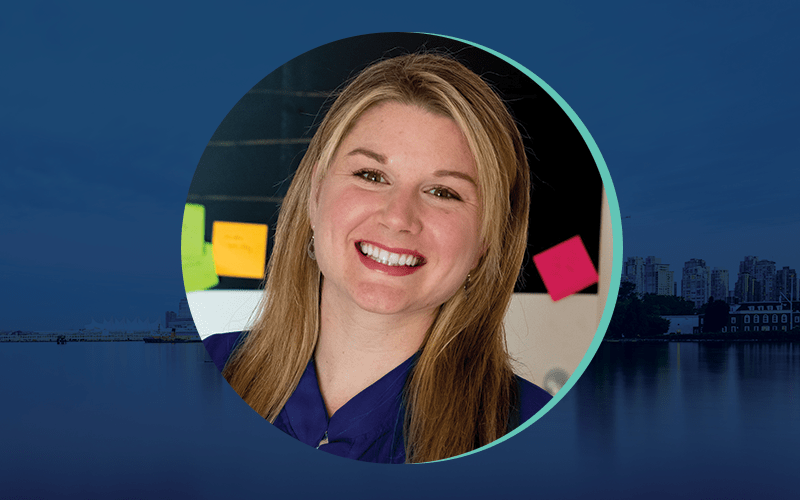
Bonnie Lewtas helps islands around the world become self-sufficient and resilient against climate change. She specializes on innovative energy,...
Key takeaways
- Hotels can transition from serving what people want to serving what people need by converting spaces into recovery care facilities, long-term wellness centers, or community hubs during tourism downturns.
- Resilient hospitality businesses should focus on becoming producers rather than just consumers by generating their own food, electricity, and products that can serve both guests and local communities.
- The future of tourism lies in authentic, workshop-based experiences where guests can connect with local artisans and creative talent rather than cookie-cutter tourism packages.
- Islands serve as ideal testing grounds for holistic sustainability solutions because you can see entire interconnected systems of energy, water, and waste management in one contained location.
- Flattening the seasonal peaks and troughs of tourism through diverse revenue streams and year-round programming creates more sustainable and profitable hotel operations than relying solely on high-season visitors.
Transcript
Full transcript page · Interactive episode
============================================================
TRANSCRIPTION WITH SPEAKERS
============================================================

[00:00] SPEAKER_01: It's VanCouver's podcast on the Canada's podcast network.
[00:05] SPEAKER_00: Hello everyone, I'm Angela Faye, Hub Builder and co-host of British Columbia's Podcasts.
[00:12] SPEAKER_00: Part of the Canada's podcast network, you're source for great insights from entrepreneurs
[00:17] SPEAKER_00: from across Canada.
[00:18] SPEAKER_00: We talked entrepreneurs who are making it happen here so you can listen, discover and engage.
[00:23] SPEAKER_01: I am super excited to welcome Bonnie Lutus here who is a Canadian with a very niche business,
[00:31] SPEAKER_01: which I'm excited to introduce you to currently living overseas.
[00:34] SPEAKER_01: So where are you, Bonnie, right now?
[00:36] SPEAKER_02: Yeah, right now I'm in Amsterdam in the Netherlands.
[00:39] SPEAKER_01: Let's talk about your physical travel journey first.
[00:42] SPEAKER_01: Where are you from in Canada and how did you end up in the Netherlands?
[00:46] SPEAKER_02: Yeah, so it's quite a long story, but I will try to make it as quick as possible.
[00:50] SPEAKER_02: So I'm originally from just outside of Montreal, just a west of Montreal, and I lived there
[00:55] SPEAKER_02: until I was about 18.
[00:57] SPEAKER_02: And then I moved to Germany for a year and then I moved back from Germany and I studied
[01:03] SPEAKER_02: on the East Coast of Canada.
[01:05] SPEAKER_02: I studied environmental and sustainability studies at Acadia University and I did a minor
[01:11] SPEAKER_02: in business and innovation and I'm an exchange here in Germany.
[01:15] SPEAKER_02: So through that I learned German and then that led me to be able to qualify for the Masters
[01:21] SPEAKER_02: program in Germany and sustainable tourism management.
[01:24] SPEAKER_02: I lived and worked there for a couple of years and then I just moved over the border to
[01:30] SPEAKER_02: the Netherlands and ended up in Amsterdam because I just fell in love with the city.
[01:35] SPEAKER_02: And throughout that whole process I did a lot of work in the Caribbean so I wrote my
[01:38] SPEAKER_02: Bachelor of Masters thesis in the British Virgin Islands.
[01:42] SPEAKER_02: So kind of bouncing all over the globe for the past few years.
[01:45] SPEAKER_01: Yeah, so you've got all this academia behind you and yet you are an entrepreneur at this
[01:50] SPEAKER_01: point in your business.
[01:53] SPEAKER_02: Yeah, exactly.
[01:53] SPEAKER_02: So I mean my academic background was quite focused on business.
[01:57] SPEAKER_02: So I was, I have a Master of Arts and Business Management and I did a minor in entrepreneur
[02:04] SPEAKER_02: and innovation, but I've always focused on islands.
[02:06] SPEAKER_02: So I've always really, when I was about 13, I took my first trip overseas to Hawaii and
[02:14] SPEAKER_02: just completely fell in love with Island life and I was like, all right, this is for me.
[02:18] SPEAKER_02: But then I really saw that the travel and tourism industry kind of had a negative impact
[02:22] SPEAKER_02: on the environment and the reason I was there was to see the environment, you know, the turtles,
[02:27] SPEAKER_02: the whales, the dolphins.
[02:28] SPEAKER_02: So yeah, I was like, okay, there has to be a better way for that.
[02:31] SPEAKER_02: So I basically started researching into that topic about how tourism can improve the local
[02:39] SPEAKER_02: environment rather than degrading it.
[02:41] SPEAKER_02: That's basically what I dove into and now it's about 12 years later and still working on that.
[02:46] SPEAKER_01: Now, of course, we have islands and turtles having had a guest house called the painter's
[02:50] SPEAKER_01: turtle guest house at our pass.
[02:52] SPEAKER_01: And in full transparency, how Bonnie and I know each other is we are both fellow ambassadors
[02:57] SPEAKER_01: with island innovation.
[02:59] SPEAKER_01: So, you know, we're part of a movement if you like about sharing knowledge and resiliency,
[03:05] SPEAKER_01: sustainability and, you know, to help regional ecosystems become, you know, more resilient,
[03:12] SPEAKER_01: a particularly valuable in the next economic climate.
[03:17] SPEAKER_01: One thing that jumped out at me in our conversation was
[03:22] SPEAKER_01: tickular niche area that you are offering expertise in right now, which is particularly
[03:29] SPEAKER_01: needed in this COVID era and kind of the emergence of what's going to happen next.
[03:37] SPEAKER_01: I mean, globally, we have all of this major infrastructure investment in hotels that,
[03:44] SPEAKER_01: you know, potentially will take predictions.
[03:47] SPEAKER_01: I hear five years, maybe even longer, maybe it will never be the same,
[03:51] SPEAKER_01: but there's significant opportunity in hotels, you know, being able to pivot or transition
[03:58] SPEAKER_01: into a community-based infrastructure.
[04:01] SPEAKER_01: Those are some of the ideas that we talked about.
[04:03] SPEAKER_01: Can you provide some insight on what you're thinking on that?
[04:06] SPEAKER_02: Yeah, exactly.
[04:07] SPEAKER_02: So, hotels are a really interesting topic for me because when I look at islands, the reason I
[04:13] SPEAKER_02: start focusing on islands, I'm going to backtrack a bit.
[04:15] SPEAKER_02: The reason I start focusing on islands to begin with is not just because I love them and I find
[04:20] SPEAKER_02: them really amazing, but it's also because I tend to think quite holistically,
[04:24] SPEAKER_02: and it's really hard for me to rein myself in and focus on one specific topic.
[04:29] SPEAKER_02: So, what's nice about islands is you can encompass an entire solution, you know, a really
[04:36] SPEAKER_02: holistic ecosystem or, you know, the energy is connected with the water, connected with the
[04:40] SPEAKER_02: waste and everything like that.
[04:42] SPEAKER_02: So, you can see the entire solution in one place and then scale it up from there.
[04:47] SPEAKER_02: So, there's been a lot of this concept of islands becoming test beds for innovation.
[04:50] SPEAKER_02: I'm sure you've heard about that through the work that we're doing with island innovation.
[04:55] SPEAKER_02: But yeah, so hotels, it's basically the same concept.
[04:58] SPEAKER_02: You have an entire community, basically, or an entire way of living that you need to
[05:03] SPEAKER_02: encompass in this one building.
[05:05] SPEAKER_01: Kind of helping finish that thought, which is, you know, what hotels
[05:08] SPEAKER_01: is a little ecosystem in itself, right?
[05:10] SPEAKER_01: There's a restaurant, there's meetings, there's rooms, there's bedrooms, right?
[05:14] SPEAKER_01: There's common living space, there's a front desk, right?
[05:18] SPEAKER_01: There's bathrooms, so there's like a whole entire living, breathing,
[05:23] SPEAKER_01: community ecosystem within one physical space.
[05:26] SPEAKER_02: Exactly, you're basically, yeah, that's exactly what it meant.
[05:29] SPEAKER_02: So, you're basically scaling down the community into, you know, even a smaller box,
[05:32] SPEAKER_02: which is, which would be the hotel.
[05:34] SPEAKER_02: And hotels are also usually the main form of development on an island.
[05:39] SPEAKER_02: So, tourism is often the main industry hotels are then the main form of development.
[05:42] SPEAKER_02: So, if you don't focus on the hotel pillar, I feel like you're often missing a big
[05:47] SPEAKER_02: piece of the puzzle, if not the foundation of the puzzle.
[05:50] SPEAKER_02: So, this idea of dynamic business models has come up a lot lately with COVID, you know,
[05:57] SPEAKER_02: and Corona, and the ones that are basically, in my opinion, going to survivor,
[06:02] SPEAKER_02: the ones that are really now becoming dynamic and thinking of how can we transition,
[06:08] SPEAKER_02: you know, because the tourists just aren't coming, how they used to.
[06:10] SPEAKER_02: So, how can we transition from serving something that people wanted to
[06:14] SPEAKER_02: serving something that people need?
[06:16] SPEAKER_02: And I think that's really the defining factor of who's going to survive this and who's not,
[06:21] SPEAKER_02: is really looking at, okay, what do we have to offer and how can we tailor that and not
[06:25] SPEAKER_02: trying to hold on to this business as usual, what we've always done, but really looking at what
[06:29] SPEAKER_02: does the community need? Also, what do the countries need that surround us?
[06:34] SPEAKER_02: So, there's been a lot of talk about the new form of tourism coming up, they will open up
[06:40] SPEAKER_02: slowly to certain regions, so they will probably open up to the neighboring areas,
[06:44] SPEAKER_02: and then expand, expand, but it's not going to be a type of global travel immediately.
[06:49] SPEAKER_02: So, then you really have to tailor your package to what people need.
[06:54] SPEAKER_01: And what are you hearing in your circles, even with the existing clients? What are the,
[06:59] SPEAKER_01: what are the three steps or mindsets that we need to embrace before we even get to a solution?
[07:07] SPEAKER_01: How do we get from crisis to, I have no income in my hotel, this massive infrastructure
[07:16] SPEAKER_01: investment to getting to becoming a need, but in an essential need. What has to happen? What do you think?
[07:25] SPEAKER_02: It's a good question, also quite a tough question. I would say, first of all,
[07:31] SPEAKER_02: kind of this entrepreneurial drive, I hope that a lot of the hotel owners initially have as well,
[07:36] SPEAKER_02: but really to look at, as an entrepreneur, what can I offer and what do I have?
[07:42] SPEAKER_02: So, that would be the first thing, maybe at an brainstorming and writing it down,
[07:46] SPEAKER_02: like literally what do you have to offer? And in the case of hotels, I mean, people need food,
[07:52] SPEAKER_02: people need bedrooms, people need, people still need things that hotels can offer,
[07:57] SPEAKER_02: it's just going to be a different market, and I think having into that, then I would also suggest
[08:02] SPEAKER_02: to look at the resources in your area. So, I'm sure in a lot of islands there are organizations
[08:08] SPEAKER_02: that are helping with these types of things, there are calls for proposals that they can tap into,
[08:12] SPEAKER_02: there's funding, they can tap into, of course, every island is different, some are more
[08:16] SPEAKER_02: advantage, some are less advantage. Yeah, but really looking at the community resources, the
[08:22] SPEAKER_02: national resources and the international resources that you can tap into. And then,
[08:28] SPEAKER_02: yeah, this kind of out of the box thing is just really, really important.
[08:32] SPEAKER_01: When the local story I could share is with like Axen Inn's, my
[08:37] SPEAKER_01: a colleague of mine in the industry, you know, they opened up their, because that's a motel
[08:42] SPEAKER_01: style of hotel is they opened up to first responders who, you know, were healthcare workers couldn't
[08:48] SPEAKER_01: felt fearful about going home and taking the potential risk of them transmitting, you know,
[08:53] SPEAKER_01: disease to their family. So, they were sleeping in their cars and so, you know, hotel z stepped
[08:59] SPEAKER_01: up and said, let's do that. So, that's kind of the first responder. But so I think there's,
[09:03] SPEAKER_02: there's kind of three things that you have to look at that you have to look at the short-term
[09:06] SPEAKER_02: strategy, the medium and the long term, right? And so, these types of things are absolutely
[09:12] SPEAKER_02: necessary in the short term. And that's something that hotels have to kind of jump on right away.
[09:17] SPEAKER_02: I've also seen, you know, videos of hotels being very quickly converted into hospitals and things
[09:22] SPEAKER_02: like that as well as then thinking, okay, what can we do in the medium term and what is also our
[09:27] SPEAKER_02: long term plan? So, I will give you some examples. I'm working on a project right now called
[09:32] SPEAKER_02: Islands of Innovation. It's an EU Interagfunded project. So, it's been going on for three years now,
[09:39] SPEAKER_02: has one year left in the project. Right now, we're developing follow-up projects that with the
[09:44] SPEAKER_01: existing network. It's a link or website that people could just check that out. I think it's
[09:52] SPEAKER_02: innovation is the project. Okay. And I'm quite sure the link is Innovation Island. Yeah, and you
[09:57] SPEAKER_02: can also download our our guide, which actually is a great tool to assess the local situation and
[10:04] SPEAKER_02: then tip it in a more innovative direction. So, through this project, we we have been developing
[10:09] SPEAKER_02: proposals for sustainable tourism and for resilience tourism for follow-up projects. Then COVID hit
[10:17] SPEAKER_02: we kind of got together, I guess virtually, because we didn't actually see each other, but we
[10:22] SPEAKER_02: got together and we said, okay, you know, it's throw those proposals out the window because
[10:26] SPEAKER_02: there's a bigger issue here right at the moment. So, we scratch everything and in a matter of weeks
[10:32] SPEAKER_02: wrote a new proposal to basically convert the section of the hospitality industry on the islands
[10:39] SPEAKER_02: in the water and sea area into recovery care facilities for people who are recovering from COVID.
[10:47] SPEAKER_02: They're not positive, testing positive anymore, but they, you know, still need help. They're not
[10:52] SPEAKER_02: feeling very well. They need clean air to breathe. They need a connection to nature. They need,
[10:56] SPEAKER_02: you know, a recovery. So, there's also a lot of people in Europe who have depression or anxiety
[11:04] SPEAKER_02: or maybe they lost loved ones and they're, you know, just not doing so well or the lockdown hit
[11:09] SPEAKER_02: them really hard. So, they're feeling very confined and they need to reconnect with themselves,
[11:15] SPEAKER_02: reconnect with nature and also find a kind of path to healing and all the, all the recovery
[11:20] SPEAKER_02: facilities, you know, on the mainland. They're already overcrowded. So, that was basically our vision
[11:26] SPEAKER_02: for the, for the coming couple years to really reposition the islands as the wellness space,
[11:32] SPEAKER_02: get the adequate Medicare on board, get the adequate service, and, you know, then also give the
[11:38] SPEAKER_02: hotel something to do because the hotel industry in the water and area in general here is it's very
[11:44] SPEAKER_02: much summer-based. So, of course, right now is the summer season and they're not having any influx
[11:49] SPEAKER_02: of guests. So, once the summer season is over, they've been hit a low period. So, it's not like
[11:54] SPEAKER_02: they're going to make that up again in three months. So, with this, we can turn them more into long-term
[12:00] SPEAKER_01: care facilities. When we talked a little bit about that, you know, one of the, I guess, challenges
[12:06] SPEAKER_01: or realities of tourism is that it's this big peak in trough. Typically, some, some destinations and
[12:12] SPEAKER_01: resorts have managed to, you know, get two seasons like Whistler or Colorado or some of those places,
[12:17] SPEAKER_01: but maybe one of the long-term solutions that you and I kind of talked about is just, you know,
[12:22] SPEAKER_01: somehow flattening that curve literally is the Evan Flow is, you know, flattening the curve in
[12:27] SPEAKER_01: the tourism industry and sometimes the more sustainable, easy solution is actually to even that out
[12:37] SPEAKER_01: with long-term care facilities or like we said, innovation labs or office spaces, co-working spaces
[12:42] SPEAKER_01: where you can get out of their house and go work in a private room, but still have access to the food
[12:50] SPEAKER_01: and the, you know, the common areas where they can bump into like-minded people. Yeah, definitely,
[12:54] SPEAKER_02: and I'm glad you brought in this sustainability aspect because that's what I was going to go into
[13:00] SPEAKER_02: about the short-term, medium-term and long-term. So the medium-term would of course be these care
[13:05] SPEAKER_02: centers, but also there's a plan to design them to be really circular, really sustainable, produce
[13:11] SPEAKER_02: their own food, produce their own electricity, you know, so that when the care facilities aren't
[13:17] SPEAKER_02: necessarily needed and tourism can then return to normal, that they will be well positioned to then
[13:23] SPEAKER_02: cater to a more resilient, more sustainable and more cost-effective way of producing tourism or
[13:29] SPEAKER_02: or hosting tourism because, you know, they can produce their own electricity, they can maybe even
[13:34] SPEAKER_02: supply that to the community, you know, so this idea of also having a hotel, not just consume, consume,
[13:42] SPEAKER_02: consume, but also produce is really what resilient businesses are doing. For example, if you had a
[13:48] SPEAKER_02: hotel right now that had a hydrophone and greenhouse and produced its own food, you know, that had a
[13:53] SPEAKER_02: waste water management system that produces own electricity that maybe even partnered with a
[13:59] SPEAKER_02: company to start up an onsite cosmetic manufacturing company, you know, to make their own
[14:04] SPEAKER_02: shampoos or face creams or hand creams. These are all things that are still needed, so you could very
[14:10] SPEAKER_02: easily convert that and then start selling to the local community rather than or providing for
[14:15] SPEAKER_02: the local community rather than the tourists. I think the future of hospitality is, you know,
[14:20] SPEAKER_01: to be diverse in what you're offering. And something that keeps coming up in conversations for me is
[14:26] SPEAKER_01: like these experienced centers and that's really kind of what you're talking about, right? As you
[14:31] SPEAKER_01: were saying, cosmetics and that I can think of my girlfriend that produces, you know, hand cream and
[14:36] SPEAKER_01: her basement. Yeah, it could easily become a maker space for boutique and artisan products.
[14:42] SPEAKER_02: Yeah, exactly. That's exactly the plan and it's not only valid for the COVID period. I mean, the
[14:47] SPEAKER_02: the way we integrated it into this was really about the experience, the healing experience. So,
[14:54] SPEAKER_02: you know, now with this whole situation, people want to know where their food comes, they want to
[14:58] SPEAKER_02: know what they're consuming, you know, and also it's very therapeutic to kind of have these
[15:03] SPEAKER_02: connections and be creative and build your own products. So the workshop experience type tourism
[15:10] SPEAKER_02: is a good fit, but it's also a great fit for after. I think people are a bit tired of this cookie
[15:15] SPEAKER_02: cutter tourism and they really want an authentic experience and islands are really great hot spots
[15:22] SPEAKER_02: for creative people. So, you know, you really have like, I mean islands basically, I've heard someone
[15:27] SPEAKER_02: say that everyone is kind of like a one-man show, you know, they can do everything. So you have so much
[15:33] SPEAKER_02: creative local talent and I think to integrate that into the hospitality experience is a really
[15:39] SPEAKER_02: positive thing for sustainability, but also for the guests and for the profit.
[15:43] SPEAKER_01: I have literally written down about five ideas myself in places to go and check out.
[15:49] SPEAKER_01: I'll be back to you personally, Bonnie, just could you share? You know, is there an essential
[15:55] SPEAKER_01: read or an essential resource kind of pre-se, I call it the pre-se era, that, you know, is a
[16:01] SPEAKER_01: motivational quote or a favorite book that has inspired you? Yeah, definitely. So I'd say the
[16:08] SPEAKER_02: first thing that sparked my journey with sustainability on islands was a research paper.
[16:15] SPEAKER_02: I wish it was like a cool book, you know, but it was a research paper that I was reading about
[16:19] SPEAKER_02: the Galapagos and they were basically explaining how people go there to see the wildlife, you know,
[16:26] SPEAKER_02: and then by them being there, they destroy the ecology which destroys the wildlife and whether
[16:32] SPEAKER_02: whether that's through them being there or for the products that are imported for them. And then
[16:37] SPEAKER_02: basically the the definition cannibalizes itself, you know, and islands. Islands have developed,
[16:43] SPEAKER_02: the ecology has developed, especially islands that are so remote like the Galapagos,
[16:48] SPEAKER_02: the ecology has developed without human interaction until tourism. So it's basically a self-destructive
[16:54] SPEAKER_02: industry and so I thought like, you know, that's just a really bad business model. Well, I don't want
[16:59] SPEAKER_02: to see that happen. So how can I, how can I reverse that? And then that's basically what I,
[17:04] SPEAKER_02: what I started to do was just think about that and research and like I said, I was in the BVI and
[17:09] SPEAKER_02: I sailed to different islands and interviewed hotels of what their challenges were, what the
[17:13] SPEAKER_02: opportunities were. And then I came back and I was trying to compile all that research. And at some
[17:21] SPEAKER_02: point I just kind of couldn't do it anymore. So I it was like 2 a.m. So I said, okay, I have to keep
[17:25] SPEAKER_02: working on this because my due date is coming up, but I can't do it anymore. So I got a glass of wine
[17:30] SPEAKER_02: and I watched the movie The Island President and then it just kind of like, oh it's great,
[17:37] SPEAKER_02: it's about the Maldives and climate change and sea level rise. For some reason that kind of
[17:43] SPEAKER_02: struck with me and then I basically developed a model to reverse the paradox, you know, this kind
[17:50] SPEAKER_02: of island paradox that focuses on the regeneration of natural resources as inputs for economic and
[17:59] SPEAKER_02: social development. And then it's kind of like a feedback loop. So that's really guided a lot of my
[18:03] SPEAKER_02: my work and my research is really seeing the environment as the base that if you don't have that
[18:09] SPEAKER_02: and if you don't protect your natural resources that you won't have social and economic development.
[18:14] SPEAKER_01: So I have no doubt that I'm going to, there'll be lots of people who are in the tourism and
[18:20] SPEAKER_01: hotel sector that are going to totally fall in love with you as I have and what the work that you do.
[18:24] SPEAKER_01: Because I think it's necessary, right? Like you said, it's gone from being a nice to have to
[18:30] SPEAKER_01: in need and I look forward to, you know, hopefully connecting you with to more people that can work
[18:37] SPEAKER_01: with you. And I think our biggest challenge is going to be how can we work with a big group of
[18:41] SPEAKER_01: people at one time to kind of innovate and get solutions happening at a local level. So
[18:47] SPEAKER_02: that's where I see the big problem. Yeah, definitely. So I mean, there's this kind of train
[18:51] SPEAKER_02: the trainer approach, obviously for scaling businesses and for scaling solutions. So that's
[18:57] SPEAKER_02: something we've been working with quite a lot. I don't know if I even really introduced what we do.
[19:02] SPEAKER_02: Take a moment. Tell us a little bit about your system. Yeah, so my company is called Turtle Co
[19:08] SPEAKER_02: and we helped you redesign hotels to become more sustainable. That could be in energy,
[19:14] SPEAKER_02: it could be in waste, it could be in water, it could be in sewage, it could be the entire nine
[19:20] SPEAKER_02: yards. So basically developing solutions and implementing them that work with each other. So
[19:27] SPEAKER_02: one of the issues, one of the reasons why I started Turtle Co was because I found that there were
[19:32] SPEAKER_02: a lot of hotel managers that really wanted to become sustainable. But, you know,
[19:37] SPEAKER_02: coupling your water system with your solar panels or your waste management system, it's really
[19:43] SPEAKER_02: time intensive and you have to do a lot of research. And as you know, as a hotel owner, as a former
[19:49] SPEAKER_02: hotel owner, as you know, hotel managers and owners are extremely busy, extremely busy. So
[19:55] SPEAKER_02: they're taking care of their guests and they're just usually it's an entire full-time job to
[20:00] SPEAKER_02: basically design a hotel in a sustainable way. So yeah, we developed the company to bridge that gap
[20:06] SPEAKER_02: and to kind of play an umbrella role. So we have a team of specialists that I work with,
[20:13] SPEAKER_02: depending on the needs, the specific needs of the property. I pull on different specialists
[20:19] SPEAKER_02: in different fields to help design and implement solutions. And lately we've been working more with
[20:25] SPEAKER_02: the destination strategy and planning side of things. So really creating a foundation so that
[20:30] SPEAKER_02: businesses who want to become sustainable have support from the ground up or from the top down.
[20:36] SPEAKER_01: So how do we get from this being a great idea, which is working with Turtle Co, you know, you're
[20:42] SPEAKER_01: from Canada, living in the Netherlands, how can a local community, right, or either a stakeholder
[20:48] SPEAKER_01: group, tourism stakeholder umbrella organization, or an individual hotel connect with you to make
[20:56] SPEAKER_01: resiliency happen for themselves. How can they do that? What's the easiest way?
[21:01] SPEAKER_02: Yeah, well, I guess the easiest way would be to reach out to me and have a call. I'm definitely
[21:06] SPEAKER_02: happy to connect with anyone. Obviously, there's no one-size solution for every destination.
[21:12] SPEAKER_02: I wouldn't share a lot of the same challenges. They share a lot of the same opportunities,
[21:16] SPEAKER_02: but it's a unique case for everyone. So yeah, anybody listening just feels free to reach out to me
[21:22] SPEAKER_02: and let me know what you're struggling with or maybe just say hi. Yeah, then that would be happy
[21:27] SPEAKER_02: to connect with anyone and have a chat or see if we can get something, get the ball rolling.
[21:32] SPEAKER_01: So my goal for you is to get 100 emails so that you feel a little bit overwhelmed.
[21:37] SPEAKER_01: And then we can figure out how to scale this response of the education. We'll worry about that
[21:43] SPEAKER_02: next, but that's my goal for you. Yeah, awesome. And I'd say to everybody, definitely download
[21:48] SPEAKER_02: our guide. So the tipping guide, it's a great resource for islands from the innovation program
[21:54] SPEAKER_02: that I was talking about. And it's a great place to start because it's a tool that helps to
[22:00] SPEAKER_02: analyze the stakeholders that could support you locally in your innovation transition. So it's
[22:07] SPEAKER_02: really a step-by-step tool to help you identify them, hold workshops or online workshops.
[22:15] SPEAKER_02: Yeah, but to hold workshops really map out everything so that you really have this
[22:20] SPEAKER_02: kind of foundation to pull from. Can you download that for free on the website?
[22:25] SPEAKER_01: How many if we have a little glow, you know, an island innovation hub, you know, through
[22:29] SPEAKER_01: island innovation, how many stakeholders would you want to have in a group if you were to lead a
[22:34] SPEAKER_01: facilitated workshop for individual accommodation parties?
[22:39] SPEAKER_02: Yeah, so we've done quite a few of these islands of innovation workshops, especially with our
[22:45] SPEAKER_02: partner island. And usually it's about 10 to 15 local stakeholders. It can be less, you can also
[22:54] SPEAKER_02: have five, but you really want kind of a diverse group of stakeholders. So everyone from creative
[22:59] SPEAKER_02: sectors, to government, to local industry, hotels. But I mean, of course, if you have a network of
[23:06] SPEAKER_02: five hotels that would also work, but it's nice to get a diverse group of local stakeholders,
[23:12] SPEAKER_02: and then you get a lot of different perspectives. You can even bring some youth in there, you know.
[23:16] SPEAKER_01: My very first be-at-home day with my kids going, I don't know how to be a mom,
[23:23] SPEAKER_01: teacher, right? I was going, so I'm like, you know, let's just go with something easy that I can,
[23:29] SPEAKER_01: you know, that's easy for me. And so I sat them down and workshoped, you know, what does tourism
[23:33] SPEAKER_01: and travel look like in the future? Because we just come back from being in the states. And so we were
[23:37] SPEAKER_01: in the midst of having to quarantine. And we totally workshopped this to go three hours to workshop.
[23:43] SPEAKER_01: What does tourism look like in the future? And suddenly, you can't really-
[23:46] SPEAKER_01: I love kissing that. It was, I've not only had I recorded it, but it was so awesome. They're just like,
[23:51] SPEAKER_01: well, we don't really need to travel to see family and friends anymore. We don't really need to
[23:55] SPEAKER_01: go on these high-falutin, you know, big trips. You know, we want to experience nature. That was one.
[24:02] SPEAKER_01: Yeah. Definitely nature and healing. Learning, so I want to travel to the space station to learn
[24:09] SPEAKER_01: something new. That was the second one. And three is that everything else can just be, you know,
[24:13] SPEAKER_01: with AV VR goggles. You know, they said, I could be in Vegas with a couple pair of goggles.
[24:24] SPEAKER_01: You know, it's been- anyway, I was such a great session, but anyway, that's kind of diverting a
[24:29] SPEAKER_01: little bit. I just wanted to say- Exactly. But now I mean, everyone asks me like a couple of
[24:34] SPEAKER_02: friends asking recently, you know, are you really missing the traveling? Because I do have to-
[24:43] SPEAKER_02: but you know, sometimes it's inevitable. I do as much as I can from home and then work with
[24:47] SPEAKER_02: local partners and then sometimes I actually have to go to the destination. And when I do that,
[24:51] SPEAKER_02: I try to stay for a longer period of time. But I have a 13-year-old dog. And so I just really don't
[24:57] SPEAKER_02: like to be away from home so much. You know, I just want to spend as much time with her as possible.
[25:01] SPEAKER_02: You know, so my friend was asking me, yeah, are you sad with all, you know, that you're not traveling so much?
[25:07] SPEAKER_02: I'm just like, I'm so happy that I have an excuse now not to travel. And I'm just enjoying so much.
[25:13] SPEAKER_02: Yeah, spending time with my with my dog and yeah, we're from home. Yeah, exactly.
[25:19] SPEAKER_01: Well, and I know for me, this whole isolation has realized that these conversations is where the
[25:25] SPEAKER_01: magic, transfer, transmitting knowledge through simple conversations is really where I get the
[25:30] SPEAKER_01: most fun and the most benefit. And so yeah, it's been fun for me. It's the middle of the night for you
[25:35] SPEAKER_01: almost. Right? So I appreciate you continuing and listening, you know, and contributing to this
[25:43] SPEAKER_01: podcast, I think it's been great. I think you have amazing wisdom that I can't wait to share.
[25:48] SPEAKER_02: Thank you so much. But like you said, I think sometimes the best wisdom comes from the
[25:53] SPEAKER_02: strangest sources. So maybe you get wisdom from a walk or you get wisdom from a kid or from a
[25:59] SPEAKER_02: grandmother or something. So yeah, I think it's, it's like we said, it's important to look for wisdom
[26:04] SPEAKER_02: in all areas and then include that in your plans. Okay, Bonnie, thanks again. Yeah, thank you so
[26:11] SPEAKER_00: much. Bye Canada. I will hopefully come home soon. Thanks for taking the time today to listen to
[26:17] SPEAKER_00: British Columbia's podcast on the Canada's podcast network. We hope you enjoyed the show today.
[26:23] SPEAKER_00: Make sure you sign up for our newsletters and write a review for us on iTunes. Connect with us on
[26:28] SPEAKER_00: Twitter, Facebook, Instagram, LinkedIn or at Canada's podcast.com. You can check out what other
[26:35] SPEAKER_00: entrepreneurs are doing across the country. I'm Angela Faye. See you next time.