
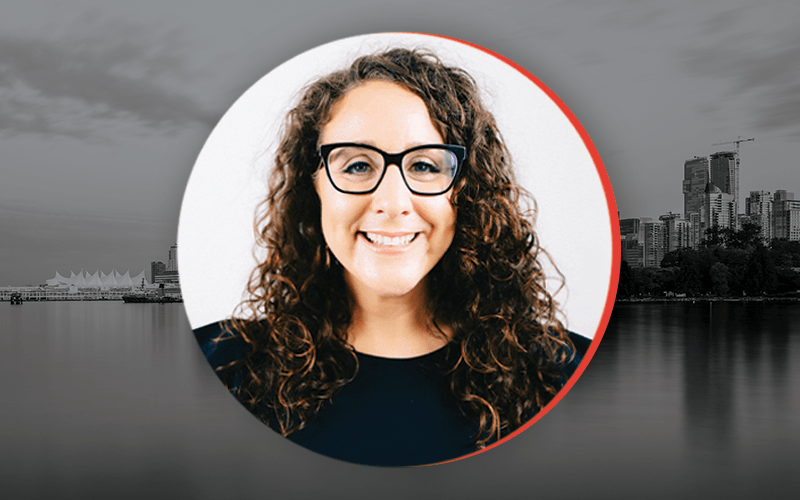
Blair Kaplan’s entrepreneurial insights on the five resilience muscles needed now more than ever!
Episode
As entrepreneurs, we are resilient. The global pandemic has simply brought light to this. And, what makes us MORE...
Key takeaways
- Building strong client relationships based on shared values creates support systems that sustain you through personal crises while running a business.
- Resilience is an inherent muscle we all possess, and remembering that you can do hard things helps you navigate both business and personal challenges.
- Telling your story, whether in writing or conversation, is powerfully therapeutic and can inspire others to take action in their own lives.
- Choosing clients who align with your values transforms business relationships from purely transactional to meaningful partnerships that endure difficulties.
- Every challenge contains silver linings and lessons that, once recognized, make you and your business stronger and more attractive to ideal clients.
Transcript
Full transcript page · Interactive episode
============================================================
TRANSCRIPTION WITH SPEAKERS
============================================================

[00:03] SPEAKER_01: How are you doing? How's your mom? My mom passed away. Oh my god. Sorry. It's okay. There
[00:12] SPEAKER_03: was no way for you to know. It, uh, yeah, it escalated. But so I, if I had a bunch of
[00:24] SPEAKER_03: prep to do, if I just looked at the invite, I totally didn't do it. So I can do it after.
[00:29] SPEAKER_00: Honey, I'm sorry. It's okay. It's shit. Like I was coming to Winnipeg to set her up maybe for
[00:37] SPEAKER_00: treatment. She went to the hospital and like, didn't come out. She was like, we've been waiting,
[00:45] SPEAKER_00: we were waiting and waiting and waiting for a diagnosis. I'm just gonna go get tissue. Yeah, yeah,
[00:52] SPEAKER_00: yeah, we can also reschedule. Like, I mean, it's just like, it's fucked because she was told
[00:59] SPEAKER_00: you might have cancer, but it's in the liver, but we can't diagnose you because we don't know
[01:02] SPEAKER_00: where it's, which started. So we can't treat you. And it got worse and worse and worse and worse.
[01:08] SPEAKER_00: And when we talked to me last, my mom was in between hospital visits when we talked. Yeah.
[01:13] SPEAKER_00: And I almost took her to the ER, like I canceled a whole bunch of stuff and we got her in it with
[01:16] SPEAKER_00: an appointment. She went to the doctor. She couldn't, her pain, like her voice disappeared,
[01:20] SPEAKER_00: she was yellow. Basically, we went to the doctor. They stuck her in an ambulance and center to the hospital.
[01:27] SPEAKER_00: And we did not have an official diagnosis, but the ER doctor called me and they're like, your mom
[01:32] SPEAKER_00: has pancreatic cancer. It has spread to the point where we're just going to be able to make her
[01:36] SPEAKER_00: comfortable. There's nothing we can do. You have maybe a couple weeks left to the next day.
[01:43] SPEAKER_00: The doctor coming in and I looked at the doctor and like, are you sure it's a couple weeks?
[01:46] SPEAKER_00: Because I think it's a couple days and he's like, I think you're right. My mom went into the hospital
[01:50] SPEAKER_00: on the Friday and then died like early, early hours Tuesday. Oh my God. And she was 62, like,
[01:59] SPEAKER_00: no other health issues. But like, it's just like really frustrating because she's been going to the
[02:03] SPEAKER_00: doctor for months. And like, they're like, you have cancer in your liver, but we can't treat you
[02:08] SPEAKER_00: because we don't know where it started. And like, then to not being able to be treated and dying.
[02:12] SPEAKER_00: And like, you know, I'm 35. My sister just turned 32 yesterday. We both live in different parts of
[02:17] SPEAKER_00: Canada. Like, I'm in BC, she's in Ontario and right now I'm in Winnipeg. And like, our dad's in
[02:22] SPEAKER_00: palliative care, our parents are divorced. So it just like, this completely came out of nowhere.
[02:27] SPEAKER_00: And I'm the older sister and like the executor of the estate. So like, on top of running a business,
[02:34] SPEAKER_00: you know, we're packing up a house that we've had for 23 years and dealing with all the paperwork
[02:40] SPEAKER_00: and lawyers and, you know, so you want to talk about resilience and being an entrepreneur while doing
[02:46] SPEAKER_02: all of this. So I'm a little bit shell shocked. So sorry, I was kind of, it's something completely
[02:56] SPEAKER_02: different, of course. And yes, we were specifically going to talk about resilience today, being
[03:04] SPEAKER_02: such an apt, you know, need. My gut instinct is we should go for it. I think we should. I'm ready.
[03:13] SPEAKER_00: I put makeup on. Just like I, I'm ready. Like if I couldn't do it, I would cancel.
[03:19] SPEAKER_00: Okay. I just, I, I caught you off guard and made you upset. But I think I was reading your email
[03:24] SPEAKER_00: and I watched your videos this morning. And I was like, I think I understand. But I wanted to just see
[03:29] SPEAKER_00: because I think there's a really important story here about being an entrepreneur and going through
[03:33] SPEAKER_00: the really hard stuff in life and just a little bit of a backup. And I'm going to, I'll give a
[03:38] SPEAKER_00: trigger warning when we're talking about this. So it's a bit heavier. But it's who I am. I've had a
[03:42] SPEAKER_00: business for almost 13 years. I'm 35. And just from the beginning of November till now, I just told
[03:50] SPEAKER_00: I couldn't get pregnant. I got pregnant, I'm giving you a trigger warning. It's kind of heavy.
[03:55] SPEAKER_00: Okay. Okay. And then November 3rd, we learned that my father in law, who was like the
[04:02] SPEAKER_00: dad I never had, that he had cancer. 10, like an hour later, I was in the ER having a miscarriage.
[04:10] SPEAKER_00: Three weeks later, he passed away from cancer. So we, he went from the same thing as my mom. We learned
[04:15] SPEAKER_00: he had cancer and then died three weeks later. And then this just happened with my mom. So I didn't
[04:19] SPEAKER_00: even have a chance to deal with the miscarriage because we learned my father in law was so sick.
[04:24] SPEAKER_00: And I went through that alone because my husband had to go be with his family in a different town
[04:27] SPEAKER_00: in Camelops and have to but like had to like go be with your family. So in it's a pandemic. So I
[04:33] SPEAKER_00: was alone for a miscarriage learning my father in law, who was like he and I were planning a father
[04:38] SPEAKER_00: daughter pie act trip. Like he, I loved him like my own father. And then I was just starting to kind of
[04:45] SPEAKER_00: feel like myself again. And then my mom suddenly got sick and left us. While running a business that
[04:52] SPEAKER_02: makes five figures a month. So let's do, I'm curious because let's talk about resilience,
[05:01] SPEAKER_02: which was our original theme. It's just going to take us lightly to pivot given what we, what we're
[05:05] SPEAKER_02: talking about today or the or what's happening in our near environment. But there is a difference
[05:11] SPEAKER_02: between being an entrepreneur and running your own business as I see it and you know, being able
[05:19] SPEAKER_02: to be to ask for time off. Right? Or oh my gosh. Show that there are social, your job is going
[05:27] SPEAKER_02: to be there, right? There's income coming in. There is, you know, social systems in place to
[05:33] SPEAKER_02: support, you know, the employee when crisis happen. And what I've found and listening, I just see
[05:42] SPEAKER_02: something I wanted to. Yeah. As an entrepreneur or even a small, small business owner, you know,
[05:49] SPEAKER_02: we don't have access to those social systems. We know there's nobody there when crisis hits and
[05:55] SPEAKER_02: we need to take off two weeks or four weeks. And I mean, that's just a situational analysis
[06:02] SPEAKER_02: for those of us who've been entrepreneurs or owned or business. But what can you share
[06:08] SPEAKER_00: from your experience? We're already interviewing. Is this already for the podcast? Let's just go for it.
[06:14] SPEAKER_00: Okay. Well, so I've really learned that if I bring on clients that are aligned with my values,
[06:24] SPEAKER_00: that when life gets really hard, they're there to support me. And the relationship with them
[06:29] SPEAKER_00: isn't just transactional. So, you know, like I just mentioned, like the last three months have been
[06:36] SPEAKER_00: very hard, right? I had one client that I was just starting to work with who wanted to work with
[06:42] SPEAKER_00: me. I disappeared. Like I, having the miscarriage and losing Dave in three weeks, I fell apart. And I
[06:50] SPEAKER_00: just couldn't bring myself to like do more than the bare minimum or what I like to call the blur
[06:56] SPEAKER_00: minimum. And so there was two people I was talking to, one of them, like eventually I resurfaced
[07:05] SPEAKER_00: apologize, explain what happened. And they wanted to work with me. And the other person we decided it
[07:11] SPEAKER_00: wasn't a good fit because of the way the situation was handled on both parties. So I think it's really
[07:19] SPEAKER_00: important that when you're working with people, if you can, you choose who you're with through thick
[07:25] SPEAKER_00: and thin, right? It's some clients are with you for a project or for four years, right? And who do
[07:31] SPEAKER_00: you want to be with you by your side? Yes, you don't need to like go for coffee and like spill all the
[07:35] SPEAKER_00: tea with them or whatever. But during the last two weeks or even further because I was in Winnipeg,
[07:43] SPEAKER_00: I am in Winnipeg and I was here to help my mom while running a business. And then it escalated,
[07:51] SPEAKER_00: like there was a very terrible plot twist to her passing away. I emailed the clients that I was
[07:56] SPEAKER_00: working with and they all understood. And it wasn't like they were losing anything. I said, don't
[08:00] SPEAKER_00: worry, instead we'll meet in a couple of weeks and I'll look, we'll meet for a longer time and
[08:04] SPEAKER_02: I'll extend our contract, but they get it. So there's an interesting concept here for me because I'm
[08:11] SPEAKER_02: flashing back in my mind to, you know, your family as your family, right? They're yours by blood,
[08:18] SPEAKER_02: you're stuck with them through thick and thin and most in healthy relationships. And where there
[08:26] SPEAKER_02: might be, you know, and not so healthy, people are pretty good within their family of setting up
[08:31] SPEAKER_02: boundaries or they should be. And maybe boundaries is one of the secrets, right? But once you talk
[08:39] SPEAKER_02: friends, which is your, I describe it as your chosen family, right? You're really, they're the ones
[08:45] SPEAKER_02: that are outside of your bloodlines that are your chosen family. Once you talk who you want to be in
[08:50] SPEAKER_02: business with, there seems to be the relationship, I call it relationship economics, right? These
[08:58] SPEAKER_02: are people that you're choosing to be in business with because you can accelerate them, you can be
[09:05] SPEAKER_02: of service to them, they can be of service to you. It is this synchronicity of blending of their
[09:12] SPEAKER_02: needs and your solutions and vice versa. And sometimes those are the most important relationships.
[09:18] SPEAKER_02: And people forget to, you know, look at those relationships. They think about clients as
[09:26] SPEAKER_02: their cash flow, their ticket to freedom, whereas you're suggesting an alternative.
[09:33] SPEAKER_00: And yeah, I just, I want to interject because while learning a lot about my mom
[09:39] SPEAKER_00: through the eyes of her coworkers, so my mom was a dental hygienist, okay? I would like to say
[09:45] SPEAKER_00: she was an intrapreneur. And I think intrapreneurs are really important because those are the people
[09:51] SPEAKER_00: who basically work within an organization, but take control and basically act as if they're an
[09:55] SPEAKER_00: entrepreneur, but in someone else's, you know, company. My mom was a dental hygienist at this one
[10:00] SPEAKER_00: office, East Codone and Dental Group in Winnipeg for 29 years. A lot of the patients, a fair amount
[10:07] SPEAKER_00: of patients have been going to her for almost 29 years. And it's because once or twice a year,
[10:14] SPEAKER_00: my mom would clean their teeth. They learned about her, me and my sister, but they kept coming back
[10:20] SPEAKER_00: because they built a connection. Okay? And, you know, my mom, being there for so long, like,
[10:26] SPEAKER_00: you know, top dental hygienist, like people were coming back, didn't want to see other people.
[10:30] SPEAKER_00: So she built up a following. She built up a loyal customer base with really, you know, with her
[10:36] SPEAKER_00: mad teeth cleaning skills, but, you know, that's a perfect example for entrepreneurs and entrepreneurs.
[10:45] SPEAKER_00: What are you going to do to have that connection? So when someone makes, you know, wants to make
[10:49] SPEAKER_00: a purchasing decision, they're choosing you. And what are you going to do so that they keep choosing you?
[10:56] SPEAKER_00: And just, you know, talking to you is reminding me, like, because we're starting to get cards and
[11:02] SPEAKER_00: messages people, hey, you've never met me. Your mom has been cleaning my teeth for 20 years. I've
[11:06] SPEAKER_00: watched you grow up. I'm so, so proud of you. The woman you're becoming. I'm going to miss your mom
[11:11] SPEAKER_00: so much. And strangers are coming out messaging us and sending us cards. Wow. How are you going to
[11:17] SPEAKER_00: be that person that when you go, you're leaving a legacy? Right? So breeding entrepreneurs or
[11:26] SPEAKER_02: entrepreneurs within companies, I think, is an actual strategy. And it's very difficult. And again,
[11:35] SPEAKER_02: I call it the relationship economy is breeding your or creating autonomy within your organization
[11:43] SPEAKER_02: for the persons, people who are frontline to make those connections, like Zappos, they, they allow
[11:52] SPEAKER_02: all of their frontline workers to have control the full entire customer experience and then be able
[11:57] SPEAKER_02: to offer feedback to, you know, the person next door to them who's controlling maybe assets or
[12:03] SPEAKER_02: or infrastructure or or software to, you know, there's a feedback loop. So really a, building
[12:11] SPEAKER_02: an autonomy and building this subset of entrepreneurs in a company, I think is an absolutely central
[12:19] SPEAKER_02: strategy for companies going forward. And, and I say companies, I mean organizations, I mean
[12:25] SPEAKER_02: nonprofits, I mean all of them, anybody who's in the in business, earning money in order to,
[12:33] SPEAKER_02: you know, be a functioning contributor to society and understanding what your legacy is, I think,
[12:41] SPEAKER_02: is really key. Right? What is the experience that you want others to have as they engage with you?
[12:49] SPEAKER_02: Do you want is it, and I call it power play. And the reason I call it power play is because there's
[12:55] SPEAKER_02: only really two states of being, you're either suffering or you're in a pleasure state. And when
[13:01] SPEAKER_02: you're in suffering, you can't, you know, you're just getting through, right? Once you either are
[13:09] SPEAKER_02: at risk, where you're open to new ideas or you're on the breakthrough side of things,
[13:14] SPEAKER_02: where you're playing, you're powerful, you're pleasure, you're, you're supportive of each other.
[13:21] SPEAKER_02: Right? All of those connection pieces really happen, a lot of them happen in the pleasure,
[13:26] SPEAKER_02: pleasure side of being. What's your experience there? When, you know, in your relationships with
[13:32] SPEAKER_02: clients, you know, if you're suffering versus being productive and playing.
[13:37] SPEAKER_00: Um, so I'm in the communications realm, you know, I am storyteller, I am power entrepreneurs and
[13:44] SPEAKER_00: marketers to tell their stories in the digital space. That's what I do. I'm, I've been doing it for a
[13:50] SPEAKER_00: while and I have this thing where I, I would say maybe it's a gift, where if I'm passionate about
[13:55] SPEAKER_00: something, I can, I can get you passionate about it too. And my job is to teach my clients how to do
[14:01] SPEAKER_00: that. So I like to work with clients who are already in that positive state, you know, like,
[14:08] SPEAKER_00: I guess coming from a communication side, you know, there's the reactive and the proactive,
[14:12] SPEAKER_00: right? Um, I like to be very proactive. I like to be very proactive, but life happens, right?
[14:22] SPEAKER_00: So what do you do when you're in that survival state? What did you call it?
[14:27] SPEAKER_02: It's suffering. Suffer. You're on this side of the pool, whether it's boredom frustration,
[14:32] SPEAKER_00: you know, right, fear, all of those. And you know, I, I think everyone's different, but my business
[14:38] SPEAKER_00: and my life are want like people work with me because they want to work with me and they want
[14:43] SPEAKER_00: my skills to help them up level their business. And what if I'm going through stuff, they watch me
[14:48] SPEAKER_00: go through it, but a couple of things have really helped me. One, what I've learned is no matter what
[14:53] SPEAKER_00: in hindsight, there's always a silver lining and there's always a lesson. So even while I'm in
[14:58] SPEAKER_00: the darkest position, you know, during a situation like right now, just losing my mother a couple
[15:03] SPEAKER_00: weeks ago, I'm already starting to find some silver linings. And yes, this is the darkest cloud.
[15:08] SPEAKER_00: This is the hardest thing I've ever had to do. And I can do hard stuff. And I'm surviving this
[15:13] SPEAKER_00: moment by moment, but little things are popping up that are silver linings. And because I've gone
[15:20] SPEAKER_00: through so many situations, I just know when I'm feeling at my lowest in my business or my personal
[15:26] SPEAKER_00: life, I know that once I move through it, I'll be able to start seeing that silver lining. I'll be
[15:32] SPEAKER_00: able to see the light at the end of the tunnel. And you move through life with those lessons. You
[15:36] SPEAKER_00: don't forget them. They become part of you and you become stronger and your business becomes
[15:41] SPEAKER_00: stronger and more people want to work with you because they see how resilient you are. They see
[15:45] SPEAKER_00: that you move through a really hard challenge. You can probably help me move through a really hard
[15:49] SPEAKER_02: challenge. Absolutely. And I think if anything that's portrayed here today, that's what I wanted
[15:56] SPEAKER_02: to share about your story is that you are resilient. You don't just talk about resilience. You
[16:02] SPEAKER_02: are resilient. And I think that's part of your purpose is to support people who through
[16:11] SPEAKER_02: through business resilient. Tell me a little bit about what specifically you're doing, not just
[16:17] SPEAKER_00: working with clients, but your side project. Yeah. So first of all, I just want you to think
[16:22] SPEAKER_00: about resilience as a muscle that goes through your entire body. We all have the ability to be
[16:28] SPEAKER_00: resilient. We are born to be resilient. So I just want you to remember that you can do hard stuff.
[16:35] SPEAKER_00: And so a little bit, a bit of a trigger warning. I mean, I'm talking about some heavy stuff,
[16:39] SPEAKER_00: so that probably should have came at the beginning of the interview, but maybe you can let me know.
[16:44] SPEAKER_00: We're good. And so my father lives with addiction. And he and my mom divorced when I was little.
[16:53] SPEAKER_00: I was seven and I was really close with my dad. But when they divorced, I didn't know he was
[16:57] SPEAKER_00: unwell and he was in and out of my life. And it caused a lot of heartbreak, confusion, sadness,
[17:03] SPEAKER_00: anger, trust issues, anxiety, depression. Like I didn't understand it. I didn't respect myself.
[17:08] SPEAKER_00: I didn't really like myself. But there was a lot of mental health stuff that went on with my
[17:12] SPEAKER_00: father's addiction and the way it impacted me. But in my 20s, I decided that I didn't want to have
[17:18] SPEAKER_00: that those feelings anymore. And I went to this thing called the landmark forum. I worked for Lululema
[17:23] SPEAKER_00: and Athletic Up for three and a half years. I was living in Edmonton at the time and they said,
[17:27] SPEAKER_00: do you want to go to landmark? It's in Vancouver. And I was like, yeah, Vancouver free trip. I didn't
[17:32] SPEAKER_00: even care about landmark. I had no expectations. But something they're clicked. And I'm
[17:42] SPEAKER_00: calling card I memorized and calling my dad. And I had the tools to forgive him.
[17:47] SPEAKER_00: Something clicked and I was able to just accept him for who he is, except whatever relationship he
[17:52] SPEAKER_00: was able to give me and just forgive him. And I shared some words. I cried my face off in public.
[17:59] SPEAKER_00: And then we continued the conversation and private later on while I was back at my hotel.
[18:03] SPEAKER_00: And we started to develop this really beautiful relationship. Now, what I really learned,
[18:08] SPEAKER_00: this is just a sidebar. My dad's an entrepreneur. He used to be a diamond dealer before he got sick.
[18:13] SPEAKER_00: He was very innovative. And beginning of my career, I didn't really know much about that.
[18:19] SPEAKER_00: I'm actually a lot like him when it comes to business. So it's super cool to know that because
[18:23] SPEAKER_00: he was very successful. But we got to know each other and he started to come from Winnipeg
[18:28] SPEAKER_00: to Vancouver to visit me. I got to know him. I started to understand who he was and we started
[18:32] SPEAKER_00: to develop a really beautiful relationship. And it wasn't the relationship I always wanted as a kid.
[18:38] SPEAKER_00: It's just a relationship I was able to accept. You know, calling me texting me, visiting me,
[18:43] SPEAKER_00: it was great. He got to walk me down the aisle. But at the end of 2018, we learned that he was
[18:49] SPEAKER_00: terminally ill with COPD and lung cancer. And I felt robbed. I felt like the wind was sucked out
[18:57] SPEAKER_00: of my sales or whatever the saying is. And I started telling my story. So I started going for coffee
[19:03] SPEAKER_00: with friends just like, you know, I have like this gift of verbal diarrhea. And I just,
[19:09] SPEAKER_00: this is the story. This is what happened. This is how I'm feeling. And what was happening was
[19:12] SPEAKER_00: that people were getting back to me. Blair, after the coffee date with you, I went and made an
[19:15] SPEAKER_00: appointment with a therapist. I'm really inspired. Blair, I heard your story and I just flew across
[19:21] SPEAKER_00: the country and forgave my dad before he dies. And I was like, oh, we got something here.
[19:26] SPEAKER_00: In fact, I actually just went for a walk with a girlfriend who said that she shared my story with
[19:32] SPEAKER_00: one of her friends and her friend left her husband because she was in such an unhappy marriage. And
[19:37] SPEAKER_00: she's like, your friend Blair inspired me. And I'm going to live my best life. Whoa. Don't tell,
[19:44] SPEAKER_00: don't tell the husband. But so I was like, dad, like, you know what, this legacy of yours,
[19:51] SPEAKER_00: you know, I know we didn't have the best relationship. I know we have something like decent now. But
[19:56] SPEAKER_00: why don't we use our story of forgiveness, addiction, resilience to inspire others.
[20:02] SPEAKER_00: Why don't we tell our story and gather other stories and write a book when I say we it's not him.
[20:08] SPEAKER_00: It's me. But let's tell our let's tell our stories because growing up like in the 80s and 90s when
[20:13] SPEAKER_00: you had an addiction, it was swept under the red. It wasn't talked about. And so, you know, and I'm
[20:20] SPEAKER_00: like, whoa, millennial, like I'm a geriatric millennial. I'm going to tell my story. I'm going to
[20:24] SPEAKER_00: let you all know how I feel. Let's change the stigma. That's how it is. And I grew up in the Jewish
[20:29] SPEAKER_00: community of Winnipeg and like things are changing. But it's a, you know, everyone knows each other.
[20:32] SPEAKER_00: Everyone knows each other's business. And it's like that in any tight-knit community. And so,
[20:36] SPEAKER_00: I think it's really important to talk about the hard stuff so we can support each other.
[20:41] SPEAKER_00: And so my dad said, that's a great idea. I was like, I guess I should start a website to collect
[20:45] SPEAKER_00: story. So I started a website. I mean, I guess I need social media. So I started social media. And
[20:50] SPEAKER_00: the I am resilient project was born. And so the website is I am resilient.info. Now that was two
[20:57] SPEAKER_00: years ago this March. So now it's about two years ago. So my dad is still alive. He's in palliative
[21:02] SPEAKER_00: care. The goal is to get the book out before he moves on. I mean, we started it because we learned
[21:08] SPEAKER_00: he was dying and we're ending it right after my mom passed away. So it's a really kind of interesting
[21:14] SPEAKER_00: journey we've been on. When I say we have actually brought my sister into the project,
[21:17] SPEAKER_00: Atlanta. She's my project manager and she's also a therapist. So she's a child and family
[21:22] SPEAKER_00: therapist. We've gathered stories from all over the world like New Zealand, all over the states,
[21:27] SPEAKER_00: New Europe, all over Canada. Stories are coming in on our website. Anyone could submit a story.
[21:32] SPEAKER_00: Every story should be told. And then we're picking about 52 stories to publish in our first book.
[21:38] SPEAKER_00: But every story that comes in is told on our website and social media. The past couple of weeks
[21:42] SPEAKER_00: we've taken a bit of hiatus so we can be present with our family. But starting Monday, we're
[21:46] SPEAKER_00: going to be starting to tell stories again. And we're just working on our first book that hopefully
[21:50] SPEAKER_02: will be out in the next few months. And what experience do you are you looking to create for the
[21:59] SPEAKER_02: people and not really I see two key the contributors, right? The part of the journey is actually the
[22:07] SPEAKER_02: contribution and and participating, but also the end reader. What what are you hoping to do? Yeah.
[22:14] SPEAKER_00: So our community that I'm resilient community is a place where people can come and share stories or
[22:19] SPEAKER_00: read stories of resilience to help them move through their challenges. You know, when I've been in
[22:23] SPEAKER_00: the darkest times of my life, like the miscarriage, I googled, I didn't know what to do. How to have a
[22:28] SPEAKER_00: business and have a miscarriage, like how to run a business and have a miscarriage. I didn't I
[22:33] SPEAKER_00: did not know what to do. Right? Like, and so then I wrote an article. I wrote an article about it.
[22:41] SPEAKER_00: I think I want to be a resource. So when you're in a place of hard times that you know that there's
[22:48] SPEAKER_00: this resource that you can go through and you can read about people's challenges and how they
[22:51] SPEAKER_00: overcame them and their words of advice because every story includes words of advice for someone
[22:56] SPEAKER_00: going through something similar. Okay. It's super empowering. But also if you are open to share and
[23:03] SPEAKER_00: you don't have to share your name, you can be anonymous telling your story is extremely
[23:07] SPEAKER_00: therapeutic, whether you write it in a journal, talk to a therapist or put it on the internet for
[23:11] SPEAKER_00: the world to see like I do. You know, it's very therapeutic. You should never keep everything
[23:16] SPEAKER_00: bottled up inside. And I'm a writer like my therapist told me, you know, we have big feelings
[23:22] SPEAKER_00: right. And so I, you know, I'm obviously working through a lot of stuff. So I'm writing when I have
[23:27] SPEAKER_00: the energy. But if you are open to telling your story, some people, you know, writing your story
[23:33] SPEAKER_00: for the I'm resilient project, it might be your tenth time telling it. Some people is the first time
[23:37] SPEAKER_00: they've ever said it, not even told telling their friends or family. We exist so you can heal.
[23:43] SPEAKER_00: We exist so you can help other people heal. That's it. And I started it because it was helping me
[23:50] SPEAKER_00: heal. I was starting it because it was helping the people in my life heal. We also do what we were
[23:55] SPEAKER_00: doing in person events. We were doing like panel discussions where people shared their stories.
[24:00] SPEAKER_00: And we were raising funds and awareness for counseling assistance programs. Unfortunately with
[24:05] SPEAKER_00: COVID, we postponed three events, one in Toronto, one in Pemberton, one in Whistler. We pivoted
[24:11] SPEAKER_00: and did an interview series. So just like we're doing now, but we did it on Facebook and YouTube.
[24:15] SPEAKER_00: And we were just in the middle of working on a podcast. But we paused that for the time being and
[24:21] SPEAKER_00: just going to focus on some healing and writing our book. Awesome. Well, and what's the timeline for
[24:28] SPEAKER_02: the book? Did you say you're still accepting some contribution? Yes. So we are always accepting
[24:35] SPEAKER_00: contributions always. Like if I wake up tomorrow and there's 300 stories in there, we will probably
[24:42] SPEAKER_00: put out a second book right after the first book. Like it's a project. There's no end goal beginning
[24:47] SPEAKER_00: goal. My goal is to get at least the first book out, you know, by spring and spring is now.
[24:52] SPEAKER_00: Obviously I had a bit of a bump in the road. But we have most of the stories we'd like to
[24:57] SPEAKER_00: contribute. And we're kind of at that, you know, in a really fun creative process. So potentially in
[25:03] SPEAKER_00: the next couple months. So where are we, March? Yeah. Like May or June.
[25:08] SPEAKER_02: And are you taking who would you like to purchase the book? So we've got the contributors,
[25:14] SPEAKER_02: which you know, it, whether you ever sell a book, the therapeutic process of contribution, I think,
[25:21] SPEAKER_02: justifies the project. What about the readers? Who do you think should use it as an end consumer,
[25:30] SPEAKER_02: but potentially also organizations or institutions that, you know, have the same goal is to help their
[25:37] SPEAKER_00: people feel? Yeah. So my vision for the book is like a beautiful hardcover book with these stories.
[25:44] SPEAKER_00: And each story has a photo or an image and the story. And we've divided it into different sections.
[25:50] SPEAKER_00: You're going to have to wait till the book comes out. But I think it's a beautiful book that can wait
[25:55] SPEAKER_00: beyond coffee tables. So I mean, I'm assuming the world's going to start to open up and in waiting rooms
[26:02] SPEAKER_00: will be magazines and books again. But I think every, you know, every sort of office, dental office,
[26:07] SPEAKER_00: doctors office, therapy office, you know, lunchroom anywhere where a coffee table lies where people
[26:13] SPEAKER_00: maybe take breaks is a great spot. But also your own homes. Maybe you have, you know, a family
[26:20] SPEAKER_00: and you have teenagers. I remember being a teenager going through some hard stuff because of my
[26:24] SPEAKER_00: dad, what if I had a book where someone told me the story of their father having an addiction and
[26:30] SPEAKER_00: that they wish they knew that their father loved them and not, you know, and not what I thought.
[26:36] SPEAKER_00: So I think if you feel like or you can anticipate, you know, teenage life or maybe the hard stuff in
[26:44] SPEAKER_00: life or I think really the book belongs on, you know, in everyone's home, but like that, you know,
[26:51] SPEAKER_00: not possible. We're going to have a digital version. So because for me, it's not about like,
[26:56] SPEAKER_00: we don't make money, like we'll make some money from the book sales, but we're still looking at
[27:01] SPEAKER_00: which organization, but a portion of the proceeds are going to get donated back to support mental
[27:05] SPEAKER_00: health initiatives to support a Canadian company, at least for the first book because we're in Canada.
[27:11] SPEAKER_00: But the goal of the project is to help people. Yes. It's not to become a billionaire. It's to help
[27:18] SPEAKER_00: people. Like I have a business. I make my income through my communications company.
[27:24] SPEAKER_00: This is how I give back. I've been giving back since I was a child. I'm volunteering, donating my time,
[27:29] SPEAKER_00: donating my services, donating money, whatever it is. I'm able to give back a refugee family,
[27:34] SPEAKER_00: refugee family come to Pemberton. I've volunteered with Ovarian Cancer Canada. I'm always
[27:38] SPEAKER_00: up service. I love to be of service. My business is of service too, but that is for profit. This book
[27:43] SPEAKER_00: is about helping others. I have had a very difficult journey with my family. I'm still in the middle
[27:48] SPEAKER_00: of a difficult situation, but reading people's stories that come through. The stuff that people
[27:55] SPEAKER_00: have survived and thrived through and their words of advice, even though some situations have
[28:00] SPEAKER_00: nothing to do with the situation I'm in have helped me. Well, it's interesting. You say that.
[28:06] SPEAKER_02: I want to explore one idea with you. That is the business that I'm in,
[28:15] SPEAKER_02: concept, which is transactional, and then the additional service that I provide.
[28:22] SPEAKER_02: For me, I've been working with Canada's podcast two and a half years, and I say that. This is
[28:27] SPEAKER_02: my passion project. This is what I do for free to help entrepreneurs network their story. Read
[28:36] SPEAKER_02: and pre-pandemic. I was in, I'm building innovation hubs and co-working spaces.
[28:44] SPEAKER_02: The transactional business model was on-demand meeting event and office space, which pretty much
[28:50] SPEAKER_02: ground to a zero halt. I could see that this had a longevity to it. The pandemic
[28:59] SPEAKER_02: right away. Ironically, it was one of one of the interviewees in Vancouver that talked about
[29:07] SPEAKER_02: coming out of bear economy and really taking these tools quickly, assessing where you're at in
[29:12] SPEAKER_02: the market, assessing your cash flow and see how long can you, how long can you hemorrhage
[29:17] SPEAKER_02: if you like your highest expenses of labor and rent, let's say. I made a quick decision very quickly
[29:25] SPEAKER_02: to exit stage left and put everything behind me as structured as possible to keep the momentum
[29:31] SPEAKER_02: and flow in the essential business. I've pivoted myself to going, why don't I just take
[29:39] SPEAKER_02: so my transactional basis is now coaching and working with commercial property owners in,
[29:45] SPEAKER_02: coming from a linear analog, physicality of space, business into the digital world.
[29:52] SPEAKER_02: And becoming hybrid digital spaces, I call them exponential organizations based on place.
[30:02] SPEAKER_02: So that's my transaction. But this engagement and storytelling is really what I love
[30:08] SPEAKER_02: and do the best. Hence, my role here at Canada's podcast. So,
[30:13] SPEAKER_02: now we've shared each of our passion projects. And I just hope that we can get more stories.
[30:21] SPEAKER_02: I don't have a story that I can contribute, but I can think of a lot of people that
[30:25] SPEAKER_02: could take advantage of your healing offer. So I hope that we get lots of books and do maybe
[30:33] SPEAKER_02: it will become a book series of what makes somebody resilient in Eastern Canada versus Western Canada
[30:43] SPEAKER_02: versus a remote community. What do those look like depending on place? There might be an interesting
[30:53] SPEAKER_00: evolution there. It can be like a chicken soup for the Teenage Soul style series. Maybe it's
[30:58] SPEAKER_00: women, maybe there's teenagers. Who knows? I mean, it's a project. Now, one thing I do have to say
[31:03] SPEAKER_00: is that once I get the first book out, I need to probably grow my team a bit because I need to share
[31:07] SPEAKER_00: some responsibility. I'm very big into manifestation. And 2019, my word was resilient. And
[31:13] SPEAKER_00: the universe is still testing how resilient I really am. So I think I need to share the
[31:17] SPEAKER_00: resilience with people. But yeah, like the website has a submission form. It guides you into how
[31:25] SPEAKER_00: to tell your stories. So you don't need to be a creative writer. Some stories come in in their
[31:28] SPEAKER_00: three sentences. Some come in in their 500 words. This is for you. And it guides you how to do it.
[31:36] SPEAKER_02: I am resilient.info. So I'm resilient.info was one great way to connect with you, post podcast.
[31:42] SPEAKER_02: The other one, let's just touch quickly because I know, you know, in your transactional business,
[31:47] SPEAKER_02: you work with companies in their engagement process, right? Once they know
[31:52] SPEAKER_02: what their massive transformational purposes and themselves and their being of service,
[31:58] SPEAKER_02: you identified that you'd like them to be positive. But if you could wave a magic wand and say,
[32:04] SPEAKER_02: hey, I want to connect with this type of company or this niche, please connect with me, post podcast.
[32:11] SPEAKER_00: Who would they be? So my other business Blair Kaplan communications there, you could learn all
[32:16] SPEAKER_00: about me, Blair Kaplan.ca. I have a podcast, I wrote a book, became the best selling author in
[32:21] SPEAKER_00: the pandemic. So you can just go there. I don't take, I won't take up too much more of your
[32:25] SPEAKER_00: ear time. But if you are like, whoa, Blair, I want to learn more about you and work with you.
[32:31] SPEAKER_00: Are you the right person for me is I love working with entrepreneurs and marketers to empower
[32:38] SPEAKER_00: them to tell stories and up level their social media skills more specifically passion driven
[32:43] SPEAKER_00: businesses, not oh, I just bought a subway franchise, but I started this business because I had
[32:48] SPEAKER_00: this dream and this helped me and I did this. I want to help you tell your story in the digital space
[32:54] SPEAKER_00: not only teaching you the skills of technical skills on social media marketing and public relations,
[32:59] SPEAKER_00: but empowering you to tell those stories and how to tell not sell.
[33:05] SPEAKER_02: Awesome. Blair has been an absolute pleasure. You of course triggered me off guard at the beginning,
[33:11] SPEAKER_02: but I mean, that's part of our relationship rate is being vulnerable with each other. I appreciate
[33:17] SPEAKER_02: getting to know you earlier before this podcast today and I absolutely know we will keep in touch
[33:22] SPEAKER_00: over time. Thank you so much for having me. I'm so honored.